-
Delivery
-
Click & Collect
Free Click and collect is available at checkout. Orders are ready within 1 hour during opening hours. Store Address: 56 Parer Rd, Airport West, VIC Australia 3042 Phone (03) 9999 5902
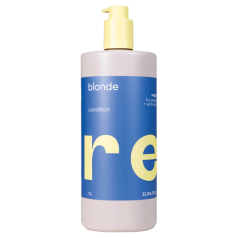
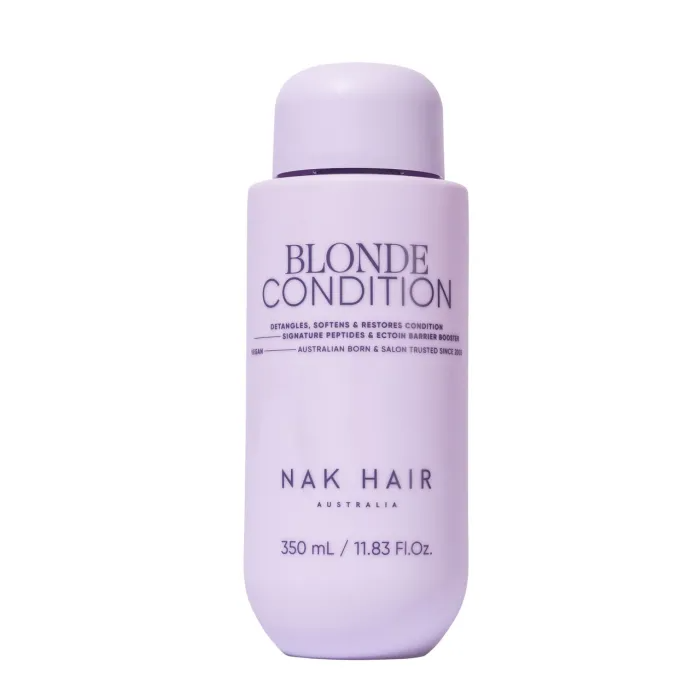
NAK Blonde Conditioner is a toning conditioner that softens blonde hair and calms brassiness.
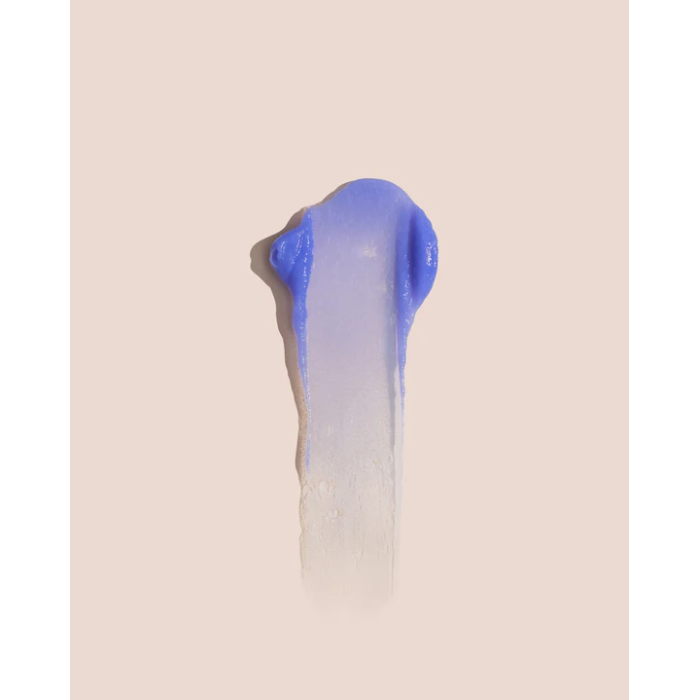
This rich, creamy formula works after shampooing to gently condition while violet pigments help counteract yellow and gold tones. It glides through the hair, making detangling easier and leaving strands feeling silky rather than heavy.
Hair dries with a smooth, light finish and a soft, salon-fresh scent that’s not overpowering. Use it when your blonde starts to look dull or warm, or as a regular follow-up to your blonde shampoo.
Ideal for natural, lightened, or highlighted blondes wanting a cleaner, cooler look. With regular use, hair appears brighter, feels more manageable, and looks freshly toned between salon visits.
How To Use NAK Blonde Conditioner
- After shampooing, gently squeeze excess water from hair.
- Apply conditioner from mid-lengths to ends.
- Comb through with fingers or a wide-tooth comb.
- Leave on for 1–5 minutes, depending on desired tone.
- Rinse thoroughly with lukewarm water.
- Use 1–3 times per week, or as brassiness appears.
NAK Blonde Conditioner Ingredients
Aqua (Water), Cetearyl Alcohol, Behentrimonium Chloride, Glycerin, Amodimethicone, Cetyl Alcohol, Stearamidopropyl Dimethylamine, Hydrolysed Wheat Protein, Hydrolysed Soy Protein, Panthenol (Pro-Vitamin B5), Tocopheryl Acetate (Vitamin E), Butyrospermum Parkii (Shea) Butter, Argania Spinosa Kernel Oil (Argan Oil), Macadamia Ternifolia Seed Oil, Polyquaternium-37, Propylene Glycol Dicaprylate/Dicaprate, PPG-1 Trideceth-6, Citric Acid, Parfum (Fragrance), CI 60730 (Violet 2), Disodium EDTA, Phenoxyethanol, Ethylhexylglycerin, Benzyl Alcohol, Limonene, Linalool.
Note: Please refer to bottle for full ingredients.
-
Aqua SolventsSolvent
The water base that carries and dissolves the other ingredients in most products.
May suitAll hair and skin types.
Worth knowingAlmost always the first ingredient listed in water-based products.
-
Cetearyl Alcohol Conditioning agentsFatty alcohol conditioner
A fatty alcohol that helps soften hair and improve the texture of formulations.
May suitPeople looking for smoother, more manageable hair or richer, creamier product textures.
Worth knowingDespite the name, fatty alcohols are moisturising and conditioning rather than drying. They also help stabilise and thicken many haircare formulas.
-
Behentrimonium Chloride Conditioning agentsConditioning agent
A conditioning agent that helps detangle and soften, reducing static and roughness.
May suitMost hair types, especially tangle-prone or coarse hair.
Worth knowingA common conditioner ingredient despite the chloride name, which simply describes its chemistry.
-
Glycerin HumectantsHumectant
Attracts and holds water to help hair feel hydrated and soft.
May suitDry or dehydrated hair, and many curl and moisture routines.
Worth knowingA very common, well-tolerated humectant used across countless products.
-
Amodimethicone SiliconesConditioning silicone
A conditioning silicone that targets rougher areas of the hair to smooth and protect.
May suitDamaged, frizz-prone or colour-treated hair wanting targeted smoothing.
Worth knowingDesigned to deposit where hair needs it most. Some prefer silicone-free formulas by choice.
-
Cetyl Alcohol Conditioning agentsEmollient and texture enhancer
Cetyl Alcohol helps soften the hair and gives products a smooth, creamy texture.
May suitThose looking for conditioning, slip, or richer textures in their haircare products.
Worth knowingDespite the name, fatty alcohols like cetyl alcohol are non‑drying and are commonly used to add emollience and stability to formulations.
-
Stearamidopropyl Dimethylamine Conditioning agentsHair conditioning agent
A conditioning agent that helps smooth and soften the hair.
May suitThose looking for improved slip, manageability and reduced static, especially in dry or textured hair.
Worth knowingIt is often paired with fatty acids to enhance conditioning performance and provide a softer feel. It also helps detangle without weighing hair down.
-
Hydrolysed Wheat Protein Proteins and amino acidsHair-strengthening protein
A protein derivative that helps reinforce the hair shaft and improve softness and manageability.
May suitThose seeking added strength, light conditioning, or improved elasticity in their hair.
Worth knowingIt provides a lightweight form of protein that can help support the hair’s structure without heavy build-up. Many formulations use it to enhance overall feel and resilience.
-
Hydrolysed Soy Protein Proteins and amino acidsStrengthening protein
A plant-derived protein used to help strengthen and condition the hair.
May suitPeople looking to support hair strength, smoothness or manageability, especially in damaged or chemically treated hair.
Worth knowingHydrolysed proteins are broken down into smaller components so they can more easily interact with the hair surface. They are commonly used to enhance feel, softness and resilience in many haircare formulas.
-
Panthenol Conditioning agentsConditioning agent
Helps condition, soften and add a smooth, healthy feel to the hair.
May suitMost hair types, especially dry or dull hair.
Worth knowingA versatile, well-tolerated conditioning ingredient.
-
Tocopheryl Acetate Conditioning agentsAntioxidant and conditioning support
A stable form of vitamin E used to help condition hair and support product stability.
May suitThose looking for added conditioning support or antioxidant benefits in their haircare.
Worth knowingIt is commonly used because it is more stable than pure vitamin E while still offering similar benefits. It appears in many leave-in and rinse-off formulations.
-
Butyrospermum Parkii Butter Oils and buttersConditioning butter
A rich butter that softens and conditions, adding slip to dry or coarse hair.
May suitDry, coarse, curly or thick hair wanting extra softness.
Worth knowingRich and nourishing, so amounts can be adjusted to hair type.
-
Argania Spinosa Kernel Oil Oils and buttersConditioning oil
Softens and nourishes the hair, adding slip and a conditioned, glossy feel.
May suitDry, dull or frizz-prone hair.
Worth knowingA popular conditioning oil used across many treatment and shine products.
-
Macadamia Ternifolia Seed Oil Oils and buttersNourishing plant oil
A lightweight natural oil that helps condition and soften the hair.
May suitThose looking to add smoothness, shine or moisture to dry or coarse hair.
Worth knowingIt is rich in fatty acids that can help improve hair feel without leaving a heavy residue. Often used in both rinse-off and leave-in formulas.
-
Polyquaternium-37 Conditioning agentsFilm-forming conditioner
A conditioning polymer that helps smooth the hair and improve manageability.
May suitThose looking for softer, more manageable hair or extra slip in styling products.
Worth knowingIt forms a lightweight film on the hair to reduce static and enhance glide without leaving heavy residue. It is commonly used in both rinse-off and leave-in formulas.
-
Propylene Glycol Dicaprylate/Dicaprate Oils and buttersLightweight emollient
A light, fast‑absorbing emollient ester that helps soften hair and improve slip.
May suitThose wanting a non-greasy conditioning feel or improved spreadability in styling products.
Worth knowingIt is commonly used to give formulas a smooth, silky texture without heaviness. Often found in conditioners, serums and creams where a lightweight finish is desired.
-
PPG-1 Trideceth-6 Cleansers / surfactantsSolubiliser / surfactant
A solubilising surfactant that helps blend oily and watery ingredients into a uniform formula.
May suitThose looking for products with stable, evenly blended textures or clear formulations.
Worth knowingIt is commonly used in both haircare and skincare to help disperse fragrance oils or conditioning agents evenly. It also supports the overall texture and consistency of a formula.
-
Citric Acid pH adjusterspH adjuster
Fine-tunes the product pH, which can help the hair surface feel smooth.
May suitMost hair types as part of a balanced formula.
Worth knowingUsually present in small amounts to balance the formula.
-
Parfum Fragrance ingredientsFragrance
Gives the product its scent.
May suitPeople who enjoy a scented product.
Worth knowingFragrance preference is personal. Some people prefer fragrance-free formulas by choice.
-
Acid Violet 43 ColourantsColourant
A synthetic violet dye used to add colour or adjust tones in haircare products.
May suitPeople using colour-depositing shampoos, conditioners or masks may find it relevant.
Worth knowingIt is commonly used in purple and violet toning formulas to help reduce the appearance of brassy or yellow tones in lightened hair. It is present in very small amounts to achieve precise colour effects.
-
Disodium EDTA Chelating agentsChelating agent
Binds to minerals from hard water so the product works consistently and stays stable.
May suitAll products, especially in hard-water areas.
Worth knowingUsed in tiny amounts to keep formulas performing reliably.
-
Phenoxyethanol PreservativesPreservative
Helps keep the product stable and pleasant to use after opening.
May suitAll products that need protecting from spoilage.
Worth knowingA very common, well-studied preservative used at low levels.
-
Ethylhexylglycerin PreservativesPreservative booster
Helps support the preservation system and can provide mild skin-conditioning benefits.
May suitThose interested in gentle preservation systems or sensitive scalps may find it relevant.
Worth knowingIt is often paired with other preservatives to improve their effectiveness while allowing for lower usage levels. It also has light moisturising and conditioning properties.
-
Benzyl Alcohol PreservativesPreservative
Helps preserve formulations and can also act as a solvent or light fragrance component.
May suitThose interested in understanding preservative systems or identifying potential fragrance allergens.
Worth knowingBenzyl Alcohol is commonly used in professional haircare to support product stability and texture. It can also naturally occur in some essential oils.
-
Limonene Fragrance ingredientsFragrance component
A fragrance component that also occurs naturally in many citrus and plant oils.
Worth knowingA fragrance component that must be listed separately on labels because a minority of people can be sensitive to it. Its presence is normal, required disclosure and is not a quality signal.
-
Linalool Fragrance ingredientsFragrance component
A fragrance component found naturally in many flowers and spices.
Worth knowingA fragrance component that must be listed separately on labels because a minority of people can be sensitive to it. Its presence is normal, required disclosure and is not a quality signal.