Airport West VIC
Australia 3042
Valued at $19.95!
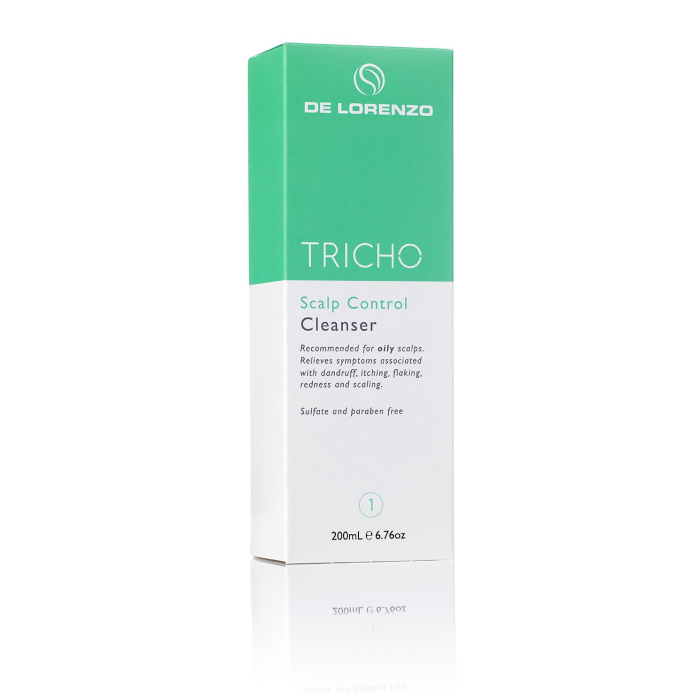
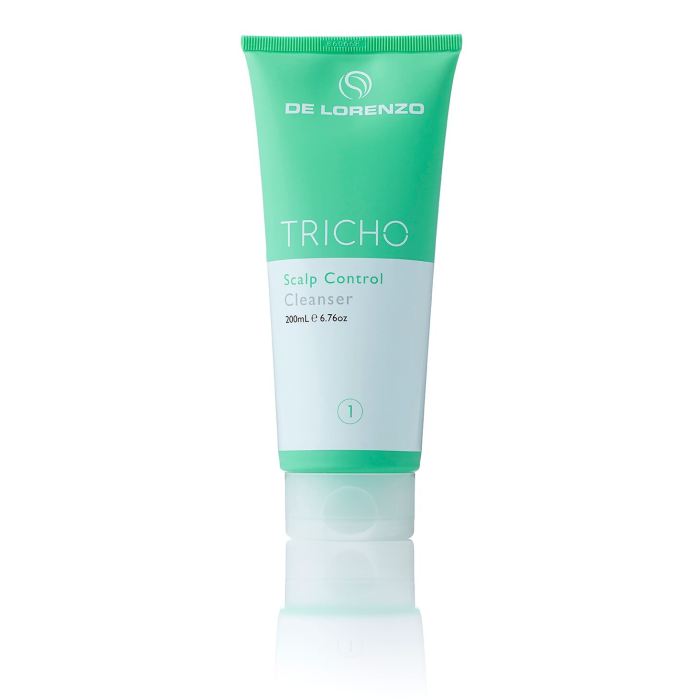
De Lorenzo Tricho Scalp Control Cleanser is a soothing shampoo that calms oily, flaky scalps.
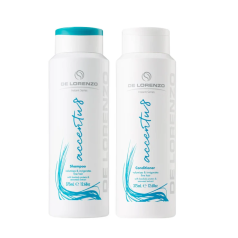
This gentle cleanser works at the roots, lifting excess oil, product build-up, and surface flakes without stripping your hair. It helps balance the scalp environment, leaving hair feeling light, fresh, and easier to style.
The texture is a smooth, low-foam gel that rinses clean, while the scent is mild and salon-fresh, never overpowering. Hair feels clean but not squeaky, with a soft, natural finish.
Ideal for oily, flaky, or easily irritated scalps, and for anyone who feels like their roots get greasy too quickly. Use it regularly to help keep your scalp feeling calm, balanced, and comfortable throughout the day.
How To Use De Lorenzo Tricho Scalp Control Cleanser
- Wet hair and scalp thoroughly with warm water.
- Apply a small amount of cleanser to your scalp.
- Gently massage with fingertips for 1–2 minutes.
- Rinse thoroughly, ensuring no product is left behind.
- Repeat if needed, then follow with your usual conditioner.
- Use regularly for ongoing scalp oil and flake control.
De Lorenzo Tricho Scalp Control Cleanser Ingredients
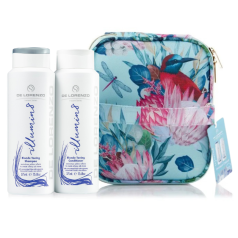
Water (Aqua), Sodium Lauroyl Sarcosinate, Sodium Lauroamphoacetate, Cocamidopropyl Betaine, Sodium Cocoyl Isethionate, Sodium Chloride, Glycerin, PEG-120 Methyl Glucose Dioleate, Panthenol, Aloe Barbadensis Leaf Juice, Melaleuca Alternifolia (Tea Tree) Leaf Oil, Mentha Piperita (Peppermint) Oil, Salicylic Acid, Polyquaternium-10, Citric Acid, Disodium EDTA, Phenoxyethanol, Ethylhexylglycerin, Sodium Hydroxide, Parfum (Fragrance), Linalool, Limonene.
Note: Please refer to bottle for full ingredients.
-
Water (Aqua) SolventsSolvent
Water acts as the main solvent that dissolves and distributes other ingredients in a formula.
May suitAnyone using liquid haircare products, as water is a core component.
Worth knowingIt helps create a workable texture and allows surfactants, conditioners and other actives to perform effectively.
-
Sodium Lauroyl Sarcosinate Cleansers / surfactantsMild surfactant
A gentle cleansing agent that helps lift away oils and impurities.
May suitPeople looking for mild, low-foaming cleansers that are generally considered suitable for sensitive or dry hair types.
Worth knowingIt is often used as an alternative to stronger surfactants to create a softer, more conditioning lather. It can also support formula stability and mildness in blended surfactant systems.
-
Sodium Lauroamphoacetate Cleansers / surfactantsMild cleansing surfactant
A gentle amphoteric surfactant that helps cleanse while supporting a soft, creamy lather.
May suitThose looking for mild, low-irritation cleansing, including people with dry or sensitive scalps.
Worth knowingIt is often paired with other surfactants to balance cleansing power and mildness. Commonly used in baby shampoos and sensitive-skin formulas due to its gentle profile.
-
Cocamidopropyl Betaine Cleansers / surfactantsCleanser / foam booster
A milder co-surfactant that helps cleanse, boost foam and soften the feel of stronger cleansers.
May suitMost hair types, including those wanting a gentler wash.
Worth knowingOften paired with other surfactants to make a formula feel milder.
-
Sodium Cocoyl Isethionate Cleansers / surfactantsGentle surfactant
A mild, coconut‑derived surfactant that helps cleanse hair while producing a soft, creamy lather.
May suitPeople looking for gentle, sulphate‑free cleansing that still provides a rich foam.
Worth knowingIt is often used in low‑irritation or moisturising shampoo formulas because it cleanses without feeling overly stripping. Common in solid shampoo bars and creamy cleansers.
-
Sodium Chloride Thickeners and stabilisersViscosity adjuster
Sodium Chloride is used to adjust the thickness of shampoos and other cleansing formulas.
May suitThose interested in how a product’s texture and lather are achieved.
Worth knowingIt is a simple mineral salt that helps create a familiar shampoo feel and can influence how a cleanser spreads through the hair.
-
Glycerin HumectantsHumectant
Attracts and holds water to help hair feel hydrated and soft.
May suitDry or dehydrated hair, and many curl and moisture routines.
Worth knowingA very common, well-tolerated humectant used across countless products.
-
PEG-120 Methyl Glucose Dioleate Thickeners and stabilisersThickener and mild surfactant
Helps thicken and stabilise formulations while adding mild cleansing action.
May suitThose using shampoos or washes that benefit from a richer, more stable texture.
Worth knowingIt is a nonionic surfactant derived from glucose and is commonly used to improve viscosity in gentle cleansing products. It is well tolerated in most haircare formulas.
-
Panthenol Conditioning agentsConditioning agent
Helps condition, soften and add a smooth, healthy feel to the hair.
May suitMost hair types, especially dry or dull hair.
Worth knowingA versatile, well-tolerated conditioning ingredient.
-
Aloe Barbadensis Leaf Juice Botanical extractsBotanical extract
An aloe-derived ingredient added for a soothing, conditioning feel.
May suitMost hair and scalp types, including those wanting a gentle feel.
Worth knowingA popular botanical used across many gentle and moisturising products.
-
Melaleuca Alternifolia Leaf Oil Anti-dandruff / scalp careScalp-purifying botanical oil
A botanical oil used to help refresh and clarify the scalp.
May suitThose looking for products that support a balanced, comfortable scalp.
Worth knowingTea tree oil is valued for its naturally purifying properties and is commonly included in scalp-focused formulas. It is typically used in low concentrations to provide a fresh, cleansing feel.
-
Mentha Piperita (Peppermint) Oil Botanical extractsBotanical essential oil
Provides a cooling, refreshing effect and adds natural aroma to haircare products.
May suitThose who enjoy invigorating, minty formulas or products designed to refresh the scalp.
Worth knowingPeppermint oil is commonly used in small amounts for its sensory benefits and perceived scalp‑refreshing qualities. As with many essential oils, sensitivity varies between individuals.
-
Salicylic Acid Exfoliating acidsScalp exfoliant
Helps dissolve dead skin buildup on the scalp and supports a clearer, fresher surface.
May suitPeople dealing with flaky scalps, congestion or product buildup.
Worth knowingIt is widely used in scalp-care formulas because it breaks down excess oils and debris without needing physical scrubbing. Often found in dandruff-control products.
-
Polyquaternium-10 Conditioning agentsConditioning agent
A conditioning polymer that smooths the hair surface and helps with detangling and feel.
May suitMost hair types wanting smoother, easier-to-manage hair.
Worth knowingWidely used in shampoos and conditioners for slip and softness.
-
Citric Acid pH adjusterspH adjuster
Fine-tunes the product pH, which can help the hair surface feel smooth.
May suitMost hair types as part of a balanced formula.
Worth knowingUsually present in small amounts to balance the formula.
-
Disodium EDTA Chelating agentsChelating agent
Binds to minerals from hard water so the product works consistently and stays stable.
May suitAll products, especially in hard-water areas.
Worth knowingUsed in tiny amounts to keep formulas performing reliably.
-
Phenoxyethanol PreservativesPreservative
Helps keep the product stable and pleasant to use after opening.
May suitAll products that need protecting from spoilage.
Worth knowingA very common, well-studied preservative used at low levels.
-
Ethylhexylglycerin PreservativesPreservative booster
Helps support the preservation system and can provide mild skin-conditioning benefits.
May suitThose interested in gentle preservation systems or sensitive scalps may find it relevant.
Worth knowingIt is often paired with other preservatives to improve their effectiveness while allowing for lower usage levels. It also has light moisturising and conditioning properties.
-
Sodium Hydroxide pH adjusterspH adjuster
Helps control and stabilise the pH of haircare formulations.
May suitThose interested in how product pH affects scalp comfort or hair cuticle behaviour.
Worth knowingIt is used in very small amounts to bring a formula to the desired pH range. Once adjusted, it does not act as a strong alkaline agent in the finished product.
-
Parfum Fragrance ingredientsFragrance
Gives the product its scent.
May suitPeople who enjoy a scented product.
Worth knowingFragrance preference is personal. Some people prefer fragrance-free formulas by choice.
-
Linalool Fragrance ingredientsFragrance component
A fragrance component found naturally in many flowers and spices.
Worth knowingA fragrance component that must be listed separately on labels because a minority of people can be sensitive to it. Its presence is normal, required disclosure and is not a quality signal.
-
Limonene Fragrance ingredientsFragrance component
A fragrance component that also occurs naturally in many citrus and plant oils.
Worth knowingA fragrance component that must be listed separately on labels because a minority of people can be sensitive to it. Its presence is normal, required disclosure and is not a quality signal.