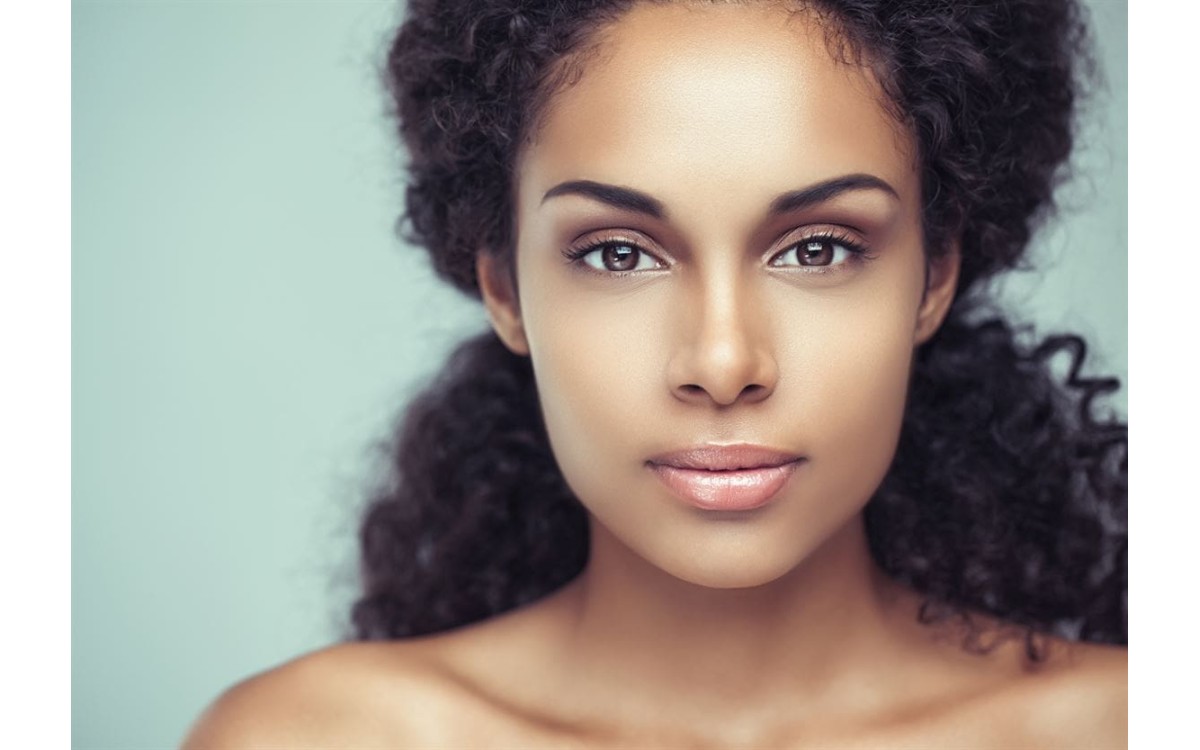
One of the most important rules to remember in hair care is to adjust your treatment procedures according to the natural texture and type of hair you’re dealing with. Indeed, natural texture varies according to race and descent, which is why it is also important to take note of the proper hair care methods for each. One of the most trivial of all hair types are that of African-American women. There are several stereotypes about them that cloud the minds of most individuals when it comes to giving it proper care.
 There are a wide variety of wave patterns such as straight, tight coils, tendrils and ultra-kinky. Even the kink pattern can greatly vary too. However, there is no need to undergo chemical processing or straightening in order to keep the kinks under control. The key to well behaved kinks is to find the right styling and hair care product according to hair type and texture.

African hair texture is scratchy and harsh.
Sure, African hair often comes with thick twists but it does not automatically mean they are harsh and scratchy to the touch. In fact, some of them feel really soft to the touch. The kinky wave pattern made it look as though they are harsh to the touch. Another myth associated to this is the presumption that African hair is damaged. However, there is no truth behind this. It could be relegated to a time when home perming was prevalent and a lot of women suffered extreme damage, making their hair look kinky and extremely frizzy. Hence, this texture is associated to both damaged hair and African hair.African hair must be processed or it will be kinky.
There are a wide variety of wave patterns such as straight, tight coils, tendrils and ultra-kinky. Even the kink pattern can greatly vary too. However, there is no need to undergo chemical processing or straightening in order to keep the kinks under control. The key to well behaved kinks is to find the right styling and hair care product according to hair type and texture.
African hair is naturally greasier.
African hair is no different than any other ethnic groups when it comes to how oily hair becomes. However, water beads tend to form due to the compact cuticle layer that is natural amongst African hair. This makes the hair naturally resistant to moisture, leaving the liquids on the surface rather than penetrating deep within the cuticle. On the flip side, African hair appears naturally shinier than other hair types with a less than compact cuticle layer.African hair is the most difficult type of hair to style.
This is one of the most popular myths surrounding African hair. But like most of the myths above, it is completely untrue. In fact, it is quite the opposite. Provided that the African hair is healthy and well taken care of, it easily responds to styling. The natural wave pattern of the hair also enables it to hold style for longer and more neatly. The ease at which the hair texture responds to the styling makes it easier to create beautiful hairstyles, contrary to popular belief. What other African hair care myths have you heard of? Are they proven true or busted?