Free Click and collect is available at checkout. Orders are ready within 1 hour during opening hours. Store Address: 56 Parer Rd, Airport West, VIC Australia 3042 Phone (03) 9999 5902
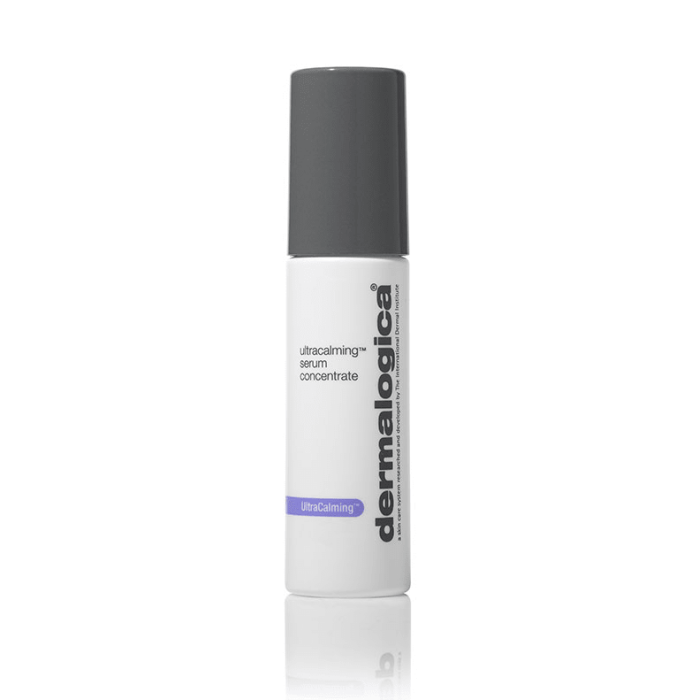
Dermalogica UltraCalming Serum Concentrate is a highly concentrated serum that serves as an effective antidote for sensitive skin. It helps to soothe, restore, and defend sensitised skin, building the skin's tolerance to ease the discomfort of stressed and reactive skin. With collagen-stimulating peptides, this serum also helps to boost the skin's natural defence mechanisms and reduce signs of ageing.
The exclusive UltraCalmingTM Complex present in the serum contains botanical actives and oats that work beneath the surface to interrupt inflammatory triggers that lead to sensitisation. The formula also helps to restore the skin's natural lipid barrier and defend against future assaults with the help of oil of evening primrose, sunflower seed, and avocado extracts. The serum is ideal for those experiencing burning, itching, or discomfort due to sensitivity, as it helps to ease sensitisation and calm the skin, especially after non-invasive cosmetic procedures.
Dermalogica UltraCalming Serum Concentrate is a highly effective serum that works to calm, restore, and defend sensitised skin. With its potent formula containing collagen-stimulating peptides, botanical actives, and oils, it helps to ease sensitisation and calm the skin while defending against future assaults.
Read more
Directions
How To Use Dermalogica UltraCalming Serum Concentrate
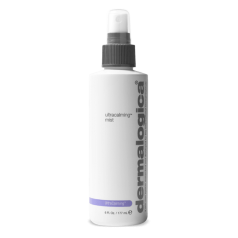
After cleansing and spraying with UltraCalming Mist, apply a generous amount to face, neck and chest with light, upward strokes. Use twice daily, morning and night. For additional moisturization, follow application with Barrier Repair or recommended Dermalogica Moisturizer.
quick tip Use as a spot treatment on the hands, legs, any areas demanding relief from itching and redness!
Attracts and holds water to help hair feel hydrated and soft.
May suit
Dry or dehydrated hair, and many curl and moisture routines.
Worth knowing
A very common, well-tolerated humectant used across countless products.
Caprylic/Capric TriglycerideOils and butters
Lightweight emollient
A lightweight emollient that helps soften and smooth the hair without heaviness.
May suit
Those wanting conditioning benefits that do not weigh hair down, including fine or easily-greasy hair types.
Worth knowing
It is commonly derived from coconut oil and glycerin and is valued for its silky, non-greasy feel. It is widely used in both skincare and haircare for its gentle, versatile performance.
Oenothera Biennis (Evening Primrose) OilOils and butters
Nourishing plant oil
A lightweight plant oil that helps condition and soften hair.
May suit
Those looking to improve hair softness, support manageability or add light nourishment.
Worth knowing
It is rich in fatty acids that can help support the feel and appearance of dry or coarse hair. Often included in blends to enhance overall conditioning benefits.
DimethiconeSilicones
Slip and shine agent
Smooths the hair surface, adds slip and shine and helps reduce frizz.
May suit
Frizz-prone, coarse or dry hair wanting a smooth, glossy finish.
Worth knowing
Some people prefer silicone-free formulas, especially for certain curl routines. It is widely used and helpful in many smoothing products.
Behenyl AlcoholConditioning agents
Fatty alcohol conditioner
A long‑chain fatty alcohol that helps soften hair and improve product texture.
May suit
People looking for smoother-feeling hair or richer, more conditioning formulas.
Worth knowing
Despite the name, fatty alcohols like behenyl alcohol are quite different from drying alcohols and are commonly used to add slip and creaminess to haircare products. They can also support the stability and thickness of conditioners and masks.
Butylene GlycolHumectants
Humectant and solvent
Butylene Glycol helps attract and hold moisture while improving the spreadability of hair products.
May suit
Those looking for hydrated, smoother-feeling hair or lighter-feeling formulations.
Worth knowing
It is commonly used to help ingredients dissolve and to give formulas a soft, glide-on texture. It appears in many leave-in and rinse-off products due to its versatility.
Cetearyl AlcoholConditioning agents
Fatty alcohol conditioner
A fatty alcohol that helps soften hair and improve the texture of formulations.
May suit
People looking for smoother, more manageable hair or richer, creamier product textures.
Worth knowing
Despite the name, fatty alcohols are moisturising and conditioning rather than drying. They also help stabilise and thicken many haircare formulas.
A fermented radish root filtrate used to help keep formulations fresh and stable.
May suit
Those interested in products that use fermentation-derived preservation systems.
Worth knowing
It provides mild antimicrobial activity and is commonly used in modern, gentle preservation blends. Its use does not change how the product performs on the hair.
Avena Sativa (Oat) Kernel Extract is used to soothe and condition the scalp and hair.
May suit
Those with dry, delicate or easily irritated scalps may appreciate its calming feel.
Worth knowing
Oat extracts are commonly added to haircare for their gentle, comforting properties and compatibility with many formulations.
Coco-GlucosideCleansers / surfactants
Gentle cleanser
A gentle, plant-derived surfactant used in milder cleansing formulas.
May suit
Sensitive scalps and people seeking a gentle, sulphate-free cleanse.
Worth knowing
Common in gentle and sulphate-free shampoos.
Pentylene GlycolHumectants
Humectant and solvent
Helps attract and hold moisture while also improving the spreadability of a formula.
May suit
Those seeking lightweight hydration without heaviness.
Worth knowing
It also supports product texture and can enhance the performance of other ingredients in a formula.
Cetyl EthylhexanoateConditioning agents
Emollient conditioner
A lightweight emollient that adds slip and softness to hair without heaviness.
May suit
Those wanting smoother-feeling hair or products that spread easily.
Worth knowing
It is a commonly used ester that helps improve texture and manageability. It can also support a silky, non-greasy finish in styling and conditioning formulas.
BisabololBotanical extracts
Soothing botanical component
Bisabolol is a calming component often used to help soothe the scalp and support comfortable wear of hair products.
May suit
Those with a sensitive or easily irritated scalp may appreciate its calming properties.
Worth knowing
It is commonly derived from chamomile or produced synthetically with similar benefits. It is widely used in both skincare and haircare for its gentle, comforting profile.
A plant-derived extract often used to help invigorate and refresh the scalp.
May suit
Those interested in lightweight botanical support for scalp comfort or hair vitality.
Worth knowing
Ginger root extract is commonly included in haircare for its stimulating and revitalising properties. It pairs well with other botanical extracts in scalp-focused formulas.
Persea Gratissima OilOils and butters
Nourishing plant oil
A rich plant oil that helps condition and soften the hair.
May suit
Dry, coarse or damaged hair types that benefit from added softness and smoothness.
Worth knowing
It is valued for its emollient properties and is often included to support a smoother feel and appearance. It can also help enhance suppleness without weighing hair down when used in balanced formulations.
PhytosterolsConditioning agents
Conditioning emollient
Plant-derived lipids that help condition and soften the hair.
May suit
Those seeking smoother, more manageable hair or plant-based conditioning ingredients.
Worth knowing
Phytosterols can support moisture retention and enhance the feel of hair in conditioning formulas. They are often used alongside oils and other emollients for improved texture.
A plant-derived extract used to help condition and support the feel of the hair and scalp.
May suit
Those looking for plant-based supporting ingredients or gentle conditioning benefits.
Worth knowing
Sunflower seed extract is often included for its naturally occurring compounds that can help enhance the overall conditioning profile of a formula. It is commonly used alongside other emollients and botanical ingredients.
Decyl GlucosideCleansers / surfactants
Gentle surfactant
A mild, plant-derived surfactant that helps cleanse the hair and scalp.
May suit
People looking for gentle or low-foaming cleansing options.
Worth knowing
It is commonly used in sulphate-free formulas due to its mildness and compatibility with sensitive scalps. It can also help improve the spreadability of a formula.
Sodium HyaluronateHumectants
Hydrating humectant
Draws moisture into the hair and helps maintain hydration.
May suit
Those with dry, dehydrated or coarse hair seeking added softness and moisture retention.
Worth knowing
It is the salt form of hyaluronic acid and is widely used because it can hold many times its weight in water. In haircare, it helps support smoother, more manageable strands without adding heaviness.
Polysorbate 60Thickeners and stabilisers
Emulsifier and solubiliser
Helps blend oil- and water-based ingredients and keep formulas stable.
May suit
Those using creams or conditioners that rely on smooth, even textures.
Worth knowing
It is widely used in haircare to ensure consistent texture and to help disperse ingredients evenly. It also offers mild surfactant properties that support product spreadability.
LimoneneFragrance ingredients
Fragrance component
A fragrance component that also occurs naturally in many citrus and plant oils.
Worth knowing
A fragrance component that must be listed separately on labels because a minority of people can be sensitive to it. Its presence is normal, required disclosure and is not a quality signal.
LinaloolFragrance ingredients
Fragrance component
A fragrance component found naturally in many flowers and spices.
Worth knowing
A fragrance component that must be listed separately on labels because a minority of people can be sensitive to it. Its presence is normal, required disclosure and is not a quality signal.