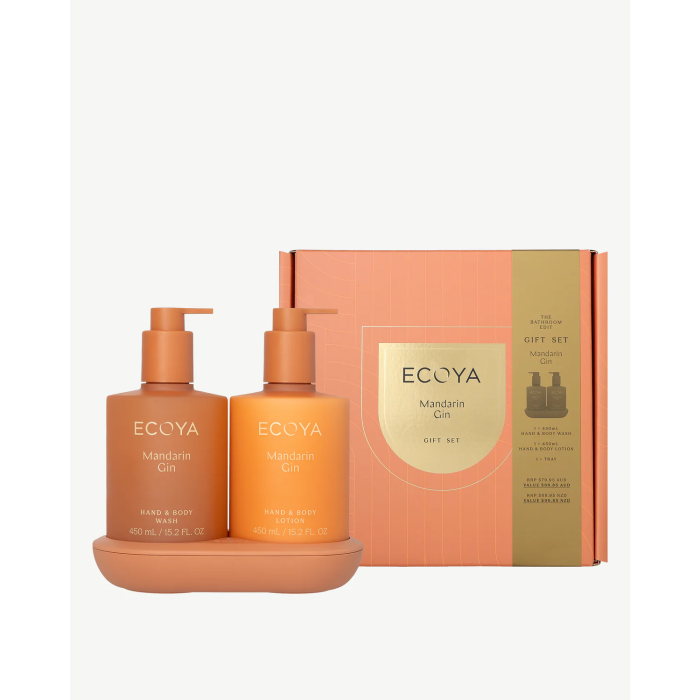
Ecoya Ecoya The Bathroom Edit - Mandarin Gin
Ecoya

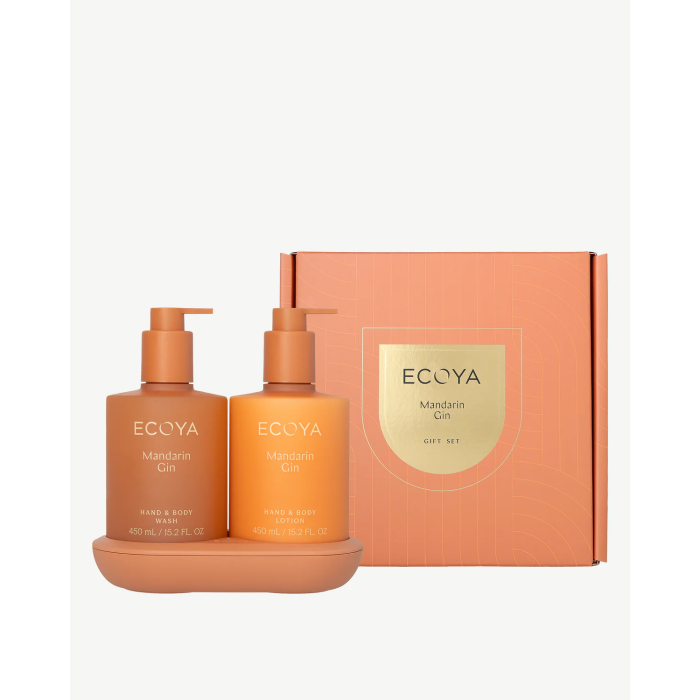
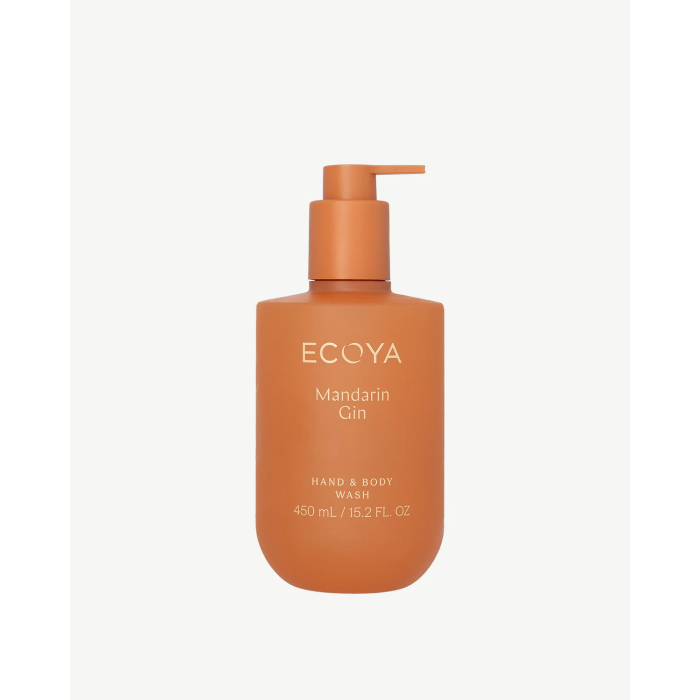
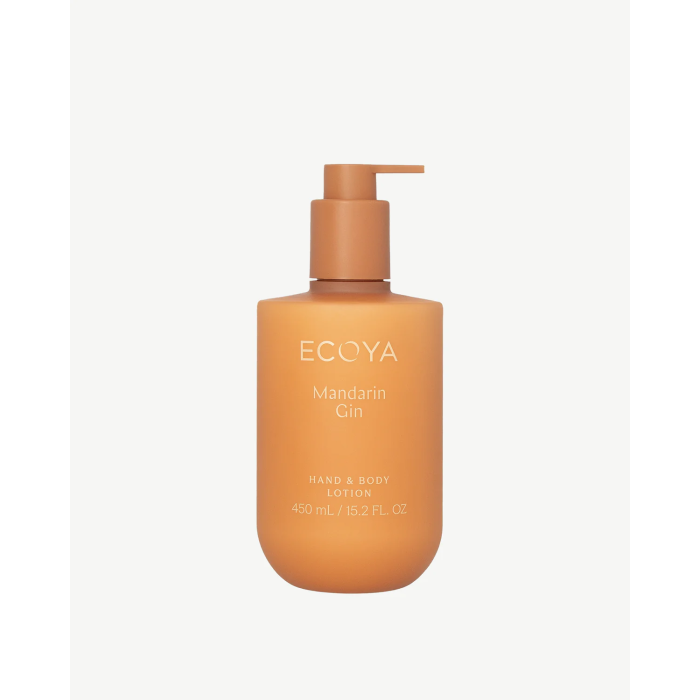
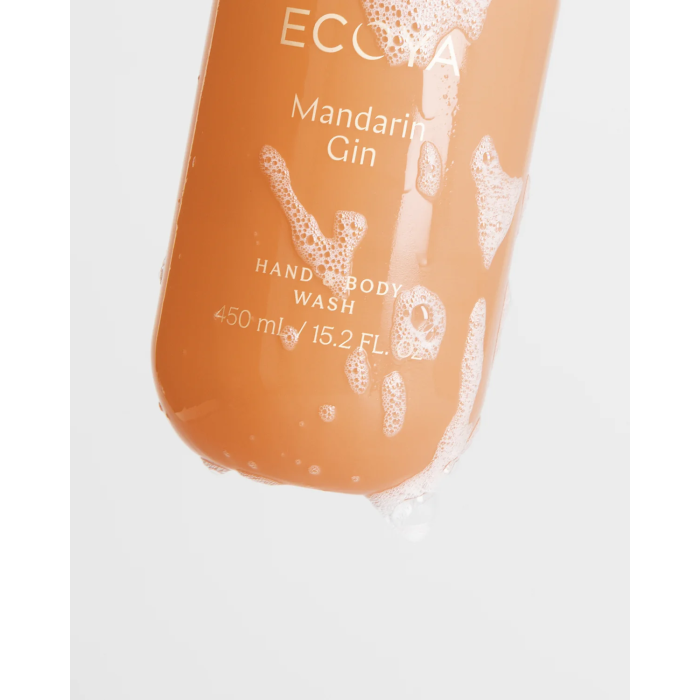
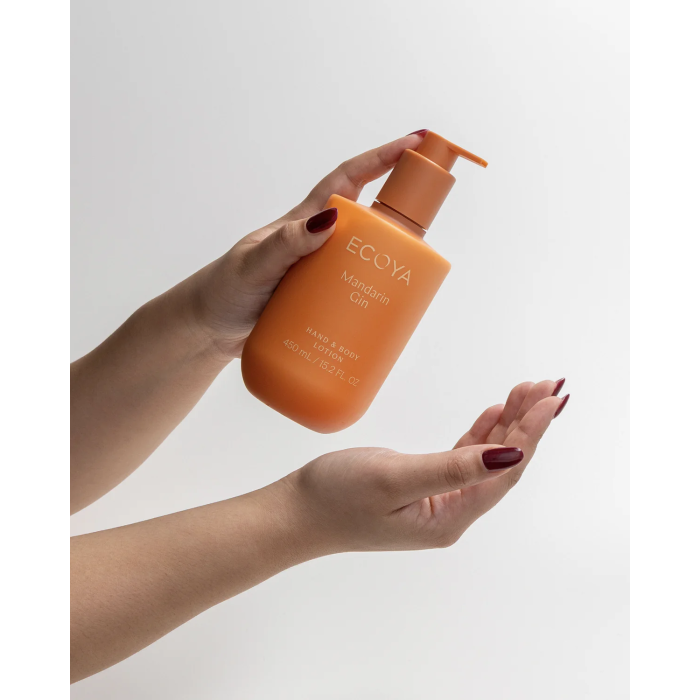
The Bathroom Edit - Mandarin Gin

$79.95
Only 0 remaining in stock!
Notify When Back In Stock Enter your email to be notified as soon as this item is available to order.
  • Delivery
  • Click & Collect
In Stock - Free Shipping
Estimated delivery: %s - %s

Free Click and collect is available at checkout. Orders are ready within 1 hour during opening hours. Store Address: 56 Parer Rd, Airport West, VIC Australia 3042 Phone (03) 9999 5902

L'Originale Eau De Parfum Gift
Moroccanoil L'Originale Eau De Parfum 1.5ml
When you spend $129+ sitewide
Why You’ll love it
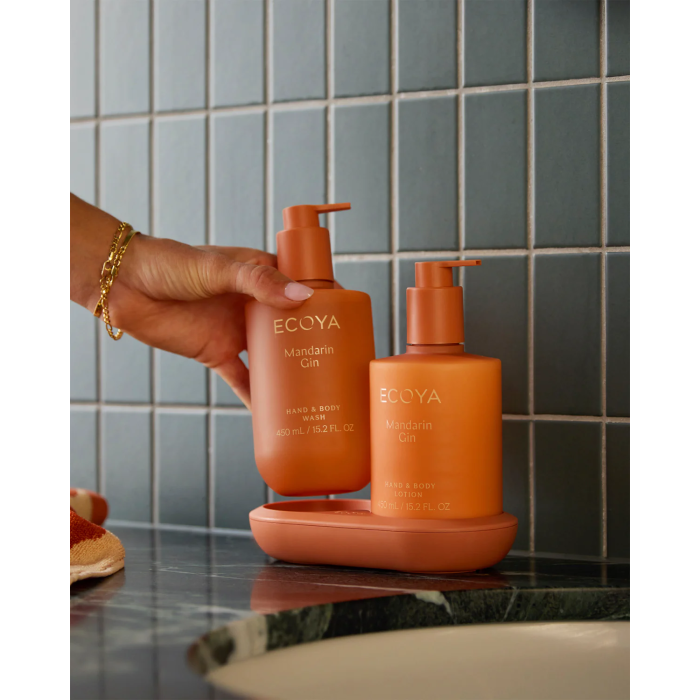
Includes wash, lotion and display tray
Bright, fruity Mandarin Gin fragrance
Helps cleanse, soften and scent skin
Ideal for bathroom styling or gifting.
Description
Read more
Directions
Ingredients
  • Aqua Solvents
    Solvent

    The water base that carries and dissolves the other ingredients in most products.

    May suit

    All hair and skin types.

    Worth knowing

    Almost always the first ingredient listed in water-based products.

  • Lauryl Glucoside Cleansers / surfactants
    Mild surfactant

    A gentle, plant-derived surfactant used to cleanse hair and help products foam.

    May suit

    Those looking for mild cleansing, including people with sensitive scalps or dry hair.

    Worth knowing

    It is part of the alkyl glucoside family, known for creating a soft, low-irritation lather. It is often blended with other surfactants to balance foam and cleansing strength.

  • Parfum Fragrance ingredients
    Fragrance

    Gives the product its scent.

    May suit

    People who enjoy a scented product.

    Worth knowing

    Fragrance preference is personal. Some people prefer fragrance-free formulas by choice.

  • Phenoxyethanol Preservatives
    Preservative

    Helps keep the product stable and pleasant to use after opening.

    May suit

    All products that need protecting from spoilage.

    Worth knowing

    A very common, well-studied preservative used at low levels.

  • Citric Acid pH adjusters
    pH adjuster

    Fine-tunes the product pH, which can help the hair surface feel smooth.

    May suit

    Most hair types as part of a balanced formula.

    Worth knowing

    Usually present in small amounts to balance the formula.

  • Sodium Chloride Thickeners and stabilisers
    Viscosity adjuster

    Sodium Chloride is used to adjust the thickness of shampoos and other cleansing formulas.

    May suit

    Those interested in how a product’s texture and lather are achieved.

    Worth knowing

    It is a simple mineral salt that helps create a familiar shampoo feel and can influence how a cleanser spreads through the hair.

  • Ethylhexylglycerin Preservatives
    Preservative booster

    Helps support the preservation system and can provide mild skin-conditioning benefits.

    May suit

    Those interested in gentle preservation systems or sensitive scalps may find it relevant.

    Worth knowing

    It is often paired with other preservatives to improve their effectiveness while allowing for lower usage levels. It also has light moisturising and conditioning properties.

  • Cocos Nucifera Oil Oils and butters
    Conditioning oil

    A rich oil that softens and conditions the hair and can reduce moisture loss.

    May suit

    Dry, coarse or thick hair that likes richer oils.

    Worth knowing

    Suits some hair types more than others, and a little usually goes a long way.

  • Macadamia Integrifolia Seed Oil Oils and butters
    Nourishing oil

    A lightweight plant oil that helps condition and smooth the hair.

    May suit

    Those looking to add softness, shine or manageability to dry or coarse hair.

    Worth knowing

    It is rich in fatty acids that can support suppleness and reduce the feel of dryness in both hair and scalp. It is commonly used in hair oils, masks and conditioners.

  • Citral Fragrance ingredients
    Fragrance component

    Citral is a fragrance ingredient used to provide a fresh, citrus-like scent.

    May suit

    Those who enjoy citrus-style fragrances or want products with a fresh aromatic profile.

    Worth knowing

    Citral is naturally present in several essential oils and is listed on labels because it is a recognised fragrance allergen. Only small amounts are typically used to adjust or enhance a product’s scent.

  • Citronellol Fragrance ingredients
    Fragrance component

    A fragrance component with a soft floral, rose-like character.

    Worth knowing

    A fragrance component that must be listed separately on labels because a minority of people can be sensitive to it. Its presence is normal, required disclosure and is not a quality signal.

  • Citrus Aurantium Amara (Bitter Orange) Peel Oil Fragrance ingredients
    Fragrance oil

    A citrus essential oil used to add a fresh, aromatic note to haircare products.

    May suit

    Those who enjoy naturally derived citrus fragrances.

    Worth knowing

    As an essential oil, it contributes scent and may also offer a light refreshing feel in formulations. It can naturally contain trace levels of common fragrance allergens, which are listed separately on ingredient labels when present above threshold levels.

  • Hexyl Cinnamal Fragrance ingredients
    Fragrance component

    A fragrance ingredient used to give products a light, floral scent.

    May suit

    Those who enjoy subtly scented haircare products.

    Worth knowing

    It is one of the fragrance components that must be listed separately when present above certain levels. People with known fragrance sensitivities may choose to monitor for it.

  • Limonene Fragrance ingredients
    Fragrance component

    A fragrance component that also occurs naturally in many citrus and plant oils.

    Worth knowing

    A fragrance component that must be listed separately on labels because a minority of people can be sensitive to it. Its presence is normal, required disclosure and is not a quality signal.

  • Aqua Solvents
    Solvent

    The water base that carries and dissolves the other ingredients in most products.

    May suit

    All hair and skin types.

    Worth knowing

    Almost always the first ingredient listed in water-based products.

  • Cetearyl Alcohol Conditioning agents
    Fatty alcohol conditioner

    A fatty alcohol that helps soften hair and improve the texture of formulations.

    May suit

    People looking for smoother, more manageable hair or richer, creamier product textures.

    Worth knowing

    Despite the name, fatty alcohols are moisturising and conditioning rather than drying. They also help stabilise and thicken many haircare formulas.

  • Caprylic/Capric Triglyceride Oils and butters
    Lightweight emollient

    A lightweight emollient that helps soften and smooth the hair without heaviness.

    May suit

    Those wanting conditioning benefits that do not weigh hair down, including fine or easily-greasy hair types.

    Worth knowing

    It is commonly derived from coconut oil and glycerin and is valued for its silky, non-greasy feel. It is widely used in both skincare and haircare for its gentle, versatile performance.

  • Prunus Amygdalus Dulcis Oil Oils and butters
    Nourishing plant oil

    A lightweight plant oil that helps condition and soften the hair.

    May suit

    Those seeking added softness, shine, or help with dry or coarse hair.

    Worth knowing

    It is commonly used in haircare for its smooth, silky feel and its ability to support moisture retention. It is generally well tolerated by most hair types.

  • Glycerin Humectants
    Humectant

    Attracts and holds water to help hair feel hydrated and soft.

    May suit

    Dry or dehydrated hair, and many curl and moisture routines.

    Worth knowing

    A very common, well-tolerated humectant used across countless products.

  • Glyceryl Stearate SE Thickeners and stabilisers
    Emulsifier and stabiliser

    Helps blend oil- and water-based ingredients and adds a smooth, conditioned feel to hair products.

    May suit

    Those who prefer creamy, stable formulations that offer light conditioning.

    Worth knowing

    It is a self-emulsifying form of glyceryl stearate, commonly used to create uniform textures in creams and conditioners. It can also contribute mild softness to the hair fibre.

  • Palmitic Acid Thickeners and stabilisers
    Emollient / thickener

    Palmitic Acid helps give products a smooth, creamy texture while adding light softness to the hair.

    May suit

    Those looking for formulas with added slip and a richer feel may appreciate its presence.

    Worth knowing

    It is a naturally occurring fatty acid found in many plant and animal oils and is commonly used to stabilise and thicken cosmetic formulations.

  • Parfum Fragrance ingredients
    Fragrance

    Gives the product its scent.

    May suit

    People who enjoy a scented product.

    Worth knowing

    Fragrance preference is personal. Some people prefer fragrance-free formulas by choice.

  • Cocos Nucifera Oil Oils and butters
    Conditioning oil

    A rich oil that softens and conditions the hair and can reduce moisture loss.

    May suit

    Dry, coarse or thick hair that likes richer oils.

    Worth knowing

    Suits some hair types more than others, and a little usually goes a long way.

  • Stearic Acid Thickeners and stabilisers
    Thickener and stabiliser

    A fatty acid that helps thicken and stabilise formulations while adding a soft, conditioned feel.

    May suit

    Those who prefer richer, creamier textures in conditioners and styling products.

    Worth knowing

    It is commonly used to give products structure and improve spreadability. It can be derived from plant or animal sources, with most haircare brands typically using plant-based forms.

  • Phenoxyethanol Preservatives
    Preservative

    Helps keep the product stable and pleasant to use after opening.

    May suit

    All products that need protecting from spoilage.

    Worth knowing

    A very common, well-studied preservative used at low levels.

  • Potassium Sorbate Preservatives
    Preservative

    Helps keep haircare formulas stable by preventing the growth of microbes.

    May suit

    Anyone who uses water-based products that benefit from reliable preservation.

    Worth knowing

    It is commonly used alongside other preservation systems to maintain product freshness and extend shelf life. It is generally well tolerated in rinse-off and leave-in products.

  • Cetearyl Glucoside Cleansers / surfactants
    Mild surfactant and emulsifier

    A gentle, plant-derived surfactant and emulsifier that helps blend oil and water and supports smooth product textures.

    May suit

    Those looking for mild cleansing or lightweight conditioning in shampoos, conditioners, and leave‑ins.

    Worth knowing

    It is commonly paired with fatty alcohols to create stable, creamy formulations. It contributes to slip and spreadability without weighing hair down.

  • Macadamia Integrifolia Seed Oil Oils and butters
    Nourishing oil

    A lightweight plant oil that helps condition and smooth the hair.

    May suit

    Those looking to add softness, shine or manageability to dry or coarse hair.

    Worth knowing

    It is rich in fatty acids that can support suppleness and reduce the feel of dryness in both hair and scalp. It is commonly used in hair oils, masks and conditioners.

  • Ethylhexylglycerin Preservatives
    Preservative booster

    Helps support the preservation system and can provide mild skin-conditioning benefits.

    May suit

    Those interested in gentle preservation systems or sensitive scalps may find it relevant.

    Worth knowing

    It is often paired with other preservatives to improve their effectiveness while allowing for lower usage levels. It also has light moisturising and conditioning properties.

  • Tocopheryl Acetate Conditioning agents
    Antioxidant and conditioning support

    A stable form of vitamin E used to help condition hair and support product stability.

    May suit

    Those looking for added conditioning support or antioxidant benefits in their haircare.

    Worth knowing

    It is commonly used because it is more stable than pure vitamin E while still offering similar benefits. It appears in many leave-in and rinse-off formulations.

  • Sodium Hydroxide pH adjusters
    pH adjuster

    Helps control and stabilise the pH of haircare formulations.

    May suit

    Those interested in how product pH affects scalp comfort or hair cuticle behaviour.

    Worth knowing

    It is used in very small amounts to bring a formula to the desired pH range. Once adjusted, it does not act as a strong alkaline agent in the finished product.

  • Lauric Acid Conditioning agents
    Emollient fatty acid

    Lauric Acid is a saturated fatty acid that helps soften and smooth hair.

    May suit

    Those looking for conditioning support or richer, more emollient formulas.

    Worth knowing

    It is naturally found in coconut and palm-derived oils and is commonly used to enhance texture and conditioning performance in haircare products.

  • Myristic Acid Thickeners and stabilisers
    Fatty acid / texture enhancer

    A fatty acid that helps thicken and stabilise formulations while adding a soft, conditioned feel.

    May suit

    Those looking for products with a creamier texture or added softness in conditioning formulas.

    Worth knowing

    Myristic Acid is commonly used in both skincare and haircare to improve texture and support emulsification. It can also contribute mild cleansing properties in some formulations.

  • Aloe Barbadensis Leaf Extract Botanical extracts
    Soothing botanical extract

    Aloe vera extract helps hydrate and soothe the hair and scalp.

    May suit

    Those looking for lightweight hydration or gentle scalp comfort.

    Worth knowing

    Aloe extracts are widely used for their moisturising and calming properties in both hair and skin products.

  • Citral Fragrance ingredients
    Fragrance component

    Citral is a fragrance ingredient used to provide a fresh, citrus-like scent.

    May suit

    Those who enjoy citrus-style fragrances or want products with a fresh aromatic profile.

    Worth knowing

    Citral is naturally present in several essential oils and is listed on labels because it is a recognised fragrance allergen. Only small amounts are typically used to adjust or enhance a product’s scent.

  • Citronellol Fragrance ingredients
    Fragrance component

    A fragrance component with a soft floral, rose-like character.

    Worth knowing

    A fragrance component that must be listed separately on labels because a minority of people can be sensitive to it. Its presence is normal, required disclosure and is not a quality signal.

  • Citrus Aurantium Amara (Bitter Orange) Peel Oil Fragrance ingredients
    Fragrance oil

    A citrus essential oil used to add a fresh, aromatic note to haircare products.

    May suit

    Those who enjoy naturally derived citrus fragrances.

    Worth knowing

    As an essential oil, it contributes scent and may also offer a light refreshing feel in formulations. It can naturally contain trace levels of common fragrance allergens, which are listed separately on ingredient labels when present above threshold levels.

  • Hexyl Cinnamal Fragrance ingredients
    Fragrance component

    A fragrance ingredient used to give products a light, floral scent.

    May suit

    Those who enjoy subtly scented haircare products.

    Worth knowing

    It is one of the fragrance components that must be listed separately when present above certain levels. People with known fragrance sensitivities may choose to monitor for it.

  • Limonene Fragrance ingredients
    Fragrance component

    A fragrance component that also occurs naturally in many citrus and plant oils.

    Worth knowing

    A fragrance component that must be listed separately on labels because a minority of people can be sensitive to it. Its presence is normal, required disclosure and is not a quality signal.

  • Linalool Fragrance ingredients
    Fragrance component

    A fragrance component found naturally in many flowers and spices.

    Worth knowing

    A fragrance component that must be listed separately on labels because a minority of people can be sensitive to it. Its presence is normal, required disclosure and is not a quality signal.

  • Pinene Fragrance ingredients
    Fragrance component

    Pinene is a fragrance ingredient that imparts a fresh, pine-like aroma to haircare products.

    May suit

    Those who enjoy crisp, outdoorsy fragrance notes in their hair products.

    Worth knowing

    It occurs naturally in many essential oils, especially pine and conifer sources. In formulations it is used mainly for its scent rather than for hair-conditioning effects.

  • Rose Ketones Fragrance ingredients
    Fragrance component

    Provides a rose‑like scent nuance to haircare formulations.

    May suit

    Those who enjoy floral or rose‑inspired fragrance profiles in their hair products.

    Worth knowing

    Rose ketones are aromatic compounds used by perfumers to create sophisticated floral notes. They are typically present in very small amounts to enhance overall scent character.

Questions and Answers

Questions and Answers

Write A Question
Name
E-mail
Your Question
Reviews
Write a review
Your evaluation
Name
E-mail
Your Review
Find your product in seconds!
Haircare
Skincare
Makeup