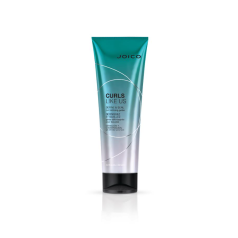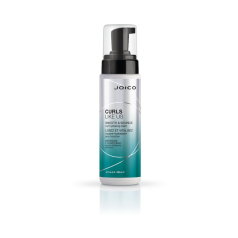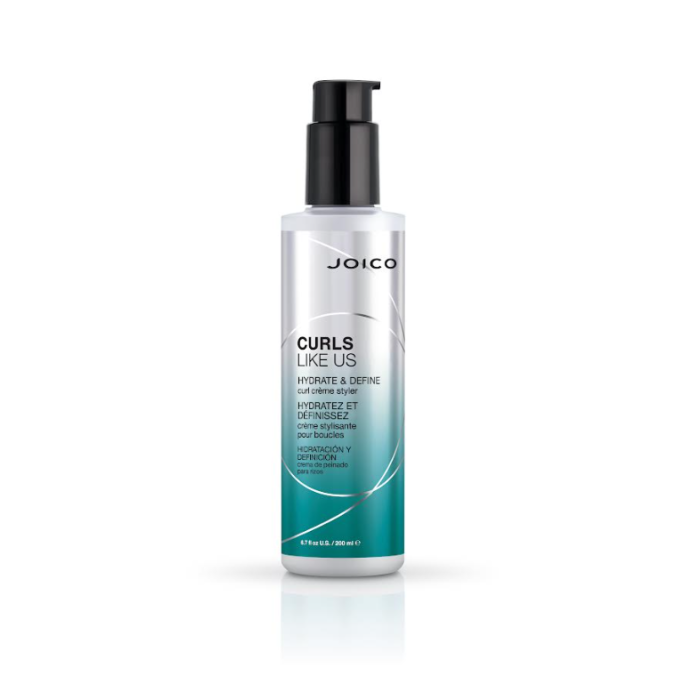
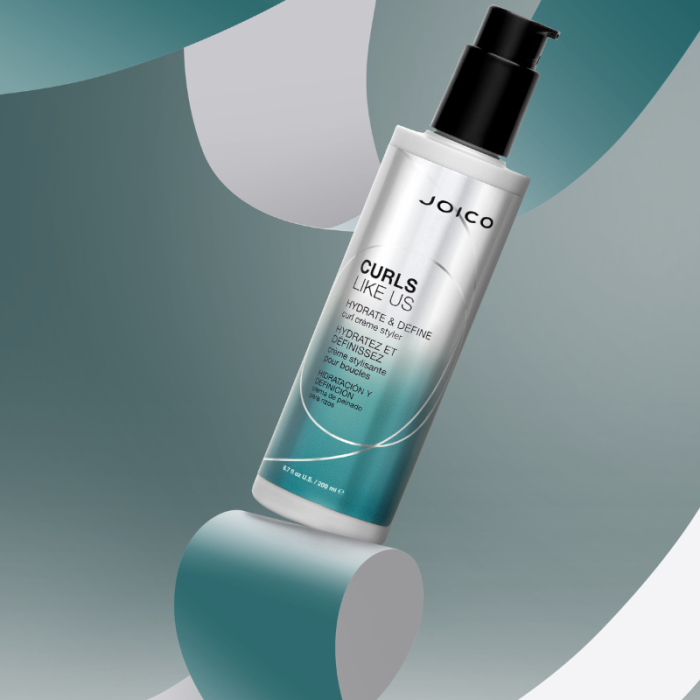
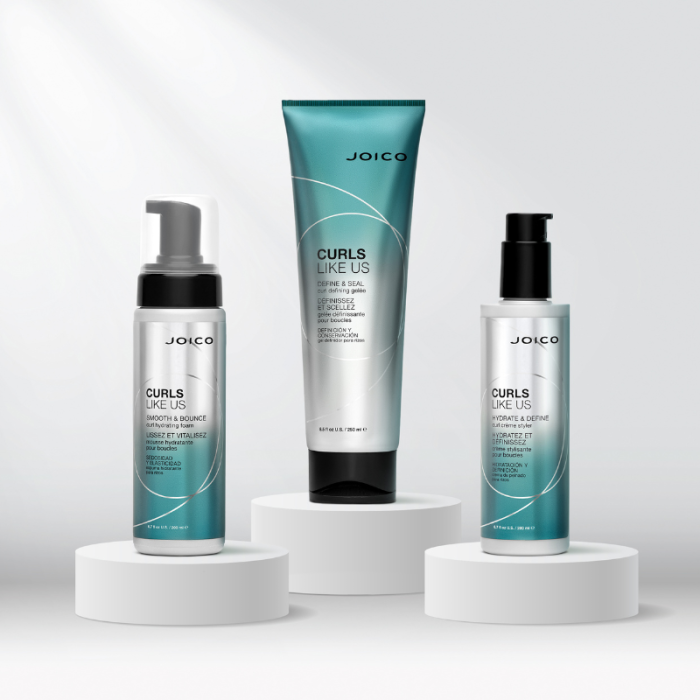
Curls Like Us Hydrate & Define Curl Crème Styler 200ml
-
Delivery
-
Click & Collect
Free Click and collect is available at checkout. Orders are ready within 1 hour during opening hours. Store Address: 56 Parer Rd, Airport West, VIC Australia 3042 Phone (03) 9999 5902
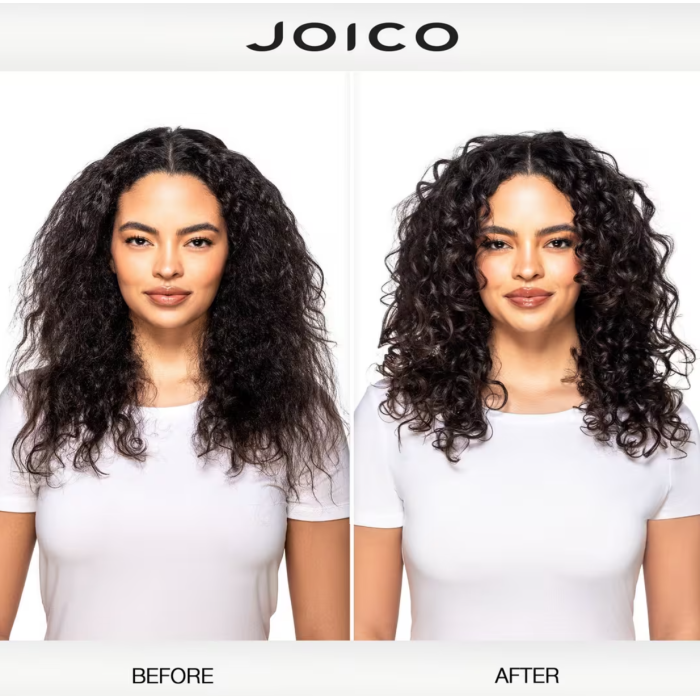
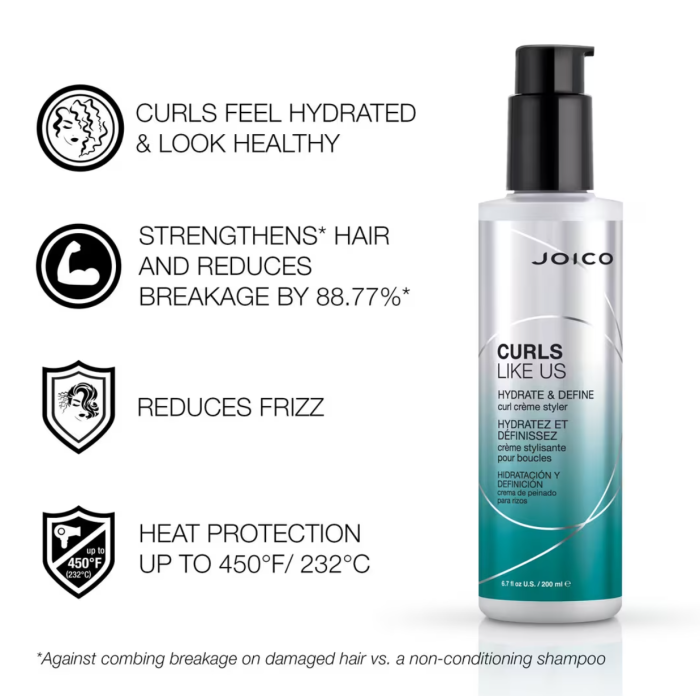
Joico Curls Like Us Hydrate & Define Curl Crème Styler softens curls while boosting touchable definition.
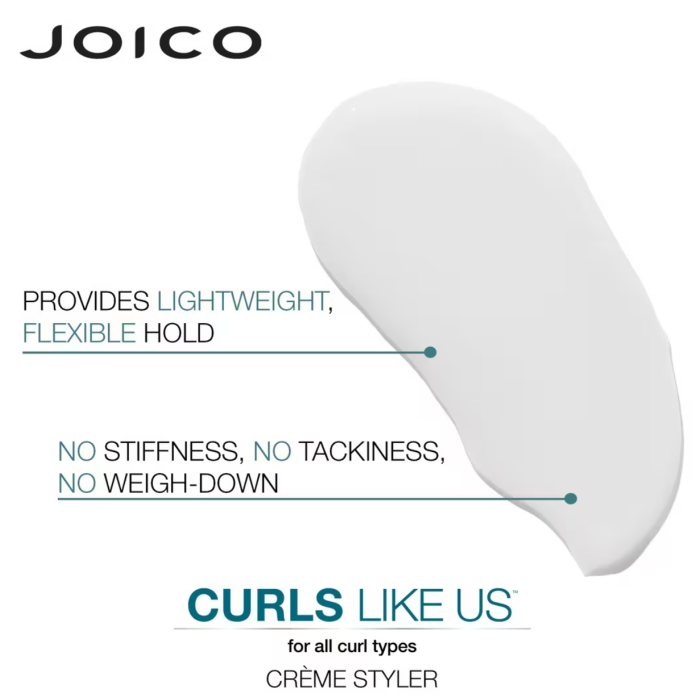
This creamy styler wraps each strand in lightweight moisture, helping curls spring into shape without crispiness or crunch. As you smooth it through damp hair, the texture feels silky and rich, then dries to a flexible, frizz-resistant finish.
A soft, salon-fresh scent makes styling feel like a small ritual rather than a chore. Ideal for wavy, curly, and coily hair that feels dry, puffy, or easily tangled, it works beautifully for wash days or quick next-day refreshes.
Hair looks more defined, feels smoother, and moves easily, so curls stay bouncy, glossy, and easier to manage from morning to night.
How To Use Joico Curls Like Us Hydrate & Define Curl Crème Styler
- Work on clean, damp hair for best curl definition.
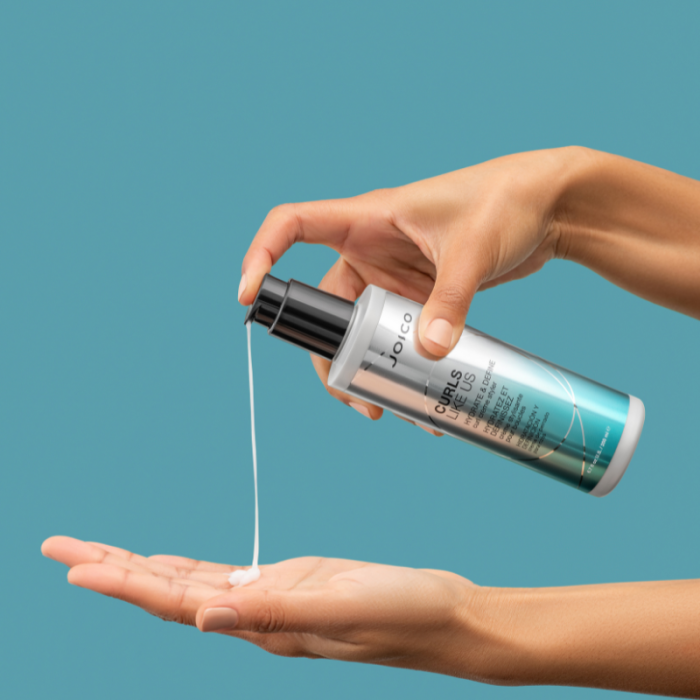
- Start with a small amount in your palms.
- Apply evenly from mid-lengths to ends, then move toward roots.
- Scrunch curls upward to encourage shape and bounce.
- Air-dry or diffuse on low heat without touching too much.
- Use a pea-sized amount on dry hair to smooth frizz and refresh.
Joico Curls Like Us Hydrate & Define Curl Crème Styler Ingredients
Water (Aqua/Eau), Cetearyl Alcohol, Isopropyl Myristate, Glycerin, Behentrimonium Chloride, Stearamidopropyl Dimethylamine, Cetyl Esters, Cetrimonium Chloride, Amodimethicone, C11-15 Pareth-7, Laureth-9, Trideceth-12, Polyquaternium-37, Propylene Glycol Dicaprylate/Dicaprate, PPG-1 Trideceth-6, Phenoxyethanol, Caprylyl Glycol, Benzoic Acid, Fragrance (Parfum), Lactic Acid, Disodium EDTA, Hydrolyzed Keratin, Hydrolyzed Rice Protein, Tocopherol, Panthenol, Butylene Glycol, Hexyl Cinnamal, Limonene, Linalool.
Note: Please refer to bottle for full ingredients.
-
Aqua SolventsSolvent
The water base that carries and dissolves the other ingredients in most products.
May suitAll hair and skin types.
Worth knowingAlmost always the first ingredient listed in water-based products.
-
Cetearyl Alcohol Conditioning agentsFatty alcohol conditioner
A fatty alcohol that helps soften hair and improve the texture of formulations.
May suitPeople looking for smoother, more manageable hair or richer, creamier product textures.
Worth knowingDespite the name, fatty alcohols are moisturising and conditioning rather than drying. They also help stabilise and thicken many haircare formulas.
-
Isopropyl Myristate Conditioning agentsEmollient and texture enhancer
Helps soften hair and improve slip by adding light, non-greasy conditioning.
May suitThose looking for smoother-feeling hair or products that apply and spread easily.
Worth knowingIt is a lightweight ester often used to reduce greasiness and enhance the feel of conditioning formulas. It can also support fragrance and oil distribution within a product.
-
Glycerin HumectantsHumectant
Attracts and holds water to help hair feel hydrated and soft.
May suitDry or dehydrated hair, and many curl and moisture routines.
Worth knowingA very common, well-tolerated humectant used across countless products.
-
Behentrimonium Chloride Conditioning agentsConditioning agent
A conditioning agent that helps detangle and soften, reducing static and roughness.
May suitMost hair types, especially tangle-prone or coarse hair.
Worth knowingA common conditioner ingredient despite the chloride name, which simply describes its chemistry.
-
Stearamidopropyl Dimethylamine Conditioning agentsHair conditioning agent
A conditioning agent that helps smooth and soften the hair.
May suitThose looking for improved slip, manageability and reduced static, especially in dry or textured hair.
Worth knowingIt is often paired with fatty acids to enhance conditioning performance and provide a softer feel. It also helps detangle without weighing hair down.
-
Cetyl Esters Conditioning agentsEmollient / slip enhancer
Provides slip and softness while helping to smooth the hair’s surface.
May suitPeople looking for smoother, more manageable hair textures.
Worth knowingCetyl esters are wax‑like emollients that improve product spreadability and give a soft, conditioned feel. They are commonly used to enhance texture without heaviness.
-
Cetrimonium Chloride Conditioning agentsConditioning agent
A conditioning agent that helps smooth and soften the hair while reducing static and tangles.
May suitPeople looking for improved manageability, detangling and smoother-feeling hair.
Worth knowingIt is a commonly used quaternary ammonium compound that helps conditioners spread easily through the hair. It is effective even at low levels, which is why it appears frequently in rinse-off products.
-
Amodimethicone SiliconesConditioning silicone
A conditioning silicone that targets rougher areas of the hair to smooth and protect.
May suitDamaged, frizz-prone or colour-treated hair wanting targeted smoothing.
Worth knowingDesigned to deposit where hair needs it most. Some prefer silicone-free formulas by choice.
-
C11-15 Pareth-7 Cleansers / surfactantsNon-ionic surfactant
A non-ionic surfactant that helps cleanse and allows oil and water to mix evenly.
May suitThose looking for effective yet mild cleansing or improved product spreadability.
Worth knowingIt is commonly used in shampoos and styling products to support gentle cleansing and stable formulations. Non-ionic surfactants like this are valued for being versatile in different formula types.
-
Laureth-9 Cleansers / surfactantsSurfactant and emulsifier
Laureth-9 helps blend oil and water components and provides light cleansing or solubilising action.
May suitThose looking for products that spread evenly or contain stable blends of oils and water-based ingredients.
Worth knowingIt is a versatile non-ionic surfactant often used at low levels to support product texture and stability. It can also assist with foaming and rinse-off performance.
-
Trideceth-12 Cleansers / surfactantsNonionic surfactant and solubiliser
Helps blend oil‑based and water‑based ingredients and provides gentle cleansing action.
May suitThose using products that need light cleansing or stable blends of oils, silicones, or fragrances.
Worth knowingIt is commonly used to solubilise fragrance or silicone ingredients in shampoos and treatments. Its mild, nonionic nature means it typically works well alongside other surfactants.
-
Polyquaternium-37 Conditioning agentsFilm-forming conditioner
A conditioning polymer that helps smooth the hair and improve manageability.
May suitThose looking for softer, more manageable hair or extra slip in styling products.
Worth knowingIt forms a lightweight film on the hair to reduce static and enhance glide without leaving heavy residue. It is commonly used in both rinse-off and leave-in formulas.
-
Propylene Glycol Dicaprylate/Dicaprate Oils and buttersLightweight emollient
A light, fast‑absorbing emollient ester that helps soften hair and improve slip.
May suitThose wanting a non-greasy conditioning feel or improved spreadability in styling products.
Worth knowingIt is commonly used to give formulas a smooth, silky texture without heaviness. Often found in conditioners, serums and creams where a lightweight finish is desired.
-
PPG-1 Trideceth-6 Cleansers / surfactantsSolubiliser / surfactant
A solubilising surfactant that helps blend oily and watery ingredients into a uniform formula.
May suitThose looking for products with stable, evenly blended textures or clear formulations.
Worth knowingIt is commonly used in both haircare and skincare to help disperse fragrance oils or conditioning agents evenly. It also supports the overall texture and consistency of a formula.
-
Phenoxyethanol PreservativesPreservative
Helps keep the product stable and pleasant to use after opening.
May suitAll products that need protecting from spoilage.
Worth knowingA very common, well-studied preservative used at low levels.
-
Caprylyl Glycol HumectantsHumectant
Helps attract and hold moisture in hair and scalp while supporting product stability.
May suitThose looking for added hydration or smoother-feeling hair.
Worth knowingIt is also commonly used as a preservative booster to help maintain formula freshness. It is well tolerated in most haircare products.
-
Benzoic Acid PreservativesPreservative
Helps protect haircare products by supporting the preservation system and maintaining formula stability.
May suitThose who want products that remain fresh and effective throughout their shelf life.
Worth knowingBenzoic Acid is often used alongside other preservatives to create a broad-spectrum system. It also plays a minor role in helping maintain a product’s pH balance.
-
Parfum Fragrance ingredientsFragrance
Gives the product its scent.
May suitPeople who enjoy a scented product.
Worth knowingFragrance preference is personal. Some people prefer fragrance-free formulas by choice.
-
Lactic Acid pH adjusterspH adjuster
Helps adjust and maintain the product’s pH for optimal performance.
May suitThose looking for formulas that help smooth the cuticle or gently refine the scalp surface.
Worth knowingLactic Acid can also provide mild hydrating and smoothing benefits in haircare. Its pH-balancing role helps support product stability and performance.
-
Disodium EDTA Chelating agentsChelating agent
Binds to minerals from hard water so the product works consistently and stays stable.
May suitAll products, especially in hard-water areas.
Worth knowingUsed in tiny amounts to keep formulas performing reliably.
-
Hydrolyzed Keratin Proteins and amino acidsProtein
Helps temporarily support and smooth the hair surface for a stronger feel.
May suitDamaged, chemically treated or fragile hair wanting reinforcement.
Worth knowingProtein routines suit some hair well, while very protein-sensitive hair may prefer balance with moisture.
-
Hydrolysed Rice Protein Proteins and amino acidsStrengthening protein
A plant-derived protein that helps reinforce and condition the hair.
May suitPeople looking to support hair strength, smoothness or light-volume effects.
Worth knowingIt can help improve the feel of damaged or fine hair without the weight of some heavier proteins.
-
Tocopherol PreservativesAntioxidant
An antioxidant that helps support product stability and can provide conditioning benefits to hair.
May suitThose wanting added nourishment or antioxidant support in their haircare routine.
Worth knowingTocopherol is commonly included to help protect oils in a formula from oxidising and to offer light conditioning benefits. It is widely used in both skincare and haircare products.
-
Panthenol Conditioning agentsConditioning agent
Helps condition, soften and add a smooth, healthy feel to the hair.
May suitMost hair types, especially dry or dull hair.
Worth knowingA versatile, well-tolerated conditioning ingredient.
-
Butylene Glycol HumectantsHumectant and solvent
Butylene Glycol helps attract and hold moisture while improving the spreadability of hair products.
May suitThose looking for hydrated, smoother-feeling hair or lighter-feeling formulations.
Worth knowingIt is commonly used to help ingredients dissolve and to give formulas a soft, glide-on texture. It appears in many leave-in and rinse-off products due to its versatility.
-
Hexyl Cinnamal Fragrance ingredientsFragrance component
A fragrance ingredient used to give products a light, floral scent.
May suitThose who enjoy subtly scented haircare products.
Worth knowingIt is one of the fragrance components that must be listed separately when present above certain levels. People with known fragrance sensitivities may choose to monitor for it.
-
Limonene Fragrance ingredientsFragrance component
A fragrance component that also occurs naturally in many citrus and plant oils.
Worth knowingA fragrance component that must be listed separately on labels because a minority of people can be sensitive to it. Its presence is normal, required disclosure and is not a quality signal.
-
Linalool Fragrance ingredientsFragrance component
A fragrance component found naturally in many flowers and spices.
Worth knowingA fragrance component that must be listed separately on labels because a minority of people can be sensitive to it. Its presence is normal, required disclosure and is not a quality signal.