Limited edition
Joico

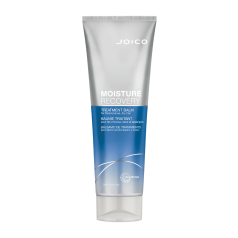
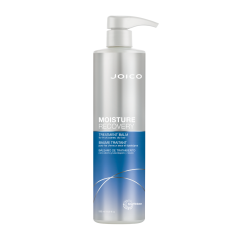
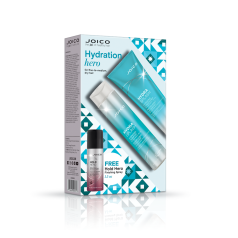
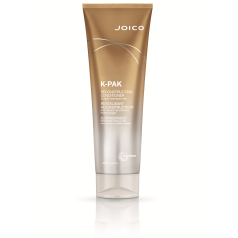
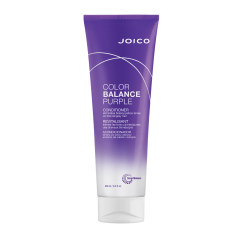
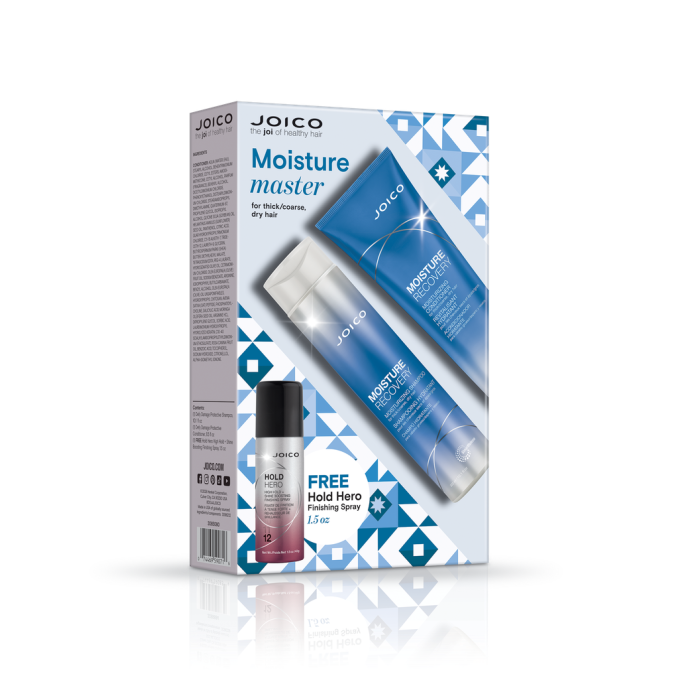
Moisture Recovery Duo - Deep Moisture Replenishment

$43.96
Only 0 remaining in stock!
Sold Out. This product is no longer available.
  • Delivery
  • Click & Collect

Free Click and collect is available at checkout. Orders are ready within 1 hour during opening hours. Store Address: 56 Parer Rd, Airport West, VIC Australia 3042 Phone (03) 9999 5902

Artists & Models Oval Styling Brush Gift
FREE Brushworx Oval Styling Brush
Valued at $29.95, free with all orders over $129.
Why You’ll love it
Moisturizing & Hydrating
Cruelty Free
PETA Approved
Valued at $79.90
Deeply hydrates dry hair
Restores softness and manageability
Reduces frizz and breakage
Leaves hair smooth and shiny
Description
Read more
Directions
Ingredients
  • Water (Aqua) Solvents
    Solvent

    Water acts as the main solvent that dissolves and distributes other ingredients in a formula.

    May suit

    Anyone using liquid haircare products, as water is a core component.

    Worth knowing

    It helps create a workable texture and allows surfactants, conditioners and other actives to perform effectively.

  • Sodium Laureth Sulfate Cleansers / surfactants
    Cleanser

    Helps cleanse the hair and scalp by removing oil, sweat and product build-up.

    May suit

    Oily scalps, heavy product users and people who like a strong cleanse.

    Worth knowing

    May feel too cleansing for some dry, curly, colour-treated or sensitive hair types. This depends on the full formula and your hair needs.

  • Cocamidopropyl Betaine Cleansers / surfactants
    Cleanser / foam booster

    A milder co-surfactant that helps cleanse, boost foam and soften the feel of stronger cleansers.

    May suit

    Most hair types, including those wanting a gentler wash.

    Worth knowing

    Often paired with other surfactants to make a formula feel milder.

  • Dipropylene Glycol Humectants
    Humectant

    A versatile humectant that helps attract and hold moisture while improving product texture and spreadability.

    May suit

    Those looking for products that support moisture balance without heaviness.

    Worth knowing

    It is also commonly used as a solvent to help dissolve other ingredients evenly in a formula. It is well tolerated in most haircare products and contributes to a smooth application feel.

  • Glycol Distearate Thickeners and stabilisers
    Opacifier and pearlising agent

    Adds a pearlescent look and helps thicken and stabilise shampoos and conditioners.

    May suit

    Those who like creamy, luxurious-feeling shampoo or conditioner textures.

    Worth knowing

    It also provides a mild conditioning feel, helping formulas spread smoothly through the hair. Its use is common in many everyday cleansing products.

  • Sodium Methyl Cocoyl Taurate Cleansers / surfactants
    Mild surfactant

    A gentle, coconut‑derived surfactant that helps cleanse hair and create a soft lather.

    May suit

    Those looking for a mild cleansing option that supports a gentle shampoo feel.

    Worth knowing

    It is often used to provide a balanced cleanse without leaving hair feeling stripped. Its texture and lather profile make it popular in modern, gentle shampoo formulas.

  • Cocamide MEA Cleansers / surfactants
    Foam booster / co-surfactant

    Helps boost lather and support cleansing performance in shampoos.

    May suit

    Those who prefer shampoos with a richer, creamier foam.

    Worth knowing

    It is made from fatty acids derived from coconut oil and monoethanolamine and is commonly used to stabilise foam and improve texture. It can also help thicken surfactant-based formulas.

  • Sorbitol Humectants
    Moisture-binding humectant

    Sorbitol helps attract and retain moisture in hair and scalp.

    May suit

    Those with dry or dehydrated hair types looking for extra moisture retention.

    Worth knowing

    It is a sugar-derived ingredient often used alongside other moisturisers to improve hair softness and manageability. It can also support product texture and stability.

  • Hydrolyzed Keratin Proteins and amino acids
    Protein

    Helps temporarily support and smooth the hair surface for a stronger feel.

    May suit

    Damaged, chemically treated or fragile hair wanting reinforcement.

    Worth knowing

    Protein routines suit some hair well, while very protein-sensitive hair may prefer balance with moisture.

  • Cocodimonium Hydroxypropyl Hydrolyzed Keratin Conditioning agents
    Conditioning protein

    A cationic keratin-derived protein that helps condition and reinforce the hair.

    May suit

    Those looking to improve softness, manageability or the feel of damaged or chemically treated hair.

    Worth knowing

    This modified keratin is designed to bind more effectively to the hair surface than standard proteins, offering targeted conditioning benefits. It is commonly used in strengthening and smoothing formulas.

  • Jojoba Seed Oil Oils and butters
    Emollient oil

    A lightweight plant oil that helps condition and soften the hair.

    May suit

    Those seeking smoother, more manageable hair or added moisture without heaviness.

    Worth knowing

    Jojoba oil is structurally similar to natural scalp oils, which makes it versatile in many haircare formulas. It is commonly used to enhance softness and shine.

  • Hydrolysed Algin Thickeners and stabilisers
    Film-forming thickener

    A marine-derived polymer that helps thicken formulations and form a light, smoothing film on the hair.

    May suit

    Those looking for lightweight smoothing or added slip without heavy conditioning agents.

    Worth knowing

    It is derived from algae and is commonly used to stabilise textures in haircare. Its film-forming properties can support softness and manageability.

  • Maris Aqua Solvents
    Base solvent

    Used as a water-based solvent and mineral-rich base in haircare formulas.

    May suit

    Those interested in products featuring mineral-rich or marine-inspired formulations.

    Worth knowing

    Maris Aqua functions similarly to purified water but may contain trace minerals depending on the source. It mainly serves as a vehicle for other ingredients in a formula.

  • Chlorella Vulgaris Extract Botanical extracts
    Botanical extract

    A microalgae extract used to support scalp and hair vitality.

    May suit

    Those looking for gentle botanical ingredients that may help condition the scalp or support hair strength.

    Worth knowing

    It is often included for its antioxidant and conditioning properties. As a natural extract, its exact benefits can vary depending on formulation.

  • Sodium Cocoamphoacetate Cleansers / surfactants
    Mild cleansing surfactant

    A gentle, amphoteric surfactant used to cleanse while helping to reduce overall formula harshness.

    May suit

    People looking for mild cleansers, including those with easily weighed-down or sensitive scalps.

    Worth knowing

    It is commonly paired with other surfactants to improve foam quality and boost mildness in shampoos and scalp-focused products.

  • Silicone Quaternium-16 Silicones
    Conditioning silicone

    A silicone-based conditioning agent that helps smooth and soften the hair.

    May suit

    Those looking for added slip, reduced frizz, or easier detangling.

    Worth knowing

    It forms a lightweight conditioning layer that enhances shine without heavy build-up for most hair types. It is commonly used in both rinse-off and leave-in formulas.

  • Citric Acid pH adjusters
    pH adjuster

    Fine-tunes the product pH, which can help the hair surface feel smooth.

    May suit

    Most hair types as part of a balanced formula.

    Worth knowing

    Usually present in small amounts to balance the formula.

  • Guar Hydroxypropyltrimonium Chloride Conditioning agents
    Conditioning polymer

    A conditioning polymer that helps smooth hair and improve slip.

    May suit

    Those looking for softer, easier-to-detangle hair.

    Worth knowing

    It is derived from guar gum and is commonly used to enhance conditioning in shampoos and conditioners. It can also reduce static and improve manageability.

  • Disodium EDTA Chelating agents
    Chelating agent

    Binds to minerals from hard water so the product works consistently and stays stable.

    May suit

    All products, especially in hard-water areas.

    Worth knowing

    Used in tiny amounts to keep formulas performing reliably.

  • Undeceth-11 Cleansers / surfactants
    Solubiliser / surfactant

    A nonionic surfactant that helps blend oil‑based and water‑based ingredients.

    May suit

    Useful for those using products that need clear, stable blends such as serums, sprays or lightweight conditioners.

    Worth knowing

    It is commonly used in haircare as a mild solubiliser to evenly disperse fragrance or lightweight oils. Its gentle action makes it suitable for leave‑in and rinse‑off formulas.

  • Arginine Proteins and amino acids
    Amino acid

    An amino acid used to support hair strength and maintain moisture balance.

    May suit

    Those looking for formulas that help with hair resilience or hydration.

    Worth knowing

    Arginine is naturally present in the hair’s keratin structure and is commonly added to strengthening or repairing products. It is also used in some formulations to help support scalp comfort.

  • Sodium Citrate pH adjusters
    pH adjuster

    Sodium Citrate helps maintain or adjust the pH of haircare formulas.

    May suit

    Anyone using products designed to stay within a specific pH range, such as colour‑treated or chemically treated hair.

    Worth knowing

    It also has mild chelating abilities, helping formulas remain stable in the presence of minerals found in water. Its use supports the consistency and performance of many shampoos and conditioners.

  • Butyloctanol Conditioning agents
    Emollient and texture enhancer

    A lightweight emollient that helps smooth the hair and improve product texture.

    May suit

    People looking for smoother-feeling hair or products with a silky, non-greasy finish.

    Worth knowing

    It is often used to enhance slip and spreadability in formulations. It can also support a softer, conditioned feel without heaviness.

  • Undeceth-5 Cleansers / surfactants
    Non-ionic surfactant / solubiliser

    A non-ionic surfactant that helps cleanse and solubilise oily ingredients in haircare formulas.

    May suit

    Those looking for gentle, low-foaming cleansing or products that blend oils into water-based formulas.

    Worth knowing

    It is commonly used to help create stable, uniform formulations and to boost the spreadability of products. Non-ionic surfactants like this are typically mild compared to stronger cleansing agents.

  • PEG-150 Pentaerythrityl Tetrastearate Thickeners and stabilisers
    Thickener and stabiliser

    A thickening and stabilising ingredient that helps create a smooth, consistent texture in haircare formulas.

    May suit

    Anyone who prefers products with a richer, creamier feel or improved spreadability.

    Worth knowing

    It is often used in conditioners and styling products to enhance texture and keep formulas stable over time. It also helps emulsify oil and water components for an even finish.

  • PEG-6 Caprylic/Capric Glycerides Cleansers / surfactants
    Solubiliser and mild surfactant

    Helps dissolve oils and fragrance components into water-based formulas while providing gentle cleansing.

    May suit

    Those looking for mild cleansing or well-blended formulations that incorporate oils.

    Worth knowing

    It is commonly used to improve formula clarity and texture in both cleansing and treatment products. Its mild nature makes it suitable for a wide range of hair types.

  • Propylene Glycol Humectants
    Humectant

    Helps hold moisture and carry other ingredients through the formula.

    May suit

    Most hair types as part of a moisturising formula.

    Worth knowing

    A widely used humectant and carrier ingredient.

  • DMDM Hydantoin Preservatives
    Preservative

    Helps preserve haircare formulas by preventing microbial growth.

    May suit

    Those wanting products that stay fresh and stable over time.

    Worth knowing

    It works by slowly releasing small amounts of formaldehyde to keep products shelf‑stable, a method widely used in cosmetic preservation. Some people with sensitivities to formaldehyde-releasing preservatives may prefer to check product labels.

  • Methylparaben Preservatives
    Preservative

    Helps protect haircare products by preventing microbial spoilage.

    May suit

    Anyone who wants products to stay fresh and stable over time.

    Worth knowing

    Parabens like methylparaben are widely used because they are effective in very small amounts and have a long history of use in cosmetics. They help maintain product quality, especially in water-based formulas.

  • Sodium Chloride Thickeners and stabilisers
    Viscosity adjuster

    Sodium Chloride is used to adjust the thickness of shampoos and other cleansing formulas.

    May suit

    Those interested in how a product’s texture and lather are achieved.

    Worth knowing

    It is a simple mineral salt that helps create a familiar shampoo feel and can influence how a cleanser spreads through the hair.

  • Sodium Hydroxide pH adjusters
    pH adjuster

    Helps control and stabilise the pH of haircare formulations.

    May suit

    Those interested in how product pH affects scalp comfort or hair cuticle behaviour.

    Worth knowing

    It is used in very small amounts to bring a formula to the desired pH range. Once adjusted, it does not act as a strong alkaline agent in the finished product.

  • Benzyl Benzoate Fragrance ingredients
    Fragrance component

    A fragrance component that is listed separately on labels by labelling convention.

    Worth knowing

    A fragrance component that must be listed separately on labels because a minority of people can be sensitive to it. Its presence is normal, required disclosure and is not a quality signal.

  • Limonene Fragrance ingredients
    Fragrance component

    A fragrance component that also occurs naturally in many citrus and plant oils.

    Worth knowing

    A fragrance component that must be listed separately on labels because a minority of people can be sensitive to it. Its presence is normal, required disclosure and is not a quality signal.

  • Acid Violet 43 Colourants
    Colourant

    A synthetic violet dye used to add colour or adjust tones in haircare products.

    May suit

    People using colour-depositing shampoos, conditioners or masks may find it relevant.

    Worth knowing

    It is commonly used in purple and violet toning formulas to help reduce the appearance of brassy or yellow tones in lightened hair. It is present in very small amounts to achieve precise colour effects.

  • CI 42090 Colourants
    Colourant

    A synthetic blue dye used to give products a vibrant blue colour.

    May suit

    Those who prefer products with a specific colour or enjoy visually distinctive formulas.

    Worth knowing

    CI 42090 is widely used in personal care for consistent, stable colour effects. It does not affect how the product performs on the hair.

  • CI 19140 Colourants
    Colourant

    A synthetic yellow colourant used to give products a bright, consistent hue.

    May suit

    Those interested in the appearance of their haircare products or checking for specific colour additives.

    Worth knowing

    CI 19140 is widely used in cosmetics and personal care for its vibrant and stable colour. Its presence does not affect the performance of the haircare formula.

  • Cetearyl Alcohol Conditioning agents
    Fatty alcohol conditioner

    A fatty alcohol that helps soften hair and improve the texture of formulations.

    May suit

    People looking for smoother, more manageable hair or richer, creamier product textures.

    Worth knowing

    Despite the name, fatty alcohols are moisturising and conditioning rather than drying. They also help stabilise and thicken many haircare formulas.

  • Dimethicone Silicones
    Slip and shine agent

    Smooths the hair surface, adds slip and shine and helps reduce frizz.

    May suit

    Frizz-prone, coarse or dry hair wanting a smooth, glossy finish.

    Worth knowing

    Some people prefer silicone-free formulas, especially for certain curl routines. It is widely used and helpful in many smoothing products.

  • Sorbitol Humectants
    Moisture-binding humectant

    Sorbitol helps attract and retain moisture in hair and scalp.

    May suit

    Those with dry or dehydrated hair types looking for extra moisture retention.

    Worth knowing

    It is a sugar-derived ingredient often used alongside other moisturisers to improve hair softness and manageability. It can also support product texture and stability.

  • Propylene Glycol Humectants
    Humectant

    Helps hold moisture and carry other ingredients through the formula.

    May suit

    Most hair types as part of a moisturising formula.

    Worth knowing

    A widely used humectant and carrier ingredient.

  • Behentrimonium Chloride Conditioning agents
    Conditioning agent

    A conditioning agent that helps detangle and soften, reducing static and roughness.

    May suit

    Most hair types, especially tangle-prone or coarse hair.

    Worth knowing

    A common conditioner ingredient despite the chloride name, which simply describes its chemistry.

  • Stearyl Alcohol Conditioning agents
    Emollient and thickener

    A fatty alcohol that helps soften the hair and give products a smooth, creamy texture.

    May suit

    People looking for conditioners or treatments that provide slip, softness and richer textures.

    Worth knowing

    Although called an alcohol, it is a waxy, non‑drying fatty alcohol commonly used to enhance conditioning performance and product stability.

  • Phenoxyethanol Preservatives
    Preservative

    Helps keep the product stable and pleasant to use after opening.

    May suit

    All products that need protecting from spoilage.

    Worth knowing

    A very common, well-studied preservative used at low levels.

  • Cocos Nucifera Oil Oils and butters
    Conditioning oil

    A rich oil that softens and conditions the hair and can reduce moisture loss.

    May suit

    Dry, coarse or thick hair that likes richer oils.

    Worth knowing

    Suits some hair types more than others, and a little usually goes a long way.

  • Rosa Canina Fruit Oil Oils and butters
    Nourishing plant oil

    A lightweight plant oil that helps condition and soften the hair and scalp.

    May suit

    Those looking to add softness, shine or a natural conditioning boost to dry or textured hair.

    Worth knowing

    It is valued for its balance of fatty acids, which help support smooth, manageable hair. Often included in blends to enhance overall nourishment.

  • Laurdimonium Hydroxypropyl Hydrolysed Keratin Conditioning agents
    Keratin-derived conditioning agent

    A keratin-derived ingredient that helps condition and smooth the hair.

    May suit

    Those seeking softer, more manageable hair or products aimed at strengthening the feel of damaged hair.

    Worth knowing

    This modified keratin is designed to bind to the hair surface and improve softness without weighing it down. It is commonly used in professional strengthening and smoothing formulas.

  • Jojoba Seed Oil Oils and butters
    Emollient oil

    A lightweight plant oil that helps condition and soften the hair.

    May suit

    Those seeking smoother, more manageable hair or added moisture without heaviness.

    Worth knowing

    Jojoba oil is structurally similar to natural scalp oils, which makes it versatile in many haircare formulas. It is commonly used to enhance softness and shine.

  • Chlorella Vulgaris Extract Botanical extracts
    Botanical extract

    A microalgae extract used to support scalp and hair vitality.

    May suit

    Those looking for gentle botanical ingredients that may help condition the scalp or support hair strength.

    Worth knowing

    It is often included for its antioxidant and conditioning properties. As a natural extract, its exact benefits can vary depending on formulation.

  • Maris Aqua Solvents
    Base solvent

    Used as a water-based solvent and mineral-rich base in haircare formulas.

    May suit

    Those interested in products featuring mineral-rich or marine-inspired formulations.

    Worth knowing

    Maris Aqua functions similarly to purified water but may contain trace minerals depending on the source. It mainly serves as a vehicle for other ingredients in a formula.

  • Hydrolysed Algin Thickeners and stabilisers
    Film-forming thickener

    A marine-derived polymer that helps thicken formulations and form a light, smoothing film on the hair.

    May suit

    Those looking for lightweight smoothing or added slip without heavy conditioning agents.

    Worth knowing

    It is derived from algae and is commonly used to stabilise textures in haircare. Its film-forming properties can support softness and manageability.

  • Arginine Hydrochloride Proteins and amino acids
    Amino acid conditioning

    An amino acid used to help support hair strength and overall conditioning.

    May suit

    People looking for repair-focused or strengthening haircare formulas.

    Worth knowing

    Arginine Hydrochloride is commonly included in haircare to support the hair fibre and enhance conditioning benefits.

  • Phosphatidylcholine Conditioning agents
    Emollient and conditioning lipid

    A phospholipid that helps condition hair and support smooth, soft feel.

    May suit

    Those seeking lightweight conditioning or products designed to support the hair’s moisture balance.

    Worth knowing

    It is a naturally occurring lipid often used to help improve texture and spreadability in formulations. In some products it also supports the delivery of other ingredients.

  • Isopropyl Palmitate Oils and butters
    Emollient

    A lightweight emollient ester that adds slip and smoothness to hair products.

    May suit

    Those looking for improved softness, spreadability and a smoother feel in styling or conditioning products.

    Worth knowing

    It helps formulas feel less greasy than heavier oils while still supporting softness and manageability. It is commonly used to enhance product texture and spreadability.

  • Cetyl Esters Conditioning agents
    Emollient / slip enhancer

    Provides slip and softness while helping to smooth the hair’s surface.

    May suit

    People looking for smoother, more manageable hair textures.

    Worth knowing

    Cetyl esters are wax‑like emollients that improve product spreadability and give a soft, conditioned feel. They are commonly used to enhance texture without heaviness.

  • Hydroxyethylcellulose Thickeners and stabilisers
    Thickener and stabiliser

    A polymer that helps thicken and stabilise haircare formulas.

    May suit

    Those who prefer products with a smooth, uniform texture or need easier application and distribution.

    Worth knowing

    It is derived from cellulose and is widely used because it provides viscosity without weighing hair down. It also helps improve the feel and spreadability of many water-based products.

  • Cetrimonium Chloride Conditioning agents
    Conditioning agent

    A conditioning agent that helps smooth and soften the hair while reducing static and tangles.

    May suit

    People looking for improved manageability, detangling and smoother-feeling hair.

    Worth knowing

    It is a commonly used quaternary ammonium compound that helps conditioners spread easily through the hair. It is effective even at low levels, which is why it appears frequently in rinse-off products.

  • Guar Hydroxypropyltrimonium Chloride Conditioning agents
    Conditioning polymer

    A conditioning polymer that helps smooth hair and improve slip.

    May suit

    Those looking for softer, easier-to-detangle hair.

    Worth knowing

    It is derived from guar gum and is commonly used to enhance conditioning in shampoos and conditioners. It can also reduce static and improve manageability.

  • Polyquaternium-37 Conditioning agents
    Film-forming conditioner

    A conditioning polymer that helps smooth the hair and improve manageability.

    May suit

    Those looking for softer, more manageable hair or extra slip in styling products.

    Worth knowing

    It forms a lightweight film on the hair to reduce static and enhance glide without leaving heavy residue. It is commonly used in both rinse-off and leave-in formulas.

  • Aminopropyl Dimethicone Silicones
    Conditioning silicone

    Aminopropyl Dimethicone is a conditioning silicone that helps smooth and soften the hair.

    May suit

    Those looking for improved slip, reduced frizz, and a smoother finish.

    Worth knowing

    It is known for its ability to bond lightly to the hair, offering lasting conditioning benefits. It is commonly used in both rinse-off and leave-in products for enhanced manageability.

  • Tetrasodium Glutamate Diacetate Chelating agents
    Chelating agent

    Helps bind and neutralise metal ions in a formula to support product stability and performance.

    May suit

    Those using hard water or products prone to mineral build‑up may appreciate its inclusion.

    Worth knowing

    It is often used as a readily biodegradable alternative to traditional chelating agents. By managing metal ions, it can help formulas stay consistent over time.

  • Propylene Glycol Dicaprylate/Dicaprate Oils and butters
    Lightweight emollient

    A light, fast‑absorbing emollient ester that helps soften hair and improve slip.

    May suit

    Those wanting a non-greasy conditioning feel or improved spreadability in styling products.

    Worth knowing

    It is commonly used to give formulas a smooth, silky texture without heaviness. Often found in conditioners, serums and creams where a lightweight finish is desired.

  • PEG-4 Laurate Cleansers / surfactants
    Solubiliser and mild surfactant

    Helps dissolve oils and blend ingredients evenly in haircare formulas.

    May suit

    Those using lightweight cleansers or products designed to rinse clean easily.

    Worth knowing

    It is commonly used to improve the texture and spreadability of formulas and to help oils disperse in water-based products. Its mild nature makes it suitable for many haircare applications.

  • Citric Acid pH adjusters
    pH adjuster

    Fine-tunes the product pH, which can help the hair surface feel smooth.

    May suit

    Most hair types as part of a balanced formula.

    Worth knowing

    Usually present in small amounts to balance the formula.

  • PEG-90M Thickeners and stabilisers
    Polymer thickener

    A high‑molecular‑weight polymer that helps thicken and stabilise haircare formulas.

    May suit

    People who prefer products with a smoother, more luxurious texture or improved spreadability.

    Worth knowing

    It can also form a light film on the hair, supporting product consistency and feel. PEG polymers are widely used in both skincare and haircare for their reliable performance.

  • PPG-1 Trideceth-6 Cleansers / surfactants
    Solubiliser / surfactant

    A solubilising surfactant that helps blend oily and watery ingredients into a uniform formula.

    May suit

    Those looking for products with stable, evenly blended textures or clear formulations.

    Worth knowing

    It is commonly used in both haircare and skincare to help disperse fragrance oils or conditioning agents evenly. It also supports the overall texture and consistency of a formula.

  • Iodopropynyl Butylcarbamate Preservatives
    Preservative

    A preservative that helps keep formulations stable by reducing the growth of microbes.

    May suit

    Those who want products to remain fresh and effective over time.

    Worth knowing

    It is used in very small amounts to support product longevity and is common in both rinse-off and some leave-in formulas. Regulations guide its safe use levels in different product types.

  • Sodium Hydroxide pH adjusters
    pH adjuster

    Helps control and stabilise the pH of haircare formulations.

    May suit

    Those interested in how product pH affects scalp comfort or hair cuticle behaviour.

    Worth knowing

    It is used in very small amounts to bring a formula to the desired pH range. Once adjusted, it does not act as a strong alkaline agent in the finished product.

  • Isopropyl Alcohol Solvents
    Solvent

    Helps dissolve ingredients and supports quick-drying formulas.

    May suit

    Those using styling products that benefit from fast evaporation, such as sprays.

    Worth knowing

    It is commonly used at low levels to improve texture and spreadability. It evaporates quickly, leaving minimal residue on the hair.

  • Limonene Fragrance ingredients
    Fragrance component

    A fragrance component that also occurs naturally in many citrus and plant oils.

    Worth knowing

    A fragrance component that must be listed separately on labels because a minority of people can be sensitive to it. Its presence is normal, required disclosure and is not a quality signal.

  • Benzyl Benzoate Fragrance ingredients
    Fragrance component

    A fragrance component that is listed separately on labels by labelling convention.

    Worth knowing

    A fragrance component that must be listed separately on labels because a minority of people can be sensitive to it. Its presence is normal, required disclosure and is not a quality signal.

  • Acid Violet 43 Colourants
    Colourant

    A synthetic violet dye used to add colour or adjust tones in haircare products.

    May suit

    People using colour-depositing shampoos, conditioners or masks may find it relevant.

    Worth knowing

    It is commonly used in purple and violet toning formulas to help reduce the appearance of brassy or yellow tones in lightened hair. It is present in very small amounts to achieve precise colour effects.

  • CI 42090 Colourants
    Colourant

    A synthetic blue dye used to give products a vibrant blue colour.

    May suit

    Those who prefer products with a specific colour or enjoy visually distinctive formulas.

    Worth knowing

    CI 42090 is widely used in personal care for consistent, stable colour effects. It does not affect how the product performs on the hair.

  • CI 19140 Colourants
    Colourant

    A synthetic yellow colourant used to give products a bright, consistent hue.

    May suit

    Those interested in the appearance of their haircare products or checking for specific colour additives.

    Worth knowing

    CI 19140 is widely used in cosmetics and personal care for its vibrant and stable colour. Its presence does not affect the performance of the haircare formula.

Questions and Answers

Questions and Answers

Write A Question
Name
E-mail
Your Question
Reviews
Write a review
Your evaluation
Name
E-mail
Your Review
Find your product in seconds!
Haircare
Skincare
Makeup