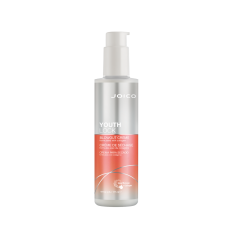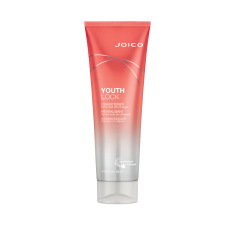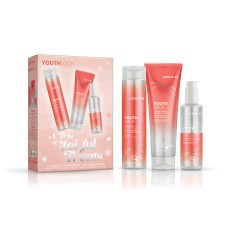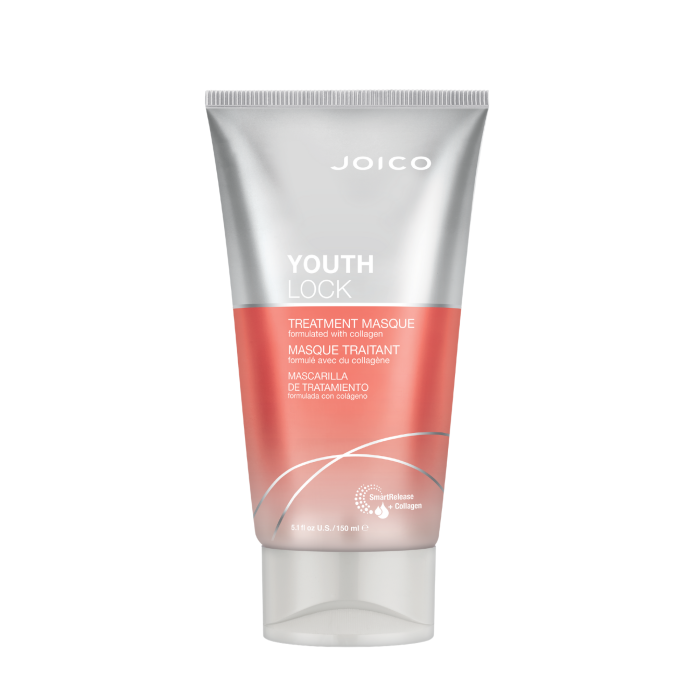
Youth Lock Treatment Masque 150ml
-
Delivery
-
Click & Collect
Free Click and collect is available at checkout. Orders are ready within 1 hour during opening hours. Store Address: 56 Parer Rd, Airport West, VIC Australia 3042 Phone (03) 9999 5902
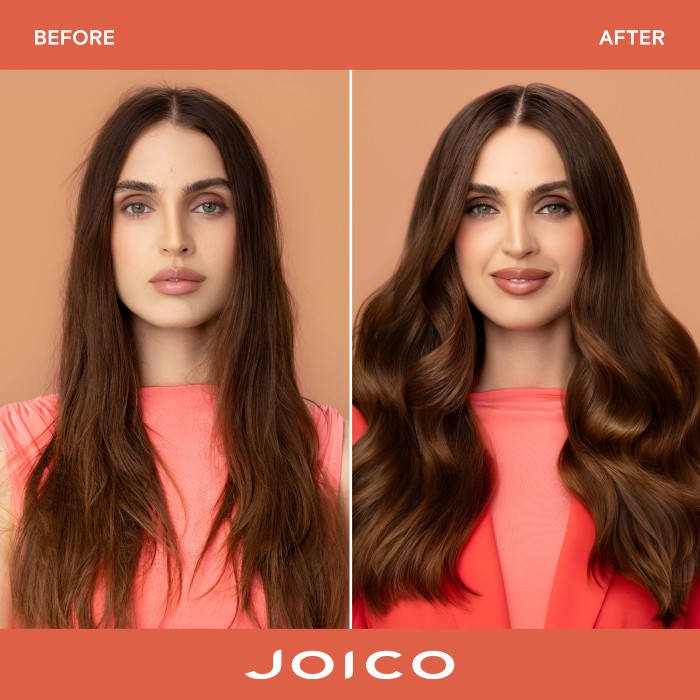
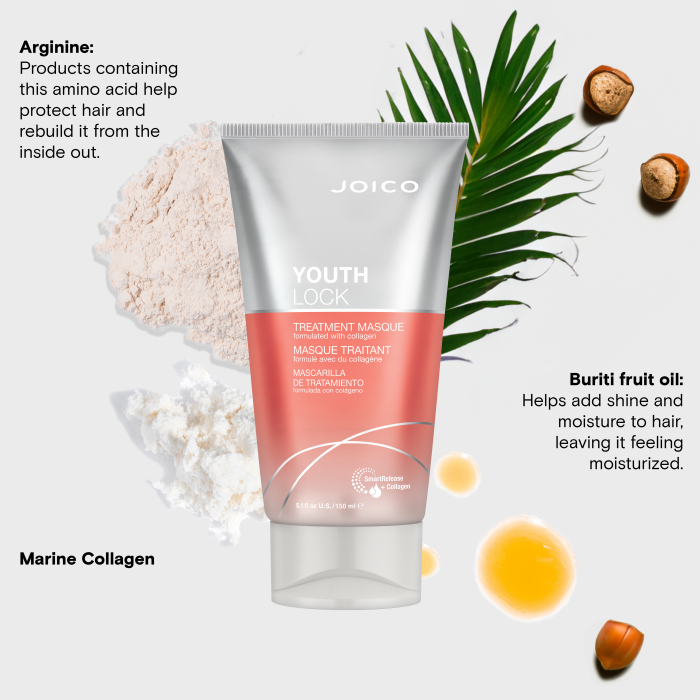
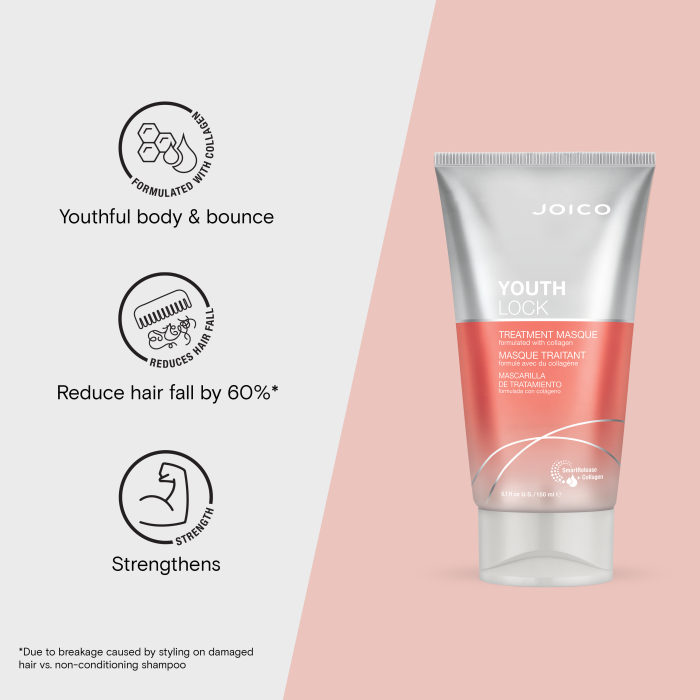
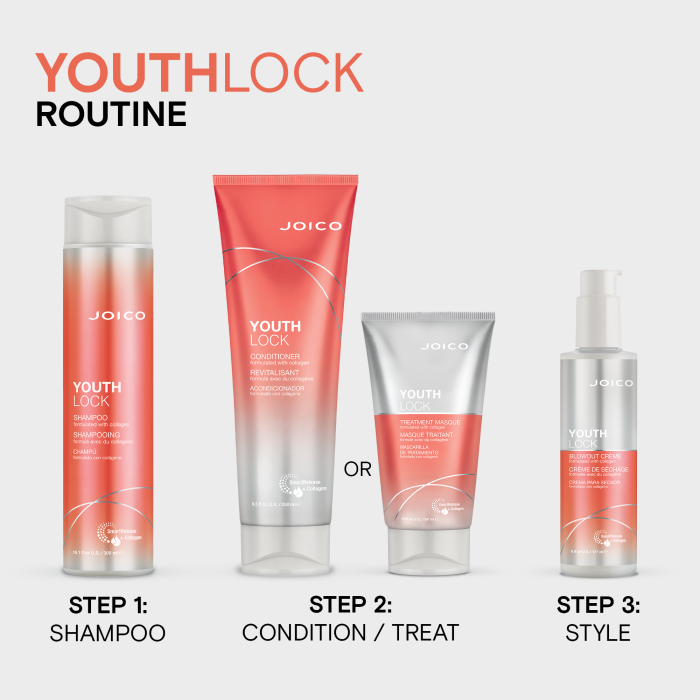
Harnessing the power of collagen and nourishing Buriti fruit oil, Joico’s YouthLock is a transformative care collection designed to revitalise hair with ageless body, bounce, shine, and manageability. Experience reduced hair fall along with a fresh, new start for those dry, brittle strands.
The liposome delivery system packs a punch by continuously releasing a trifecta of healthy-hair ingredients—Rosehip Oil, Arginine, and Keratin. Known to support healthy skin and hair, helps restore strength and elasticity to strands for healthy, youthful looking hair. Full of Antioxidants and Vitamins A and E, known to help restore dry, dull hair with hydration and shine. A smart-bonding molecule with both positive and negative sites, helps to strengthen hair bonds and encourage bond renewal.
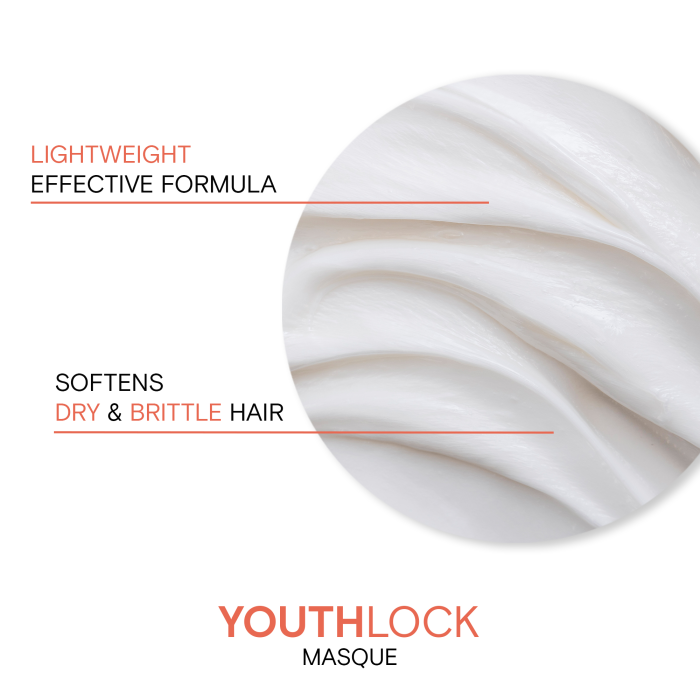
Look no further than YouthLock Treatment Masque, the intensely nourishing masque for lush, manageable hair that reveals your hair's former glory. By combining the strength of collagen with the antioxidant- and vitamin-rich Buriti fruit oil, dry, frizzy, and unruly strands are instantly transformed, hair fall is decreased, and frizz fades into oblivion.
How To Use Joico Youth Lock Treatment Masque
Apply to clean, damp hair. Leave2-5 mins before rinsing.
Joico Youth Lock Treatment Masque Ingredients
Aqua (Water, Eau), Butylene Glycol,dimethicone, Sorbitol, Behenyl Alcohol, Behentrimonium Chloride, Stearyl Alcohol, Cetylalcohol, Glyceryl Oleate, Hydrolyzed Collagen, Parfum (Fragrance), Phenoxyethanol, Isopropylalcohol, Aminopropyl Dimethicone, Cetrimonium Chloride, Sodium Benzoate, Stearyldihydroxypropyldimonium Oligosaccharides, Octyldodecanol, Propylene Glycol, Tetrasodiumglutamate Diacetate, Benzyl Alcohol, Peg-90m, Citric Acid, Glycerin, Mauritia Flexuosa Fruitoil, Potassium Sorbate, Phosphatidylcholine, Arginine, Arginine Hcl, Laurdimoniumhydroxypropyl Hydrolyzed Keratin, Rosa Canina Fruit Oil, Sodium Hydroxide, Benzyl Salicylate,linalool.
-
Aqua SolventsSolvent
The water base that carries and dissolves the other ingredients in most products.
May suitAll hair and skin types.
Worth knowingAlmost always the first ingredient listed in water-based products.
-
Butylene Glycol HumectantsHumectant and solvent
Butylene Glycol helps attract and hold moisture while improving the spreadability of hair products.
May suitThose looking for hydrated, smoother-feeling hair or lighter-feeling formulations.
Worth knowingIt is commonly used to help ingredients dissolve and to give formulas a soft, glide-on texture. It appears in many leave-in and rinse-off products due to its versatility.
-
Dimethicone SiliconesSlip and shine agent
Smooths the hair surface, adds slip and shine and helps reduce frizz.
May suitFrizz-prone, coarse or dry hair wanting a smooth, glossy finish.
Worth knowingSome people prefer silicone-free formulas, especially for certain curl routines. It is widely used and helpful in many smoothing products.
-
Sorbitol HumectantsMoisture-binding humectant
Sorbitol helps attract and retain moisture in hair and scalp.
May suitThose with dry or dehydrated hair types looking for extra moisture retention.
Worth knowingIt is a sugar-derived ingredient often used alongside other moisturisers to improve hair softness and manageability. It can also support product texture and stability.
-
Behenyl Alcohol Conditioning agentsFatty alcohol conditioner
A long‑chain fatty alcohol that helps soften hair and improve product texture.
May suitPeople looking for smoother-feeling hair or richer, more conditioning formulas.
Worth knowingDespite the name, fatty alcohols like behenyl alcohol are quite different from drying alcohols and are commonly used to add slip and creaminess to haircare products. They can also support the stability and thickness of conditioners and masks.
-
Behentrimonium Chloride Conditioning agentsConditioning agent
A conditioning agent that helps detangle and soften, reducing static and roughness.
May suitMost hair types, especially tangle-prone or coarse hair.
Worth knowingA common conditioner ingredient despite the chloride name, which simply describes its chemistry.
-
Stearyl Alcohol Conditioning agentsEmollient and thickener
A fatty alcohol that helps soften the hair and give products a smooth, creamy texture.
May suitPeople looking for conditioners or treatments that provide slip, softness and richer textures.
Worth knowingAlthough called an alcohol, it is a waxy, non‑drying fatty alcohol commonly used to enhance conditioning performance and product stability.
-
Glyceryl Oleate Conditioning agentsEmollient and conditioning agent
Glyceryl Oleate helps soften and smooth hair while supporting a conditioned feel.
May suitThose looking for added softness, slip or reduced frizz in conditioners and shampoos.
Worth knowingIt is an ester of glycerin and oleic acid and is commonly used to boost conditioning performance in cleansing products. It can also help reduce the stripping feel of some surfactants.
-
Hydrolyzed Collagen Proteins and amino acidsStrengthening protein
A protein derivative that helps support hair strength and improve the feel of damaged strands.
May suitPeople with weakened, chemically treated, or brittle hair looking for a reinforcing ingredient.
Worth knowingHydrolysed proteins are broken into smaller fragments so they can more easily interact with the hair surface. They are commonly used to enhance conditioning performance alongside other moisturising ingredients.
-
Parfum Fragrance ingredientsFragrance
Gives the product its scent.
May suitPeople who enjoy a scented product.
Worth knowingFragrance preference is personal. Some people prefer fragrance-free formulas by choice.
-
Phenoxyethanol PreservativesPreservative
Helps keep the product stable and pleasant to use after opening.
May suitAll products that need protecting from spoilage.
Worth knowingA very common, well-studied preservative used at low levels.
-
Aminopropyl Dimethicone SiliconesConditioning silicone
Aminopropyl Dimethicone is a conditioning silicone that helps smooth and soften the hair.
May suitThose looking for improved slip, reduced frizz, and a smoother finish.
Worth knowingIt is known for its ability to bond lightly to the hair, offering lasting conditioning benefits. It is commonly used in both rinse-off and leave-in products for enhanced manageability.
-
Cetrimonium Chloride Conditioning agentsConditioning agent
A conditioning agent that helps smooth and soften the hair while reducing static and tangles.
May suitPeople looking for improved manageability, detangling and smoother-feeling hair.
Worth knowingIt is a commonly used quaternary ammonium compound that helps conditioners spread easily through the hair. It is effective even at low levels, which is why it appears frequently in rinse-off products.
-
Sodium Benzoate PreservativesPreservative
Helps protect water-based products from spoilage so they stay usable.
May suitAll products that need a preservative system.
Worth knowingOften paired with other preservatives for broad protection.
-
Octyldodecanol Conditioning agentsEmollient / conditioning agent
Octyldodecanol is a lightweight emollient that helps smooth and soften hair while improving product texture.
May suitThose looking for added slip and softness, or products that spread easily without heaviness.
Worth knowingIt is a long‑chain fatty alcohol commonly used to enhance conditioning and provide a silky application feel. It is well tolerated by most hair and scalp types.
-
Propylene Glycol HumectantsHumectant
Helps hold moisture and carry other ingredients through the formula.
May suitMost hair types as part of a moisturising formula.
Worth knowingA widely used humectant and carrier ingredient.
-
Benzyl Alcohol PreservativesPreservative
Helps preserve formulations and can also act as a solvent or light fragrance component.
May suitThose interested in understanding preservative systems or identifying potential fragrance allergens.
Worth knowingBenzyl Alcohol is commonly used in professional haircare to support product stability and texture. It can also naturally occur in some essential oils.
-
PEG-90M Thickeners and stabilisersPolymer thickener
A high‑molecular‑weight polymer that helps thicken and stabilise haircare formulas.
May suitPeople who prefer products with a smoother, more luxurious texture or improved spreadability.
Worth knowingIt can also form a light film on the hair, supporting product consistency and feel. PEG polymers are widely used in both skincare and haircare for their reliable performance.
-
Citric Acid pH adjusterspH adjuster
Fine-tunes the product pH, which can help the hair surface feel smooth.
May suitMost hair types as part of a balanced formula.
Worth knowingUsually present in small amounts to balance the formula.
-
Glycerin HumectantsHumectant
Attracts and holds water to help hair feel hydrated and soft.
May suitDry or dehydrated hair, and many curl and moisture routines.
Worth knowingA very common, well-tolerated humectant used across countless products.
-
Potassium Sorbate PreservativesPreservative
Helps keep haircare formulas stable by preventing the growth of microbes.
May suitAnyone who uses water-based products that benefit from reliable preservation.
Worth knowingIt is commonly used alongside other preservation systems to maintain product freshness and extend shelf life. It is generally well tolerated in rinse-off and leave-in products.
-
Phosphatidylcholine Conditioning agentsEmollient and conditioning lipid
A phospholipid that helps condition hair and support smooth, soft feel.
May suitThose seeking lightweight conditioning or products designed to support the hair’s moisture balance.
Worth knowingIt is a naturally occurring lipid often used to help improve texture and spreadability in formulations. In some products it also supports the delivery of other ingredients.
-
Arginine Proteins and amino acidsAmino acid
An amino acid used to support hair strength and maintain moisture balance.
May suitThose looking for formulas that help with hair resilience or hydration.
Worth knowingArginine is naturally present in the hair’s keratin structure and is commonly added to strengthening or repairing products. It is also used in some formulations to help support scalp comfort.
-
Arginine Hydrochloride Proteins and amino acidsAmino acid conditioning
An amino acid used to help support hair strength and overall conditioning.
May suitPeople looking for repair-focused or strengthening haircare formulas.
Worth knowingArginine Hydrochloride is commonly included in haircare to support the hair fibre and enhance conditioning benefits.
-
Rosa Canina Fruit Oil Oils and buttersNourishing plant oil
A lightweight plant oil that helps condition and soften the hair and scalp.
May suitThose looking to add softness, shine or a natural conditioning boost to dry or textured hair.
Worth knowingIt is valued for its balance of fatty acids, which help support smooth, manageable hair. Often included in blends to enhance overall nourishment.
-
Sodium Hydroxide pH adjusterspH adjuster
Helps control and stabilise the pH of haircare formulations.
May suitThose interested in how product pH affects scalp comfort or hair cuticle behaviour.
Worth knowingIt is used in very small amounts to bring a formula to the desired pH range. Once adjusted, it does not act as a strong alkaline agent in the finished product.
-
Benzyl Salicylate Fragrance ingredientsFragrance component
Benzyl Salicylate is a fragrance ingredient used to add a sweet, floral aroma to haircare products.
May suitThose who enjoy subtly floral-scented haircare or are monitoring specific fragrance allergens.
Worth knowingIt is one of the fragrance allergens that must be listed individually on product labels when present above certain levels. Its presence does not indicate product strength or quality, only that it contributes to the overall scent profile.
-
Linalool Fragrance ingredientsFragrance component
A fragrance component found naturally in many flowers and spices.
Worth knowingA fragrance component that must be listed separately on labels because a minority of people can be sensitive to it. Its presence is normal, required disclosure and is not a quality signal.