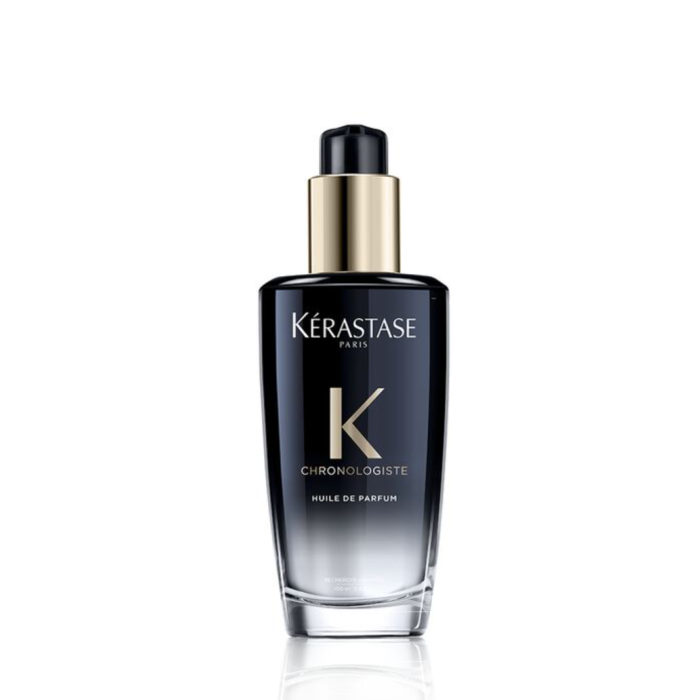
Kerastase Chronologiste Parfum Oil
Kerastase

Chronologiste Parfum Oil

Out of stock
Why You’ll love it
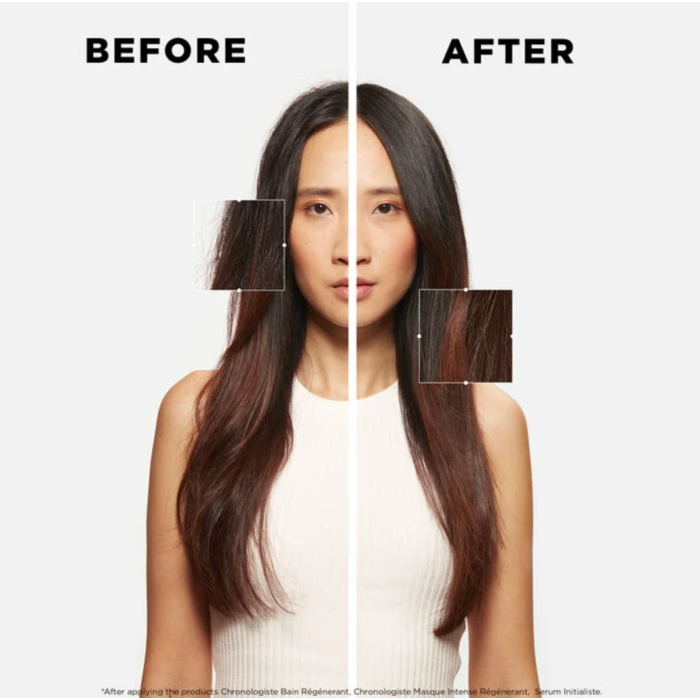
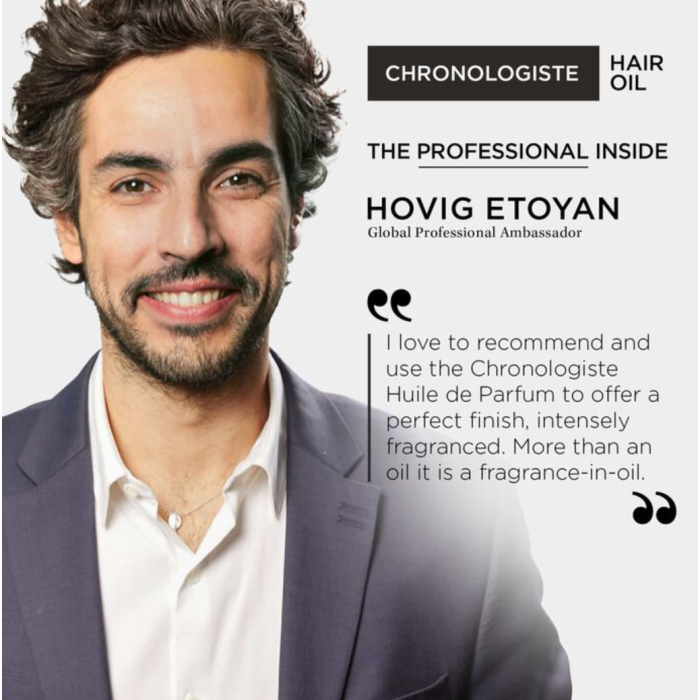
Leaves hair intensely fragranced and beautifully finished
Reduces hair breakage and provides strength
Adds a radiant shine and nourishes hair
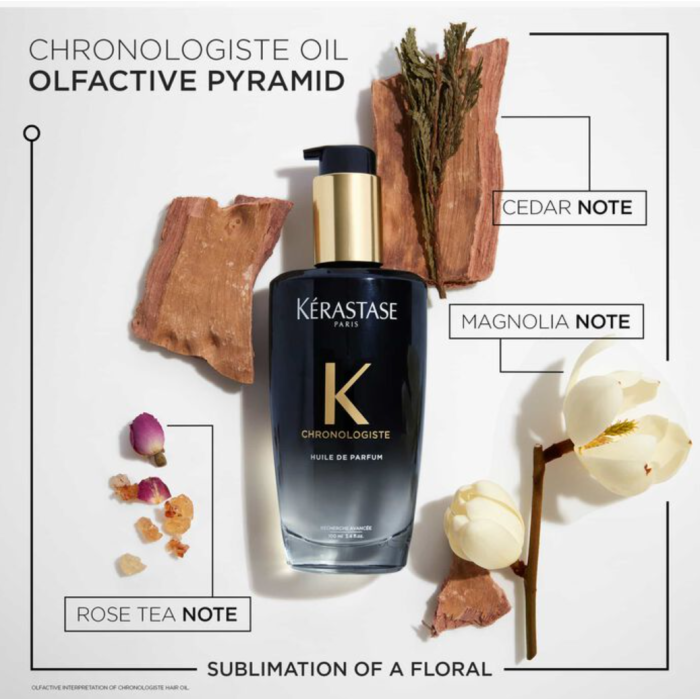
Infused with a high concentration of perfume designed by Alberto Morillas
Description
Read more
Directions
Ingredients
  • Sodium Laureth Sulfate Cleansers / surfactants
    Cleanser

    Helps cleanse the hair and scalp by removing oil, sweat and product build-up.

    May suit

    Oily scalps, heavy product users and people who like a strong cleanse.

    Worth knowing

    May feel too cleansing for some dry, curly, colour-treated or sensitive hair types. This depends on the full formula and your hair needs.

  • Coco-Betaine Cleansers / surfactants
    Mild surfactant

    A mild, coconut-derived surfactant that helps cleanse and create a soft lather.

    May suit

    People looking for gentle cleansing that doesn't feel stripping.

    Worth knowing

    It is often used alongside other surfactants to improve foam quality and overall mildness. Common in shampoos designed for frequent use.

  • Laureth-5 Carboxylic Acid Cleansers / surfactants
    Mild surfactant

    A gentle cleansing agent that helps lift away oil and buildup.

    May suit

    Those seeking a milder alternative to stronger cleansing surfactants.

    Worth knowing

    It is often used to create gentle, low-foaming formulas that cleanse without excessive stripping. It can also help improve product texture and rinseability.

  • Cocamide MIPA Cleansers / surfactants
    Foaming surfactant

    A coconut-derived surfactant that helps boost foam and improve the cleansing performance of shampoos.

    May suit

    People who like a rich, stable lather in their cleansing products.

    Worth knowing

    It is often used alongside primary surfactants to enhance texture and mildness. Its viscosity‑boosting effect can also improve the feel of rinse‑off formulas.

  • Sodium Chloride Thickeners and stabilisers
    Viscosity adjuster

    Sodium Chloride is used to adjust the thickness of shampoos and other cleansing formulas.

    May suit

    Those interested in how a product’s texture and lather are achieved.

    Worth knowing

    It is a simple mineral salt that helps create a familiar shampoo feel and can influence how a cleanser spreads through the hair.

  • Isostearyl Neopentanoate Conditioning agents
    Emollient and conditioning ester

    Helps soften the hair and improve slip by adding a smooth, lightweight conditioning feel.

    May suit

    Those looking for smoother-feeling hair or improved detangling without heaviness.

    Worth knowing

    It is a common speciality ester used to create a silky texture and reduce friction on the hair shaft. It is valued for providing richness without a greasy finish.

  • Polyquaternium-10 Conditioning agents
    Conditioning agent

    A conditioning polymer that smooths the hair surface and helps with detangling and feel.

    May suit

    Most hair types wanting smoother, easier-to-manage hair.

    Worth knowing

    Widely used in shampoos and conditioners for slip and softness.

  • PPG-5-Ceteth-20 Cleansers / surfactants
    Solubiliser / surfactant

    A non-ionic surfactant that helps blend oil- and water-based ingredients and improve product texture.

    May suit

    Those using products that need lightweight cleansing or stable, uniform formulations.

    Worth knowing

    It is commonly used to solubilise fragrance oils and support smooth, consistent formulations. Its mild nature makes it suitable for a wide range of haircare products.

  • Amodimethicone Silicones
    Conditioning silicone

    A conditioning silicone that targets rougher areas of the hair to smooth and protect.

    May suit

    Damaged, frizz-prone or colour-treated hair wanting targeted smoothing.

    Worth knowing

    Designed to deposit where hair needs it most. Some prefer silicone-free formulas by choice.

  • Sodium Benzoate Preservatives
    Preservative

    Helps protect water-based products from spoilage so they stay usable.

    May suit

    All products that need a preservative system.

    Worth knowing

    Often paired with other preservatives for broad protection.

  • Sodium Hydroxide pH adjusters
    pH adjuster

    Helps control and stabilise the pH of haircare formulations.

    May suit

    Those interested in how product pH affects scalp comfort or hair cuticle behaviour.

    Worth knowing

    It is used in very small amounts to bring a formula to the desired pH range. Once adjusted, it does not act as a strong alkaline agent in the finished product.

  • Citric Acid pH adjusters
    pH adjuster

    Fine-tunes the product pH, which can help the hair surface feel smooth.

    May suit

    Most hair types as part of a balanced formula.

    Worth knowing

    Usually present in small amounts to balance the formula.

  • PEG-55 Propylene Glycol Oleate Cleansers / surfactants
    Solubiliser / mild surfactant

    Helps solubilise oils and distribute ingredients evenly in haircare formulas.

    May suit

    Those using products that blend oils with water-based formulas, such as lightweight cleansers or treatment sprays.

    Worth knowing

    It is often used to help create stable, uniform textures and to support gentle cleansing or dispersion of conditioning oils. Its PEG content also helps products rinse easily.

  • PEG-60 Hydrogenated Castor Oil Cleansers / surfactants
    Solubiliser / surfactant

    Helps blend oils or fragrance into water-based formulas and provides gentle cleansing support.

    May suit

    Those looking for products that disperse fragrance or oils evenly without feeling heavy.

    Worth knowing

    It is commonly used in shampoos, conditioners and styling products to keep formulas stable and uniform. It also supports a smooth texture and even distribution of ingredients.

  • Salicylic Acid Exfoliating acids
    Scalp exfoliant

    Helps dissolve dead skin buildup on the scalp and supports a clearer, fresher surface.

    May suit

    People dealing with flaky scalps, congestion or product buildup.

    Worth knowing

    It is widely used in scalp-care formulas because it breaks down excess oils and debris without needing physical scrubbing. Often found in dandruff-control products.

  • Propylene Glycol Humectants
    Humectant

    Helps hold moisture and carry other ingredients through the formula.

    May suit

    Most hair types as part of a moisturising formula.

    Worth knowing

    A widely used humectant and carrier ingredient.

  • Benzyl Salicylate Fragrance ingredients
    Fragrance component

    Benzyl Salicylate is a fragrance ingredient used to add a sweet, floral aroma to haircare products.

    May suit

    Those who enjoy subtly floral-scented haircare or are monitoring specific fragrance allergens.

    Worth knowing

    It is one of the fragrance allergens that must be listed individually on product labels when present above certain levels. Its presence does not indicate product strength or quality, only that it contributes to the overall scent profile.

  • Hexyl Cinnamal Fragrance ingredients
    Fragrance component

    A fragrance ingredient used to give products a light, floral scent.

    May suit

    Those who enjoy subtly scented haircare products.

    Worth knowing

    It is one of the fragrance components that must be listed separately when present above certain levels. People with known fragrance sensitivities may choose to monitor for it.

  • Benzyl Alcohol Preservatives
    Preservative

    Helps preserve formulations and can also act as a solvent or light fragrance component.

    May suit

    Those interested in understanding preservative systems or identifying potential fragrance allergens.

    Worth knowing

    Benzyl Alcohol is commonly used in professional haircare to support product stability and texture. It can also naturally occur in some essential oils.

  • Limonene Fragrance ingredients
    Fragrance component

    A fragrance component that also occurs naturally in many citrus and plant oils.

    Worth knowing

    A fragrance component that must be listed separately on labels because a minority of people can be sensitive to it. Its presence is normal, required disclosure and is not a quality signal.

  • Butylene Glycol Humectants
    Humectant and solvent

    Butylene Glycol helps attract and hold moisture while improving the spreadability of hair products.

    May suit

    Those looking for hydrated, smoother-feeling hair or lighter-feeling formulations.

    Worth knowing

    It is commonly used to help ingredients dissolve and to give formulas a soft, glide-on texture. It appears in many leave-in and rinse-off products due to its versatility.

  • Citronellol Fragrance ingredients
    Fragrance component

    A fragrance component with a soft floral, rose-like character.

    Worth knowing

    A fragrance component that must be listed separately on labels because a minority of people can be sensitive to it. Its presence is normal, required disclosure and is not a quality signal.

  • Geraniol Fragrance ingredients
    Fragrance component

    Geraniol is a fragrant compound that adds a light floral note to haircare products.

    May suit

    Those who enjoy floral-scented hair products or are checking for specific fragrance components.

    Worth knowing

    It is naturally found in essential oils such as rose and geranium and is commonly used to enhance scent profiles. It must be listed on labels when present above certain trace levels.

  • Tocopherol Preservatives
    Antioxidant

    An antioxidant that helps support product stability and can provide conditioning benefits to hair.

    May suit

    Those wanting added nourishment or antioxidant support in their haircare routine.

    Worth knowing

    Tocopherol is commonly included to help protect oils in a formula from oxidising and to offer light conditioning benefits. It is widely used in both skincare and haircare products.

  • Bisabolol Botanical extracts
    Soothing botanical component

    Bisabolol is a calming component often used to help soothe the scalp and support comfortable wear of hair products.

    May suit

    Those with a sensitive or easily irritated scalp may appreciate its calming properties.

    Worth knowing

    It is commonly derived from chamomile or produced synthetically with similar benefits. It is widely used in both skincare and haircare for its gentle, comforting profile.

  • Oleamido-1,3-Propanediol Conditioning agents
    Conditioning agent

    Helps soften and smooth the hair by improving slip and manageability.

    May suit

    Useful for those seeking smoother, easier-to-detangle hair.

    Worth knowing

    Oleamido derivatives are often used in haircare for their conditioning and anti-static benefits. They can support a softer feel without adding heaviness.

  • Octadecanediol Conditioning agents
    Emollient conditioning agent

    A fatty diol used to smooth and condition the hair.

    May suit

    Those looking for softer, more manageable hair or enhanced slip in styling products.

    Worth knowing

    Fatty diols like this can help improve texture and reduce friction between hair fibres. They are commonly used in conditioners, serums and treatments for a smoother feel.

  • Safflower Glucoside Cleansers / surfactants
    Mild surfactant

    A gentle, plant‑derived surfactant used to help cleanse and support product foaming.

    May suit

    Those looking for mild cleansing options or formulas with plant‑derived surfactants.

    Worth knowing

    It is typically valued for its mildness and compatibility with sensitive or dry hair types. It can also help improve the texture and spreadability of a formula.

  • Hydroxycitronellal Fragrance ingredients
    Fragrance component

    Hydroxycitronellal is a fragrance ingredient used to give haircare products a fresh, floral scent.

    May suit

    Those who enjoy scented hair products or want a light floral note in their routine.

    Worth knowing

    It is one of the fragrance allergens that must be listed on labels when present above certain thresholds. People who are monitoring fragrance components for sensitivity may find this information useful.

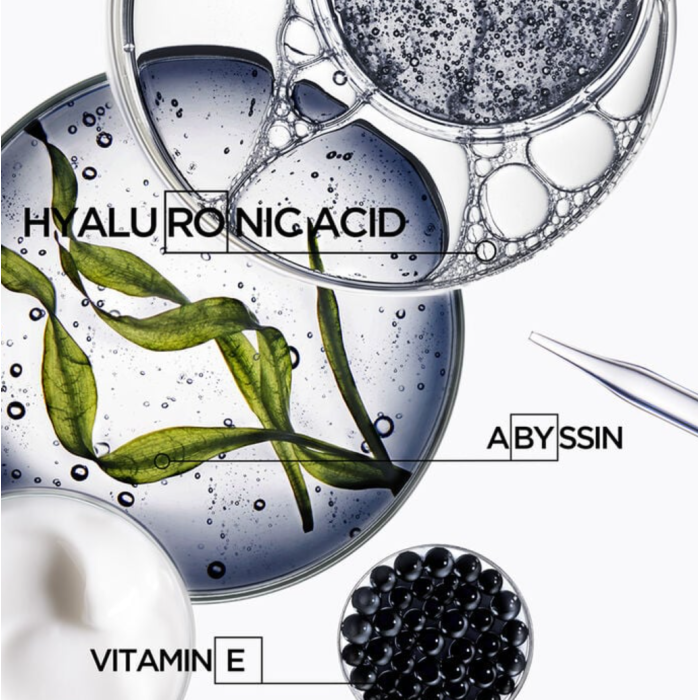
  • Sodium Hyaluronate Humectants
    Hydrating humectant

    Draws moisture into the hair and helps maintain hydration.

    May suit

    Those with dry, dehydrated or coarse hair seeking added softness and moisture retention.

    Worth knowing

    It is the salt form of hyaluronic acid and is widely used because it can hold many times its weight in water. In haircare, it helps support smoother, more manageable strands without adding heaviness.

  • Alteromonas Ferment Extract Conditioning agents
    Marine-derived conditioning extract

    A marine ferment used to help condition and hydrate the hair and scalp.

    May suit

    Those looking for lightweight hydration or products marketed for smoothness or environmental protection benefits.

    Worth knowing

    This ingredient is created through fermentation of marine microorganisms and is valued for its film-forming and moisturising properties. It is often included in premium formulations for added softness and manageability.

  • BHT Preservatives
    Antioxidant

    BHT acts as an antioxidant that helps keep formulas stable over time.

    May suit

    Anyone using products that benefit from extended shelf life and maintained performance.

    Worth knowing

    It helps protect oils and other sensitive ingredients from breaking down when exposed to air and light. It is used in very small amounts to support product consistency.

  • Sodium Citrate pH adjusters
    pH adjuster

    Sodium Citrate helps maintain or adjust the pH of haircare formulas.

    May suit

    Anyone using products designed to stay within a specific pH range, such as colour‑treated or chemically treated hair.

    Worth knowing

    It also has mild chelating abilities, helping formulas remain stable in the presence of minerals found in water. Its use supports the consistency and performance of many shampoos and conditioners.

Questions and Answers

Questions and Answers

Write A Question
Name
E-mail
Your Question
Reviews
Write a review
Your evaluation
Name
E-mail
Your Review
Find your product in seconds!
Haircare
Skincare
Makeup