

Discipline Smoothing Heat Protecting Blow-Dry Primer

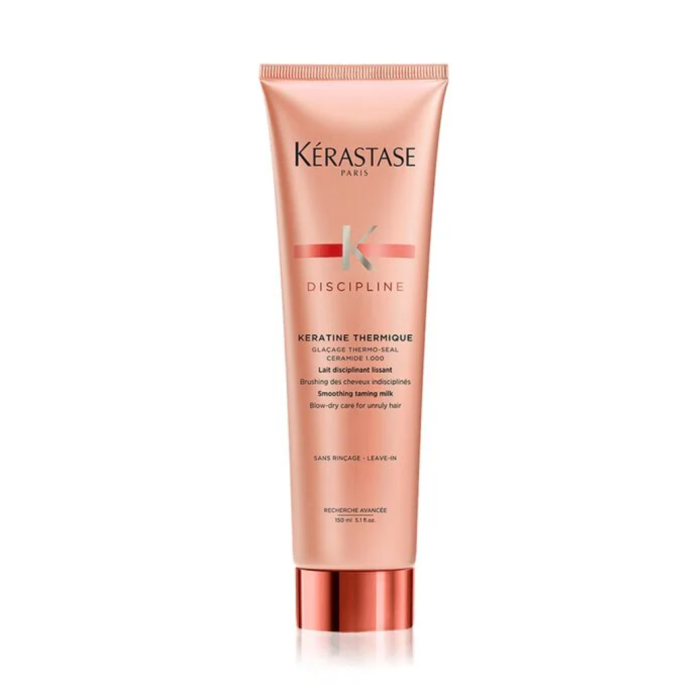
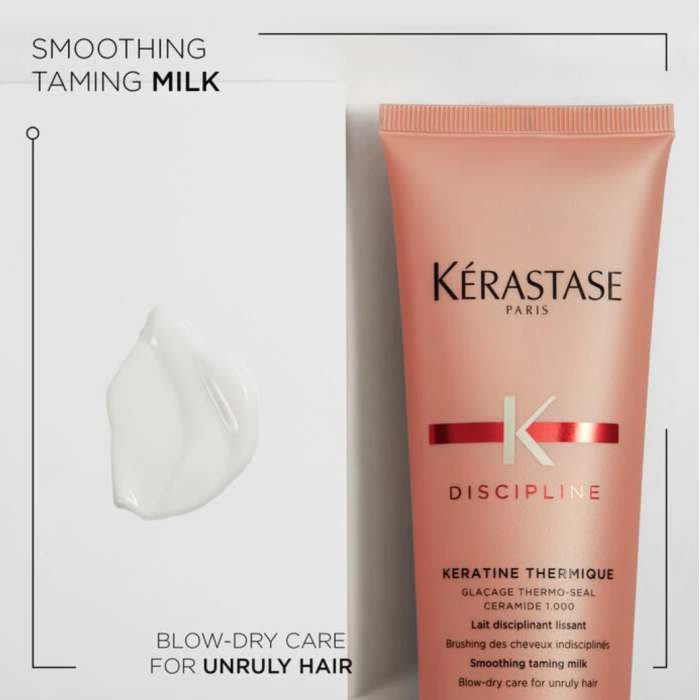
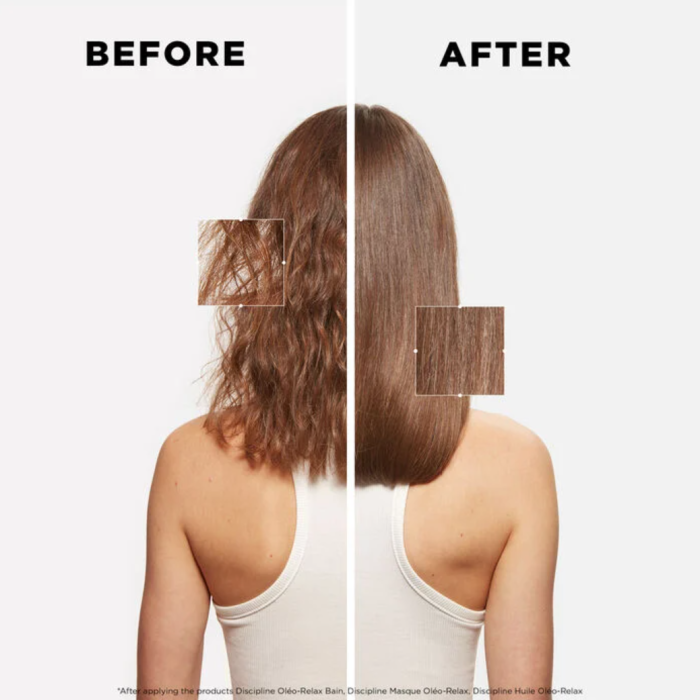
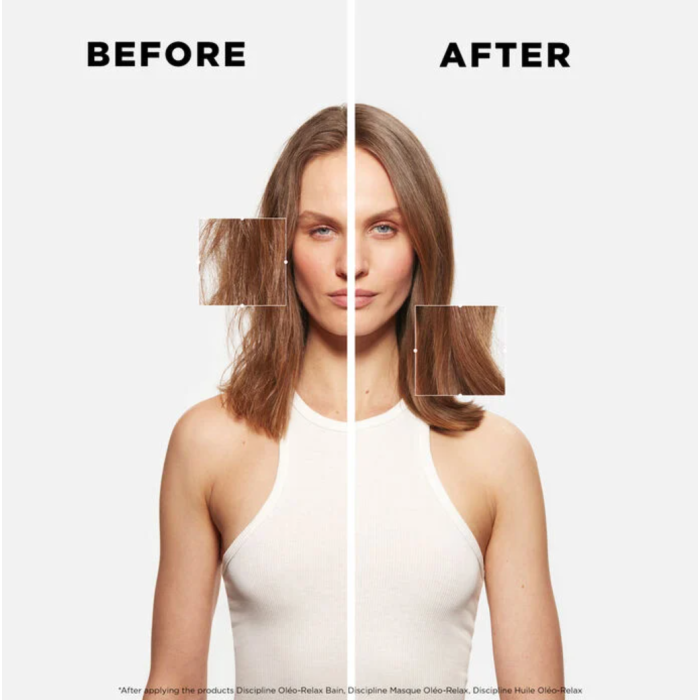
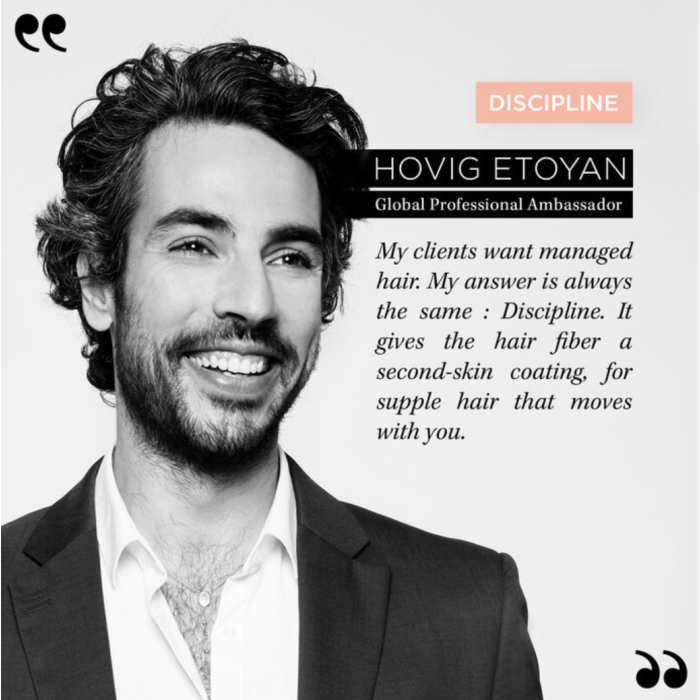
The Kerastase Discipline Smoothing Heat Protecting Blow-Dry Primer is a superbly formulated taming milk, ideal for those with unruly hair seeking smoothness and protection. This blow-dry care product is essential for anyone who regularly uses heat styling tools, as it acts as a pre-styling cream to shield the hair before blow-drying. Its primary benefit is leaving the hair soft, smooth, and shiny, making it a go-to for achieving a sleek, polished look.
A standout feature of this primer is its thermo-protection, safeguarding the hair up to 180°C. This is crucial for preventing heat damage during styling. Additionally, it strengthens the hair and significantly reduces the likelihood of hair breakage, ensuring healthier hair over time. The primer's anti-frizz and anti-humidity action is particularly beneficial for maintaining smooth hair in various weather conditions.
Beyond just protection, the Kerastase Discipline Primer enhances the overall styling experience. It not only facilitates the blow-drying process but also reduces styling time. The result is fluid and light movement in the hair, achieving a perfect, glazed-like finish. Moreover, it effectively smooths frizzy hair and flyaways, enhancing the hair's appearance and manageability.
Apply a hazelnut size amount of Keratin Thermique blow dry primer to towel-dried hair.
Detangle with a comb, but do not rinse.
Blow dry, then heat style as usual to achieve desired look.
Aqua / Water • C13-16 Isoparaffin • Dimethicone • Polyacrylamide • C13-14 Isoparaffin • Phenoxyethanol • Amodimethicone • Laureth-7 • 2-Oleamido-1,3-Octadecanediol • Benzyl Salicylate • Trideceth-5• Arginine • Glutamic Acid • Chlorhexidinedigluconate • Benzyl Alcohol • Serine • Hydroxypropyltrimonium Hydrolyzed Wheat Protein • Trideceth-10 • Linalool • Xylose • Alpha-Isomethyl Ionone • Geraniol • Citronellol • Cinnamyl Alcohol • Parfum / Fragrance
Occasionally, product packaging and ingredients are updated without notice. For the most accurate information please check the product packaging.
If you do happen to find an error, please let us know so we can update it immediately.
The water base that carries and dissolves the other ingredients in most products.
All hair and skin types.
Almost always the first ingredient listed in water-based products.
C13-16 Isoparaffin is a synthetic hydrocarbon used to help dissolve other ingredients and provide a smooth, non-greasy feel in haircare products.
People looking for lightweight moisturising and conditioning effects with good spreadability in hair products.
This ingredient contributes to product texture by improving glide and smoothing. It is commonly used in formulations aiming for a non-oily finish and can support the delivery of other active ingredients.
C13-16 Isoparaffin is a branched-chain isoparaffinic hydrocarbon derived from petroleum, often used to enhance product aesthetics without adding heaviness. It is typically inert and stable in formulations.
Smooths the hair surface, adds slip and shine and helps reduce frizz.
Frizz-prone, coarse or dry hair wanting a smooth, glossy finish.
Some people prefer silicone-free formulas, especially for certain curl routines. It is widely used and helpful in many smoothing products.
Polyacrylamide helps thicken and stabilise haircare formulas while providing a smooth, conditioned feel.
Those who prefer products with a silky glide or formulas that add light hold or structure.
It is a commonly used synthetic polymer that supports product texture and performance. It does not typically affect hair type compatibility on its own.
Helps dissolve other ingredients and gives products a smooth, light texture.
Those who prefer lightweight, non-greasy formulas that spread easily.
It is commonly used to improve slip and reduce greasiness in creams, serums and hair products. It can also support the even distribution of styling or conditioning ingredients.
Helps keep the product stable and pleasant to use after opening.
All products that need protecting from spoilage.
A very common, well-studied preservative used at low levels.
A conditioning silicone that targets rougher areas of the hair to smooth and protect.
Damaged, frizz-prone or colour-treated hair wanting targeted smoothing.
Designed to deposit where hair needs it most. Some prefer silicone-free formulas by choice.
A non-ionic surfactant that helps cleanse and improve the spreadability of haircare formulas.
Those wanting gentle cleansing or smoother-feeling product textures.
It is often used to solubilise oils and support mild cleansing without a foaming feel. Its non-ionic nature makes it compatible with many other ingredients.
Helps soften and smooth the hair by improving slip and manageability.
Useful for those seeking smoother, easier-to-detangle hair.
Oleamido derivatives are often used in haircare for their conditioning and anti-static benefits. They can support a softer feel without adding heaviness.
A fatty diol used to smooth and condition the hair.
Those looking for softer, more manageable hair or enhanced slip in styling products.
Fatty diols like this can help improve texture and reduce friction between hair fibres. They are commonly used in conditioners, serums and treatments for a smoother feel.
Benzyl Salicylate is a fragrance ingredient used to add a sweet, floral aroma to haircare products.
Those who enjoy subtly floral-scented haircare or are monitoring specific fragrance allergens.
It is one of the fragrance allergens that must be listed individually on product labels when present above certain levels. Its presence does not indicate product strength or quality, only that it contributes to the overall scent profile.
A nonionic surfactant that helps blend oil‑based ingredients into water‑based formulas.
Those using products with oils or fragrance blends that need even distribution through the hair.
It is commonly used at low levels to help stabilise formulas and improve texture. It also aids rinse-off performance without adding noticeable weight to the hair.
An amino acid used to support hair strength and maintain moisture balance.
Those looking for formulas that help with hair resilience or hydration.
Arginine is naturally present in the hair’s keratin structure and is commonly added to strengthening or repairing products. It is also used in some formulations to help support scalp comfort.
An amino acid used to help condition hair and support moisture balance.
People looking for formulas that help smooth and soften hair without heaviness.
Amino acids like glutamic acid can support the hair’s natural structure and improve the feel of conditioners and treatments. They are commonly used in both rinse-off and leave-in products.
Helps preserve formulations and can also act as a solvent or light fragrance component.
Those interested in understanding preservative systems or identifying potential fragrance allergens.
Benzyl Alcohol is commonly used in professional haircare to support product stability and texture. It can also naturally occur in some essential oils.
Serine is an amino acid used to support moisture balance and improve the feel of hair.
Those seeking lightweight hydration or formulas that help smooth and soften hair.
Amino acids like serine are often included in conditioning or strengthening blends to complement other hair-hydrating ingredients. They can be used in many types of haircare from shampoos to treatments.
A modified wheat-derived protein that helps condition and smooth the hair.
People seeking softening, smoothing or light strengthening benefits, including those with dry or damaged hair.
Its positive charge helps it bond to the hair surface, improving feel and manageability. It is commonly used in conditioners and masks for added slip and softness.
Helps blend oils or fragrance into water-based formulas and provides gentle cleansing action.
Those using products that need clear, stable formulations such as shampoos, serums or sprays.
It is commonly used in haircare as a non-ionic surfactant that improves product texture and clarity. It also supports even distribution of conditioning or fragrance ingredients.
A fragrance component found naturally in many flowers and spices.
A fragrance component that must be listed separately on labels because a minority of people can be sensitive to it. Its presence is normal, required disclosure and is not a quality signal.
A fragrance component with a soft, violet-like character.
A fragrance component that must be listed separately on labels because a minority of people can be sensitive to it. Its presence is normal, required disclosure and is not a quality signal.
Geraniol is a fragrant compound that adds a light floral note to haircare products.
Those who enjoy floral-scented hair products or are checking for specific fragrance components.
It is naturally found in essential oils such as rose and geranium and is commonly used to enhance scent profiles. It must be listed on labels when present above certain trace levels.
A fragrance component with a soft floral, rose-like character.
A fragrance component that must be listed separately on labels because a minority of people can be sensitive to it. Its presence is normal, required disclosure and is not a quality signal.
Adds a warm, cinnamon-like note to a product's fragrance profile.
Those who enjoy subtly spicy or warm fragrance tones in their haircare.
It is a naturally occurring fragrance component found in some essential oils and is used in very small amounts for scent balance. It is also one of the fragrance allergens that must be declared on labels when present above set thresholds.