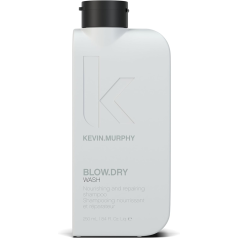
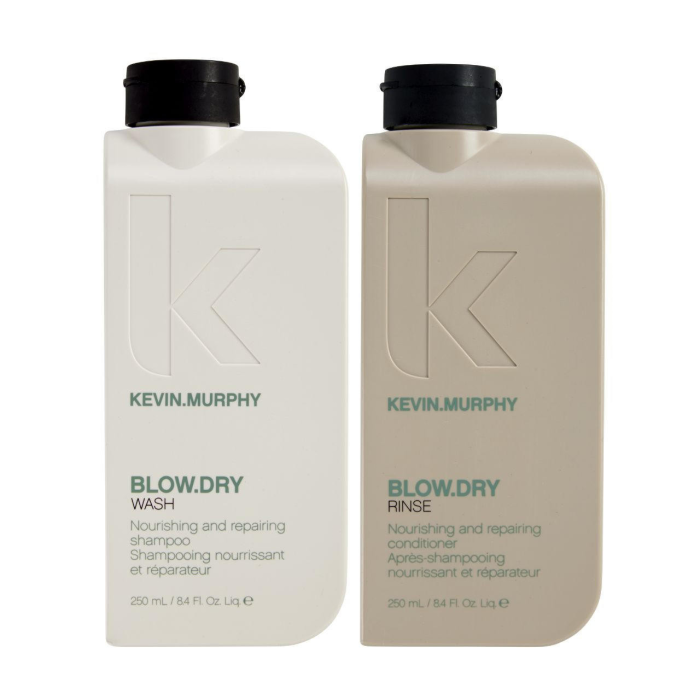
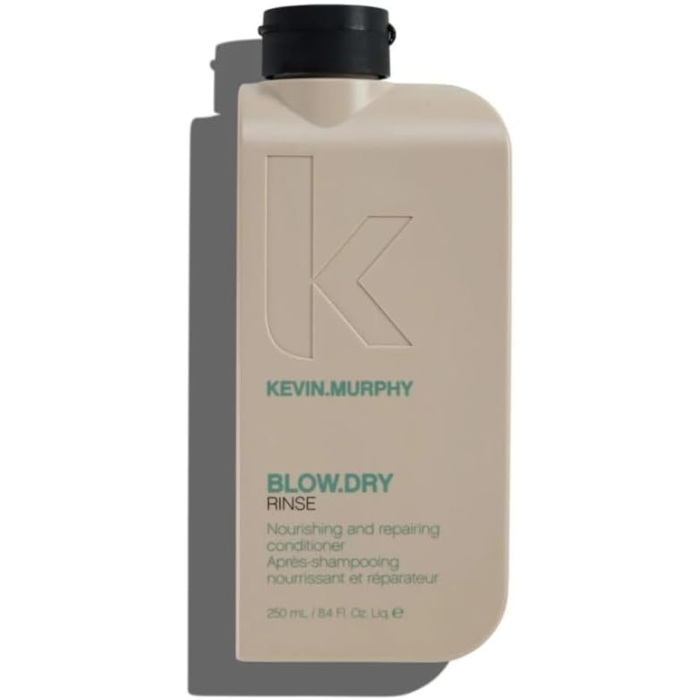
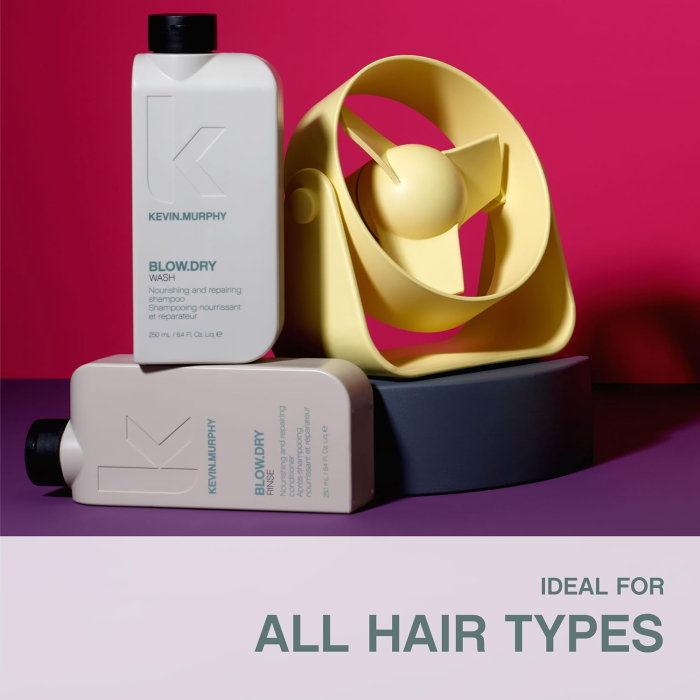


Blow.Dry Wash & Rinse Duo 2 items
- Delivery
- Click & Collect
Free Click and collect is available at checkout. Orders are ready within 1 hour during opening hours. Store Address: 56 Parer Rd, Airport West, VIC Australia 3042 Phone (03) 9999 5902


- Protects against heat damage
- Ideal for regular heat styling
- Enhances hair smoothness
- Adds strength and nourishment
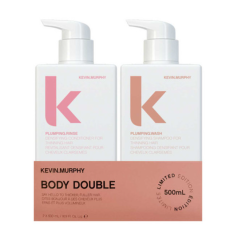
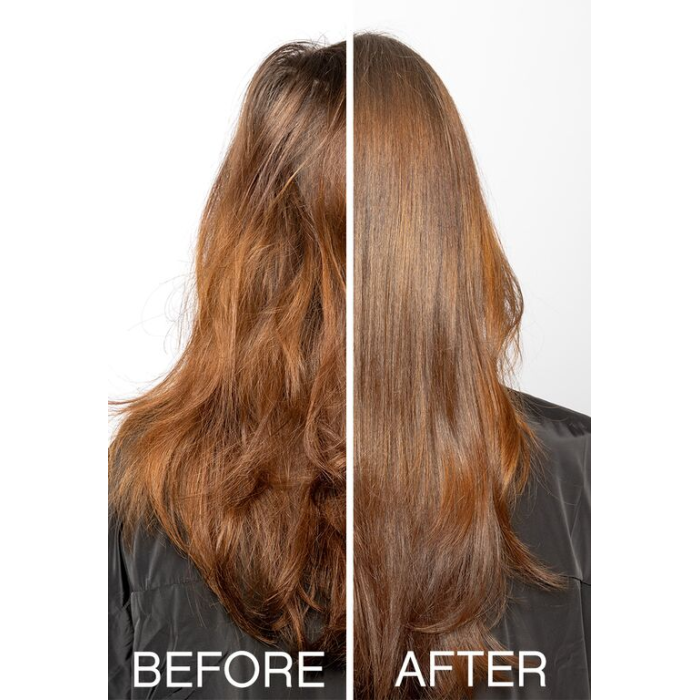
KEVIN.MURPHY Blow.Dry Wash and Rinse Duo is a shampoo and conditioner set specially designed to protect and prepare hair for heat styling.
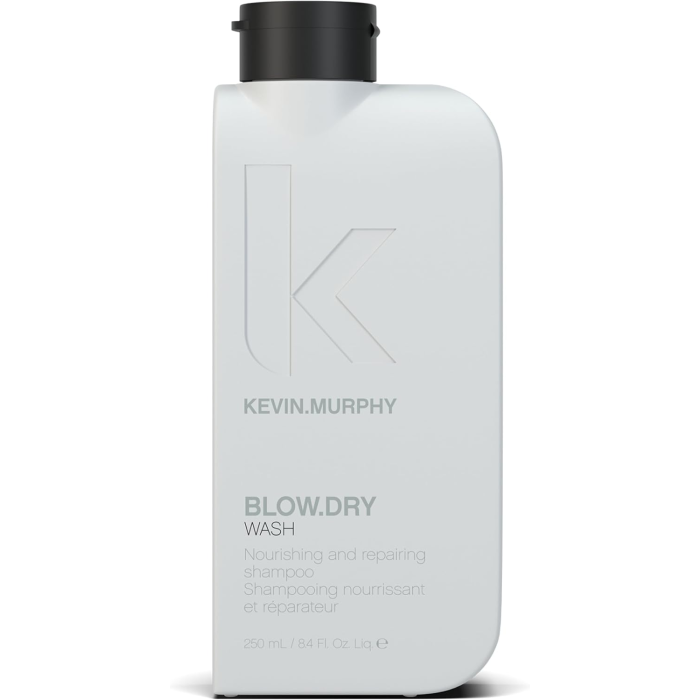
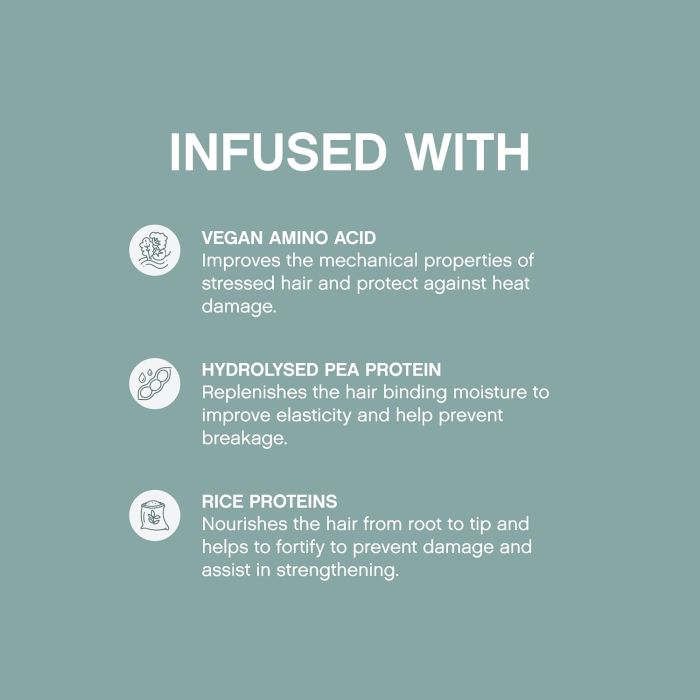
Blow.Dry Wash gently cleanses and nourishes hair, adding strength and helping prevent heat damage caused by styling tools. Blow.Dry Rinse conditioner hydrates, detangles, and creates a protective shield to guard hair against the effects of blow-drying and heat styling.
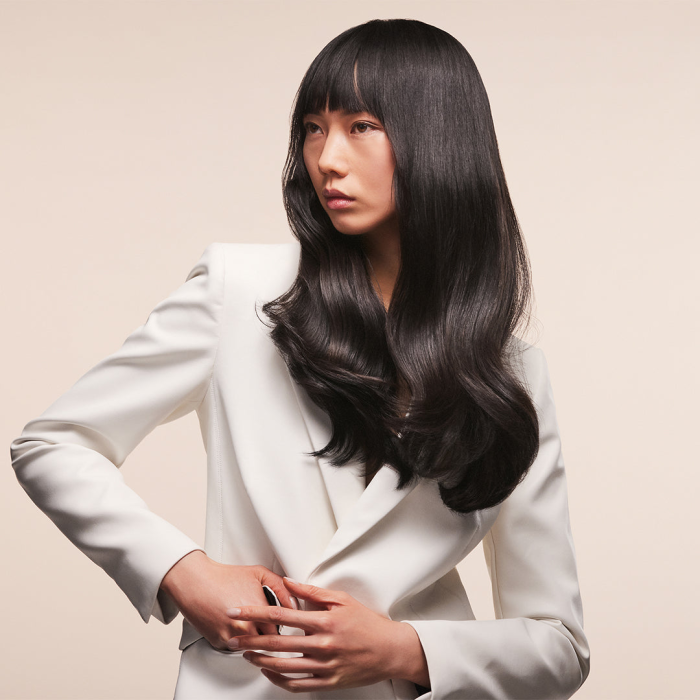
This duo is perfect for anyone who regularly uses hairdryers or other heat-styling tools and wants healthy-looking, manageable hair.
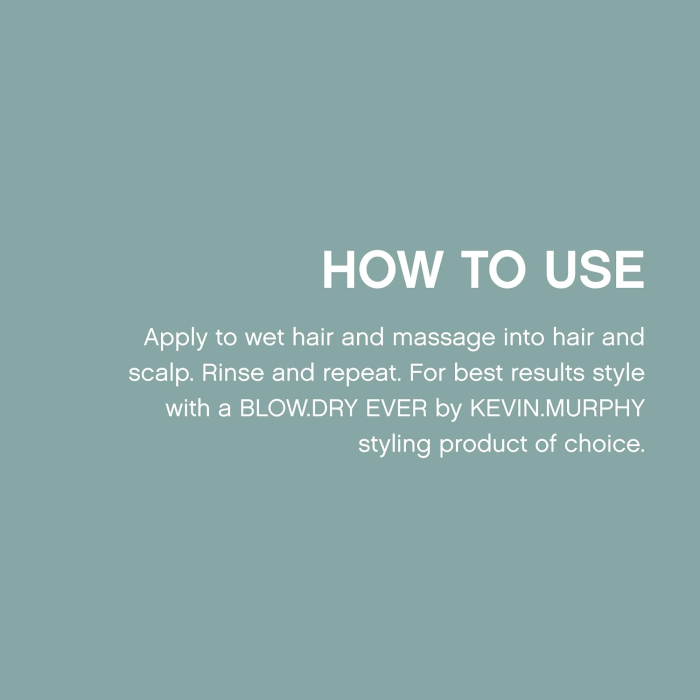
How To Use KEVIN.MURPHY Blow.Dry Wash & Rinse Duo
Blow.Dry Wash:
- Apply to wet hair and gently massage.
- Rinse thoroughly, repeat if needed.
Blow.Dry Rinse:
- Apply to freshly washed hair.
- Leave for 1-2 minutes, rinse thoroughly.
KEVIN.MURPHY Blow.Dry Wash & Rinse Duo Ingredients
Young.Again Wash
Water (Aqua) (Eau), Sodium C14-16 Olefin Sulfonate, Cocamidopropyl Hydroxysultaine, Glycol Distearate, Panthenol, Tocopherol, Tocopheryl Acetate, Ascorbic Acid, Helichrysum Italicum Extract, Citrus Glauca Fruit Extract, Microcitrus Australasica Fruit Extract, Microcitrus Australis Fruit Extract, Pleiogynium Timorense Fruit Extract, Podocarpus Elatus Fruit Extract, Terminalia Ferdinandiana Fruit Extract, Adansonia Digitata Seed Oil, Camellia Sinensis Leaf Extract, Bambusa Vulgaris Extract, Nelumbo Nucifera Flower Extract, Lycium Barbarum Fruit Extract, Centella Asiatica Extract, Phalaenopsis Amabilis Extract, Mangifera Indica (Mango) Seed Butter, Glutamic Acid, Tyrosine, Arginine, Aspartic Acid, Glycine, Alanine, Serine, Valine, Proline, Threonine, Isoleucine, Phenylalanine, Histidine, Lysine HCl, Methionine, Leucine, Sodium PCA, Lecithin, Asparagine, Cysteine, Glutamine, Tryptophan, Sodium Lactate, PCA, Silk Amino Acids, Sodium Cocoyl Amino Acids, Magnesium Aspartate, Caffeine, Glycerin, Hydrolyzed Keratin, Isopropyl Alcohol, Caprylyl Glycol, Hexylene Glycol, Propylene Glycol, Potassium Dimethicone PEG-7 Panthenyl Phosphate, Sodium Sarcosinate, Ceramide NG, Palmitoyl Carnitine, Palmitoyl Tripeptide-5, Zinc Gluconate, Copper Gluconate, Guar Hydroxypropyltrimonium Chloride, PEG-200 Hydrogenated Glyceryl Palmate, Sodium Cocoyl Isethionate, PEG-7 Glyceryl Cocoate, PPG-2 Hydroxyethyl Coco/Isostearamide, Polyquaternium-44, Acrylates Copolymer, Polysilicone-15, Ethylhexyl Methoxycinnamate, Aminomethyl Propanol, Trisodium EDTA, Tetrasodium EDTA, Ammonium Chloride, BHT, Sodium Metabisulfite, Phenoxyethanol, Ethylhexylglycerin, Chlorphenesin, Sorbic Acid, Benzoic Acid, Potassium Sorbate, Sodium Benzoate, Leuconostoc/Radish Root Ferment Filtrate, Citric Acid, Sodium Hydroxide, Fragrance (Parfum), Linalool, Limonene, Geraniol, Benzyl Alcohol
Young.Again Rinse
Water (Aqua) (Eau), Cetearyl Alcohol, Stearyl Alcohol, Behentrimonium Chloride, Aloe Barbadensis Leaf Juice, Panthenol, Tocopherol, Biotin, Ascorbyl Palmitate, Retinyl Palmitate, Tocopheryl Acetate, Ascorbic Acid, Pyridoxine HCl, Bambusa Vulgaris Extract, Helichrysum Italicum Extract, Lotus Corniculatus Flower Extract, Terminalia Ferdinandiana Fruit Extract, Phalaenopsis Amabilis Extract, Adansonia Digitata Seed Oil, Citrus Aurantium Bergamia (Bergamot) Fruit Extract, Helianthus Annuus (Sunflower) Seed Extract, Euterpe Oleracea Fruit Extract, Butyrospermum Parkii (Shea) Butter, Mangifera Indica (Mango) Seed Butter, Phenylalanine, Histidine, Glycerin, Jojoba Esters, Alcohol, Isopropyl Alcohol, Butylene Glycol, Cetrimonium Chloride, Amodimethicone, Guar Hydroxypropyltrimonium Chloride, Silicone Quaternium-18, Stearalkonium Chloride, Trideceth-3, Trideceth-6, Trideceth-12, Trideceth-15, Polyquaternium-7, Ethylhexyl Methoxycinnamate, Acetic Acid, Fumaric Acid, BHT, Phenoxyethanol, Ethylhexylglycerin, Chlorphenesin, Sorbic Acid, Benzoic Acid, Potassium Sorbate, Fragrance (Parfum), Linalool, Limonene, Geraniol
Young.Again Masque:
Water (Aqua) (Eau), Cetearyl Alcohol, Isododecane, Behentrimonium Chloride, Panthenol, Tocopherol, Tocopheryl Acetate, Ascorbic Acid, Helichrysum Italicum Extract, Nelumbo Nucifera Flower Extract, Phalaenopsis Amabilis Extract, Bambusa Vulgaris Leaf/Stem Extract, Adansonia Digitata Seed Oil, Hydrolyzed Quinoa, Cocodimonium Hydroxypropyl Hydrolyzed Rice Protein, Glutamic Acid, Tyrosine, Arginine, Aspartic Acid, Glycine, Alanine, Serine, Valine, Proline, Threonine, Isoleucine, Phenylalanine, Histidine, Leucine, Sodium PCA, Lecithin, Asparagine, Cysteine, Glutamine, Tryptophan, Sodium Lactate, PCA, Silk Amino Acids, Camellia Sinensis Leaf Extract, Lycium Barbarum Fruit Extract, Centella Asiatica Extract, Mangifera Indica (Mango) Seed Butter, Cocos Nucifera (Coconut) Oil, Carthamus Tinctorius (Safflower) Seed Oil, Glycine Soja (Soybean) Oil, Magnesium Aspartate, Glycerin, Jojoba Alcohol, Jojoba Esters, Hydrolyzed Keratin, Isopropyl Alcohol, Dicaprylyl Carbonate, Cetrimonium Chloride, Panthenyl Hydroxypropyl Steardimonium Chloride, Trimethylsiloxyamodimethicone, Palmitoyl Tripeptide-5, Zinc Gluconate, Copper Gluconate, Isopropyl Jojobate, Silicone Quaternium-18, C11-15 Pareth-7, C12-16 Pareth-9, Lauryl Glucoside, Trideceth-6, Trideceth-12, Polysorbate 60, Stearamidopropyl Dimethylamine, Polyquaternium-37, Ethylhexyl Methoxycinnamate, Polysilicone-15, Tetrasodium Glutamate Diacetate, BHT, Phenoxyethanol, Ethylhexylglycerin, Chlorphenesin, Sorbic Acid, Benzoic Acid, Potassium Sorbate, Sodium Benzoate, Lactobacillus Ferment, Leuconostoc/Radish Root Ferment Filtrate, Citric Acid, Sodium Hydroxide, Fragrance (Parfum), Linalool, Limonene, Benzyl Alcohol
Note: Please refer to bottle for full ingredients.
-
Aqua SolventsSolvent
The water base that carries and dissolves the other ingredients in most products.
May suitAll hair and skin types.
Worth knowingAlmost always the first ingredient listed in water-based products.
-
Sodium C14-16 Olefin Sulfonate Cleansers / surfactantsCleansing surfactant
A strong, high‑foaming surfactant that helps lift away oil, dirt and product build-up.
May suitThose who prefer a deep‑cleaning or clarifying effect, especially in shampoos.
Worth knowingIt is often used in clarifying formulas because it creates a rich lather and provides an effective cleanse. Its intensity can feel more cleansing than milder surfactants, depending on hair type and formulation.
-
Cocamidopropyl Hydroxysultaine Cleansers / surfactantsMild surfactant
A gentle, foam-boosting surfactant that helps cleanse hair without excessive stripping.
May suitThose looking for mild cleansing, including people with dry, curly or colour-treated hair.
Worth knowingIt is commonly used alongside other surfactants to create a balanced, gentle cleansing system. It can also help improve the texture and thickness of formulations.
-
Glycol Distearate Thickeners and stabilisersOpacifier and pearlising agent
Adds a pearlescent look and helps thicken and stabilise shampoos and conditioners.
May suitThose who like creamy, luxurious-feeling shampoo or conditioner textures.
Worth knowingIt also provides a mild conditioning feel, helping formulas spread smoothly through the hair. Its use is common in many everyday cleansing products.
-
Panthenol Conditioning agentsConditioning agent
Helps condition, soften and add a smooth, healthy feel to the hair.
May suitMost hair types, especially dry or dull hair.
Worth knowingA versatile, well-tolerated conditioning ingredient.
-
Tocopherol PreservativesAntioxidant
An antioxidant that helps support product stability and can provide conditioning benefits to hair.
May suitThose wanting added nourishment or antioxidant support in their haircare routine.
Worth knowingTocopherol is commonly included to help protect oils in a formula from oxidising and to offer light conditioning benefits. It is widely used in both skincare and haircare products.
-
Tocopheryl Acetate Conditioning agentsAntioxidant and conditioning support
A stable form of vitamin E used to help condition hair and support product stability.
May suitThose looking for added conditioning support or antioxidant benefits in their haircare.
Worth knowingIt is commonly used because it is more stable than pure vitamin E while still offering similar benefits. It appears in many leave-in and rinse-off formulations.
-
Ascorbic Acid pH adjusterspH adjuster / antioxidant
Ascorbic Acid is a form of vitamin C used to help adjust pH and support formula stability.
May suitPeople using clarifying or colour-care products may appreciate its ability to support brightness and maintain product performance.
Worth knowingIt can also function as an antioxidant, helping protect formulas from oxidation. Its presence does not typically affect how a product feels or performs on the hair.
-
Helichrysum Italicum Extract Botanical extractsBotanical extract
A plant-derived extract used to help soothe and condition the scalp and hair.
May suitThose looking for gentle botanical ingredients that support scalp comfort and overall hair condition.
Worth knowingHelichrysum is known for its calming and antioxidant properties, which can complement both scalp care and conditioning formulas. Its inclusion varies between soothing, protective and sensorial roles depending on the formulation.
-
Citrus Glauca Fruit Extract Botanical extractsBotanical extract
A fruit-derived extract used for its conditioning and antioxidant properties.
May suitThose looking for plant-based ingredients that support scalp and hair conditioning.
Worth knowingBotanical extracts like this are often included to provide supportive nutrients and natural antioxidants. Their specific effects can vary depending on concentration and formulation.
-
Microcitrus Australasica Fruit Extract Botanical extractsBotanical extract
An extract from the Australian finger lime fruit used for its antioxidant content, mild brightening potential and fresh citrus character in formulations.
May suitPeople looking for products with antioxidant-rich botanical ingredients, natural citrus notes or native Australian extracts; formulators seeking mild conditioning or shine-enhancing additives.
Worth knowingAs a fruit-derived botanical it can contribute vitamin C, flavonoids and natural acids, but its functional benefit depends on concentration and formulation. Some individuals with sensitivities to botanicals or citrus may prefer to patch-test products that contain it.
Good to knowComposition can include ascorbic acid (vitamin C), citric acid, flavonoids and trace essential oils; it is typically used for antioxidant support, to add a citrus aroma and for marketing as a native botanical ingredient. Stability and efficacy depend on extraction method and pH, and it is used in both leave-on and rinse-off haircare.
-
Terminalia Ferdinandiana Fruit Extract Botanical extractsAntioxidant botanical extract
A plant extract used for its antioxidant content and supportive conditioning benefits.
May suitThose looking for plant-based ingredients that help support hair and scalp vitality.
Worth knowingKakadu plum is known for its naturally high vitamin C content, which can help support overall hair and scalp care formulations. It is commonly included in modern botanical or antioxidant-focused products.
-
Adansonia Digitata Seed Oil Oils and buttersNourishing plant oil
A lightweight plant oil that helps soften, smooth and condition the hair.
May suitThose looking to add softness, shine or moisture to dry or textured hair.
Worth knowingIt is rich in fatty acids that support a soft, conditioned feel without leaving a heavy residue. Commonly used in both rinse-off and leave-in formulas.
-
Camellia Sinensis Leaf Extract Botanical extractsBotanical antioxidant extract
A plant extract rich in antioxidants that can help support scalp and hair comfort.
May suitThose interested in soothing or antioxidant-rich botanical ingredients.
Worth knowingIt is commonly used in haircare for its calming and conditioning properties. Its gentle nature makes it suitable for a wide range of formulations.
-
Bambusa Vulgaris Extract Botanical extractsBotanical conditioning extract
A bamboo-derived extract used for its lightweight conditioning and supportive antioxidant properties.
May suitThose looking for plant-derived ingredients that help smooth and support hair without weight.
Worth knowingBamboo extracts are commonly added to formulas to complement conditioning agents and help maintain hair feel and manageability.
-
Nelumbo Nucifera Flower Extract Botanical extractsBotanical extract
A plant-derived extract used to help condition and refresh the hair and scalp.
May suitThose looking for botanical ingredients with gentle conditioning or soothing benefits.
Worth knowingLotus flower extract is often included for its calming and antioxidant properties, which can complement a variety of haircare formulations. Its effects depend on the overall product and concentration used.
-
Lycium Barbarum Fruit Extract Botanical extractsBotanical antioxidant extract
A plant-derived extract often used to provide antioxidant and conditioning support in haircare.
May suitThose looking for gentle botanical ingredients that help support hair and scalp vitality.
Worth knowingGoji berry extracts are valued for their naturally occurring antioxidants, which can complement conditioning formulas. They are typically used in small amounts to enhance a product’s overall feel and supporting benefits.
-
Centella Asiatica Extract Botanical extractsSoothing botanical extract
A plant extract used to help soothe and condition the scalp and hair.
May suitPeople looking for calming or restorative scalp‑care benefits.
Worth knowingCentella-based extracts are commonly included for their gentle, comforting feel on the scalp. They are often paired with other botanical ingredients in modern haircare formulas.
-
Mangifera Indica Seed Butter Oils and buttersEmollient butter
A rich plant butter that helps soften and condition the hair and scalp.
May suitThose seeking added moisture, softness or help with managing dry or textured hair.
Worth knowingIt is valued for its smooth texture and ability to support a more conditioned feel without heaviness. Often used in creams, masks and leave-ins for its rich emollient profile.
-
Glutamic Acid Proteins and amino acidsAmino acid conditioning agent
An amino acid used to help condition hair and support moisture balance.
May suitPeople looking for formulas that help smooth and soften hair without heaviness.
Worth knowingAmino acids like glutamic acid can support the hair’s natural structure and improve the feel of conditioners and treatments. They are commonly used in both rinse-off and leave-in products.
-
Tyrosine Proteins and amino acidsAmino acid
An amino acid used to help support the hair’s conditioning and strength profile.
May suitThose looking for formulas enriched with amino acids for smoother-feeling, more manageable hair.
Worth knowingAmino acids like tyrosine can complement other conditioning agents in a formulation. They are often included in small amounts to help support overall hair feel.
-
Arginine Proteins and amino acidsAmino acid
An amino acid used to support hair strength and maintain moisture balance.
May suitThose looking for formulas that help with hair resilience or hydration.
Worth knowingArginine is naturally present in the hair’s keratin structure and is commonly added to strengthening or repairing products. It is also used in some formulations to help support scalp comfort.
-
Aspartic Acid Proteins and amino acidsAmino acid conditioning support
Aspartic Acid is an amino acid used to help support hair conditioning and moisture retention.
May suitThose looking for formulas that help improve softness or replenish amino acids in chemically treated or dry hair.
Worth knowingIt is often included as part of amino acid blends that help maintain the hair’s moisture balance. Its effects are subtle but can contribute to an overall conditioning system.
-
Glycine Proteins and amino acidsAmino acid
An amino acid that helps support hair softness and overall hair fibre condition.
May suitThose looking to improve hair manageability or support moisture balance.
Worth knowingGlycine is often included as part of amino acid blends used to condition and reinforce the hair fibre. It can also appear in gentle cleansing systems and care-focused formulations.
-
Alanine Proteins and amino acidsAmino acid conditioner
Alanine is an amino acid used to help condition and support hair feel and manageability.
May suitPeople looking for gentle conditioning ingredients or formulas designed to support softness without heaviness.
Worth knowingAmino acids like alanine are often included in haircare to complement protein or moisture-focused formulas. They can contribute to a smooth, hydrated feel.
-
Serine Proteins and amino acidsAmino acid conditioner
Serine is an amino acid used to support moisture balance and improve the feel of hair.
May suitThose seeking lightweight hydration or formulas that help smooth and soften hair.
Worth knowingAmino acids like serine are often included in conditioning or strengthening blends to complement other hair-hydrating ingredients. They can be used in many types of haircare from shampoos to treatments.
-
Valine Proteins and amino acidsAmino acid
Valine is an amino acid used to help support the hair’s conditioning profile and overall feel.
May suitThose interested in formulas that include amino acids to help maintain soft, manageable hair.
Worth knowingAmino acids can complement conditioning systems by supporting moisture balance and hair feel. They are often included in small amounts as part of complex ingredient blends.
-
Proline Proteins and amino acidsAmino acid conditioner
An amino acid that helps support hair feel, softness and overall conditioning.
May suitThose looking for formulas that help improve hair manageability or support lightly replenishing treatments.
Worth knowingAmino acids like proline are often included in small amounts to complement conditioning systems and support the hair’s natural protein structure.
-
Threonine Proteins and amino acidsAmino acid
Threonine is an amino acid used to support hair conditioning and strength.
May suitThose looking for formulas that help maintain softness and support the hair’s protein structure.
Worth knowingAmino acids are often included in haircare to help improve the feel and manageability of the hair fibre. They can complement other conditioning and strengthening ingredients in a formula.
-
Isoleucine Proteins and amino acidsAmino acid
A conditioning amino acid that helps support the hair’s strength and feel.
May suitThose looking to support hair softness or maintain the integrity of damaged or chemically treated hair.
Worth knowingAmino acids like isoleucine can contribute to formulas designed to help maintain the hair’s moisture balance and resilience.
-
Phenylalanine Proteins and amino acidsAmino acid
An amino acid used to help support the hair’s strength and overall feel.
May suitThose looking for formulas that include amino acids for lightweight conditioning or strengthening benefits.
Worth knowingAmino acids like phenylalanine are often included in haircare to complement other conditioning or repair-focused ingredients.
-
Histidine Proteins and amino acidsAmino acid conditioning agent
Histidine is an amino acid used to support hair strength and help improve manageability.
May suitThose looking for formulas that help reinforce hair structure or support colour-treated or weakened hair.
Worth knowingAmino acids like histidine can complement protein-based routines by helping maintain the hair’s natural building blocks. It is often included in small amounts to support overall formula performance.
-
Lysine Hydrochloride Proteins and amino acidsAmino acid
An amino acid used to support hair strength and moisture balance.
May suitThose looking for formulas that help maintain hair resilience or support overall conditioning.
Worth knowingAmino acids like lysine are often included in haircare to complement protein-based or strengthening formulations. They can contribute to a smoother, more conditioned feel.
-
Sodium PCA HumectantsMoisture-binding humectant
Sodium PCA helps attract and hold moisture in the hair and scalp.
May suitThose looking to improve hair hydration, softness, or manageability.
Worth knowingIt is a component of the skin and scalp’s natural moisturising factors and is well tolerated in most formulations.
-
Lecithin Conditioning agentsEmollient & conditioning agent
Lecithin helps soften and condition the hair while supporting product texture.
May suitThose seeking added softness, moisture support or smoother-feeling hair.
Worth knowingIt is a phospholipid commonly derived from soy or sunflower and is valued for its ability to enhance spreadability and moisture retention. It can also help stabilise certain formulations.
-
Sodium Lactate HumectantsMoisture-binding humectant
Helps attract and hold moisture in the hair and scalp.
May suitThose seeking added hydration, improved manageability, or support for dry scalp.
Worth knowingIt is a salt of lactic acid often used to enhance moisture retention and support a balanced formula. It can also contribute mild pH-buffering benefits depending on the product.
-
Pyrrolidone Carboxylic Acid HumectantsMoisture-binding humectant
A humectant that helps attract and hold moisture in the hair and scalp.
May suitThose with dry or dehydrated hair seeking improved softness and manageability.
Worth knowingPCA is related to naturally occurring moisturising factors found in skin and hair. It is often used alongside other humectants for balanced hydration.
-
Silk Amino Acids Proteins and amino acidsHair-conditioning protein
Silk amino acids help condition and strengthen hair by supporting moisture retention and improving softness.
May suitThose looking to enhance smoothness, reduce frizz or add lightweight strength to hair.
Worth knowingThese low‑molecular‑weight proteins can penetrate the hair more easily than larger proteins, offering a light, silky feel. They are commonly used in both rinse‑off and leave‑in formulas.
-
Sodium Cocoyl Amino Acids Cleansers / surfactantsGentle surfactant
A mild, amino acid–based surfactant that helps cleanse hair and scalp.
May suitThose looking for a gentle or low‑foaming cleansing option.
Worth knowingAmino acid–based surfactants are often chosen for their milder feel compared with traditional sulphates. They are commonly used in shampoos designed to maintain moisture balance.
-
Caffeine Anti-dandruff / scalp careScalp-support ingredient
Caffeine is used in haircare to help support scalp vitality and create an energised feel.
May suitPeople interested in scalp-focused formulas or products aimed at maintaining the appearance of fuller, energised hair.
Worth knowingIt is often included in shampoos, tonics and leave‑ins to complement other scalp-care ingredients. Its effects are generally most noticeable when used consistently.
-
Glycerin HumectantsHumectant
Attracts and holds water to help hair feel hydrated and soft.
May suitDry or dehydrated hair, and many curl and moisture routines.
Worth knowingA very common, well-tolerated humectant used across countless products.
-
Hydrolyzed Keratin Proteins and amino acidsProtein
Helps temporarily support and smooth the hair surface for a stronger feel.
May suitDamaged, chemically treated or fragile hair wanting reinforcement.
Worth knowingProtein routines suit some hair well, while very protein-sensitive hair may prefer balance with moisture.
-
Isopropyl Alcohol SolventsSolvent
Helps dissolve ingredients and supports quick-drying formulas.
May suitThose using styling products that benefit from fast evaporation, such as sprays.
Worth knowingIt is commonly used at low levels to improve texture and spreadability. It evaporates quickly, leaving minimal residue on the hair.
-
Caprylyl Glycol HumectantsHumectant
Helps attract and hold moisture in hair and scalp while supporting product stability.
May suitThose looking for added hydration or smoother-feeling hair.
Worth knowingIt is also commonly used as a preservative booster to help maintain formula freshness. It is well tolerated in most haircare products.
-
Hexylene Glycol SolventsSolvent and texture enhancer
Hexylene Glycol helps dissolve other ingredients and improves the spreadability of haircare formulations.
May suitThose using stylers, treatments or serums that rely on smooth, even application.
Worth knowingIt is commonly used in both leave-in and rinse-off products to support stable, easy-to-apply textures. It can also assist with product absorption and consistency.
-
Propylene Glycol HumectantsHumectant
Helps hold moisture and carry other ingredients through the formula.
May suitMost hair types as part of a moisturising formula.
Worth knowingA widely used humectant and carrier ingredient.
-
Potassium Dimethicone PEG-7 Panthenyl Phosphate SiliconesSilicone-based conditioning agent
A silicone-derived ingredient that helps condition hair and improve smoothness and manageability.
May suitPeople looking for lightweight conditioning with reduced build-up compared to heavier silicones.
Worth knowingIts structure combines silicone with panthenyl components, allowing for a softer, more flexible feel on the hair. It is often included in leave-ins and treatments to enhance slip and shine.
-
Sodium Sarcosinate Cleansers / surfactantsMild cleansing surfactant
A gentle surfactant that helps cleanse the hair and scalp.
May suitThose looking for mild, low-irritation cleansing, including people with sensitive or dry scalps.
Worth knowingIt is derived from sarcosine, an amino-acid-related compound, and is often used to create gentle, creamy lathers. It is commonly paired with other surfactants to balance cleansing and softness.
-
Ceramide NG Conditioning agentsHair-conditioning lipid
Helps reinforce the hair fibre and support a smoother, more conditioned feel.
May suitPeople with dry, damaged or chemically treated hair seeking improved softness and strength.
Worth knowingCeramides are lipids that help maintain the hair’s natural barrier, making strands feel more resilient. They are often used in repair-focused and moisturising formulas.
-
Palmitoyl Tripeptide-5 Conditioning agentsPeptide-based conditioning agent
A synthetic peptide used to help condition and smooth the hair.
May suitThose looking for lightweight conditioning or formulas aimed at improving hair feel and manageability.
Worth knowingPeptides like this one are often included in premium formulations for their ability to support a smoother, more conditioned hair surface. They are typically used in low concentrations as performance boosters.
-
Zinc Gluconate Anti-dandruff / scalp careScalp-support ingredient
Zinc Gluconate is used to help support a balanced scalp environment and regulate excess oil.
May suitPeople with oily scalps or those seeking gentle scalp‑care benefits.
Worth knowingIt is a zinc salt often included for its soothing and balancing properties in hair and scalp formulations. It can complement other scalp‑care ingredients in targeted treatments.
-
Copper Gluconate Conditioning agentsMineral-derived conditioning ingredient
A mineral salt that can support conditioning and overall scalp and hair feel.
May suitThose looking for products that include trace minerals for scalp-supportive or conditioning purposes.
Worth knowingCopper gluconate is used in small amounts in cosmetic formulas, often as a supportive mineral component. Its role can vary depending on the product, from conditioning to helping maintain formula stability.
-
Guar Hydroxypropyltrimonium Chloride Conditioning agentsConditioning polymer
A conditioning polymer that helps smooth hair and improve slip.
May suitThose looking for softer, easier-to-detangle hair.
Worth knowingIt is derived from guar gum and is commonly used to enhance conditioning in shampoos and conditioners. It can also reduce static and improve manageability.
-
PEG-200 Hydrogenated Glyceryl Palmate Cleansers / surfactantsMild surfactant and solubiliser
Helps cleanse and solubilise ingredients while contributing to a smooth product texture.
May suitThose looking for gentle cleansing or well‑blended lightweight formulas.
Worth knowingIt is often used to support mild cleansing systems and to help oil‑based components mix evenly into water‑based products. Its high PEG number indicates strong solubility in water.
-
Sodium Cocoyl Isethionate Cleansers / surfactantsGentle surfactant
A mild, coconut‑derived surfactant that helps cleanse hair while producing a soft, creamy lather.
May suitPeople looking for gentle, sulphate‑free cleansing that still provides a rich foam.
Worth knowingIt is often used in low‑irritation or moisturising shampoo formulas because it cleanses without feeling overly stripping. Common in solid shampoo bars and creamy cleansers.
-
PEG-7 Glyceryl Cocoate Cleansers / surfactantsMild surfactant and emollient
A gentle, non-ionic surfactant that also adds light softness and slip to hair.
May suitThose looking for mild cleansing with a smoother, less stripped feel.
Worth knowingIt is often included to make cleansing formulas feel more conditioning and to help solubilise oils or fragrances. It pairs well with stronger surfactants to create a more balanced wash.
-
Polyquaternium-44 Conditioning agentsConditioning polymer
A cationic conditioning polymer that helps smooth, detangle and reduce static in the hair.
May suitPeople looking for improved manageability, reduced frizz or a smoother feel without heaviness.
Worth knowingPolyquaternium-44 is often used in shampoos and conditioners to enhance slip and boost softness. It can help hair feel more conditioned even in rinse-off formulas.
-
Acrylates Copolymer Thickeners and stabilisersFilm-forming polymer
Acrylates Copolymer helps form a lightweight film that supports hold, texture and product stability.
May suitPeople looking for enhanced styling hold or frizz control.
Worth knowingIt is widely used in styling products to help shape and set the hair without feeling heavy. It also contributes to product consistency and spreadability.
-
Polysilicone-15 UV filtersUV filter
A silicone-based UV filter that helps protect hair from UVB exposure.
May suitThose who spend time outdoors or wish to help reduce UV-related colour fade.
Worth knowingIt is commonly used in haircare to support UV defence without adding a heavy feel. Often combined with other conditioning agents for smoother application.
-
Ethylhexyl Methoxycinnamate UV filtersUV filter
A UV-absorbing ingredient that helps protect hair and colour from sun-related fading.
May suitThose who spend time outdoors or want to help maintain colour-treated hair.
Worth knowingIt is widely used in suncare and some hair products to support protection against UV exposure. In haircare, it mainly helps reduce colour fade rather than providing full sunscreen performance.
-
Aminomethyl Propanol pH adjusterspH adjuster
Helps adjust and stabilise the pH of haircare formulations.
May suitThose interested in how product pH affects hair and scalp feel may find its presence relevant.
Worth knowingIt is commonly used at low levels to help formulas stay effective and consistent. It does not act on the hair directly but supports the overall product performance.
-
Tetrasodium EDTA Chelating agentsChelating agent
Helps bind metal ions in water to improve product stability and performance.
May suitThose in hard-water areas who want shampoos and conditioners to rinse more cleanly.
Worth knowingChelating agents can support formula consistency and help prevent minerals from depositing on the hair or interfering with product texture. They are widely used in many rinse-off and leave-in formulations.
-
Ammonium Chloride pH adjusterspH adjuster
Helps control a formula’s pH and can also influence product thickness.
May suitThose interested in how a product’s pH affects hair or scalp feel.
Worth knowingIt is commonly used in shampoos and cleansers to fine‑tune pH and support consistent texture. Its presence helps maintain product performance and stability.
-
BHT PreservativesAntioxidant
BHT acts as an antioxidant that helps keep formulas stable over time.
May suitAnyone using products that benefit from extended shelf life and maintained performance.
Worth knowingIt helps protect oils and other sensitive ingredients from breaking down when exposed to air and light. It is used in very small amounts to support product consistency.
-
Sodium Metabisulfite PreservativesAntioxidant preservative
Helps protect formulations from oxidation and supports product freshness.
May suitThose interested in products designed to remain stable over time.
Worth knowingIt is also used as a reducing agent in some professional hair processes, such as perming. In regular haircare, it appears at low levels to support formula stability.
-
Phenoxyethanol PreservativesPreservative
Helps keep the product stable and pleasant to use after opening.
May suitAll products that need protecting from spoilage.
Worth knowingA very common, well-studied preservative used at low levels.
-
Ethylhexylglycerin PreservativesPreservative booster
Helps support the preservation system and can provide mild skin-conditioning benefits.
May suitThose interested in gentle preservation systems or sensitive scalps may find it relevant.
Worth knowingIt is often paired with other preservatives to improve their effectiveness while allowing for lower usage levels. It also has light moisturising and conditioning properties.
-
Chlorphenesin PreservativesPreservative
Chlorphenesin helps keep haircare products fresh by supporting protection against microbial growth.
May suitThose looking for products with reliable preservation, especially in creams, lotions or styling formulas.
Worth knowingIt is commonly used in cosmetics at low levels to help maintain product quality over time. It works alongside other preservatives to support formula stability.
-
Sorbic Acid PreservativesPreservative
Helps preserve haircare formulas by preventing product spoilage.
May suitThose who prefer products using widely accepted preservative systems.
Worth knowingIt is commonly used in both cosmetic and food products due to its effectiveness in maintaining formula stability. It is typically used at low levels and works well alongside other preservation ingredients.
-
Benzoic Acid PreservativesPreservative
Helps protect haircare products by supporting the preservation system and maintaining formula stability.
May suitThose who want products that remain fresh and effective throughout their shelf life.
Worth knowingBenzoic Acid is often used alongside other preservatives to create a broad-spectrum system. It also plays a minor role in helping maintain a product’s pH balance.
-
Potassium Sorbate PreservativesPreservative
Helps keep haircare formulas stable by preventing the growth of microbes.
May suitAnyone who uses water-based products that benefit from reliable preservation.
Worth knowingIt is commonly used alongside other preservation systems to maintain product freshness and extend shelf life. It is generally well tolerated in rinse-off and leave-in products.
-
Sodium Benzoate PreservativesPreservative
Helps protect water-based products from spoilage so they stay usable.
May suitAll products that need a preservative system.
Worth knowingOften paired with other preservatives for broad protection.
-
Leuconostoc/Radish Root Ferment Filtrate PreservativesNatural preservative
A fermented radish root filtrate used to help keep formulations fresh and stable.
May suitThose interested in products that use fermentation-derived preservation systems.
Worth knowingIt provides mild antimicrobial activity and is commonly used in modern, gentle preservation blends. Its use does not change how the product performs on the hair.
-
Citric Acid pH adjusterspH adjuster
Fine-tunes the product pH, which can help the hair surface feel smooth.
May suitMost hair types as part of a balanced formula.
Worth knowingUsually present in small amounts to balance the formula.
-
Sodium Hydroxide pH adjusterspH adjuster
Helps control and stabilise the pH of haircare formulations.
May suitThose interested in how product pH affects scalp comfort or hair cuticle behaviour.
Worth knowingIt is used in very small amounts to bring a formula to the desired pH range. Once adjusted, it does not act as a strong alkaline agent in the finished product.
-
Parfum Fragrance ingredientsFragrance
Gives the product its scent.
May suitPeople who enjoy a scented product.
Worth knowingFragrance preference is personal. Some people prefer fragrance-free formulas by choice.
-
Linalool Fragrance ingredientsFragrance component
A fragrance component found naturally in many flowers and spices.
Worth knowingA fragrance component that must be listed separately on labels because a minority of people can be sensitive to it. Its presence is normal, required disclosure and is not a quality signal.
-
Limonene Fragrance ingredientsFragrance component
A fragrance component that also occurs naturally in many citrus and plant oils.
Worth knowingA fragrance component that must be listed separately on labels because a minority of people can be sensitive to it. Its presence is normal, required disclosure and is not a quality signal.
-
Geraniol Fragrance ingredientsFragrance component
Geraniol is a fragrant compound that adds a light floral note to haircare products.
May suitThose who enjoy floral-scented hair products or are checking for specific fragrance components.
Worth knowingIt is naturally found in essential oils such as rose and geranium and is commonly used to enhance scent profiles. It must be listed on labels when present above certain trace levels.
-
Aqua SolventsSolvent
The water base that carries and dissolves the other ingredients in most products.
May suitAll hair and skin types.
Worth knowingAlmost always the first ingredient listed in water-based products.
-
Cetearyl Alcohol Conditioning agentsFatty alcohol conditioner
A fatty alcohol that helps soften hair and improve the texture of formulations.
May suitPeople looking for smoother, more manageable hair or richer, creamier product textures.
Worth knowingDespite the name, fatty alcohols are moisturising and conditioning rather than drying. They also help stabilise and thicken many haircare formulas.
-
Stearyl Alcohol Conditioning agentsEmollient and thickener
A fatty alcohol that helps soften the hair and give products a smooth, creamy texture.
May suitPeople looking for conditioners or treatments that provide slip, softness and richer textures.
Worth knowingAlthough called an alcohol, it is a waxy, non‑drying fatty alcohol commonly used to enhance conditioning performance and product stability.
-
Behentrimonium Chloride Conditioning agentsConditioning agent
A conditioning agent that helps detangle and soften, reducing static and roughness.
May suitMost hair types, especially tangle-prone or coarse hair.
Worth knowingA common conditioner ingredient despite the chloride name, which simply describes its chemistry.
-
Aloe Barbadensis Leaf Juice Botanical extractsBotanical extract
An aloe-derived ingredient added for a soothing, conditioning feel.
May suitMost hair and scalp types, including those wanting a gentle feel.
Worth knowingA popular botanical used across many gentle and moisturising products.
-
Panthenol Conditioning agentsConditioning agent
Helps condition, soften and add a smooth, healthy feel to the hair.
May suitMost hair types, especially dry or dull hair.
Worth knowingA versatile, well-tolerated conditioning ingredient.
-
Tocopherol PreservativesAntioxidant
An antioxidant that helps support product stability and can provide conditioning benefits to hair.
May suitThose wanting added nourishment or antioxidant support in their haircare routine.
Worth knowingTocopherol is commonly included to help protect oils in a formula from oxidising and to offer light conditioning benefits. It is widely used in both skincare and haircare products.
-
Biotin Anti-dandruff / scalp careScalp-supporting vitamin
Biotin is a B‑vitamin used in haircare to support the condition of the scalp and hair fibre.
May suitThose looking for formulas that help maintain a healthy-feeling scalp or the appearance of stronger hair.
Worth knowingIn topical products it is used in small amounts to complement other strengthening or scalp-care ingredients. Its effects are supportive rather than dramatic on its own.
-
Ascorbyl Palmitate PreservativesAntioxidant
Ascorbyl Palmitate is an oil‑soluble form of vitamin C that helps protect formulas and hair fibres from oxidative stress.
May suitThose looking for antioxidant support or colour maintenance may appreciate its inclusion.
Worth knowingIt is commonly used to help stabilise cosmetic formulations and support the longevity of other ingredients. Its oil‑soluble nature allows it to work well in richer or emollient hair products.
-
Retinyl Palmitate Conditioning agentsVitamin-derived conditioning agent
A vitamin A ester used to support conditioning and overall hair and scalp care.
May suitThose looking for formulations enriched with vitamin-derived ingredients for scalp comfort or hair vitality.
Worth knowingIt is commonly included in small amounts to help support the conditioning profile of a formula. Its role in haircare is typically supportive rather than transformative.
-
Tocopheryl Acetate Conditioning agentsAntioxidant and conditioning support
A stable form of vitamin E used to help condition hair and support product stability.
May suitThose looking for added conditioning support or antioxidant benefits in their haircare.
Worth knowingIt is commonly used because it is more stable than pure vitamin E while still offering similar benefits. It appears in many leave-in and rinse-off formulations.
-
Ascorbic Acid pH adjusterspH adjuster / antioxidant
Ascorbic Acid is a form of vitamin C used to help adjust pH and support formula stability.
May suitPeople using clarifying or colour-care products may appreciate its ability to support brightness and maintain product performance.
Worth knowingIt can also function as an antioxidant, helping protect formulas from oxidation. Its presence does not typically affect how a product feels or performs on the hair.
-
Pyridoxine HCl Anti-dandruff / scalp careScalp-supporting vitamin
A form of vitamin B6 used to support scalp and hair fibre vitality.
May suitThose looking for formulas that help maintain a balanced, comfortable scalp.
Worth knowingPyridoxine HCl is often included at low levels to help condition the scalp and support healthy-looking hair growth cycles. It is commonly found in strengthening or scalp-focused treatments.
-
Bambusa Vulgaris Extract Botanical extractsBotanical conditioning extract
A bamboo-derived extract used for its lightweight conditioning and supportive antioxidant properties.
May suitThose looking for plant-derived ingredients that help smooth and support hair without weight.
Worth knowingBamboo extracts are commonly added to formulas to complement conditioning agents and help maintain hair feel and manageability.
-
Helichrysum Italicum Extract Botanical extractsBotanical extract
A plant-derived extract used to help soothe and condition the scalp and hair.
May suitThose looking for gentle botanical ingredients that support scalp comfort and overall hair condition.
Worth knowingHelichrysum is known for its calming and antioxidant properties, which can complement both scalp care and conditioning formulas. Its inclusion varies between soothing, protective and sensorial roles depending on the formulation.
-
Terminalia Ferdinandiana Fruit Extract Botanical extractsAntioxidant botanical extract
A plant extract used for its antioxidant content and supportive conditioning benefits.
May suitThose looking for plant-based ingredients that help support hair and scalp vitality.
Worth knowingKakadu plum is known for its naturally high vitamin C content, which can help support overall hair and scalp care formulations. It is commonly included in modern botanical or antioxidant-focused products.
-
Adansonia Digitata Seed Oil Oils and buttersNourishing plant oil
A lightweight plant oil that helps soften, smooth and condition the hair.
May suitThose looking to add softness, shine or moisture to dry or textured hair.
Worth knowingIt is rich in fatty acids that support a soft, conditioned feel without leaving a heavy residue. Commonly used in both rinse-off and leave-in formulas.
-
Citrus Aurantium Bergamia (Bergamot) Fruit Extract Botanical extractsBotanical extract
A plant-derived extract used for its refreshing and antioxidant-supporting properties.
May suitThose looking for botanical ingredients that can support scalp and hair freshness.
Worth knowingThis extract is commonly used to add a natural, revitalising feel to haircare formulas. Its composition can vary depending on how the fruit is processed.
-
Helianthus Annuus (Sunflower) Seed Extract Botanical extractsBotanical extract
A plant-derived extract used to help condition and support the feel of the hair and scalp.
May suitThose looking for plant-based supporting ingredients or gentle conditioning benefits.
Worth knowingSunflower seed extract is often included for its naturally occurring compounds that can help enhance the overall conditioning profile of a formula. It is commonly used alongside other emollients and botanical ingredients.
-
Euterpe Oleracea Fruit Extract Botanical extractsBotanical antioxidant extract
A plant extract used for its antioxidant and conditioning benefits in haircare.
May suitPeople looking for botanical ingredients that help support hair softness and overall hair vitality.
Worth knowingAçaí fruit extract is rich in naturally occurring antioxidants, which can complement other conditioning or protective ingredients in a formula. It is commonly included in treatments, shampoos, and masks to enhance the sensory feel of the product.
-
Butyrospermum Parkii Butter Oils and buttersConditioning butter
A rich butter that softens and conditions, adding slip to dry or coarse hair.
May suitDry, coarse, curly or thick hair wanting extra softness.
Worth knowingRich and nourishing, so amounts can be adjusted to hair type.
-
Mangifera Indica Seed Butter Oils and buttersEmollient butter
A rich plant butter that helps soften and condition the hair and scalp.
May suitThose seeking added moisture, softness or help with managing dry or textured hair.
Worth knowingIt is valued for its smooth texture and ability to support a more conditioned feel without heaviness. Often used in creams, masks and leave-ins for its rich emollient profile.
-
Phenylalanine Proteins and amino acidsAmino acid
An amino acid used to help support the hair’s strength and overall feel.
May suitThose looking for formulas that include amino acids for lightweight conditioning or strengthening benefits.
Worth knowingAmino acids like phenylalanine are often included in haircare to complement other conditioning or repair-focused ingredients.
-
Histidine Proteins and amino acidsAmino acid conditioning agent
Histidine is an amino acid used to support hair strength and help improve manageability.
May suitThose looking for formulas that help reinforce hair structure or support colour-treated or weakened hair.
Worth knowingAmino acids like histidine can complement protein-based routines by helping maintain the hair’s natural building blocks. It is often included in small amounts to support overall formula performance.
-
Glycerin HumectantsHumectant
Attracts and holds water to help hair feel hydrated and soft.
May suitDry or dehydrated hair, and many curl and moisture routines.
Worth knowingA very common, well-tolerated humectant used across countless products.
-
Jojoba Esters Conditioning agentsEmollient conditioner
Jojoba Esters help soften and smooth the hair by providing lightweight conditioning and a silky feel.
May suitThose seeking lightweight conditioning that does not weigh down fine to medium hair.
Worth knowingThey are derived from jojoba oil but are more stable and have a less oily finish. Commonly used to add slip and reduce frizz in haircare formulas.
-
Alcohol SolventsSolvent and drying agent
Helps dissolve other ingredients and can aid quick drying in styling products.
May suitThose using sprays or styling products that benefit from fast evaporation.
Worth knowingIn haircare, this typically refers to ethanol or denatured alcohol, which helps formulas feel lighter and dry faster. Its effect depends on the overall product balance and supporting conditioning ingredients.
-
Isopropyl Alcohol SolventsSolvent
Helps dissolve ingredients and supports quick-drying formulas.
May suitThose using styling products that benefit from fast evaporation, such as sprays.
Worth knowingIt is commonly used at low levels to improve texture and spreadability. It evaporates quickly, leaving minimal residue on the hair.
-
Butylene Glycol HumectantsHumectant and solvent
Butylene Glycol helps attract and hold moisture while improving the spreadability of hair products.
May suitThose looking for hydrated, smoother-feeling hair or lighter-feeling formulations.
Worth knowingIt is commonly used to help ingredients dissolve and to give formulas a soft, glide-on texture. It appears in many leave-in and rinse-off products due to its versatility.
-
Cetrimonium Chloride Conditioning agentsConditioning agent
A conditioning agent that helps smooth and soften the hair while reducing static and tangles.
May suitPeople looking for improved manageability, detangling and smoother-feeling hair.
Worth knowingIt is a commonly used quaternary ammonium compound that helps conditioners spread easily through the hair. It is effective even at low levels, which is why it appears frequently in rinse-off products.
-
Amodimethicone SiliconesConditioning silicone
A conditioning silicone that targets rougher areas of the hair to smooth and protect.
May suitDamaged, frizz-prone or colour-treated hair wanting targeted smoothing.
Worth knowingDesigned to deposit where hair needs it most. Some prefer silicone-free formulas by choice.
-
Guar Hydroxypropyltrimonium Chloride Conditioning agentsConditioning polymer
A conditioning polymer that helps smooth hair and improve slip.
May suitThose looking for softer, easier-to-detangle hair.
Worth knowingIt is derived from guar gum and is commonly used to enhance conditioning in shampoos and conditioners. It can also reduce static and improve manageability.
-
Silicone Quaternium-18 SiliconesSilicone conditioning agent
A conditioning silicone that helps smooth and soften the hair.
May suitPeople looking for enhanced slip, reduced frizz and easier detangling.
Worth knowingSilicone quaterniums are designed to bond well to the hair surface for long-lasting conditioning benefits. They are widely used in both rinse-off and leave-in products for improved manageability.
-
Stearalkonium Chloride Conditioning agentsConditioning agent
A quaternary ammonium compound that helps soften, detangle and smooth hair.
May suitPeople looking for improved slip, reduced static and easier detangling, especially in dry or textured hair.
Worth knowingIt is commonly used in conditioners because it bonds to the hair surface and provides long‑lasting conditioning benefits. It is often chosen for richer, creamy formulas.
-
Trideceth-3 Cleansers / surfactantsSolubiliser / mild surfactant
A mild, ethoxylated surfactant that helps blend oil‑ and water‑based ingredients and provides light cleansing.
May suitThose who use products that need to stay evenly mixed or prefer gentle cleansing action.
Worth knowingIt is commonly used to solubilise fragrance or lightweight oils in haircare formulas. Its presence helps products remain stable and smooth in texture.
-
Trideceth-6 Cleansers / surfactantsSolubiliser / surfactant
A non-ionic surfactant that helps blend oil-soluble ingredients into water-based formulas.
May suitThose using products with oils or silicones who want them to rinse evenly without residue.
Worth knowingIt is commonly used in shampoos and styling products to support stable, uniform textures. Its mild nature makes it suitable for a wide range of formulations.
-
Trideceth-12 Cleansers / surfactantsNonionic surfactant and solubiliser
Helps blend oil‑based and water‑based ingredients and provides gentle cleansing action.
May suitThose using products that need light cleansing or stable blends of oils, silicones, or fragrances.
Worth knowingIt is commonly used to solubilise fragrance or silicone ingredients in shampoos and treatments. Its mild, nonionic nature means it typically works well alongside other surfactants.
-
Trideceth-15 Cleansers / surfactantsSolubiliser / surfactant
A nonionic surfactant that helps blend oil‑based and water‑based ingredients for stable formulas.
May suitThose using products where lightweight emulsification or clear solutions are desired.
Worth knowingIt is commonly used in shampoos, conditioners and styling products to aid product consistency and performance. As a nonionic surfactant, it is generally mild and versatile in formulations.
-
Polyquaternium-7 Conditioning agentsConditioning polymer
A conditioning polymer that helps smooth, soften and reduce static in the hair.
May suitPeople looking for improved slip, reduced frizz or easier detangling.
Worth knowingIt is commonly used in shampoos, conditioners and styling products to enhance manageability and provide a light, non‑heavy feel. It is well known for offering conditioning benefits without weighing the hair down.
-
Ethylhexyl Methoxycinnamate UV filtersUV filter
A UV-absorbing ingredient that helps protect hair and colour from sun-related fading.
May suitThose who spend time outdoors or want to help maintain colour-treated hair.
Worth knowingIt is widely used in suncare and some hair products to support protection against UV exposure. In haircare, it mainly helps reduce colour fade rather than providing full sunscreen performance.
-
Acetic Acid pH adjusterspH adjuster
Helps regulate a product’s acidity for optimal hair and scalp performance.
May suitPeople using products that rely on precise pH levels for smoothness or shine.
Worth knowingAcetic acid is a simple organic acid also found in vinegar and is commonly used to keep formulas stable and effective. At low levels, it can help support cuticle lay-down, contributing to smoother-feeling hair.
-
Fumaric Acid pH adjusterspH adjuster
Helps regulate and maintain the pH level of haircare formulations.
May suitThose interested in well‑balanced, stable formulations that perform consistently.
Worth knowingIt is a commonly used organic acid that supports formula stability and product feel. Its inclusion helps ensure other ingredients work as intended.
-
BHT PreservativesAntioxidant
BHT acts as an antioxidant that helps keep formulas stable over time.
May suitAnyone using products that benefit from extended shelf life and maintained performance.
Worth knowingIt helps protect oils and other sensitive ingredients from breaking down when exposed to air and light. It is used in very small amounts to support product consistency.
-
Phenoxyethanol PreservativesPreservative
Helps keep the product stable and pleasant to use after opening.
May suitAll products that need protecting from spoilage.
Worth knowingA very common, well-studied preservative used at low levels.
-
Ethylhexylglycerin PreservativesPreservative booster
Helps support the preservation system and can provide mild skin-conditioning benefits.
May suitThose interested in gentle preservation systems or sensitive scalps may find it relevant.
Worth knowingIt is often paired with other preservatives to improve their effectiveness while allowing for lower usage levels. It also has light moisturising and conditioning properties.
-
Chlorphenesin PreservativesPreservative
Chlorphenesin helps keep haircare products fresh by supporting protection against microbial growth.
May suitThose looking for products with reliable preservation, especially in creams, lotions or styling formulas.
Worth knowingIt is commonly used in cosmetics at low levels to help maintain product quality over time. It works alongside other preservatives to support formula stability.
-
Sorbic Acid PreservativesPreservative
Helps preserve haircare formulas by preventing product spoilage.
May suitThose who prefer products using widely accepted preservative systems.
Worth knowingIt is commonly used in both cosmetic and food products due to its effectiveness in maintaining formula stability. It is typically used at low levels and works well alongside other preservation ingredients.
-
Benzoic Acid PreservativesPreservative
Helps protect haircare products by supporting the preservation system and maintaining formula stability.
May suitThose who want products that remain fresh and effective throughout their shelf life.
Worth knowingBenzoic Acid is often used alongside other preservatives to create a broad-spectrum system. It also plays a minor role in helping maintain a product’s pH balance.
-
Potassium Sorbate PreservativesPreservative
Helps keep haircare formulas stable by preventing the growth of microbes.
May suitAnyone who uses water-based products that benefit from reliable preservation.
Worth knowingIt is commonly used alongside other preservation systems to maintain product freshness and extend shelf life. It is generally well tolerated in rinse-off and leave-in products.
-
Parfum Fragrance ingredientsFragrance
Gives the product its scent.
May suitPeople who enjoy a scented product.
Worth knowingFragrance preference is personal. Some people prefer fragrance-free formulas by choice.
-
Linalool Fragrance ingredientsFragrance component
A fragrance component found naturally in many flowers and spices.
Worth knowingA fragrance component that must be listed separately on labels because a minority of people can be sensitive to it. Its presence is normal, required disclosure and is not a quality signal.
-
Limonene Fragrance ingredientsFragrance component
A fragrance component that also occurs naturally in many citrus and plant oils.
Worth knowingA fragrance component that must be listed separately on labels because a minority of people can be sensitive to it. Its presence is normal, required disclosure and is not a quality signal.
-
Aqua SolventsSolvent
The water base that carries and dissolves the other ingredients in most products.
May suitAll hair and skin types.
Worth knowingAlmost always the first ingredient listed in water-based products.
-
Cetearyl Alcohol Conditioning agentsFatty alcohol conditioner
A fatty alcohol that helps soften hair and improve the texture of formulations.
May suitPeople looking for smoother, more manageable hair or richer, creamier product textures.
Worth knowingDespite the name, fatty alcohols are moisturising and conditioning rather than drying. They also help stabilise and thicken many haircare formulas.
-
Isododecane SolventsLightweight solvent
Isododecane helps dissolve other ingredients and gives hair products a lightweight, non-greasy feel.
May suitPeople who prefer lightweight styling or smoothing products that don’t weigh the hair down.
Worth knowingIt evaporates quickly, which can help products spread easily without residue. It is commonly used to enhance slip and smoothness in styling formulas.
-
Behentrimonium Chloride Conditioning agentsConditioning agent
A conditioning agent that helps detangle and soften, reducing static and roughness.
May suitMost hair types, especially tangle-prone or coarse hair.
Worth knowingA common conditioner ingredient despite the chloride name, which simply describes its chemistry.
-
Panthenol Conditioning agentsConditioning agent
Helps condition, soften and add a smooth, healthy feel to the hair.
May suitMost hair types, especially dry or dull hair.
Worth knowingA versatile, well-tolerated conditioning ingredient.
-
Tocopherol PreservativesAntioxidant
An antioxidant that helps support product stability and can provide conditioning benefits to hair.
May suitThose wanting added nourishment or antioxidant support in their haircare routine.
Worth knowingTocopherol is commonly included to help protect oils in a formula from oxidising and to offer light conditioning benefits. It is widely used in both skincare and haircare products.
-
Tocopheryl Acetate Conditioning agentsAntioxidant and conditioning support
A stable form of vitamin E used to help condition hair and support product stability.
May suitThose looking for added conditioning support or antioxidant benefits in their haircare.
Worth knowingIt is commonly used because it is more stable than pure vitamin E while still offering similar benefits. It appears in many leave-in and rinse-off formulations.
-
Ascorbic Acid pH adjusterspH adjuster / antioxidant
Ascorbic Acid is a form of vitamin C used to help adjust pH and support formula stability.
May suitPeople using clarifying or colour-care products may appreciate its ability to support brightness and maintain product performance.
Worth knowingIt can also function as an antioxidant, helping protect formulas from oxidation. Its presence does not typically affect how a product feels or performs on the hair.
-
Helichrysum Italicum Extract Botanical extractsBotanical extract
A plant-derived extract used to help soothe and condition the scalp and hair.
May suitThose looking for gentle botanical ingredients that support scalp comfort and overall hair condition.
Worth knowingHelichrysum is known for its calming and antioxidant properties, which can complement both scalp care and conditioning formulas. Its inclusion varies between soothing, protective and sensorial roles depending on the formulation.
-
Nelumbo Nucifera Flower Extract Botanical extractsBotanical extract
A plant-derived extract used to help condition and refresh the hair and scalp.
May suitThose looking for botanical ingredients with gentle conditioning or soothing benefits.
Worth knowingLotus flower extract is often included for its calming and antioxidant properties, which can complement a variety of haircare formulations. Its effects depend on the overall product and concentration used.
-
Adansonia Digitata Seed Oil Oils and buttersNourishing plant oil
A lightweight plant oil that helps soften, smooth and condition the hair.
May suitThose looking to add softness, shine or moisture to dry or textured hair.
Worth knowingIt is rich in fatty acids that support a soft, conditioned feel without leaving a heavy residue. Commonly used in both rinse-off and leave-in formulas.
-
Hydrolysed Quinoa Proteins and amino acidsStrengthening protein
A plant-derived protein used to help support hair strength and improve softness.
May suitThose looking to enhance manageability, reduce the feel of dryness, or support colour retention.
Worth knowingHydrolysed quinoa contains smaller protein fragments that can lightly film the hair, helping it feel smoother. It is often included in colour-care and strengthening formulas.
-
Cocodimonium Hydroxypropyl Hydrolysed Rice Protein Conditioning agentsConditioning polymer
A quaternised rice protein that helps soften and smooth the hair.
May suitThose looking for lightweight conditioning benefits without heaviness.
Worth knowingIt is often used to enhance manageability and reduce static in both rinse-off and leave-in formulas. As a modified protein, it can support a smoother feel without behaving like a heavy oil.
-
Glutamic Acid Proteins and amino acidsAmino acid conditioning agent
An amino acid used to help condition hair and support moisture balance.
May suitPeople looking for formulas that help smooth and soften hair without heaviness.
Worth knowingAmino acids like glutamic acid can support the hair’s natural structure and improve the feel of conditioners and treatments. They are commonly used in both rinse-off and leave-in products.
-
Tyrosine Proteins and amino acidsAmino acid
An amino acid used to help support the hair’s conditioning and strength profile.
May suitThose looking for formulas enriched with amino acids for smoother-feeling, more manageable hair.
Worth knowingAmino acids like tyrosine can complement other conditioning agents in a formulation. They are often included in small amounts to help support overall hair feel.
-
Arginine Proteins and amino acidsAmino acid
An amino acid used to support hair strength and maintain moisture balance.
May suitThose looking for formulas that help with hair resilience or hydration.
Worth knowingArginine is naturally present in the hair’s keratin structure and is commonly added to strengthening or repairing products. It is also used in some formulations to help support scalp comfort.
-
Aspartic Acid Proteins and amino acidsAmino acid conditioning support
Aspartic Acid is an amino acid used to help support hair conditioning and moisture retention.
May suitThose looking for formulas that help improve softness or replenish amino acids in chemically treated or dry hair.
Worth knowingIt is often included as part of amino acid blends that help maintain the hair’s moisture balance. Its effects are subtle but can contribute to an overall conditioning system.
-
Glycine Proteins and amino acidsAmino acid
An amino acid that helps support hair softness and overall hair fibre condition.
May suitThose looking to improve hair manageability or support moisture balance.
Worth knowingGlycine is often included as part of amino acid blends used to condition and reinforce the hair fibre. It can also appear in gentle cleansing systems and care-focused formulations.
-
Alanine Proteins and amino acidsAmino acid conditioner
Alanine is an amino acid used to help condition and support hair feel and manageability.
May suitPeople looking for gentle conditioning ingredients or formulas designed to support softness without heaviness.
Worth knowingAmino acids like alanine are often included in haircare to complement protein or moisture-focused formulas. They can contribute to a smooth, hydrated feel.
-
Serine Proteins and amino acidsAmino acid conditioner
Serine is an amino acid used to support moisture balance and improve the feel of hair.
May suitThose seeking lightweight hydration or formulas that help smooth and soften hair.
Worth knowingAmino acids like serine are often included in conditioning or strengthening blends to complement other hair-hydrating ingredients. They can be used in many types of haircare from shampoos to treatments.
-
Valine Proteins and amino acidsAmino acid
Valine is an amino acid used to help support the hair’s conditioning profile and overall feel.
May suitThose interested in formulas that include amino acids to help maintain soft, manageable hair.
Worth knowingAmino acids can complement conditioning systems by supporting moisture balance and hair feel. They are often included in small amounts as part of complex ingredient blends.
-
Proline Proteins and amino acidsAmino acid conditioner
An amino acid that helps support hair feel, softness and overall conditioning.
May suitThose looking for formulas that help improve hair manageability or support lightly replenishing treatments.
Worth knowingAmino acids like proline are often included in small amounts to complement conditioning systems and support the hair’s natural protein structure.
-
Threonine Proteins and amino acidsAmino acid
Threonine is an amino acid used to support hair conditioning and strength.
May suitThose looking for formulas that help maintain softness and support the hair’s protein structure.
Worth knowingAmino acids are often included in haircare to help improve the feel and manageability of the hair fibre. They can complement other conditioning and strengthening ingredients in a formula.
-
Isoleucine Proteins and amino acidsAmino acid
A conditioning amino acid that helps support the hair’s strength and feel.
May suitThose looking to support hair softness or maintain the integrity of damaged or chemically treated hair.
Worth knowingAmino acids like isoleucine can contribute to formulas designed to help maintain the hair’s moisture balance and resilience.
-
Phenylalanine Proteins and amino acidsAmino acid
An amino acid used to help support the hair’s strength and overall feel.
May suitThose looking for formulas that include amino acids for lightweight conditioning or strengthening benefits.
Worth knowingAmino acids like phenylalanine are often included in haircare to complement other conditioning or repair-focused ingredients.
-
Histidine Proteins and amino acidsAmino acid conditioning agent
Histidine is an amino acid used to support hair strength and help improve manageability.
May suitThose looking for formulas that help reinforce hair structure or support colour-treated or weakened hair.
Worth knowingAmino acids like histidine can complement protein-based routines by helping maintain the hair’s natural building blocks. It is often included in small amounts to support overall formula performance.
-
Sodium PCA HumectantsMoisture-binding humectant
Sodium PCA helps attract and hold moisture in the hair and scalp.
May suitThose looking to improve hair hydration, softness, or manageability.
Worth knowingIt is a component of the skin and scalp’s natural moisturising factors and is well tolerated in most formulations.
-
Lecithin Conditioning agentsEmollient & conditioning agent
Lecithin helps soften and condition the hair while supporting product texture.
May suitThose seeking added softness, moisture support or smoother-feeling hair.
Worth knowingIt is a phospholipid commonly derived from soy or sunflower and is valued for its ability to enhance spreadability and moisture retention. It can also help stabilise certain formulations.
-
Sodium Lactate HumectantsMoisture-binding humectant
Helps attract and hold moisture in the hair and scalp.
May suitThose seeking added hydration, improved manageability, or support for dry scalp.
Worth knowingIt is a salt of lactic acid often used to enhance moisture retention and support a balanced formula. It can also contribute mild pH-buffering benefits depending on the product.
-
Pyrrolidone Carboxylic Acid HumectantsMoisture-binding humectant
A humectant that helps attract and hold moisture in the hair and scalp.
May suitThose with dry or dehydrated hair seeking improved softness and manageability.
Worth knowingPCA is related to naturally occurring moisturising factors found in skin and hair. It is often used alongside other humectants for balanced hydration.
-
Silk Amino Acids Proteins and amino acidsHair-conditioning protein
Silk amino acids help condition and strengthen hair by supporting moisture retention and improving softness.
May suitThose looking to enhance smoothness, reduce frizz or add lightweight strength to hair.
Worth knowingThese low‑molecular‑weight proteins can penetrate the hair more easily than larger proteins, offering a light, silky feel. They are commonly used in both rinse‑off and leave‑in formulas.
-
Camellia Sinensis Leaf Extract Botanical extractsBotanical antioxidant extract
A plant extract rich in antioxidants that can help support scalp and hair comfort.
May suitThose interested in soothing or antioxidant-rich botanical ingredients.
Worth knowingIt is commonly used in haircare for its calming and conditioning properties. Its gentle nature makes it suitable for a wide range of formulations.
-
Lycium Barbarum Fruit Extract Botanical extractsBotanical antioxidant extract
A plant-derived extract often used to provide antioxidant and conditioning support in haircare.
May suitThose looking for gentle botanical ingredients that help support hair and scalp vitality.
Worth knowingGoji berry extracts are valued for their naturally occurring antioxidants, which can complement conditioning formulas. They are typically used in small amounts to enhance a product’s overall feel and supporting benefits.
-
Centella Asiatica Extract Botanical extractsSoothing botanical extract
A plant extract used to help soothe and condition the scalp and hair.
May suitPeople looking for calming or restorative scalp‑care benefits.
Worth knowingCentella-based extracts are commonly included for their gentle, comforting feel on the scalp. They are often paired with other botanical ingredients in modern haircare formulas.
-
Mangifera Indica Seed Butter Oils and buttersEmollient butter
A rich plant butter that helps soften and condition the hair and scalp.
May suitThose seeking added moisture, softness or help with managing dry or textured hair.
Worth knowingIt is valued for its smooth texture and ability to support a more conditioned feel without heaviness. Often used in creams, masks and leave-ins for its rich emollient profile.
-
Cocos Nucifera Oil Oils and buttersConditioning oil
A rich oil that softens and conditions the hair and can reduce moisture loss.
May suitDry, coarse or thick hair that likes richer oils.
Worth knowingSuits some hair types more than others, and a little usually goes a long way.
-
Carthamus Tinctorius (Safflower) Seed Oil Oils and buttersLightweight plant oil
A lightweight botanical oil that helps condition and soften the hair.
May suitThose wanting smoother, more manageable hair without a heavy or greasy feel.
Worth knowingSafflower seed oil is rich in linoleic acid, which can support softness and shine. It is commonly used in both hair and skin formulations due to its light texture.
-
Glycine Soja (Soybean) Oil Oils and buttersEmollient oil
A plant-derived oil that helps soften and condition the hair.
May suitThose looking for added softness, shine, or nourishment in dry or coarse hair.
Worth knowingIt is commonly used as a lightweight conditioning oil in many haircare formulas. It can also support the spreadability of styling and treatment products.
-
Glycerin HumectantsHumectant
Attracts and holds water to help hair feel hydrated and soft.
May suitDry or dehydrated hair, and many curl and moisture routines.
Worth knowingA very common, well-tolerated humectant used across countless products.
-
Jojoba Esters Conditioning agentsEmollient conditioner
Jojoba Esters help soften and smooth the hair by providing lightweight conditioning and a silky feel.
May suitThose seeking lightweight conditioning that does not weigh down fine to medium hair.
Worth knowingThey are derived from jojoba oil but are more stable and have a less oily finish. Commonly used to add slip and reduce frizz in haircare formulas.
-
Hydrolyzed Keratin Proteins and amino acidsProtein
Helps temporarily support and smooth the hair surface for a stronger feel.
May suitDamaged, chemically treated or fragile hair wanting reinforcement.
Worth knowingProtein routines suit some hair well, while very protein-sensitive hair may prefer balance with moisture.
-
Isopropyl Alcohol SolventsSolvent
Helps dissolve ingredients and supports quick-drying formulas.
May suitThose using styling products that benefit from fast evaporation, such as sprays.
Worth knowingIt is commonly used at low levels to improve texture and spreadability. It evaporates quickly, leaving minimal residue on the hair.
-
Dicaprylyl Carbonate Conditioning agentsLightweight emollient
A lightweight emollient that helps smooth and soften the hair without heaviness.
May suitThose who want a conditioning feel without the weight of richer oils or butters.
Worth knowingIt is often used to improve spreadability and give hair products a silky, non-greasy finish. It can also help enhance product absorption and overall texture.
-
Cetrimonium Chloride Conditioning agentsConditioning agent
A conditioning agent that helps smooth and soften the hair while reducing static and tangles.
May suitPeople looking for improved manageability, detangling and smoother-feeling hair.
Worth knowingIt is a commonly used quaternary ammonium compound that helps conditioners spread easily through the hair. It is effective even at low levels, which is why it appears frequently in rinse-off products.
-
Palmitoyl Tripeptide-5 Conditioning agentsPeptide-based conditioning agent
A synthetic peptide used to help condition and smooth the hair.
May suitThose looking for lightweight conditioning or formulas aimed at improving hair feel and manageability.
Worth knowingPeptides like this one are often included in premium formulations for their ability to support a smoother, more conditioned hair surface. They are typically used in low concentrations as performance boosters.
-
Zinc Gluconate Anti-dandruff / scalp careScalp-support ingredient
Zinc Gluconate is used to help support a balanced scalp environment and regulate excess oil.
May suitPeople with oily scalps or those seeking gentle scalp‑care benefits.
Worth knowingIt is a zinc salt often included for its soothing and balancing properties in hair and scalp formulations. It can complement other scalp‑care ingredients in targeted treatments.
-
Copper Gluconate Conditioning agentsMineral-derived conditioning ingredient
A mineral salt that can support conditioning and overall scalp and hair feel.
May suitThose looking for products that include trace minerals for scalp-supportive or conditioning purposes.
Worth knowingCopper gluconate is used in small amounts in cosmetic formulas, often as a supportive mineral component. Its role can vary depending on the product, from conditioning to helping maintain formula stability.
-
Silicone Quaternium-18 SiliconesSilicone conditioning agent
A conditioning silicone that helps smooth and soften the hair.
May suitPeople looking for enhanced slip, reduced frizz and easier detangling.
Worth knowingSilicone quaterniums are designed to bond well to the hair surface for long-lasting conditioning benefits. They are widely used in both rinse-off and leave-in products for improved manageability.
-
C11-15 Pareth-7 Cleansers / surfactantsNon-ionic surfactant
A non-ionic surfactant that helps cleanse and allows oil and water to mix evenly.
May suitThose looking for effective yet mild cleansing or improved product spreadability.
Worth knowingIt is commonly used in shampoos and styling products to support gentle cleansing and stable formulations. Non-ionic surfactants like this are valued for being versatile in different formula types.
-
C12-16 Pareth-9 Cleansers / surfactantsNon-ionic surfactant
A non-ionic surfactant used to help cleanse and improve the spreadability of a formula.
May suitThose looking for gentle cleansing or enhanced distribution of a product through the hair.
Worth knowingIt is commonly used in shampoos and styling products to support even application and boost rinse-off performance without adding heaviness.
-
Lauryl Glucoside Cleansers / surfactantsMild surfactant
A gentle, plant-derived surfactant used to cleanse hair and help products foam.
May suitThose looking for mild cleansing, including people with sensitive scalps or dry hair.
Worth knowingIt is part of the alkyl glucoside family, known for creating a soft, low-irritation lather. It is often blended with other surfactants to balance foam and cleansing strength.
-
Trideceth-6 Cleansers / surfactantsSolubiliser / surfactant
A non-ionic surfactant that helps blend oil-soluble ingredients into water-based formulas.
May suitThose using products with oils or silicones who want them to rinse evenly without residue.
Worth knowingIt is commonly used in shampoos and styling products to support stable, uniform textures. Its mild nature makes it suitable for a wide range of formulations.
-
Trideceth-12 Cleansers / surfactantsNonionic surfactant and solubiliser
Helps blend oil‑based and water‑based ingredients and provides gentle cleansing action.
May suitThose using products that need light cleansing or stable blends of oils, silicones, or fragrances.
Worth knowingIt is commonly used to solubilise fragrance or silicone ingredients in shampoos and treatments. Its mild, nonionic nature means it typically works well alongside other surfactants.
-
Polysorbate 60 Thickeners and stabilisersEmulsifier and solubiliser
Helps blend oil- and water-based ingredients and keep formulas stable.
May suitThose using creams or conditioners that rely on smooth, even textures.
Worth knowingIt is widely used in haircare to ensure consistent texture and to help disperse ingredients evenly. It also offers mild surfactant properties that support product spreadability.
-
Stearamidopropyl Dimethylamine Conditioning agentsHair conditioning agent
A conditioning agent that helps smooth and soften the hair.
May suitThose looking for improved slip, manageability and reduced static, especially in dry or textured hair.
Worth knowingIt is often paired with fatty acids to enhance conditioning performance and provide a softer feel. It also helps detangle without weighing hair down.
-
Polyquaternium-37 Conditioning agentsFilm-forming conditioner
A conditioning polymer that helps smooth the hair and improve manageability.
May suitThose looking for softer, more manageable hair or extra slip in styling products.
Worth knowingIt forms a lightweight film on the hair to reduce static and enhance glide without leaving heavy residue. It is commonly used in both rinse-off and leave-in formulas.
-
Ethylhexyl Methoxycinnamate UV filtersUV filter
A UV-absorbing ingredient that helps protect hair and colour from sun-related fading.
May suitThose who spend time outdoors or want to help maintain colour-treated hair.
Worth knowingIt is widely used in suncare and some hair products to support protection against UV exposure. In haircare, it mainly helps reduce colour fade rather than providing full sunscreen performance.
-
Polysilicone-15 UV filtersUV filter
A silicone-based UV filter that helps protect hair from UVB exposure.
May suitThose who spend time outdoors or wish to help reduce UV-related colour fade.
Worth knowingIt is commonly used in haircare to support UV defence without adding a heavy feel. Often combined with other conditioning agents for smoother application.
-
Tetrasodium Glutamate Diacetate Chelating agentsChelating agent
Helps bind and neutralise metal ions in a formula to support product stability and performance.
May suitThose using hard water or products prone to mineral build‑up may appreciate its inclusion.
Worth knowingIt is often used as a readily biodegradable alternative to traditional chelating agents. By managing metal ions, it can help formulas stay consistent over time.
-
BHT PreservativesAntioxidant
BHT acts as an antioxidant that helps keep formulas stable over time.
May suitAnyone using products that benefit from extended shelf life and maintained performance.
Worth knowingIt helps protect oils and other sensitive ingredients from breaking down when exposed to air and light. It is used in very small amounts to support product consistency.
-
Phenoxyethanol PreservativesPreservative
Helps keep the product stable and pleasant to use after opening.
May suitAll products that need protecting from spoilage.
Worth knowingA very common, well-studied preservative used at low levels.
-
Ethylhexylglycerin PreservativesPreservative booster
Helps support the preservation system and can provide mild skin-conditioning benefits.
May suitThose interested in gentle preservation systems or sensitive scalps may find it relevant.
Worth knowingIt is often paired with other preservatives to improve their effectiveness while allowing for lower usage levels. It also has light moisturising and conditioning properties.
-
Chlorphenesin PreservativesPreservative
Chlorphenesin helps keep haircare products fresh by supporting protection against microbial growth.
May suitThose looking for products with reliable preservation, especially in creams, lotions or styling formulas.
Worth knowingIt is commonly used in cosmetics at low levels to help maintain product quality over time. It works alongside other preservatives to support formula stability.
-
Sorbic Acid PreservativesPreservative
Helps preserve haircare formulas by preventing product spoilage.
May suitThose who prefer products using widely accepted preservative systems.
Worth knowingIt is commonly used in both cosmetic and food products due to its effectiveness in maintaining formula stability. It is typically used at low levels and works well alongside other preservation ingredients.
-
Benzoic Acid PreservativesPreservative
Helps protect haircare products by supporting the preservation system and maintaining formula stability.
May suitThose who want products that remain fresh and effective throughout their shelf life.
Worth knowingBenzoic Acid is often used alongside other preservatives to create a broad-spectrum system. It also plays a minor role in helping maintain a product’s pH balance.
-
Potassium Sorbate PreservativesPreservative
Helps keep haircare formulas stable by preventing the growth of microbes.
May suitAnyone who uses water-based products that benefit from reliable preservation.
Worth knowingIt is commonly used alongside other preservation systems to maintain product freshness and extend shelf life. It is generally well tolerated in rinse-off and leave-in products.
-
Sodium Benzoate PreservativesPreservative
Helps protect water-based products from spoilage so they stay usable.
May suitAll products that need a preservative system.
Worth knowingOften paired with other preservatives for broad protection.
-
Lactobacillus Ferment Anti-dandruff / scalp careScalp-supporting ferment
A probiotic ferment used to help support a balanced and comfortable scalp environment.
May suitThose looking for soothing or microbiome-friendly scalp care.
Worth knowingFerments like this are commonly added to modern haircare to help maintain scalp comfort and support the skin’s natural barrier. They can complement both everyday and targeted scalp routines.
-
Leuconostoc/Radish Root Ferment Filtrate PreservativesNatural preservative
A fermented radish root filtrate used to help keep formulations fresh and stable.
May suitThose interested in products that use fermentation-derived preservation systems.
Worth knowingIt provides mild antimicrobial activity and is commonly used in modern, gentle preservation blends. Its use does not change how the product performs on the hair.
-
Citric Acid pH adjusterspH adjuster
Fine-tunes the product pH, which can help the hair surface feel smooth.
May suitMost hair types as part of a balanced formula.
Worth knowingUsually present in small amounts to balance the formula.
-
Sodium Hydroxide pH adjusterspH adjuster
Helps control and stabilise the pH of haircare formulations.
May suitThose interested in how product pH affects scalp comfort or hair cuticle behaviour.
Worth knowingIt is used in very small amounts to bring a formula to the desired pH range. Once adjusted, it does not act as a strong alkaline agent in the finished product.
-
Parfum Fragrance ingredientsFragrance
Gives the product its scent.
May suitPeople who enjoy a scented product.
Worth knowingFragrance preference is personal. Some people prefer fragrance-free formulas by choice.
-
Linalool Fragrance ingredientsFragrance component
A fragrance component found naturally in many flowers and spices.
Worth knowingA fragrance component that must be listed separately on labels because a minority of people can be sensitive to it. Its presence is normal, required disclosure and is not a quality signal.
-
Limonene Fragrance ingredientsFragrance component
A fragrance component that also occurs naturally in many citrus and plant oils.
Worth knowingA fragrance component that must be listed separately on labels because a minority of people can be sensitive to it. Its presence is normal, required disclosure and is not a quality signal.
-
Benzyl Alcohol PreservativesPreservative
Helps preserve formulations and can also act as a solvent or light fragrance component.
May suitThose interested in understanding preservative systems or identifying potential fragrance allergens.
Worth knowingBenzyl Alcohol is commonly used in professional haircare to support product stability and texture. It can also naturally occur in some essential oils.
Questions and Answers
Customer reviews
Reviewers can enter our monthly $50 draw, whatever their rating.
No reviews yet. Be the first to share how it worked for you.
Write a review
Blow.Dry Wash & Rinse Duo