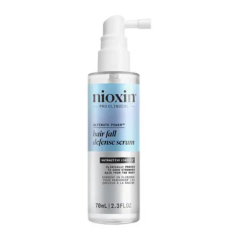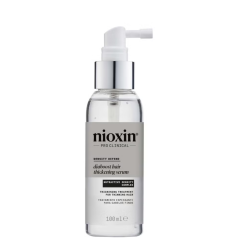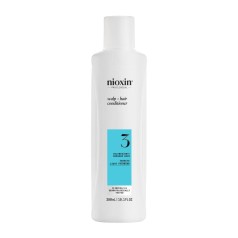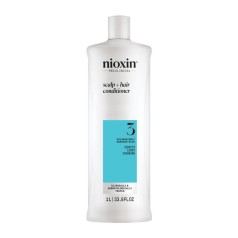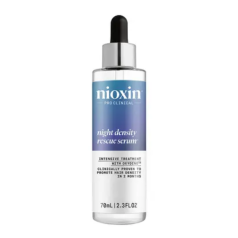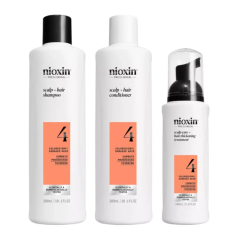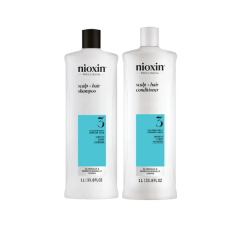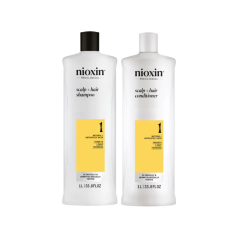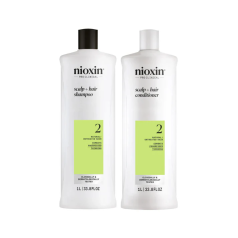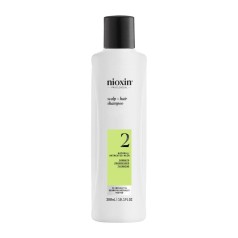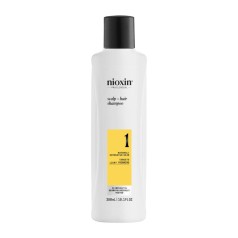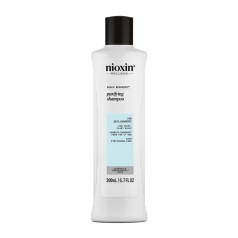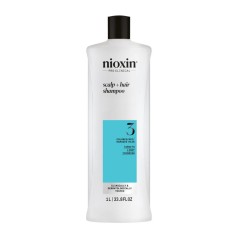
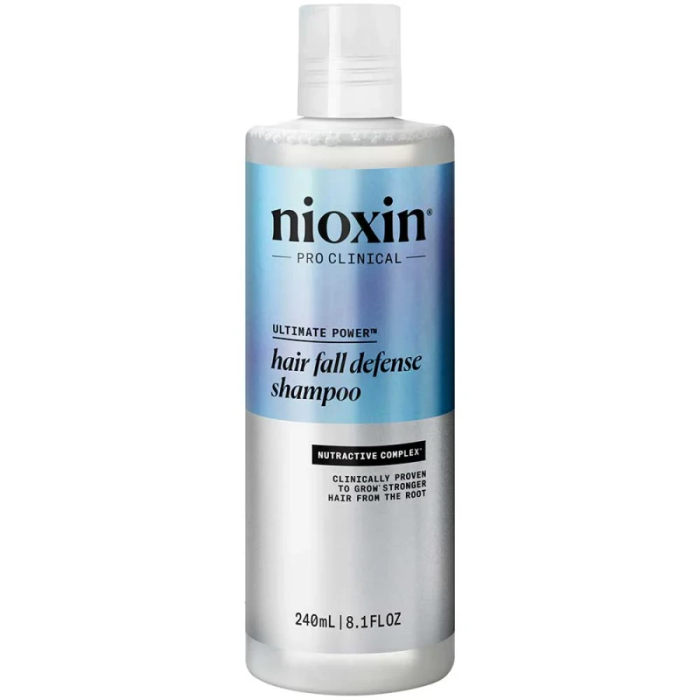
Nioxin Hair Fall Defense Shampoo
-
Delivery
-
Click & Collect
Free Click and collect is available at checkout. Orders are ready within 1 hour during opening hours. Store Address: 56 Parer Rd, Airport West, VIC Australia 3042 Phone (03) 9999 5902
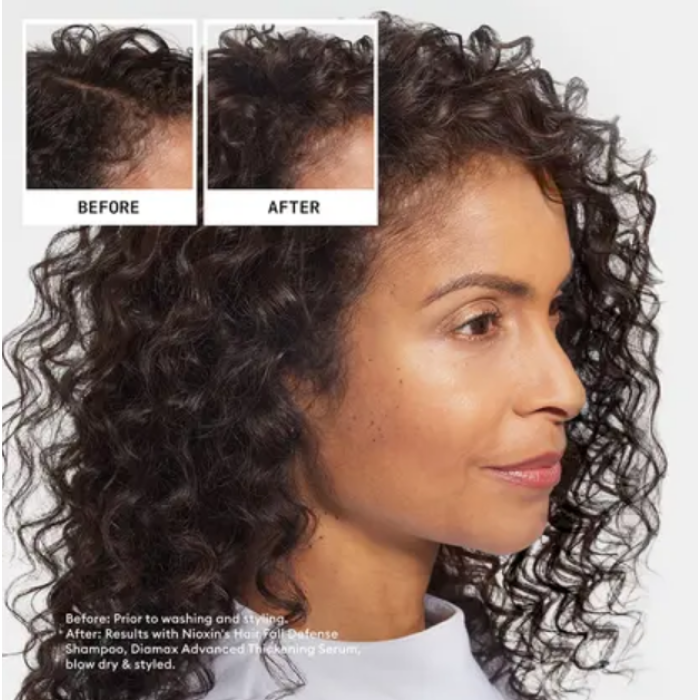
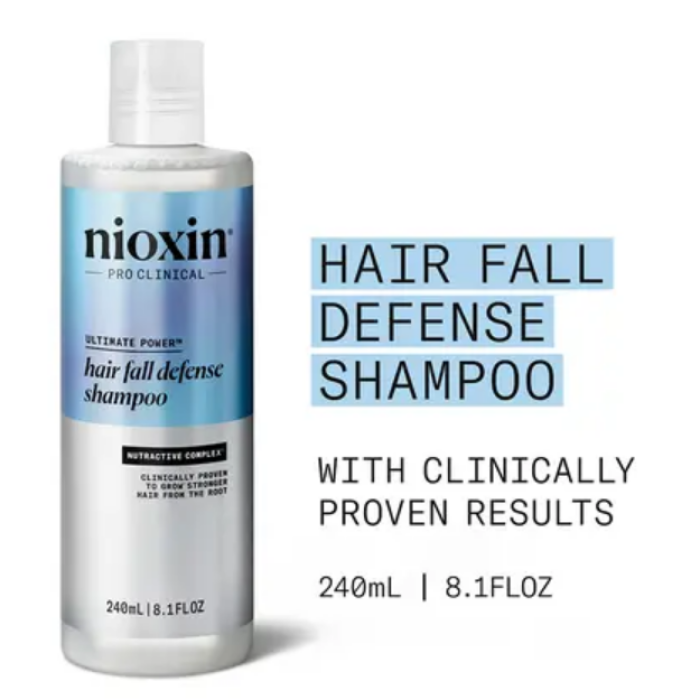
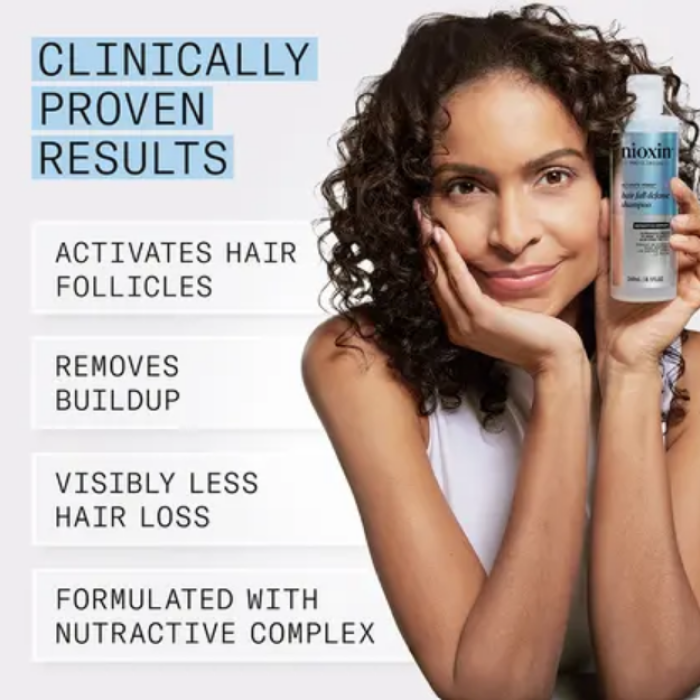
Nioxin Hair Fall Defense Shampoo is a deep-cleansing shampoo designed to reduce hair fall and promote stronger hair from the root. Clinically proven to reduce hair fall by 93% in 12 weeks, this shampoo works by removing impurities and excess oil, creating an optimal environment for hair growth¹.
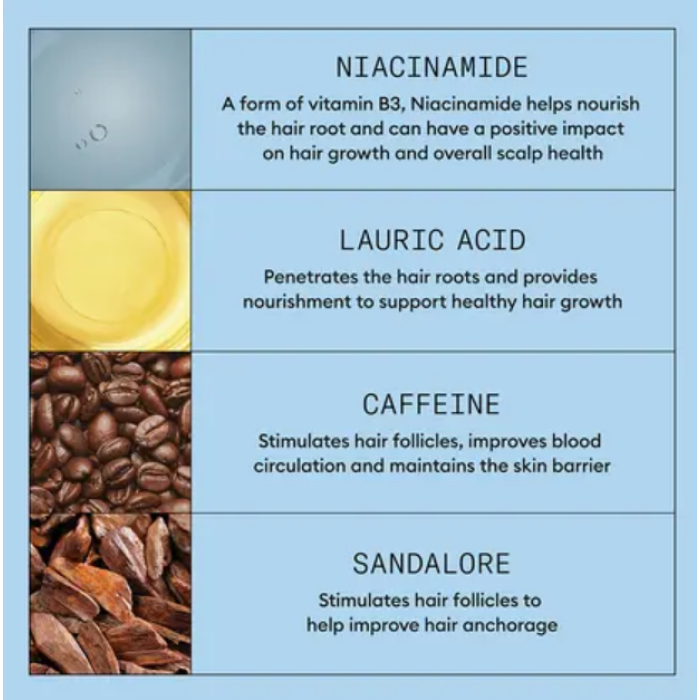
Formulated with a powerful blend of niacinamide, caffeine, lauric acid, and SANDALORE™, the shampoo helps to stimulate hair follicles and nourish the scalp. It targets thinning hair and enhances the health of both the scalp and hair strands, leaving hair visibly stronger and more resilient. For best results, use the shampoo daily, massaging it into the scalp for 2 minutes before rinsing thoroughly.
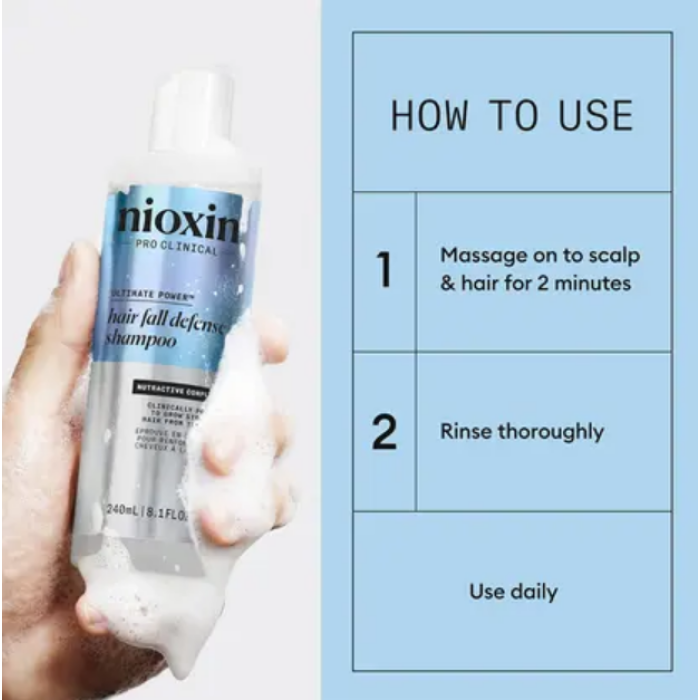
How To Use Nioxin Hair Fall Defense Shampoo
To use, massage shampoo on to scalp & hair for 2 minutes. Rinse thoroughly. Use daily for best results.
Nioxin Hair Fall Defense Shampoo Ingredients
Aqua/water/eau, Sodium Laureth Sulfate, Sodium Lauryl Sulfate, Cocamidopropyl Betaine, Caffeine, Sandalore, Sodium Benzoate, Citric Acid, Mentha Arvensis Leaf Oil, Panthenol, Salicylic Acid, Lauric Acid, Niacinamide, Trisodium Ethylenediamine Disuccinate, Methylparaben, Polyquaternium-10, Mentha Piperita (Peppermint) Oil, Sodium Hydroxide, Limonene, Biotin, Alcohol, Tocopherol, Sodium Citrate, Sodium Chloride, Sodium Xylenesulfonate.
-
Aqua SolventsSolvent
The water base that carries and dissolves the other ingredients in most products.
May suitAll hair and skin types.
Worth knowingAlmost always the first ingredient listed in water-based products.
-
Sodium Laureth Sulfate Cleansers / surfactantsCleanser
Helps cleanse the hair and scalp by removing oil, sweat and product build-up.
May suitOily scalps, heavy product users and people who like a strong cleanse.
Worth knowingMay feel too cleansing for some dry, curly, colour-treated or sensitive hair types. This depends on the full formula and your hair needs.
-
Sodium Lauryl Sulfate Cleansers / surfactantsCleanser
A cleansing surfactant that removes oil and build-up from the hair and scalp.
May suitOily scalps and routines that need a strong, clarifying wash.
Worth knowingCan be more cleansing than gentler surfactants. Many people use it happily, while others prefer milder options for everyday washing.
-
Cocamidopropyl Betaine Cleansers / surfactantsCleanser / foam booster
A milder co-surfactant that helps cleanse, boost foam and soften the feel of stronger cleansers.
May suitMost hair types, including those wanting a gentler wash.
Worth knowingOften paired with other surfactants to make a formula feel milder.
-
Caffeine Anti-dandruff / scalp careScalp-support ingredient
Caffeine is used in haircare to help support scalp vitality and create an energised feel.
May suitPeople interested in scalp-focused formulas or products aimed at maintaining the appearance of fuller, energised hair.
Worth knowingIt is often included in shampoos, tonics and leave‑ins to complement other scalp-care ingredients. Its effects are generally most noticeable when used consistently.
-
Sodium Benzoate PreservativesPreservative
Helps protect water-based products from spoilage so they stay usable.
May suitAll products that need a preservative system.
Worth knowingOften paired with other preservatives for broad protection.
-
Citric Acid pH adjusterspH adjuster
Fine-tunes the product pH, which can help the hair surface feel smooth.
May suitMost hair types as part of a balanced formula.
Worth knowingUsually present in small amounts to balance the formula.
-
Mentha Arvensis Leaf Oil Botanical extractsRefreshing botanical oil
A mint-derived essential oil used to provide a fresh scent and a cooling, invigorating feel.
May suitThose who enjoy refreshing, minty sensations or products designed to invigorate the scalp.
Worth knowingIt is commonly used in haircare for its characteristic aroma and cooling effect. Essential oils are typically included at low levels to support sensory benefits.
-
Panthenol Conditioning agentsConditioning agent
Helps condition, soften and add a smooth, healthy feel to the hair.
May suitMost hair types, especially dry or dull hair.
Worth knowingA versatile, well-tolerated conditioning ingredient.
-
Salicylic Acid Exfoliating acidsScalp exfoliant
Helps dissolve dead skin buildup on the scalp and supports a clearer, fresher surface.
May suitPeople dealing with flaky scalps, congestion or product buildup.
Worth knowingIt is widely used in scalp-care formulas because it breaks down excess oils and debris without needing physical scrubbing. Often found in dandruff-control products.
-
Lauric Acid Conditioning agentsEmollient fatty acid
Lauric Acid is a saturated fatty acid that helps soften and smooth hair.
May suitThose looking for conditioning support or richer, more emollient formulas.
Worth knowingIt is naturally found in coconut and palm-derived oils and is commonly used to enhance texture and conditioning performance in haircare products.
-
Niacinamide Anti-dandruff / scalp careScalp-supporting vitamin
Niacinamide is a form of vitamin B3 that helps support a balanced scalp environment and improve hair resilience.
May suitThose looking to support scalp comfort, strengthen hair, or maintain a healthy-looking scalp barrier.
Worth knowingIt is commonly used in both skincare and haircare for its soothing and barrier-supporting properties. It pairs well with many other ingredients and is generally well tolerated.
-
Trisodium Ethylenediamine Disuccinate Chelating agentsChelating agent
Helps bind metal ions in formulas to improve product stability and performance.
May suitPeople in hard‑water areas who want products that rinse cleanly and maintain consistent results.
Worth knowingIt supports formula stability and can help prevent mineral build‑up that may affect how products feel or work on the hair.
-
Methylparaben PreservativesPreservative
Helps protect haircare products by preventing microbial spoilage.
May suitAnyone who wants products to stay fresh and stable over time.
Worth knowingParabens like methylparaben are widely used because they are effective in very small amounts and have a long history of use in cosmetics. They help maintain product quality, especially in water-based formulas.
-
Polyquaternium-10 Conditioning agentsConditioning agent
A conditioning polymer that smooths the hair surface and helps with detangling and feel.
May suitMost hair types wanting smoother, easier-to-manage hair.
Worth knowingWidely used in shampoos and conditioners for slip and softness.
-
Mentha Piperita (Peppermint) Oil Botanical extractsBotanical essential oil
Provides a cooling, refreshing effect and adds natural aroma to haircare products.
May suitThose who enjoy invigorating, minty formulas or products designed to refresh the scalp.
Worth knowingPeppermint oil is commonly used in small amounts for its sensory benefits and perceived scalp‑refreshing qualities. As with many essential oils, sensitivity varies between individuals.
-
Sodium Hydroxide pH adjusterspH adjuster
Helps control and stabilise the pH of haircare formulations.
May suitThose interested in how product pH affects scalp comfort or hair cuticle behaviour.
Worth knowingIt is used in very small amounts to bring a formula to the desired pH range. Once adjusted, it does not act as a strong alkaline agent in the finished product.
-
Limonene Fragrance ingredientsFragrance component
A fragrance component that also occurs naturally in many citrus and plant oils.
Worth knowingA fragrance component that must be listed separately on labels because a minority of people can be sensitive to it. Its presence is normal, required disclosure and is not a quality signal.
-
Biotin Anti-dandruff / scalp careScalp-supporting vitamin
Biotin is a B‑vitamin used in haircare to support the condition of the scalp and hair fibre.
May suitThose looking for formulas that help maintain a healthy-feeling scalp or the appearance of stronger hair.
Worth knowingIn topical products it is used in small amounts to complement other strengthening or scalp-care ingredients. Its effects are supportive rather than dramatic on its own.
-
Alcohol SolventsSolvent and drying agent
Helps dissolve other ingredients and can aid quick drying in styling products.
May suitThose using sprays or styling products that benefit from fast evaporation.
Worth knowingIn haircare, this typically refers to ethanol or denatured alcohol, which helps formulas feel lighter and dry faster. Its effect depends on the overall product balance and supporting conditioning ingredients.
-
Tocopherol PreservativesAntioxidant
An antioxidant that helps support product stability and can provide conditioning benefits to hair.
May suitThose wanting added nourishment or antioxidant support in their haircare routine.
Worth knowingTocopherol is commonly included to help protect oils in a formula from oxidising and to offer light conditioning benefits. It is widely used in both skincare and haircare products.
-
Sodium Citrate pH adjusterspH adjuster
Sodium Citrate helps maintain or adjust the pH of haircare formulas.
May suitAnyone using products designed to stay within a specific pH range, such as colour‑treated or chemically treated hair.
Worth knowingIt also has mild chelating abilities, helping formulas remain stable in the presence of minerals found in water. Its use supports the consistency and performance of many shampoos and conditioners.
-
Sodium Chloride Thickeners and stabilisersViscosity adjuster
Sodium Chloride is used to adjust the thickness of shampoos and other cleansing formulas.
May suitThose interested in how a product’s texture and lather are achieved.
Worth knowingIt is a simple mineral salt that helps create a familiar shampoo feel and can influence how a cleanser spreads through the hair.
-
Sodium Xylenesulfonate Cleansers / surfactantsHydrotrope / surfactant helper
Helps dissolve and stabilise cleansing ingredients so formulas stay uniform and effective.
May suitPeople using shampoos or cleansers that need a consistent texture and even distribution.
Worth knowingIt is commonly used as a hydrotrope, meaning it helps surfactants blend smoothly and maintain the right viscosity. It does not typically contribute strong cleansing on its own.