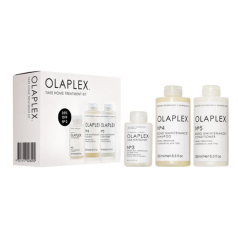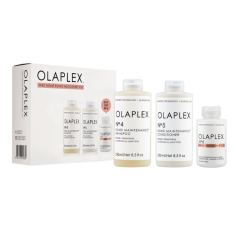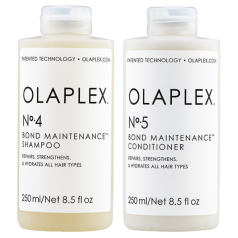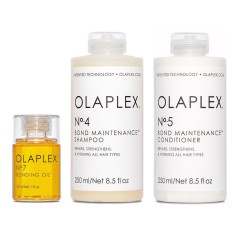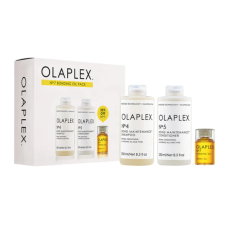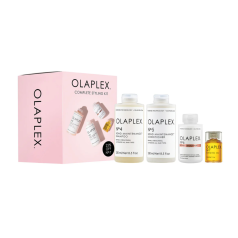


Valued at $34.95.


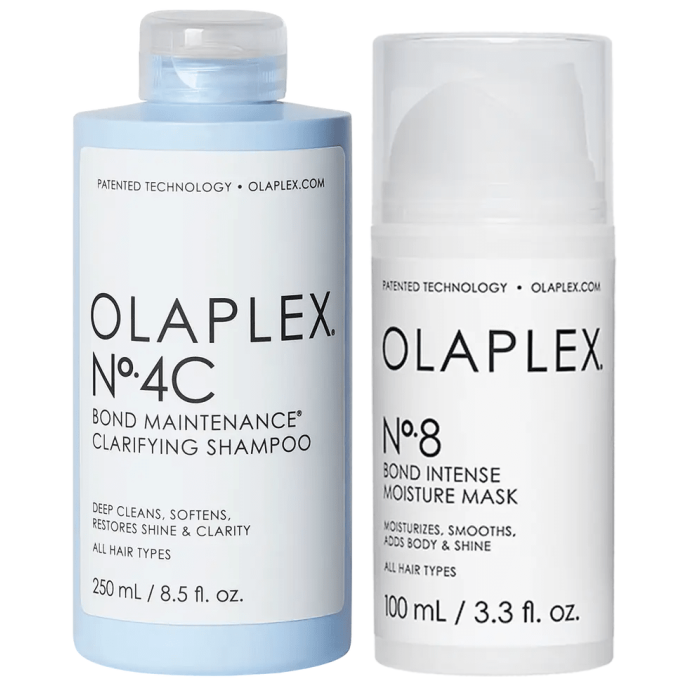
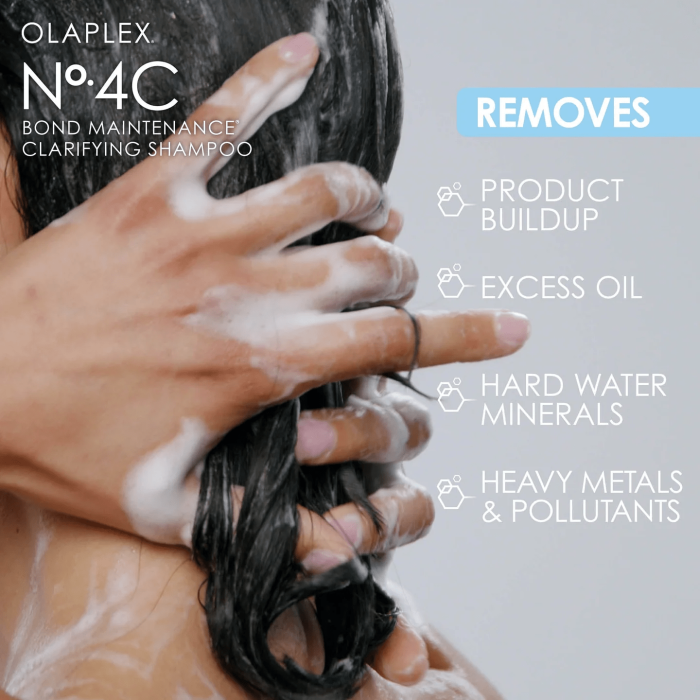
- Nº.4C Bond Maintenance® Clarifying Shampoo - Deep clean with airy volume & softness.
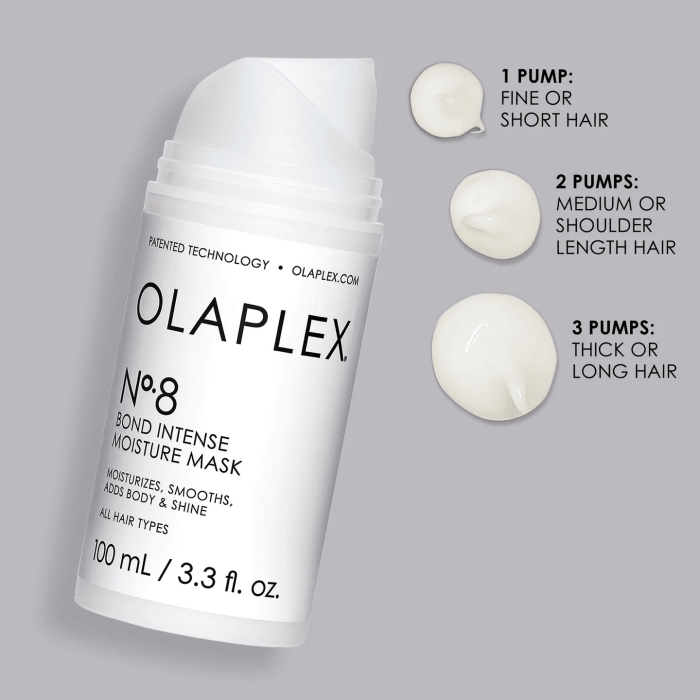
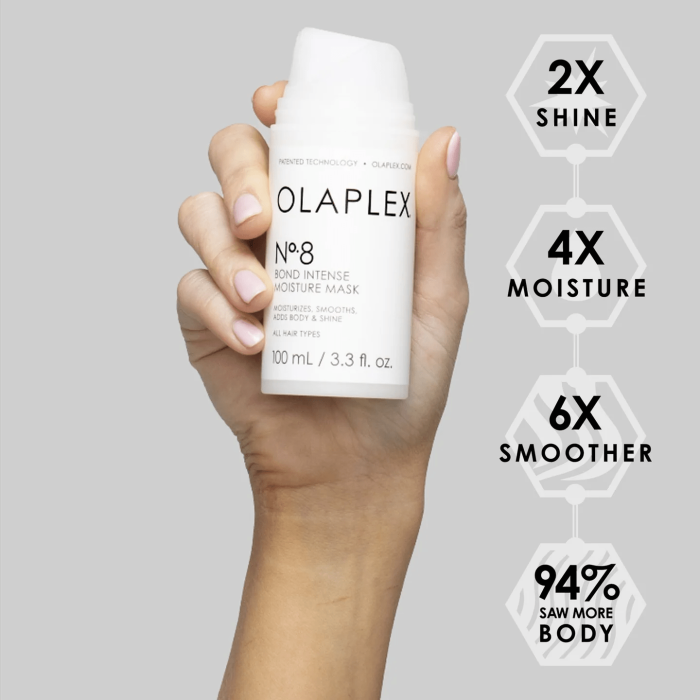
- Nº.8 Bond Intense Moisture Mask - 2X shine, 4X moisture, 6X smoother
Are you tired of dealing with hair that looks dull and feels unmanageable? The Olaplex Deep Cleanse and Moisture Duo is the perfect solution for you. This hair revival routine includes No. 4C Bond Maintenance® Clarifying Shampoo and No. 8 Bond Intense Moisture Mask, which work together to restore, purify, and moisturise your hair.
First, the clarifying shampoo removes damaging buildup from your hair, leaving it looking and feeling clean and refreshed. This shampoo also helps to add airy volume and softness, as well as vibrant colour clarity. Next, the intense moisture mask provides weightless, reparative moisture that will leave your hair looking and feeling its best. This mask also helps to add shine, smoothness, and body to your hair.
This Olaplex duo is perfect for anyone who wants to achieve visibly healthier hair. The products are cruelty-free, gluten-free, nut-free, paraben-free, PH-balanced, phosphate-free, phthalate-free, vegan, and sulfate-free. So, you can be sure that you are using high-quality products that are not only effective but also safe and gentle on your hair. Try the Olaplex Deep Cleanse and Moisture Duo today and experience the difference for yourself!
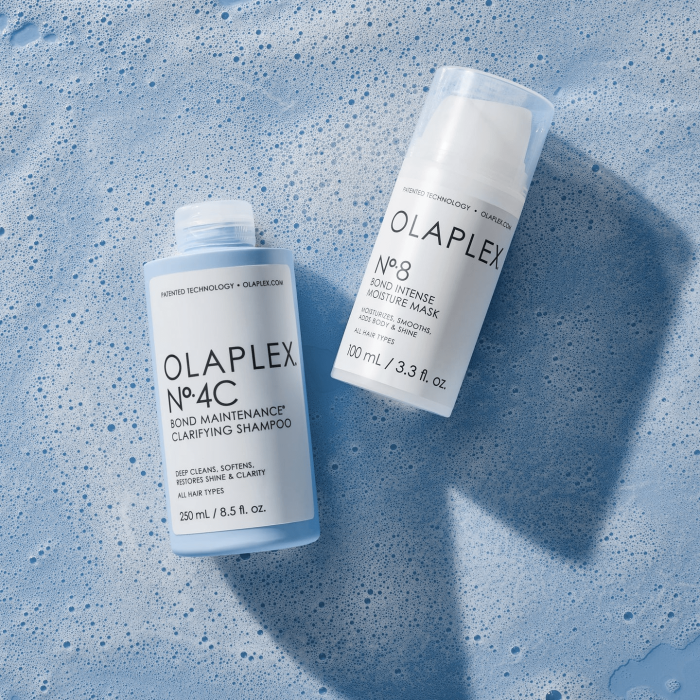
Olaplex Deep Cleanse & Moisture Duo includes:
Olaplex Nº.4C Bond Maintenance Clarifying Shampoo (250 mL)
Olaplex Nº.8 Bond Intense Moisture Mask (100 mL)
How To Use Olaplex Deep Cleanse & Moisture Duo
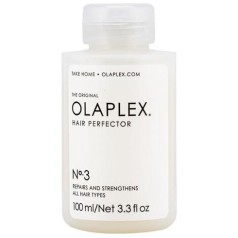
Nº.0: Evenly distribute from root to tip.Nº.3: Apply from scalp to ends.
Nº.4: Concentrate on the scalp and work through to ends.
Nº.5: Apply root to tip, focusing on mid-lengths to ends.
Nº.0: Use weekly or 2-3 times a week for very damaged hair as the first step in a two-step routine with Nº.3 before cleansing.
Nº.3: Use weekly or 2-3 times a week for very damaged hair as the second step in a two-step routine–a pre-shampoo treatment after Nº.0.
Nº.4: Use daily or any time you cleanse your hair.
Nº.5: Use after Nº.4 daily or any time you cleanse and condition.
Olaplex Deep Cleanse & Moisture Duo Ingredients
-
Aqua SolventsSolvent
The water base that carries and dissolves the other ingredients in most products.
May suitAll hair and skin types.
Worth knowingAlmost always the first ingredient listed in water-based products.
-
Sodium Lauroyl Methyl Isethionate Cleansers / surfactantsGentle cleansing surfactant
A mild, sulphate-free surfactant that helps cleanse hair and scalp while creating a soft, creamy lather.
May suitPeople looking for a gentle, low-irritation cleansing option or those using sulphate-free shampoos.
Worth knowingIt is known for being milder than many traditional surfactants and is often used in formulas designed to maintain softness after washing.
-
Cocamidopropyl Hydroxysultaine Cleansers / surfactantsMild surfactant
A gentle, foam-boosting surfactant that helps cleanse hair without excessive stripping.
May suitThose looking for mild cleansing, including people with dry, curly or colour-treated hair.
Worth knowingIt is commonly used alongside other surfactants to create a balanced, gentle cleansing system. It can also help improve the texture and thickness of formulations.
-
Sodium Lauroyl Glutamate Cleansers / surfactantsMild surfactant
A gentle amino‑acid‑based cleanser that helps lift away oils and buildup.
May suitPeople looking for mild cleansing, including those with dry, fine or colour‑treated hair.
Worth knowingIt is known for producing a soft, low‑irritancy lather and is often used in gentler shampoo formulas. It can also support a smoother feel compared with stronger surfactants.
-
Coco-Betaine Cleansers / surfactantsMild surfactant
A mild, coconut-derived surfactant that helps cleanse and create a soft lather.
May suitPeople looking for gentle cleansing that doesn't feel stripping.
Worth knowingIt is often used alongside other surfactants to improve foam quality and overall mildness. Common in shampoos designed for frequent use.
-
Disodium Laureth Sulfosuccinate Cleansers / surfactantsMild cleansing surfactant
A gentle surfactant that helps cleanse the hair and scalp by lifting away oils and impurities.
May suitPeople looking for a milder alternative to traditional sulphate surfactants.
Worth knowingIt is often used in gentle or colour-care formulas because it provides effective cleansing with a softer feel. Despite the name, it is typically considered milder than many common sulphate surfactants.
-
Acrylates Copolymer Thickeners and stabilisersFilm-forming polymer
Acrylates Copolymer helps form a lightweight film that supports hold, texture and product stability.
May suitPeople looking for enhanced styling hold or frizz control.
Worth knowingIt is widely used in styling products to help shape and set the hair without feeling heavy. It also contributes to product consistency and spreadability.
-
Cocamidopropyl Betaine Cleansers / surfactantsCleanser / foam booster
A milder co-surfactant that helps cleanse, boost foam and soften the feel of stronger cleansers.
May suitMost hair types, including those wanting a gentler wash.
Worth knowingOften paired with other surfactants to make a formula feel milder.
-
Cocamidopropylamine Oxide Cleansers / surfactantsFoam booster / mild surfactant
A mild surfactant that boosts foam and helps cleanse while supporting product texture.
May suitPeople looking for gentle yet effective cleansing or a rich, creamy lather in shampoos.
Worth knowingIt is often used alongside other surfactants to improve mildness and enhance foam quality. It also helps stabilise formulations and improve rinsability.
-
Sodium Methyl Oleoyl Taurate Cleansers / surfactantsMild surfactant
A gentle, lathering surfactant that helps cleanse the hair and scalp.
May suitThose looking for a milder alternative to stronger cleansing agents.
Worth knowingIt is part of a group of taurine-based surfactants known for balancing cleansing ability with a softer feel on hair and skin. It is often used in formulas designed to maintain moisture while removing buildup.
-
Decyl Glucoside Cleansers / surfactantsGentle surfactant
A mild, plant-derived surfactant that helps cleanse the hair and scalp.
May suitPeople looking for gentle or low-foaming cleansing options.
Worth knowingIt is commonly used in sulphate-free formulas due to its mildness and compatibility with sensitive scalps. It can also help improve the spreadability of a formula.
-
Bis-Aminopropyl Diglycol Dimaleate Conditioning agentsBond-building conditioning agent
Helps support and reinforce hair’s internal bonds to improve strength and feel.
May suitPeople with colour-treated, heat-styled or chemically processed hair seeking added resilience.
Worth knowingIt is known for its use in bond-building treatments that work alongside regular conditioners. It supports the hair structure rather than coating it heavily.
-
Sodium Lauryl Sulfoacetate Cleansers / surfactantsCleansing surfactant
A mild surfactant that helps create lather and lift away excess oils and build-up.
May suitPeople looking for effective cleansing with a gentler feel than traditional sulphate surfactants.
Worth knowingIt is often used in shampoos where a rich, foamy lather is desired without a stripped feel. Its molecule is larger than some classic sulphates, which can give it a milder profile on the hair and scalp.
-
Phenoxyethanol PreservativesPreservative
Helps keep the product stable and pleasant to use after opening.
May suitAll products that need protecting from spoilage.
Worth knowingA very common, well-studied preservative used at low levels.
-
Coco-Glucoside Cleansers / surfactantsGentle cleanser
A gentle, plant-derived surfactant used in milder cleansing formulas.
May suitSensitive scalps and people seeking a gentle, sulphate-free cleanse.
Worth knowingCommon in gentle and sulphate-free shampoos.
-
Lauryl Glucoside Cleansers / surfactantsMild surfactant
A gentle, plant-derived surfactant used to cleanse hair and help products foam.
May suitThose looking for mild cleansing, including people with sensitive scalps or dry hair.
Worth knowingIt is part of the alkyl glucoside family, known for creating a soft, low-irritation lather. It is often blended with other surfactants to balance foam and cleansing strength.
-
Chlorphenesin PreservativesPreservative
Chlorphenesin helps keep haircare products fresh by supporting protection against microbial growth.
May suitThose looking for products with reliable preservation, especially in creams, lotions or styling formulas.
Worth knowingIt is commonly used in cosmetics at low levels to help maintain product quality over time. It works alongside other preservatives to support formula stability.
-
Panthenol Conditioning agentsConditioning agent
Helps condition, soften and add a smooth, healthy feel to the hair.
May suitMost hair types, especially dry or dull hair.
Worth knowingA versatile, well-tolerated conditioning ingredient.
-
Sodium Benzoate PreservativesPreservative
Helps protect water-based products from spoilage so they stay usable.
May suitAll products that need a preservative system.
Worth knowingOften paired with other preservatives for broad protection.
-
Polyquaternium-11 Conditioning agentsFilm-forming conditioner
A film-forming polymer that helps smooth, condition and lightly hold the hair.
May suitPeople looking for improved manageability, frizz control or soft styling hold.
Worth knowingIt is commonly used in both shampoos and styling products because it enhances slip and helps hair feel smoother. It can also support curl definition and reduce static.
-
Benzoic Acid PreservativesPreservative
Helps protect haircare products by supporting the preservation system and maintaining formula stability.
May suitThose who want products that remain fresh and effective throughout their shelf life.
Worth knowingBenzoic Acid is often used alongside other preservatives to create a broad-spectrum system. It also plays a minor role in helping maintain a product’s pH balance.
-
Sodium PCA HumectantsMoisture-binding humectant
Sodium PCA helps attract and hold moisture in the hair and scalp.
May suitThose looking to improve hair hydration, softness, or manageability.
Worth knowingIt is a component of the skin and scalp’s natural moisturising factors and is well tolerated in most formulations.
-
Sodium Lactate HumectantsMoisture-binding humectant
Helps attract and hold moisture in the hair and scalp.
May suitThose seeking added hydration, improved manageability, or support for dry scalp.
Worth knowingIt is a salt of lactic acid often used to enhance moisture retention and support a balanced formula. It can also contribute mild pH-buffering benefits depending on the product.
-
Arginine Proteins and amino acidsAmino acid
An amino acid used to support hair strength and maintain moisture balance.
May suitThose looking for formulas that help with hair resilience or hydration.
Worth knowingArginine is naturally present in the hair’s keratin structure and is commonly added to strengthening or repairing products. It is also used in some formulations to help support scalp comfort.
-
Aspartic Acid Proteins and amino acidsAmino acid conditioning support
Aspartic Acid is an amino acid used to help support hair conditioning and moisture retention.
May suitThose looking for formulas that help improve softness or replenish amino acids in chemically treated or dry hair.
Worth knowingIt is often included as part of amino acid blends that help maintain the hair’s moisture balance. Its effects are subtle but can contribute to an overall conditioning system.
-
Pyrrolidone Carboxylic Acid HumectantsMoisture-binding humectant
A humectant that helps attract and hold moisture in the hair and scalp.
May suitThose with dry or dehydrated hair seeking improved softness and manageability.
Worth knowingPCA is related to naturally occurring moisturising factors found in skin and hair. It is often used alongside other humectants for balanced hydration.
-
Citric Acid pH adjusterspH adjuster
Fine-tunes the product pH, which can help the hair surface feel smooth.
May suitMost hair types as part of a balanced formula.
Worth knowingUsually present in small amounts to balance the formula.
-
Glycine Proteins and amino acidsAmino acid
An amino acid that helps support hair softness and overall hair fibre condition.
May suitThose looking to improve hair manageability or support moisture balance.
Worth knowingGlycine is often included as part of amino acid blends used to condition and reinforce the hair fibre. It can also appear in gentle cleansing systems and care-focused formulations.
-
Alanine Proteins and amino acidsAmino acid conditioner
Alanine is an amino acid used to help condition and support hair feel and manageability.
May suitPeople looking for gentle conditioning ingredients or formulas designed to support softness without heaviness.
Worth knowingAmino acids like alanine are often included in haircare to complement protein or moisture-focused formulas. They can contribute to a smooth, hydrated feel.
-
Serine Proteins and amino acidsAmino acid conditioner
Serine is an amino acid used to support moisture balance and improve the feel of hair.
May suitThose seeking lightweight hydration or formulas that help smooth and soften hair.
Worth knowingAmino acids like serine are often included in conditioning or strengthening blends to complement other hair-hydrating ingredients. They can be used in many types of haircare from shampoos to treatments.
-
Valine Proteins and amino acidsAmino acid
Valine is an amino acid used to help support the hair’s conditioning profile and overall feel.
May suitThose interested in formulas that include amino acids to help maintain soft, manageable hair.
Worth knowingAmino acids can complement conditioning systems by supporting moisture balance and hair feel. They are often included in small amounts as part of complex ingredient blends.
-
Proline Proteins and amino acidsAmino acid conditioner
An amino acid that helps support hair feel, softness and overall conditioning.
May suitThose looking for formulas that help improve hair manageability or support lightly replenishing treatments.
Worth knowingAmino acids like proline are often included in small amounts to complement conditioning systems and support the hair’s natural protein structure.
-
Threonine Proteins and amino acidsAmino acid
Threonine is an amino acid used to support hair conditioning and strength.
May suitThose looking for formulas that help maintain softness and support the hair’s protein structure.
Worth knowingAmino acids are often included in haircare to help improve the feel and manageability of the hair fibre. They can complement other conditioning and strengthening ingredients in a formula.
-
Histidine Proteins and amino acidsAmino acid conditioning agent
Histidine is an amino acid used to support hair strength and help improve manageability.
May suitThose looking for formulas that help reinforce hair structure or support colour-treated or weakened hair.
Worth knowingAmino acids like histidine can complement protein-based routines by helping maintain the hair’s natural building blocks. It is often included in small amounts to support overall formula performance.
-
Phenylalanine Proteins and amino acidsAmino acid
An amino acid used to help support the hair’s strength and overall feel.
May suitThose looking for formulas that include amino acids for lightweight conditioning or strengthening benefits.
Worth knowingAmino acids like phenylalanine are often included in haircare to complement other conditioning or repair-focused ingredients.
-
Parfum Fragrance ingredientsFragrance
Gives the product its scent.
May suitPeople who enjoy a scented product.
Worth knowingFragrance preference is personal. Some people prefer fragrance-free formulas by choice.
-
Citral Fragrance ingredientsFragrance component
Citral is a fragrance ingredient used to provide a fresh, citrus-like scent.
May suitThose who enjoy citrus-style fragrances or want products with a fresh aromatic profile.
Worth knowingCitral is naturally present in several essential oils and is listed on labels because it is a recognised fragrance allergen. Only small amounts are typically used to adjust or enhance a product’s scent.
-
Hexyl Cinnamal Fragrance ingredientsFragrance component
A fragrance ingredient used to give products a light, floral scent.
May suitThose who enjoy subtly scented haircare products.
Worth knowingIt is one of the fragrance components that must be listed separately when present above certain levels. People with known fragrance sensitivities may choose to monitor for it.
-
Aqua SolventsSolvent
The water base that carries and dissolves the other ingredients in most products.
May suitAll hair and skin types.
Worth knowingAlmost always the first ingredient listed in water-based products.
-
Dimethicone SiliconesSlip and shine agent
Smooths the hair surface, adds slip and shine and helps reduce frizz.
May suitFrizz-prone, coarse or dry hair wanting a smooth, glossy finish.
Worth knowingSome people prefer silicone-free formulas, especially for certain curl routines. It is widely used and helpful in many smoothing products.
-
Cetyl Alcohol Conditioning agentsEmollient and texture enhancer
Cetyl Alcohol helps soften the hair and gives products a smooth, creamy texture.
May suitThose looking for conditioning, slip, or richer textures in their haircare products.
Worth knowingDespite the name, fatty alcohols like cetyl alcohol are non‑drying and are commonly used to add emollience and stability to formulations.
-
Persea Gratissima Oil Oils and buttersNourishing plant oil
A rich plant oil that helps condition and soften the hair.
May suitDry, coarse or damaged hair types that benefit from added softness and smoothness.
Worth knowingIt is valued for its emollient properties and is often included to support a smoother feel and appearance. It can also help enhance suppleness without weighing hair down when used in balanced formulations.
-
Glycerin HumectantsHumectant
Attracts and holds water to help hair feel hydrated and soft.
May suitDry or dehydrated hair, and many curl and moisture routines.
Worth knowingA very common, well-tolerated humectant used across countless products.
-
Stearyl Alcohol Conditioning agentsEmollient and thickener
A fatty alcohol that helps soften the hair and give products a smooth, creamy texture.
May suitPeople looking for conditioners or treatments that provide slip, softness and richer textures.
Worth knowingAlthough called an alcohol, it is a waxy, non‑drying fatty alcohol commonly used to enhance conditioning performance and product stability.
-
Ethylhexyl Olivate Conditioning agentsEmollient conditioner
A lightweight emollient that helps smooth and soften the hair.
May suitThose looking for added slip, softness, or a lighter alternative to heavier oils.
Worth knowingIt is derived from olive oil and is often used to give hair a silky, conditioned feel without weighing it down. It also helps improve blendability in formulations.
-
Behentrimonium Chloride Conditioning agentsConditioning agent
A conditioning agent that helps detangle and soften, reducing static and roughness.
May suitMost hair types, especially tangle-prone or coarse hair.
Worth knowingA common conditioner ingredient despite the chloride name, which simply describes its chemistry.
-
Cetrimonium Bromide Conditioning agentsConditioning agent
A cationic conditioning agent that helps smooth and detangle hair.
May suitThose looking for improved slip, reduced static and easier detangling.
Worth knowingIt is commonly used in conditioners and treatments to enhance softness and manageability. It also offers some mild antimicrobial benefits in formulations.
-
Limnanthes Alba Seed Oil Oils and buttersNourishing plant oil
A lightweight plant oil that helps soften and smooth the hair.
May suitThose looking to boost shine, reduce frizz, or add light nourishment without heaviness.
Worth knowingIt is prized for its stability and ability to add a soft, conditioned feel to hair without a greasy finish.
-
Oryza Sativa (Rice) Bran Oil Oils and buttersEmollient oil
A lightweight plant oil that helps condition and soften the hair.
May suitThose seeking added softness, shine, or nourishment without a heavy feel.
Worth knowingRice bran oil is rich in fatty acids and antioxidants, which can support a smooth, conditioned hair feel. It is commonly used in both leave‑in and rinse‑off formulas.
-
Quaternium-80 Conditioning agentsConditioning agent
A conditioning polymer that helps smooth and soften hair while reducing static.
May suitPeople seeking improved manageability, reduced frizz or a silkier feel in their hair.
Worth knowingIt is a cationic ingredient that deposits easily on the hair surface to enhance slip and detangling. Commonly used in conditioners, masks and leave-ins for a smoother finish.
-
Squalane Oils and buttersLightweight emollient
Squalane is a lightweight emollient that helps smooth and soften the hair.
May suitThose seeking added softness, shine and frizz control without a heavy or greasy feel.
Worth knowingIt is often derived from plant sources such as sugarcane and is valued for its stability and non-greasy texture. It is suitable for most hair types, including fine hair, due to its lightness.
-
Ceramide AP Conditioning agentsLipid-replenishing conditioner
Helps reinforce the hair’s protective barrier by supplementing natural lipids.
May suitThose seeking smoother, more resilient hair or support for damaged or chemically treated hair.
Worth knowingCeramides are naturally found in hair and are often used in formulations to enhance softness and manageability. They work well alongside other conditioning agents in modern repair-focused products.
-
Ceramide NP Conditioning agentsHair-conditioning lipid
A ceramide that helps reinforce the hair’s protective barrier and support moisture retention.
May suitThose with dry, damaged or chemically treated hair seeking smoother, more resilient strands.
Worth knowingCeramides are lipids naturally present in hair and are often added to formulations to help improve feel and manageability. They can complement conditioning agents by supporting the hair’s surface structure.
-
Hydrolysed Jojoba Esters Conditioning agentsConditioning agent
A lightweight conditioning ingredient derived from jojoba that helps smooth and soften the hair.
May suitPeople looking for added softness, light conditioning, or improved manageability without heaviness.
Worth knowingHydrolysed jojoba materials can enhance slip and help reduce friction during styling. They are commonly used in both rinse-off and leave‑in formulas.
-
Sodium Hyaluronate HumectantsHydrating humectant
Draws moisture into the hair and helps maintain hydration.
May suitThose with dry, dehydrated or coarse hair seeking added softness and moisture retention.
Worth knowingIt is the salt form of hyaluronic acid and is widely used because it can hold many times its weight in water. In haircare, it helps support smoother, more manageable strands without adding heaviness.
-
Sodium PCA HumectantsMoisture-binding humectant
Sodium PCA helps attract and hold moisture in the hair and scalp.
May suitThose looking to improve hair hydration, softness, or manageability.
Worth knowingIt is a component of the skin and scalp’s natural moisturising factors and is well tolerated in most formulations.
-
Bis-Aminopropyl Diglycol Dimaleate Conditioning agentsBond-building conditioning agent
Helps support and reinforce hair’s internal bonds to improve strength and feel.
May suitPeople with colour-treated, heat-styled or chemically processed hair seeking added resilience.
Worth knowingIt is known for its use in bond-building treatments that work alongside regular conditioners. It supports the hair structure rather than coating it heavily.
-
Arginine Proteins and amino acidsAmino acid
An amino acid used to support hair strength and maintain moisture balance.
May suitThose looking for formulas that help with hair resilience or hydration.
Worth knowingArginine is naturally present in the hair’s keratin structure and is commonly added to strengthening or repairing products. It is also used in some formulations to help support scalp comfort.
-
Jojoba Esters Conditioning agentsEmollient conditioner
Jojoba Esters help soften and smooth the hair by providing lightweight conditioning and a silky feel.
May suitThose seeking lightweight conditioning that does not weigh down fine to medium hair.
Worth knowingThey are derived from jojoba oil but are more stable and have a less oily finish. Commonly used to add slip and reduce frizz in haircare formulas.
-
Panthenol Conditioning agentsConditioning agent
Helps condition, soften and add a smooth, healthy feel to the hair.
May suitMost hair types, especially dry or dull hair.
Worth knowingA versatile, well-tolerated conditioning ingredient.
-
Carthamus Tinctorius (Safflower) Seed Oil Oils and buttersLightweight plant oil
A lightweight botanical oil that helps condition and soften the hair.
May suitThose wanting smoother, more manageable hair without a heavy or greasy feel.
Worth knowingSafflower seed oil is rich in linoleic acid, which can support softness and shine. It is commonly used in both hair and skin formulations due to its light texture.
-
Cannabis Sativa Seed Oil Oils and buttersNourishing plant oil
A lightweight plant oil that helps soften and condition hair.
May suitPeople seeking added nourishment or softness without a heavy, greasy feel.
Worth knowingThis oil is valued for its balanced fatty acid profile, which supports smoothness and manageability. It is typically used to boost hydration and shine in both hair and scalp products.
-
Glycine Proteins and amino acidsAmino acid
An amino acid that helps support hair softness and overall hair fibre condition.
May suitThose looking to improve hair manageability or support moisture balance.
Worth knowingGlycine is often included as part of amino acid blends used to condition and reinforce the hair fibre. It can also appear in gentle cleansing systems and care-focused formulations.
-
Alanine Proteins and amino acidsAmino acid conditioner
Alanine is an amino acid used to help condition and support hair feel and manageability.
May suitPeople looking for gentle conditioning ingredients or formulas designed to support softness without heaviness.
Worth knowingAmino acids like alanine are often included in haircare to complement protein or moisture-focused formulas. They can contribute to a smooth, hydrated feel.
-
Serine Proteins and amino acidsAmino acid conditioner
Serine is an amino acid used to support moisture balance and improve the feel of hair.
May suitThose seeking lightweight hydration or formulas that help smooth and soften hair.
Worth knowingAmino acids like serine are often included in conditioning or strengthening blends to complement other hair-hydrating ingredients. They can be used in many types of haircare from shampoos to treatments.
-
Valine Proteins and amino acidsAmino acid
Valine is an amino acid used to help support the hair’s conditioning profile and overall feel.
May suitThose interested in formulas that include amino acids to help maintain soft, manageable hair.
Worth knowingAmino acids can complement conditioning systems by supporting moisture balance and hair feel. They are often included in small amounts as part of complex ingredient blends.
-
Isoleucine Proteins and amino acidsAmino acid
A conditioning amino acid that helps support the hair’s strength and feel.
May suitThose looking to support hair softness or maintain the integrity of damaged or chemically treated hair.
Worth knowingAmino acids like isoleucine can contribute to formulas designed to help maintain the hair’s moisture balance and resilience.
-
Proline Proteins and amino acidsAmino acid conditioner
An amino acid that helps support hair feel, softness and overall conditioning.
May suitThose looking for formulas that help improve hair manageability or support lightly replenishing treatments.
Worth knowingAmino acids like proline are often included in small amounts to complement conditioning systems and support the hair’s natural protein structure.
-
Threonine Proteins and amino acidsAmino acid
Threonine is an amino acid used to support hair conditioning and strength.
May suitThose looking for formulas that help maintain softness and support the hair’s protein structure.
Worth knowingAmino acids are often included in haircare to help improve the feel and manageability of the hair fibre. They can complement other conditioning and strengthening ingredients in a formula.
-
Guar Hydroxypropyltrimonium Chloride Conditioning agentsConditioning polymer
A conditioning polymer that helps smooth hair and improve slip.
May suitThose looking for softer, easier-to-detangle hair.
Worth knowingIt is derived from guar gum and is commonly used to enhance conditioning in shampoos and conditioners. It can also reduce static and improve manageability.
-
Histidine Proteins and amino acidsAmino acid conditioning agent
Histidine is an amino acid used to support hair strength and help improve manageability.
May suitThose looking for formulas that help reinforce hair structure or support colour-treated or weakened hair.
Worth knowingAmino acids like histidine can complement protein-based routines by helping maintain the hair’s natural building blocks. It is often included in small amounts to support overall formula performance.
-
Hydroxyethylcellulose Thickeners and stabilisersThickener and stabiliser
A polymer that helps thicken and stabilise haircare formulas.
May suitThose who prefer products with a smooth, uniform texture or need easier application and distribution.
Worth knowingIt is derived from cellulose and is widely used because it provides viscosity without weighing hair down. It also helps improve the feel and spreadability of many water-based products.
-
Phenylalanine Proteins and amino acidsAmino acid
An amino acid used to help support the hair’s strength and overall feel.
May suitThose looking for formulas that include amino acids for lightweight conditioning or strengthening benefits.
Worth knowingAmino acids like phenylalanine are often included in haircare to complement other conditioning or repair-focused ingredients.
-
Aspartic Acid Proteins and amino acidsAmino acid conditioning support
Aspartic Acid is an amino acid used to help support hair conditioning and moisture retention.
May suitThose looking for formulas that help improve softness or replenish amino acids in chemically treated or dry hair.
Worth knowingIt is often included as part of amino acid blends that help maintain the hair’s moisture balance. Its effects are subtle but can contribute to an overall conditioning system.
-
Pyrrolidone Carboxylic Acid HumectantsMoisture-binding humectant
A humectant that helps attract and hold moisture in the hair and scalp.
May suitThose with dry or dehydrated hair seeking improved softness and manageability.
Worth knowingPCA is related to naturally occurring moisturising factors found in skin and hair. It is often used alongside other humectants for balanced hydration.
-
Phosphatidylcholine Conditioning agentsEmollient and conditioning lipid
A phospholipid that helps condition hair and support smooth, soft feel.
May suitThose seeking lightweight conditioning or products designed to support the hair’s moisture balance.
Worth knowingIt is a naturally occurring lipid often used to help improve texture and spreadability in formulations. In some products it also supports the delivery of other ingredients.
-
Citric Acid pH adjusterspH adjuster
Fine-tunes the product pH, which can help the hair surface feel smooth.
May suitMost hair types as part of a balanced formula.
Worth knowingUsually present in small amounts to balance the formula.
-
Sodium Lactate HumectantsMoisture-binding humectant
Helps attract and hold moisture in the hair and scalp.
May suitThose seeking added hydration, improved manageability, or support for dry scalp.
Worth knowingIt is a salt of lactic acid often used to enhance moisture retention and support a balanced formula. It can also contribute mild pH-buffering benefits depending on the product.
-
Ethylhexylglycerin PreservativesPreservative booster
Helps support the preservation system and can provide mild skin-conditioning benefits.
May suitThose interested in gentle preservation systems or sensitive scalps may find it relevant.
Worth knowingIt is often paired with other preservatives to improve their effectiveness while allowing for lower usage levels. It also has light moisturising and conditioning properties.
-
Sodium Benzoate PreservativesPreservative
Helps protect water-based products from spoilage so they stay usable.
May suitAll products that need a preservative system.
Worth knowingOften paired with other preservatives for broad protection.
-
Phenoxyethanol PreservativesPreservative
Helps keep the product stable and pleasant to use after opening.
May suitAll products that need protecting from spoilage.
Worth knowingA very common, well-studied preservative used at low levels.
-
Bis-Cetearyl Amodimethicone SiliconesConditioning silicone
A conditioning silicone that helps smooth, soften and protect the hair.
May suitThose looking for improved manageability, reduced frizz or extra slip during styling.
Worth knowingIt forms a lightweight conditioning film that can enhance shine and detangling without a heavy feel. It is commonly used in both rinse-off and leave-in products.
-
Propylene Glycol HumectantsHumectant
Helps hold moisture and carry other ingredients through the formula.
May suitMost hair types as part of a moisturising formula.
Worth knowingA widely used humectant and carrier ingredient.
-
Isopropyl Alcohol SolventsSolvent
Helps dissolve ingredients and supports quick-drying formulas.
May suitThose using styling products that benefit from fast evaporation, such as sprays.
Worth knowingIt is commonly used at low levels to improve texture and spreadability. It evaporates quickly, leaving minimal residue on the hair.
-
Parfum Fragrance ingredientsFragrance
Gives the product its scent.
May suitPeople who enjoy a scented product.
Worth knowingFragrance preference is personal. Some people prefer fragrance-free formulas by choice.
-
Citral Fragrance ingredientsFragrance component
Citral is a fragrance ingredient used to provide a fresh, citrus-like scent.
May suitThose who enjoy citrus-style fragrances or want products with a fresh aromatic profile.
Worth knowingCitral is naturally present in several essential oils and is listed on labels because it is a recognised fragrance allergen. Only small amounts are typically used to adjust or enhance a product’s scent.
-
Hexyl Cinnamal Fragrance ingredientsFragrance component
A fragrance ingredient used to give products a light, floral scent.
May suitThose who enjoy subtly scented haircare products.
Worth knowingIt is one of the fragrance components that must be listed separately when present above certain levels. People with known fragrance sensitivities may choose to monitor for it.
-
Limonene Fragrance ingredientsFragrance component
A fragrance component that also occurs naturally in many citrus and plant oils.
Worth knowingA fragrance component that must be listed separately on labels because a minority of people can be sensitive to it. Its presence is normal, required disclosure and is not a quality signal.