-
Delivery
-
Click & Collect
Free Click and collect is available at checkout. Orders are ready within 1 hour during opening hours. Store Address: 56 Parer Rd, Airport West, VIC Australia 3042 Phone (03) 9999 5902
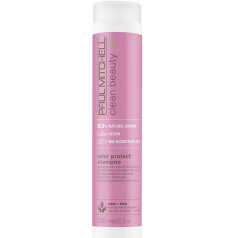
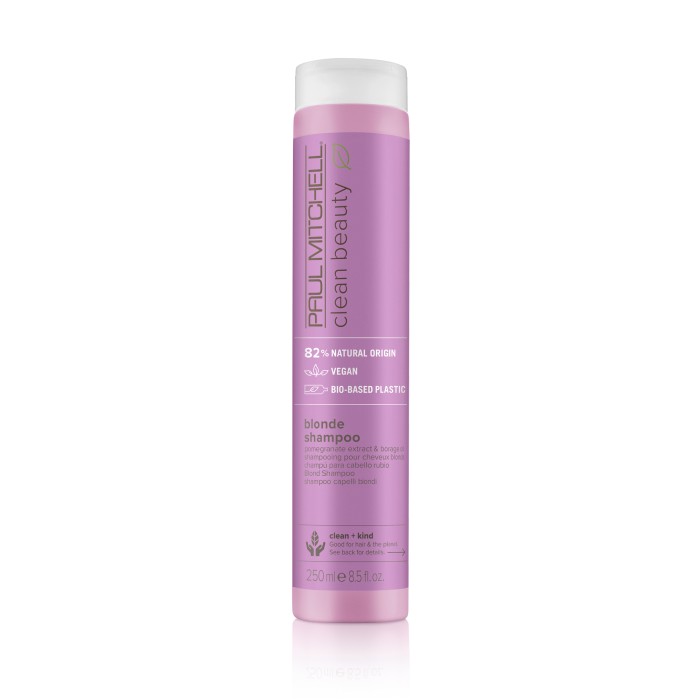
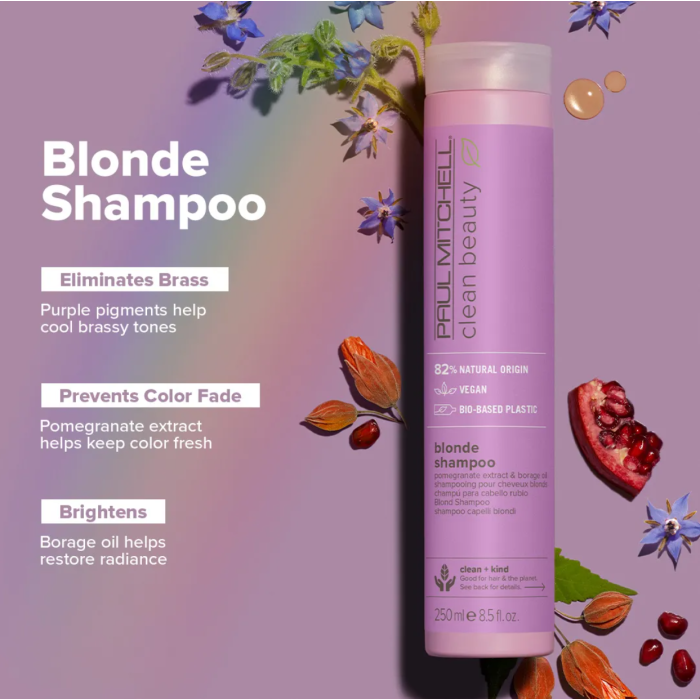
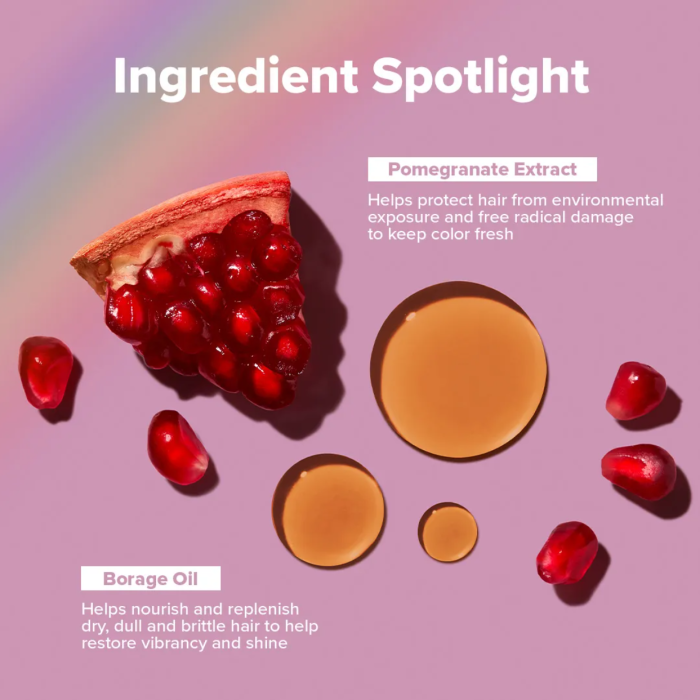
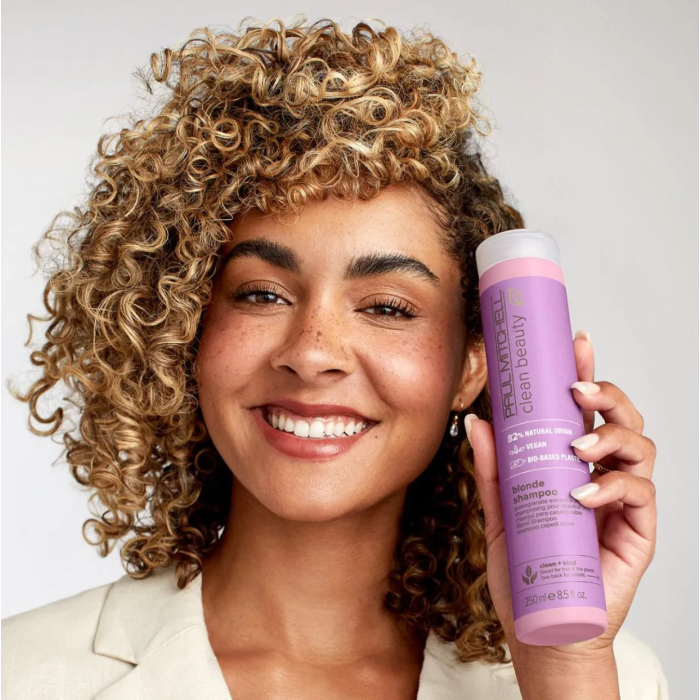
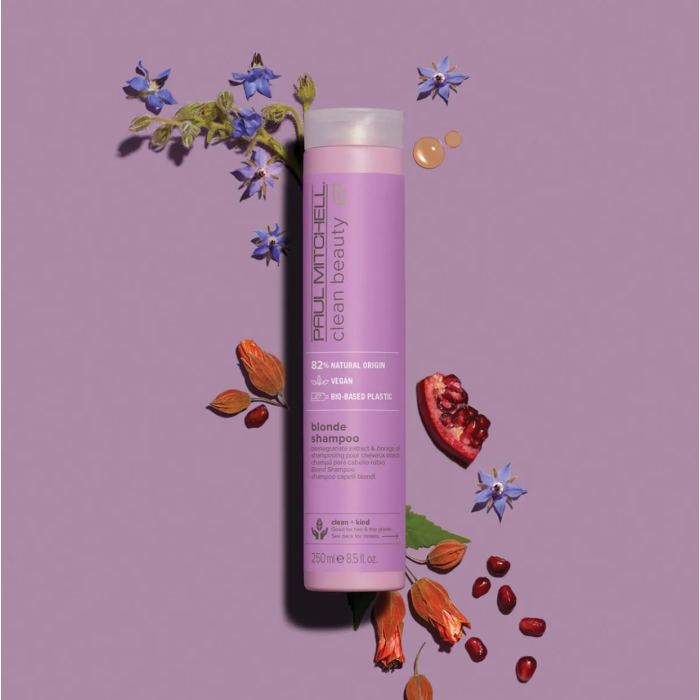
Paul Mitchell Clean Beauty Blonde Shampoo is a brightening cleanser that gently revives dull blonde tones.
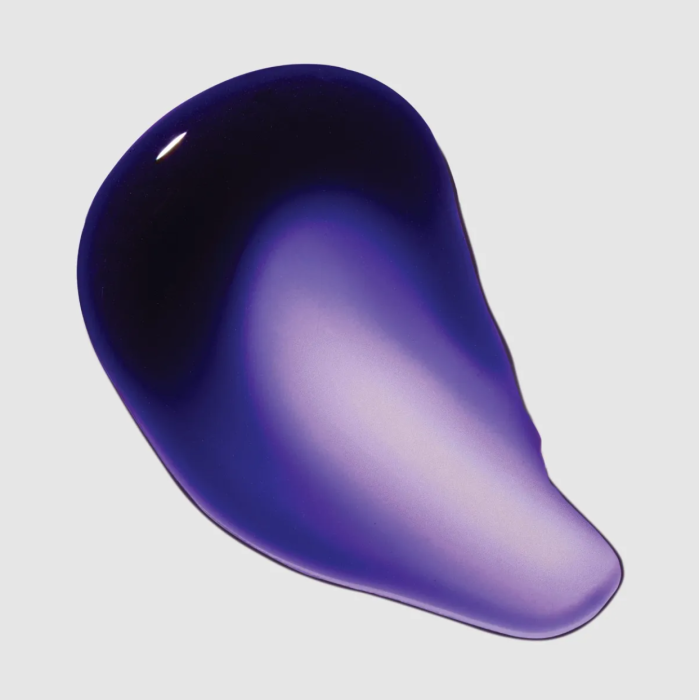
This creamy, plant-powered shampoo works to wash away build-up while helping to soften brassiness in natural, dyed, or highlighted blonde hair. As you lather, it creates a light, cushiony foam with a fresh, clean scent that feels soothing rather than harsh.
Hair is left feeling smooth, light, and easier to comb, with a soft shine that catches the light. It’s ideal for blondes who want a gentle daily or regular wash that supports colour between salon visits.
Use it whenever your blonde looks flat or slightly yellow, and enjoy hair that looks a little brighter, cooler, and more polished after each wash.
How To Use Paul Mitchell Clean Beauty Blonde Shampoo
- Wet hair thoroughly with warm water.
- Apply a small amount of shampoo to your palms.
- Massage gently into scalp and lengths until a soft lather forms.
- Leave on for 1–2 minutes if hair looks very brassy.
- Rinse thoroughly until water runs clear.
- Follow with conditioner, focusing on mid-lengths and ends.
- Use regularly to help maintain a bright, cool blonde tone.
Paul Mitchell Clean Beauty Blonde Shampoo Ingredients
Aqua (Water, Eau), Sodium C14-16 Olefin Sulfonate, Cocamidopropyl Betaine, Sodium Cocoyl Isethionate, Disodium Laureth Sulfosuccinate, Glycerin, Sodium Lauroyl Sarcosinate, Lauryl Glucoside, PEG-150 Distearate, Sodium Chloride, Panthenol, Hydrolyzed Linseed Extract, Helianthus Annuus (Sunflower) Seed Oil, Tocopherol, Citric Acid, Polyquaternium-10, Guar Hydroxypropyltrimonium Chloride, Sodium Benzoate, Potassium Sorbate, Phenoxyethanol, Sodium Phytate, Parfum (Fragrance), Limonene, Linalool.
Note: Please refer to bottle for full ingredients.
-
Aqua SolventsSolvent
The water base that carries and dissolves the other ingredients in most products.
May suitAll hair and skin types.
Worth knowingAlmost always the first ingredient listed in water-based products.
-
Sodium C14-16 Olefin Sulfonate Cleansers / surfactantsCleansing surfactant
A strong, high‑foaming surfactant that helps lift away oil, dirt and product build-up.
May suitThose who prefer a deep‑cleaning or clarifying effect, especially in shampoos.
Worth knowingIt is often used in clarifying formulas because it creates a rich lather and provides an effective cleanse. Its intensity can feel more cleansing than milder surfactants, depending on hair type and formulation.
-
Cocamidopropyl Betaine Cleansers / surfactantsCleanser / foam booster
A milder co-surfactant that helps cleanse, boost foam and soften the feel of stronger cleansers.
May suitMost hair types, including those wanting a gentler wash.
Worth knowingOften paired with other surfactants to make a formula feel milder.
-
Sodium Cocoyl Isethionate Cleansers / surfactantsGentle surfactant
A mild, coconut‑derived surfactant that helps cleanse hair while producing a soft, creamy lather.
May suitPeople looking for gentle, sulphate‑free cleansing that still provides a rich foam.
Worth knowingIt is often used in low‑irritation or moisturising shampoo formulas because it cleanses without feeling overly stripping. Common in solid shampoo bars and creamy cleansers.
-
Disodium Laureth Sulfosuccinate Cleansers / surfactantsMild cleansing surfactant
A gentle surfactant that helps cleanse the hair and scalp by lifting away oils and impurities.
May suitPeople looking for a milder alternative to traditional sulphate surfactants.
Worth knowingIt is often used in gentle or colour-care formulas because it provides effective cleansing with a softer feel. Despite the name, it is typically considered milder than many common sulphate surfactants.
-
Glycerin HumectantsHumectant
Attracts and holds water to help hair feel hydrated and soft.
May suitDry or dehydrated hair, and many curl and moisture routines.
Worth knowingA very common, well-tolerated humectant used across countless products.
-
Sodium Lauroyl Sarcosinate Cleansers / surfactantsMild surfactant
A gentle cleansing agent that helps lift away oils and impurities.
May suitPeople looking for mild, low-foaming cleansers that are generally considered suitable for sensitive or dry hair types.
Worth knowingIt is often used as an alternative to stronger surfactants to create a softer, more conditioning lather. It can also support formula stability and mildness in blended surfactant systems.
-
Lauryl Glucoside Cleansers / surfactantsMild surfactant
A gentle, plant-derived surfactant used to cleanse hair and help products foam.
May suitThose looking for mild cleansing, including people with sensitive scalps or dry hair.
Worth knowingIt is part of the alkyl glucoside family, known for creating a soft, low-irritation lather. It is often blended with other surfactants to balance foam and cleansing strength.
-
PEG-150 Distearate Thickeners and stabilisersThickener and stabiliser
A thickening agent that helps stabilise and give texture to haircare formulas.
May suitThose who prefer products with a smoother, creamier consistency.
Worth knowingIt is often used to create uniform, easy-to-spread formulations and can also contribute mild surfactant properties. It is commonly found in shampoos, conditioners and styling products.
-
Sodium Chloride Thickeners and stabilisersViscosity adjuster
Sodium Chloride is used to adjust the thickness of shampoos and other cleansing formulas.
May suitThose interested in how a product’s texture and lather are achieved.
Worth knowingIt is a simple mineral salt that helps create a familiar shampoo feel and can influence how a cleanser spreads through the hair.
-
Panthenol Conditioning agentsConditioning agent
Helps condition, soften and add a smooth, healthy feel to the hair.
May suitMost hair types, especially dry or dull hair.
Worth knowingA versatile, well-tolerated conditioning ingredient.
-
Hydrolyzed Linseed Extract Proteins and amino acidsHydrolysed plant protein / conditioning agent
A hydrolysed, plant-derived protein from linseed (flax) that helps improve hair strength, manageability and surface smoothness by depositing peptides and amino acids on the fibre.
May suitPeople with dry, damaged or chemically treated hair looking for plant-based protein conditioning; formulations aiming for improved strength, shine or frizz control.
Worth knowingHydrolysed proteins are broken into smaller peptides and amino acids that more readily adsorb to or penetrate the hair shaft, offering temporary reinforcement and smoothing of the cuticle. Performance depends on concentration and formulation—effects are generally short-term and may vary with hair type.
Good to knowSourced from linseed (Linum usitatissimum), this ingredient is typically used at low percentages (often around 0.5–5%) in both rinse-off and leave-in products. It can work synergistically with humectants and conditioning agents to improve moisture retention and combability. pH and formulation type influence deposition and feel; in some formulations or at higher levels, hydrolysed proteins can make hair feel slightly firm or coated rather than soft.
-
Helianthus Annuus (Sunflower) Seed Oil Oils and buttersEmollient oil
A plant-derived oil that helps soften and condition the hair and scalp.
May suitThose seeking lightweight natural oils for moisture, shine or scalp comfort.
Worth knowingIt is rich in fatty acids that support hair softness without feeling overly heavy. Often used as a carrier oil in both rinse-off and leave-in formulas.
-
Tocopherol PreservativesAntioxidant
An antioxidant that helps support product stability and can provide conditioning benefits to hair.
May suitThose wanting added nourishment or antioxidant support in their haircare routine.
Worth knowingTocopherol is commonly included to help protect oils in a formula from oxidising and to offer light conditioning benefits. It is widely used in both skincare and haircare products.
-
Citric Acid pH adjusterspH adjuster
Fine-tunes the product pH, which can help the hair surface feel smooth.
May suitMost hair types as part of a balanced formula.
Worth knowingUsually present in small amounts to balance the formula.
-
Polyquaternium-10 Conditioning agentsConditioning agent
A conditioning polymer that smooths the hair surface and helps with detangling and feel.
May suitMost hair types wanting smoother, easier-to-manage hair.
Worth knowingWidely used in shampoos and conditioners for slip and softness.
-
Guar Hydroxypropyltrimonium Chloride Conditioning agentsConditioning polymer
A conditioning polymer that helps smooth hair and improve slip.
May suitThose looking for softer, easier-to-detangle hair.
Worth knowingIt is derived from guar gum and is commonly used to enhance conditioning in shampoos and conditioners. It can also reduce static and improve manageability.
-
Sodium Benzoate PreservativesPreservative
Helps protect water-based products from spoilage so they stay usable.
May suitAll products that need a preservative system.
Worth knowingOften paired with other preservatives for broad protection.
-
Potassium Sorbate PreservativesPreservative
Helps keep haircare formulas stable by preventing the growth of microbes.
May suitAnyone who uses water-based products that benefit from reliable preservation.
Worth knowingIt is commonly used alongside other preservation systems to maintain product freshness and extend shelf life. It is generally well tolerated in rinse-off and leave-in products.
-
Phenoxyethanol PreservativesPreservative
Helps keep the product stable and pleasant to use after opening.
May suitAll products that need protecting from spoilage.
Worth knowingA very common, well-studied preservative used at low levels.
-
Sodium Phytate Chelating agentsChelating agent
Helps bind metal ions to support product stability and performance.
May suitPeople who want formulas that perform consistently in hard-water environments.
Worth knowingIt is a plant-derived option often used as a gentler alternative to traditional chelators. It can also support the effectiveness of preservatives and surfactants.
-
Parfum Fragrance ingredientsFragrance
Gives the product its scent.
May suitPeople who enjoy a scented product.
Worth knowingFragrance preference is personal. Some people prefer fragrance-free formulas by choice.
-
Limonene Fragrance ingredientsFragrance component
A fragrance component that also occurs naturally in many citrus and plant oils.
Worth knowingA fragrance component that must be listed separately on labels because a minority of people can be sensitive to it. Its presence is normal, required disclosure and is not a quality signal.
-
Linalool Fragrance ingredientsFragrance component
A fragrance component found naturally in many flowers and spices.
Worth knowingA fragrance component that must be listed separately on labels because a minority of people can be sensitive to it. Its presence is normal, required disclosure and is not a quality signal.