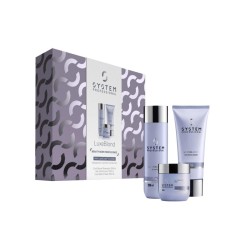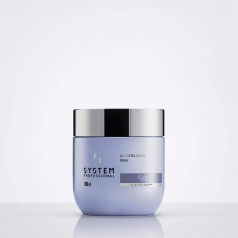
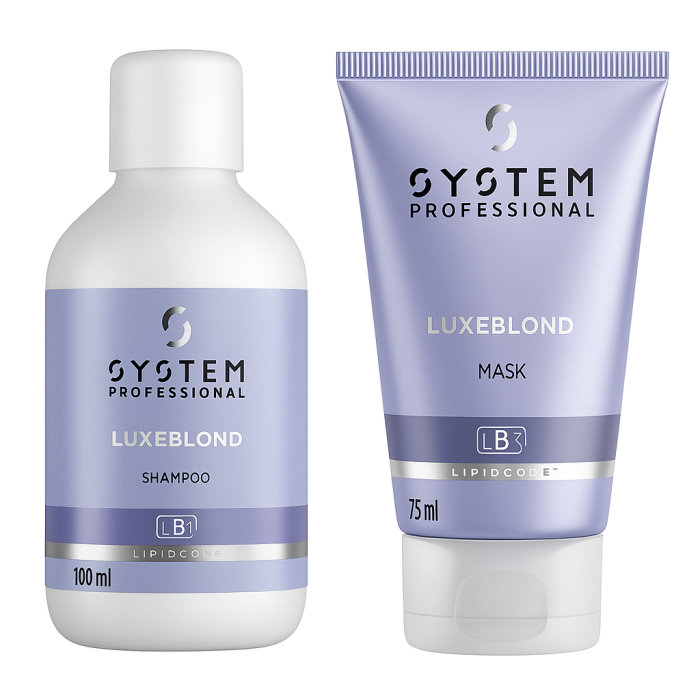
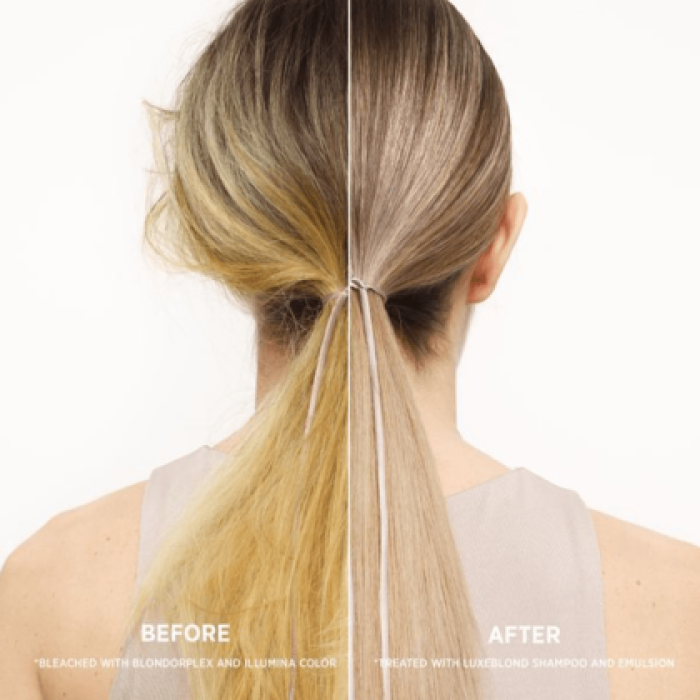
LuxeBlond Shampoo & Mask Mini Duo
-
Delivery
-
Click & Collect
Free Click and collect is available at checkout. Orders are ready within 1 hour during opening hours. Store Address: 56 Parer Rd, Airport West, VIC Australia 3042 Phone (03) 9999 5902
For a limited time try the LuxeBlond Shampoo & Mask Mini Duo.
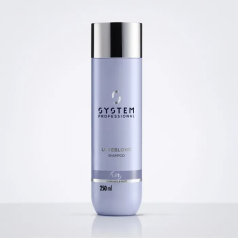
System Professional LuxeBlonde Shampoo and Mask Duo is a care-focused set formulated to cleanse, tone, and strengthen blonde or lightened hair. This duo neutralises brassiness while nourishing and smoothing each strand for a healthier, cooler blonde finish.
The LuxeBlonde Shampoo gently removes impurities while using violet pigments to counteract yellow tones. It includes LipidCode™ Complex to support the repair of damaged fibres and improve overall hair quality. The LuxeBlonde Mask provides intensive conditioning, helping reduce breakage, improve softness, and maintain brightness in cool-toned blonde hair. Together, they help protect colour while enhancing shine, making them ideal for bleached or highlighted hair in need of restoration.
How To Use System Professional LuxeBlond Shampoo & Mask Mini Duo
Apply shampoo to damp hair and massage gently.
Rinse thoroughly and repeat if needed.
Apply mask to towel-dried hair from mid-lengths to ends.
Leave on for 5 minutes, then rinse thoroughly.
System Professional LuxeBlond Shampoo & Mask Mini Duo Ingredients
Shampoo: Aqua (Water), Sodium Laureth Sulfate, Cocamidopropyl Betaine, PEG-3 Distearate, Sodium Chloride, Parfum (Fragrance), Panthenol, Sodium Benzoate, Polyquaternium-10, Methylparaben, Hydroxypropyl Guar Hydroxypropyltrimonium Chloride, Citric Acid, Glycerin, Propylparaben, Acid Violet 43, Trisodium Ethylenediamine Disuccinate, Caffeine, Disodium EDTA, Benzyl Salicylate, Alpha-Isomethyl Ionone, Hexyl Cinnamal, Benzoic Acid, Limonene, Histidine, Carthamus Tinctorius (Safflower) Seed Oil, Oleic Acid, Glyceryl Oleate, Sodium Hydroxide, Lecithin, Ascorbyl Palmitate, Tocopherol, Hydrogenated Palm Glycerides Citrate.
Mask: Aqua (Water), Stearyl Alcohol, Bis-Aminopropyl Dimethicone, Behentrimonium Methosulfate, Cetyl Alcohol, Parfum (Fragrance), Phenoxyethanol, Dicetyldimonium Chloride, Isopropyl Alcohol, Methylparaben, Propylparaben, Disodium EDTA, Glyceryl Oleate, Propylene Glycol, Caffeine, Carthamus Tinctorius (Safflower) Seed Oil, Oleic Acid, Acid Violet 43, Benzyl Salicylate, Alpha-Isomethyl Ionone, Hexyl Cinnamal, Limonene, Histidine, Lecithin, Ascorbyl Palmitate, Tocopherol, Hydrogenated Palm Glycerides Citrate, Sodium Hydroxide.
-
Water (Aqua) SolventsSolvent
Water acts as the main solvent that dissolves and distributes other ingredients in a formula.
May suitAnyone using liquid haircare products, as water is a core component.
Worth knowingIt helps create a workable texture and allows surfactants, conditioners and other actives to perform effectively.
-
Aqua SolventsSolvent
The water base that carries and dissolves the other ingredients in most products.
May suitAll hair and skin types.
Worth knowingAlmost always the first ingredient listed in water-based products.
-
Sodium Laureth Sulfate Cleansers / surfactantsCleanser
Helps cleanse the hair and scalp by removing oil, sweat and product build-up.
May suitOily scalps, heavy product users and people who like a strong cleanse.
Worth knowingMay feel too cleansing for some dry, curly, colour-treated or sensitive hair types. This depends on the full formula and your hair needs.
-
Cocamidopropyl Betaine Cleansers / surfactantsCleanser / foam booster
A milder co-surfactant that helps cleanse, boost foam and soften the feel of stronger cleansers.
May suitMost hair types, including those wanting a gentler wash.
Worth knowingOften paired with other surfactants to make a formula feel milder.
-
PEG-3 Distearate Cleansers / surfactantsEmulsifier and surfactant
Helps blend oil- and water-based ingredients and can provide mild cleansing action.
May suitThose looking for smooth, uniform product textures or gentle cleansing performance.
Worth knowingIt is commonly used to stabilise formulas and improve the spreadability of conditioners and shampoos. Its presence can also enhance the overall feel of a product.
-
Sodium Chloride Thickeners and stabilisersViscosity adjuster
Sodium Chloride is used to adjust the thickness of shampoos and other cleansing formulas.
May suitThose interested in how a product’s texture and lather are achieved.
Worth knowingIt is a simple mineral salt that helps create a familiar shampoo feel and can influence how a cleanser spreads through the hair.
-
Parfum Fragrance ingredientsFragrance
Gives the product its scent.
May suitPeople who enjoy a scented product.
Worth knowingFragrance preference is personal. Some people prefer fragrance-free formulas by choice.
-
Panthenol Conditioning agentsConditioning agent
Helps condition, soften and add a smooth, healthy feel to the hair.
May suitMost hair types, especially dry or dull hair.
Worth knowingA versatile, well-tolerated conditioning ingredient.
-
Sodium Benzoate PreservativesPreservative
Helps protect water-based products from spoilage so they stay usable.
May suitAll products that need a preservative system.
Worth knowingOften paired with other preservatives for broad protection.
-
Polyquaternium-10 Conditioning agentsConditioning agent
A conditioning polymer that smooths the hair surface and helps with detangling and feel.
May suitMost hair types wanting smoother, easier-to-manage hair.
Worth knowingWidely used in shampoos and conditioners for slip and softness.
-
Methylparaben PreservativesPreservative
Helps protect haircare products by preventing microbial spoilage.
May suitAnyone who wants products to stay fresh and stable over time.
Worth knowingParabens like methylparaben are widely used because they are effective in very small amounts and have a long history of use in cosmetics. They help maintain product quality, especially in water-based formulas.
-
Hydroxypropyl Guar Hydroxypropyltrimonium Chloride Conditioning agentsConditioning polymer
A cationic guar-derived polymer that conditions, softens and helps reduce static in the hair.
May suitPeople looking for smoother, easier-to-detangle hair, including those with dry, damaged or textured hair.
Worth knowingIt is commonly used in shampoos and conditioners to improve slip and manageability without adding heaviness. Its cationic nature helps it adhere lightly to the hair surface for a conditioning effect.
-
Citric Acid pH adjusterspH adjuster
Fine-tunes the product pH, which can help the hair surface feel smooth.
May suitMost hair types as part of a balanced formula.
Worth knowingUsually present in small amounts to balance the formula.
-
Glycerin HumectantsHumectant
Attracts and holds water to help hair feel hydrated and soft.
May suitDry or dehydrated hair, and many curl and moisture routines.
Worth knowingA very common, well-tolerated humectant used across countless products.
-
Propylparaben PreservativesPreservative
Helps keep haircare formulas stable by preventing the growth of microbes.
May suitAnyone using products that benefit from a long, reliable shelf life.
Worth knowingPropylparaben is a widely used preservative that helps maintain product quality and freshness. It is used at very low levels and is well studied for its role in keeping formulations stable.
-
Acid Violet 43 ColourantsColourant
A synthetic violet dye used to add colour or adjust tones in haircare products.
May suitPeople using colour-depositing shampoos, conditioners or masks may find it relevant.
Worth knowingIt is commonly used in purple and violet toning formulas to help reduce the appearance of brassy or yellow tones in lightened hair. It is present in very small amounts to achieve precise colour effects.
-
Trisodium Ethylenediamine Disuccinate Chelating agentsChelating agent
Helps bind metal ions in formulas to improve product stability and performance.
May suitPeople in hard‑water areas who want products that rinse cleanly and maintain consistent results.
Worth knowingIt supports formula stability and can help prevent mineral build‑up that may affect how products feel or work on the hair.
-
Caffeine Anti-dandruff / scalp careScalp-support ingredient
Caffeine is used in haircare to help support scalp vitality and create an energised feel.
May suitPeople interested in scalp-focused formulas or products aimed at maintaining the appearance of fuller, energised hair.
Worth knowingIt is often included in shampoos, tonics and leave‑ins to complement other scalp-care ingredients. Its effects are generally most noticeable when used consistently.
-
Disodium EDTA Chelating agentsChelating agent
Binds to minerals from hard water so the product works consistently and stays stable.
May suitAll products, especially in hard-water areas.
Worth knowingUsed in tiny amounts to keep formulas performing reliably.
-
Benzyl Salicylate Fragrance ingredientsFragrance component
Benzyl Salicylate is a fragrance ingredient used to add a sweet, floral aroma to haircare products.
May suitThose who enjoy subtly floral-scented haircare or are monitoring specific fragrance allergens.
Worth knowingIt is one of the fragrance allergens that must be listed individually on product labels when present above certain levels. Its presence does not indicate product strength or quality, only that it contributes to the overall scent profile.
-
Alpha-Isomethyl Ionone Fragrance ingredientsFragrance component
A fragrance component with a soft, violet-like character.
Worth knowingA fragrance component that must be listed separately on labels because a minority of people can be sensitive to it. Its presence is normal, required disclosure and is not a quality signal.
-
Hexyl Cinnamal Fragrance ingredientsFragrance component
A fragrance ingredient used to give products a light, floral scent.
May suitThose who enjoy subtly scented haircare products.
Worth knowingIt is one of the fragrance components that must be listed separately when present above certain levels. People with known fragrance sensitivities may choose to monitor for it.
-
Benzoic Acid PreservativesPreservative
Helps protect haircare products by supporting the preservation system and maintaining formula stability.
May suitThose who want products that remain fresh and effective throughout their shelf life.
Worth knowingBenzoic Acid is often used alongside other preservatives to create a broad-spectrum system. It also plays a minor role in helping maintain a product’s pH balance.
-
Limonene Fragrance ingredientsFragrance component
A fragrance component that also occurs naturally in many citrus and plant oils.
Worth knowingA fragrance component that must be listed separately on labels because a minority of people can be sensitive to it. Its presence is normal, required disclosure and is not a quality signal.
-
Histidine Proteins and amino acidsAmino acid conditioning agent
Histidine is an amino acid used to support hair strength and help improve manageability.
May suitThose looking for formulas that help reinforce hair structure or support colour-treated or weakened hair.
Worth knowingAmino acids like histidine can complement protein-based routines by helping maintain the hair’s natural building blocks. It is often included in small amounts to support overall formula performance.
-
Carthamus Tinctorius (Safflower) Seed Oil Oils and buttersLightweight plant oil
A lightweight botanical oil that helps condition and soften the hair.
May suitThose wanting smoother, more manageable hair without a heavy or greasy feel.
Worth knowingSafflower seed oil is rich in linoleic acid, which can support softness and shine. It is commonly used in both hair and skin formulations due to its light texture.
-
Oleic Acid Oils and buttersEmollient fatty acid
Oleic Acid is a fatty acid that helps soften and smooth the hair and scalp.
May suitThose looking for nourishment or softness, particularly for dry or coarse hair types.
Worth knowingIt is naturally found in many plant oils and is commonly used to support hair softness and flexibility.
-
Glyceryl Oleate Conditioning agentsEmollient and conditioning agent
Glyceryl Oleate helps soften and smooth hair while supporting a conditioned feel.
May suitThose looking for added softness, slip or reduced frizz in conditioners and shampoos.
Worth knowingIt is an ester of glycerin and oleic acid and is commonly used to boost conditioning performance in cleansing products. It can also help reduce the stripping feel of some surfactants.
-
Sodium Hydroxide pH adjusterspH adjuster
Helps control and stabilise the pH of haircare formulations.
May suitThose interested in how product pH affects scalp comfort or hair cuticle behaviour.
Worth knowingIt is used in very small amounts to bring a formula to the desired pH range. Once adjusted, it does not act as a strong alkaline agent in the finished product.
-
Lecithin Conditioning agentsEmollient & conditioning agent
Lecithin helps soften and condition the hair while supporting product texture.
May suitThose seeking added softness, moisture support or smoother-feeling hair.
Worth knowingIt is a phospholipid commonly derived from soy or sunflower and is valued for its ability to enhance spreadability and moisture retention. It can also help stabilise certain formulations.
-
Ascorbyl Palmitate PreservativesAntioxidant
Ascorbyl Palmitate is an oil‑soluble form of vitamin C that helps protect formulas and hair fibres from oxidative stress.
May suitThose looking for antioxidant support or colour maintenance may appreciate its inclusion.
Worth knowingIt is commonly used to help stabilise cosmetic formulations and support the longevity of other ingredients. Its oil‑soluble nature allows it to work well in richer or emollient hair products.
-
Tocopherol PreservativesAntioxidant
An antioxidant that helps support product stability and can provide conditioning benefits to hair.
May suitThose wanting added nourishment or antioxidant support in their haircare routine.
Worth knowingTocopherol is commonly included to help protect oils in a formula from oxidising and to offer light conditioning benefits. It is widely used in both skincare and haircare products.
-
Aqua SolventsSolvent
The water base that carries and dissolves the other ingredients in most products.
May suitAll hair and skin types.
Worth knowingAlmost always the first ingredient listed in water-based products.
-
Stearyl Alcohol Conditioning agentsEmollient and thickener
A fatty alcohol that helps soften the hair and give products a smooth, creamy texture.
May suitPeople looking for conditioners or treatments that provide slip, softness and richer textures.
Worth knowingAlthough called an alcohol, it is a waxy, non‑drying fatty alcohol commonly used to enhance conditioning performance and product stability.
-
Bis-Aminopropyl Dimethicone SiliconesConditioning silicone
A conditioning silicone that helps smooth and soften hair while reducing frizz.
May suitPeople looking for enhanced smoothness, easier detangling or frizz control.
Worth knowingThis silicone is designed to bond lightly to the hair surface, offering long-lasting conditioning benefits without heavy buildup when used within well-formulated products.
-
Behentrimonium Methosulfate Conditioning agentsConditioning agent
A cationic conditioning ingredient that helps soften and detangle hair.
May suitPeople looking for smoother, easier-to-comb hair, especially in conditioners and leave-in products.
Worth knowingDespite the name, it is not a strong sulphate cleanser but a gentle, oil-loving conditioning compound derived from fatty alcohols.
-
Cetyl Alcohol Conditioning agentsEmollient and texture enhancer
Cetyl Alcohol helps soften the hair and gives products a smooth, creamy texture.
May suitThose looking for conditioning, slip, or richer textures in their haircare products.
Worth knowingDespite the name, fatty alcohols like cetyl alcohol are non‑drying and are commonly used to add emollience and stability to formulations.
-
Parfum Fragrance ingredientsFragrance
Gives the product its scent.
May suitPeople who enjoy a scented product.
Worth knowingFragrance preference is personal. Some people prefer fragrance-free formulas by choice.
-
Phenoxyethanol PreservativesPreservative
Helps keep the product stable and pleasant to use after opening.
May suitAll products that need protecting from spoilage.
Worth knowingA very common, well-studied preservative used at low levels.
-
Dicetyldimonium Chloride Conditioning agentsHair conditioning agent
A conditioning agent that helps soften and smooth the hair.
May suitThose looking for improved manageability, softness and reduced static in dry or textured hair.
Worth knowingIt is a cationic ingredient that works by adhering to the hair surface to provide slip and reduce tangling. Often used in conditioners and masks for a richer, more conditioning feel.
-
Isopropyl Alcohol SolventsSolvent
Helps dissolve ingredients and supports quick-drying formulas.
May suitThose using styling products that benefit from fast evaporation, such as sprays.
Worth knowingIt is commonly used at low levels to improve texture and spreadability. It evaporates quickly, leaving minimal residue on the hair.
-
Methylparaben PreservativesPreservative
Helps protect haircare products by preventing microbial spoilage.
May suitAnyone who wants products to stay fresh and stable over time.
Worth knowingParabens like methylparaben are widely used because they are effective in very small amounts and have a long history of use in cosmetics. They help maintain product quality, especially in water-based formulas.
-
Propylparaben PreservativesPreservative
Helps keep haircare formulas stable by preventing the growth of microbes.
May suitAnyone using products that benefit from a long, reliable shelf life.
Worth knowingPropylparaben is a widely used preservative that helps maintain product quality and freshness. It is used at very low levels and is well studied for its role in keeping formulations stable.
-
Disodium EDTA Chelating agentsChelating agent
Binds to minerals from hard water so the product works consistently and stays stable.
May suitAll products, especially in hard-water areas.
Worth knowingUsed in tiny amounts to keep formulas performing reliably.
-
Glyceryl Oleate Conditioning agentsEmollient and conditioning agent
Glyceryl Oleate helps soften and smooth hair while supporting a conditioned feel.
May suitThose looking for added softness, slip or reduced frizz in conditioners and shampoos.
Worth knowingIt is an ester of glycerin and oleic acid and is commonly used to boost conditioning performance in cleansing products. It can also help reduce the stripping feel of some surfactants.
-
Propylene Glycol HumectantsHumectant
Helps hold moisture and carry other ingredients through the formula.
May suitMost hair types as part of a moisturising formula.
Worth knowingA widely used humectant and carrier ingredient.
-
Caffeine Anti-dandruff / scalp careScalp-support ingredient
Caffeine is used in haircare to help support scalp vitality and create an energised feel.
May suitPeople interested in scalp-focused formulas or products aimed at maintaining the appearance of fuller, energised hair.
Worth knowingIt is often included in shampoos, tonics and leave‑ins to complement other scalp-care ingredients. Its effects are generally most noticeable when used consistently.
-
Carthamus Tinctorius (Safflower) Seed Oil Oils and buttersLightweight plant oil
A lightweight botanical oil that helps condition and soften the hair.
May suitThose wanting smoother, more manageable hair without a heavy or greasy feel.
Worth knowingSafflower seed oil is rich in linoleic acid, which can support softness and shine. It is commonly used in both hair and skin formulations due to its light texture.
-
Oleic Acid Oils and buttersEmollient fatty acid
Oleic Acid is a fatty acid that helps soften and smooth the hair and scalp.
May suitThose looking for nourishment or softness, particularly for dry or coarse hair types.
Worth knowingIt is naturally found in many plant oils and is commonly used to support hair softness and flexibility.
-
Acid Violet 43 ColourantsColourant
A synthetic violet dye used to add colour or adjust tones in haircare products.
May suitPeople using colour-depositing shampoos, conditioners or masks may find it relevant.
Worth knowingIt is commonly used in purple and violet toning formulas to help reduce the appearance of brassy or yellow tones in lightened hair. It is present in very small amounts to achieve precise colour effects.
-
Benzyl Salicylate Fragrance ingredientsFragrance component
Benzyl Salicylate is a fragrance ingredient used to add a sweet, floral aroma to haircare products.
May suitThose who enjoy subtly floral-scented haircare or are monitoring specific fragrance allergens.
Worth knowingIt is one of the fragrance allergens that must be listed individually on product labels when present above certain levels. Its presence does not indicate product strength or quality, only that it contributes to the overall scent profile.
-
Alpha-Isomethyl Ionone Fragrance ingredientsFragrance component
A fragrance component with a soft, violet-like character.
Worth knowingA fragrance component that must be listed separately on labels because a minority of people can be sensitive to it. Its presence is normal, required disclosure and is not a quality signal.
-
Hexyl Cinnamal Fragrance ingredientsFragrance component
A fragrance ingredient used to give products a light, floral scent.
May suitThose who enjoy subtly scented haircare products.
Worth knowingIt is one of the fragrance components that must be listed separately when present above certain levels. People with known fragrance sensitivities may choose to monitor for it.
-
Limonene Fragrance ingredientsFragrance component
A fragrance component that also occurs naturally in many citrus and plant oils.
Worth knowingA fragrance component that must be listed separately on labels because a minority of people can be sensitive to it. Its presence is normal, required disclosure and is not a quality signal.
-
Histidine Proteins and amino acidsAmino acid conditioning agent
Histidine is an amino acid used to support hair strength and help improve manageability.
May suitThose looking for formulas that help reinforce hair structure or support colour-treated or weakened hair.
Worth knowingAmino acids like histidine can complement protein-based routines by helping maintain the hair’s natural building blocks. It is often included in small amounts to support overall formula performance.
-
Lecithin Conditioning agentsEmollient & conditioning agent
Lecithin helps soften and condition the hair while supporting product texture.
May suitThose seeking added softness, moisture support or smoother-feeling hair.
Worth knowingIt is a phospholipid commonly derived from soy or sunflower and is valued for its ability to enhance spreadability and moisture retention. It can also help stabilise certain formulations.
-
Ascorbyl Palmitate PreservativesAntioxidant
Ascorbyl Palmitate is an oil‑soluble form of vitamin C that helps protect formulas and hair fibres from oxidative stress.
May suitThose looking for antioxidant support or colour maintenance may appreciate its inclusion.
Worth knowingIt is commonly used to help stabilise cosmetic formulations and support the longevity of other ingredients. Its oil‑soluble nature allows it to work well in richer or emollient hair products.
-
Tocopherol PreservativesAntioxidant
An antioxidant that helps support product stability and can provide conditioning benefits to hair.
May suitThose wanting added nourishment or antioxidant support in their haircare routine.
Worth knowingTocopherol is commonly included to help protect oils in a formula from oxidising and to offer light conditioning benefits. It is widely used in both skincare and haircare products.
-
Hydrogenated Palm Glycerides Citrate Thickeners and stabilisersEmollient stabiliser
Helps condition the hair and stabilise formulations to keep products smooth and consistent.
May suitThose wanting conditioning formulas with a smooth, creamy texture.
Worth knowingIt is a lipid-based ingredient often used to support product stability and spreadability. It can also provide a soft, conditioned feel to hair.
-
Sodium Hydroxide pH adjusterspH adjuster
Helps control and stabilise the pH of haircare formulations.
May suitThose interested in how product pH affects scalp comfort or hair cuticle behaviour.
Worth knowingIt is used in very small amounts to bring a formula to the desired pH range. Once adjusted, it does not act as a strong alkaline agent in the finished product.