

-
Delivery
-
Click & Collect
Free Click and collect is available at checkout. Orders are ready within 1 hour during opening hours. Store Address: 56 Parer Rd, Airport West, VIC Australia 3042 Phone (03) 9999 5902

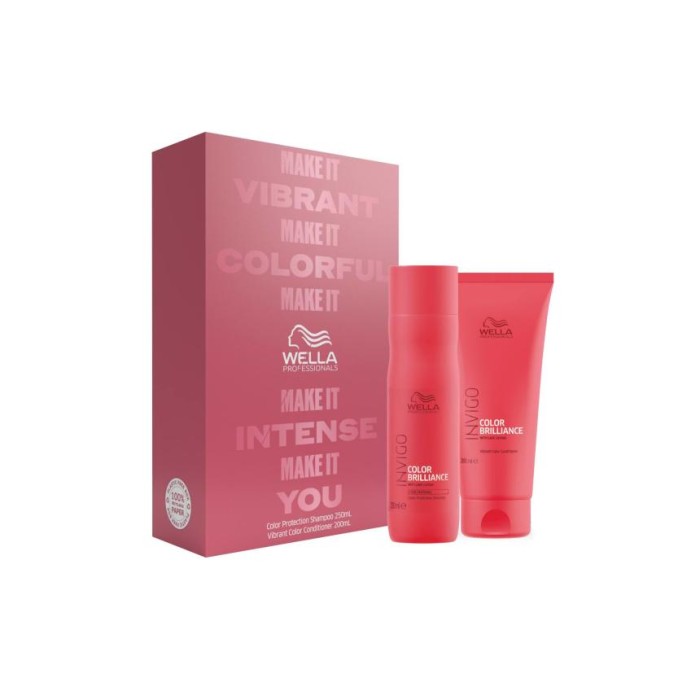
Valued at $34.95.

Features:
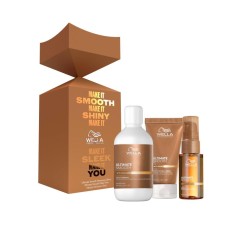
1 x Wella Professionals Invigo Color Brilliance Shampoo (250ml)
1 x Wella Professionals Invigo Color Brilliance Conditioner (200ml)
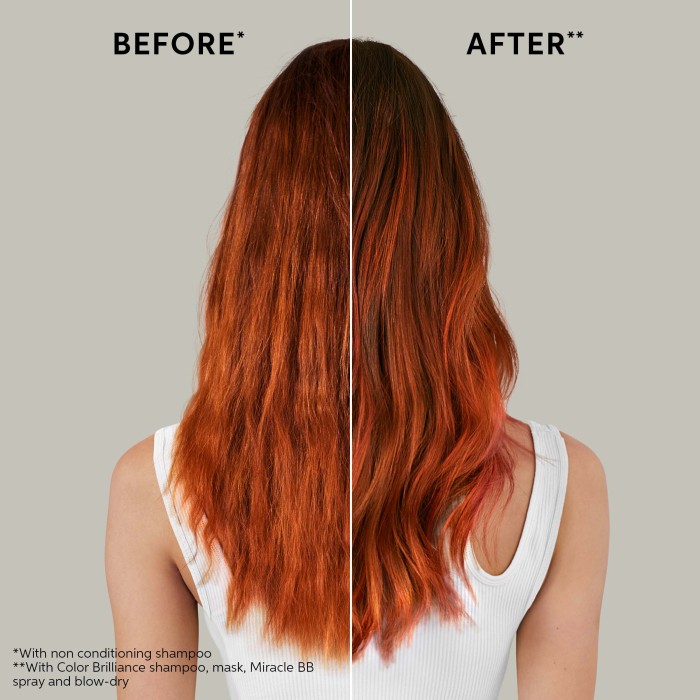
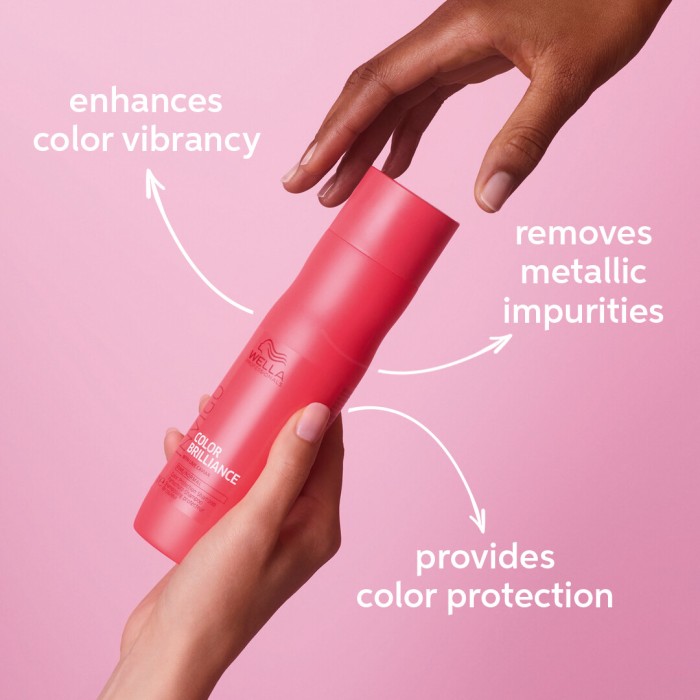
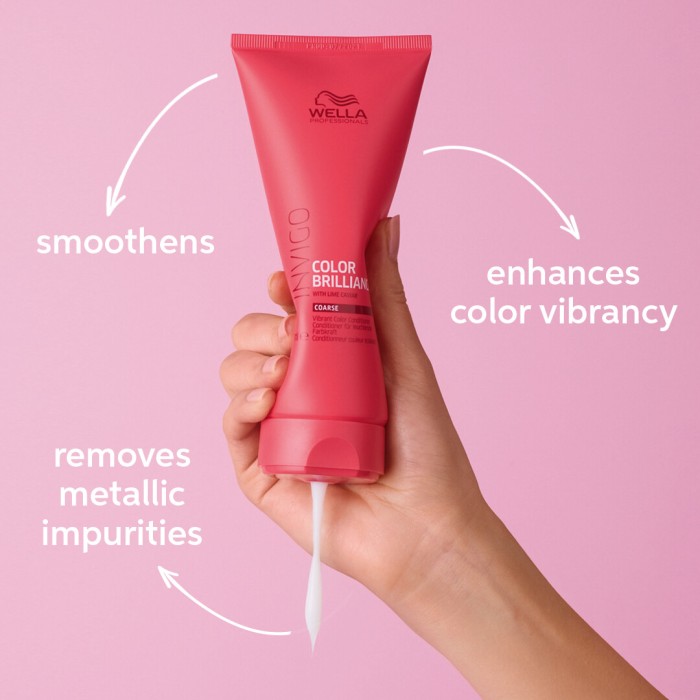
Wella Professionals Invigo Color Brilliance Shampoo & Conditioner Duo is the perfect set to keep coloured hair vibrant and full of life. Formulated with Lime Caviar, this duo enhances colour protection while maintaining softness and shine.
The shampoo gently cleanses without stripping, helping to lock in colour and smooth the hair cuticle. The conditioner nourishes and detangles, leaving hair silky and more manageable. Ideal for those with coloured or highlighted hair, this set helps maintain radiant tones for longer.
How To Use Wella Professionals Invigo Color Brilliance Shampoo & Conditioner Duo
- Apply shampoo to wet hair and massage into a lather. Rinse thoroughly.
- Follow with conditioner, applying evenly to lengths and ends. Rinse well.
Wella Professionals Invigo Color Brilliance Shampoo & Conditioner Duo Ingredients
- Shampoo:
Aqua/Water/Eau, Sodium Lauryl Sulfate, Sodium Laureth Sulfate, Cocamidopropyl Betaine, Dimethicone, Glycol Distearate, Cocamide MEA, Parfum/Fragrance, Panthenol, Polyquaternium-10, Guar Hydroxypropyltrimonium Chloride, Sodium Benzoate, Amodimethicone, Citric Acid, Glycerin, Tocopheryl Acetate, Salicylic Acid, Tetrasodium EDTA, Sodium Chloride, Limonene, Trisodium Ethylenediamine Disuccinate, Methylparaben, Glyoxylic Acid, Sodium Hydroxide, Trideceth-12, Linalool, Hexyl Cinnamal, Hydrochloric Acid, Cetrimonium Chloride, Microcitrus Australasica Fruit Extract, Magnesium Nitrate, Methylchloroisothiazolinone, Magnesium Chloride, Sodium Citrate, Methylisothiazolinone, Sodium Xylenesulfonate.
- Conditioner:
Aqua/Water/Eau, Cetyl Alcohol, Stearamidopropyl Dimethylamine, Stearyl Alcohol, Distearyldimonium Chloride, Parfum/Fragrance, Phenoxyethanol, Hydroxyethylcellulose, Glyceryl Stearate, Oleyl Alcohol, Methylparaben, Tocopheryl Acetate, PEG-2M, Polysorbate 60, Propylparaben, Propylene Glycol, Quaternium-80, Citric Acid, Limonene, EDTA, Glycerin, Linalool, Hexyl Cinnamal, Histidine, Silica, Microcitrus Australasica Fruit Extract, BHT.
-
Sodium Lauryl Sulfate Cleansers / surfactantsCleanser
A cleansing surfactant that removes oil and build-up from the hair and scalp.
May suitOily scalps and routines that need a strong, clarifying wash.
Worth knowingCan be more cleansing than gentler surfactants. Many people use it happily, while others prefer milder options for everyday washing.
-
Sodium Laureth Sulfate Cleansers / surfactantsCleanser
Helps cleanse the hair and scalp by removing oil, sweat and product build-up.
May suitOily scalps, heavy product users and people who like a strong cleanse.
Worth knowingMay feel too cleansing for some dry, curly, colour-treated or sensitive hair types. This depends on the full formula and your hair needs.
-
Cocamidopropyl Betaine Cleansers / surfactantsCleanser / foam booster
A milder co-surfactant that helps cleanse, boost foam and soften the feel of stronger cleansers.
May suitMost hair types, including those wanting a gentler wash.
Worth knowingOften paired with other surfactants to make a formula feel milder.
-
Dimethicone SiliconesSlip and shine agent
Smooths the hair surface, adds slip and shine and helps reduce frizz.
May suitFrizz-prone, coarse or dry hair wanting a smooth, glossy finish.
Worth knowingSome people prefer silicone-free formulas, especially for certain curl routines. It is widely used and helpful in many smoothing products.
-
Glycol Distearate Thickeners and stabilisersOpacifier and pearlising agent
Adds a pearlescent look and helps thicken and stabilise shampoos and conditioners.
May suitThose who like creamy, luxurious-feeling shampoo or conditioner textures.
Worth knowingIt also provides a mild conditioning feel, helping formulas spread smoothly through the hair. Its use is common in many everyday cleansing products.
-
Cocamide MEA Cleansers / surfactantsFoam booster / co-surfactant
Helps boost lather and support cleansing performance in shampoos.
May suitThose who prefer shampoos with a richer, creamier foam.
Worth knowingIt is made from fatty acids derived from coconut oil and monoethanolamine and is commonly used to stabilise foam and improve texture. It can also help thicken surfactant-based formulas.
-
Panthenol Conditioning agentsConditioning agent
Helps condition, soften and add a smooth, healthy feel to the hair.
May suitMost hair types, especially dry or dull hair.
Worth knowingA versatile, well-tolerated conditioning ingredient.
-
Polyquaternium-10 Conditioning agentsConditioning agent
A conditioning polymer that smooths the hair surface and helps with detangling and feel.
May suitMost hair types wanting smoother, easier-to-manage hair.
Worth knowingWidely used in shampoos and conditioners for slip and softness.
-
Guar Hydroxypropyltrimonium Chloride Conditioning agentsConditioning polymer
A conditioning polymer that helps smooth hair and improve slip.
May suitThose looking for softer, easier-to-detangle hair.
Worth knowingIt is derived from guar gum and is commonly used to enhance conditioning in shampoos and conditioners. It can also reduce static and improve manageability.
-
Sodium Benzoate PreservativesPreservative
Helps protect water-based products from spoilage so they stay usable.
May suitAll products that need a preservative system.
Worth knowingOften paired with other preservatives for broad protection.
-
Amodimethicone SiliconesConditioning silicone
A conditioning silicone that targets rougher areas of the hair to smooth and protect.
May suitDamaged, frizz-prone or colour-treated hair wanting targeted smoothing.
Worth knowingDesigned to deposit where hair needs it most. Some prefer silicone-free formulas by choice.
-
Citric Acid pH adjusterspH adjuster
Fine-tunes the product pH, which can help the hair surface feel smooth.
May suitMost hair types as part of a balanced formula.
Worth knowingUsually present in small amounts to balance the formula.
-
Glycerin HumectantsHumectant
Attracts and holds water to help hair feel hydrated and soft.
May suitDry or dehydrated hair, and many curl and moisture routines.
Worth knowingA very common, well-tolerated humectant used across countless products.
-
Tocopheryl Acetate Conditioning agentsAntioxidant and conditioning support
A stable form of vitamin E used to help condition hair and support product stability.
May suitThose looking for added conditioning support or antioxidant benefits in their haircare.
Worth knowingIt is commonly used because it is more stable than pure vitamin E while still offering similar benefits. It appears in many leave-in and rinse-off formulations.
-
Salicylic Acid Exfoliating acidsScalp exfoliant
Helps dissolve dead skin buildup on the scalp and supports a clearer, fresher surface.
May suitPeople dealing with flaky scalps, congestion or product buildup.
Worth knowingIt is widely used in scalp-care formulas because it breaks down excess oils and debris without needing physical scrubbing. Often found in dandruff-control products.
-
Tetrasodium EDTA Chelating agentsChelating agent
Helps bind metal ions in water to improve product stability and performance.
May suitThose in hard-water areas who want shampoos and conditioners to rinse more cleanly.
Worth knowingChelating agents can support formula consistency and help prevent minerals from depositing on the hair or interfering with product texture. They are widely used in many rinse-off and leave-in formulations.
-
Sodium Chloride Thickeners and stabilisersViscosity adjuster
Sodium Chloride is used to adjust the thickness of shampoos and other cleansing formulas.
May suitThose interested in how a product’s texture and lather are achieved.
Worth knowingIt is a simple mineral salt that helps create a familiar shampoo feel and can influence how a cleanser spreads through the hair.
-
Limonene Fragrance ingredientsFragrance component
A fragrance component that also occurs naturally in many citrus and plant oils.
Worth knowingA fragrance component that must be listed separately on labels because a minority of people can be sensitive to it. Its presence is normal, required disclosure and is not a quality signal.
-
Trisodium Ethylenediamine Disuccinate Chelating agentsChelating agent
Helps bind metal ions in formulas to improve product stability and performance.
May suitPeople in hard‑water areas who want products that rinse cleanly and maintain consistent results.
Worth knowingIt supports formula stability and can help prevent mineral build‑up that may affect how products feel or work on the hair.
-
Methylparaben PreservativesPreservative
Helps protect haircare products by preventing microbial spoilage.
May suitAnyone who wants products to stay fresh and stable over time.
Worth knowingParabens like methylparaben are widely used because they are effective in very small amounts and have a long history of use in cosmetics. They help maintain product quality, especially in water-based formulas.
-
Glyoxylic Acid pH adjusterspH adjuster and smoothing agent
Helps adjust pH and is often used in smoothing and defrizzing formulations.
May suitPeople looking for hair-smoothing or semi-permanent straightening treatments.
Worth knowingGlyoxylic acid is commonly used in salon-style smoothing systems where it helps create a sleeker appearance. Its performance depends on how it is combined with heat and other supporting ingredients.
-
Sodium Hydroxide pH adjusterspH adjuster
Helps control and stabilise the pH of haircare formulations.
May suitThose interested in how product pH affects scalp comfort or hair cuticle behaviour.
Worth knowingIt is used in very small amounts to bring a formula to the desired pH range. Once adjusted, it does not act as a strong alkaline agent in the finished product.
-
Trideceth-12 Cleansers / surfactantsNonionic surfactant and solubiliser
Helps blend oil‑based and water‑based ingredients and provides gentle cleansing action.
May suitThose using products that need light cleansing or stable blends of oils, silicones, or fragrances.
Worth knowingIt is commonly used to solubilise fragrance or silicone ingredients in shampoos and treatments. Its mild, nonionic nature means it typically works well alongside other surfactants.
-
Linalool Fragrance ingredientsFragrance component
A fragrance component found naturally in many flowers and spices.
Worth knowingA fragrance component that must be listed separately on labels because a minority of people can be sensitive to it. Its presence is normal, required disclosure and is not a quality signal.
-
Hexyl Cinnamal Fragrance ingredientsFragrance component
A fragrance ingredient used to give products a light, floral scent.
May suitThose who enjoy subtly scented haircare products.
Worth knowingIt is one of the fragrance components that must be listed separately when present above certain levels. People with known fragrance sensitivities may choose to monitor for it.
-
Hydrochloric Acid pH adjusterspH adjuster
Helps adjust a formula’s pH to keep the product stable and effective.
May suitThose interested in how a product’s pH is balanced, especially for colour‑treated or chemically processed hair.
Worth knowingIt is used in very small, controlled amounts to fine‑tune a product’s acidity during manufacturing. The final product’s pH is carefully set for safe, everyday use.
-
Cetrimonium Chloride Conditioning agentsConditioning agent
A conditioning agent that helps smooth and soften the hair while reducing static and tangles.
May suitPeople looking for improved manageability, detangling and smoother-feeling hair.
Worth knowingIt is a commonly used quaternary ammonium compound that helps conditioners spread easily through the hair. It is effective even at low levels, which is why it appears frequently in rinse-off products.
-
Microcitrus Australasica Fruit Extract Botanical extractsBotanical extract
An extract from the Australian finger lime fruit used for its antioxidant content, mild brightening potential and fresh citrus character in formulations.
May suitPeople looking for products with antioxidant-rich botanical ingredients, natural citrus notes or native Australian extracts; formulators seeking mild conditioning or shine-enhancing additives.
Worth knowingAs a fruit-derived botanical it can contribute vitamin C, flavonoids and natural acids, but its functional benefit depends on concentration and formulation. Some individuals with sensitivities to botanicals or citrus may prefer to patch-test products that contain it.
Good to knowComposition can include ascorbic acid (vitamin C), citric acid, flavonoids and trace essential oils; it is typically used for antioxidant support, to add a citrus aroma and for marketing as a native botanical ingredient. Stability and efficacy depend on extraction method and pH, and it is used in both leave-on and rinse-off haircare.
-
Magnesium Nitrate PreservativesPreservative stabiliser
Helps support the stability and performance of certain preservative systems.
May suitThose interested in how a product’s preservation system is maintained.
Worth knowingIt is commonly paired with other preserving ingredients to help keep formulas consistent over time. Its role is supportive rather than active in terms of preservation.
-
Methylchloroisothiazolinone PreservativesPreservative
A preservative that helps keep water-based haircare products fresh and stable.
May suitThose looking for products with robust preservation, particularly in rinse-off formulas.
Worth knowingIt is widely used in small amounts to protect formulas from microbial growth. Some people with sensitive skin or scalps may prefer to patch test products containing isothiazolinone preservatives.
-
Magnesium Chloride Thickeners and stabilisersStabiliser
Helps stabilise and support the texture of haircare formulas.
May suitPeople using styling or leave-in products that benefit from consistent texture and performance.
Worth knowingMagnesium chloride can also contribute mild humectant properties, helping formulas retain moisture. It is commonly used alongside other salts to adjust product feel and stability.
-
Sodium Citrate pH adjusterspH adjuster
Sodium Citrate helps maintain or adjust the pH of haircare formulas.
May suitAnyone using products designed to stay within a specific pH range, such as colour‑treated or chemically treated hair.
Worth knowingIt also has mild chelating abilities, helping formulas remain stable in the presence of minerals found in water. Its use supports the consistency and performance of many shampoos and conditioners.
-
Methylisothiazolinone PreservativesPreservative
A preservative that helps keep water-based haircare products fresh and stable.
May suitThose needing products with reliable protection against product spoilage.
Worth knowingIt is effective in very small amounts to support product longevity. Some people with sensitive skin or scalps may prefer to patch test products containing this preservative.
-
Cetyl Alcohol Conditioning agentsEmollient and texture enhancer
Cetyl Alcohol helps soften the hair and gives products a smooth, creamy texture.
May suitThose looking for conditioning, slip, or richer textures in their haircare products.
Worth knowingDespite the name, fatty alcohols like cetyl alcohol are non‑drying and are commonly used to add emollience and stability to formulations.
-
Stearamidopropyl Dimethylamine Conditioning agentsHair conditioning agent
A conditioning agent that helps smooth and soften the hair.
May suitThose looking for improved slip, manageability and reduced static, especially in dry or textured hair.
Worth knowingIt is often paired with fatty acids to enhance conditioning performance and provide a softer feel. It also helps detangle without weighing hair down.
-
Stearyl Alcohol Conditioning agentsEmollient and thickener
A fatty alcohol that helps soften the hair and give products a smooth, creamy texture.
May suitPeople looking for conditioners or treatments that provide slip, softness and richer textures.
Worth knowingAlthough called an alcohol, it is a waxy, non‑drying fatty alcohol commonly used to enhance conditioning performance and product stability.
-
Distearyldimonium Chloride Conditioning agentsConditioning agent
A conditioning agent that helps soften and smooth the hair.
May suitThose looking for improved detangling, softness, and reduced frizz.
Worth knowingIt is a common quaternary ammonium compound used in conditioners to enhance hair manageability. It works by coating the hair fibre, helping it feel smoother and easier to comb.
-
Phenoxyethanol PreservativesPreservative
Helps keep the product stable and pleasant to use after opening.
May suitAll products that need protecting from spoilage.
Worth knowingA very common, well-studied preservative used at low levels.
-
Hydroxyethylcellulose Thickeners and stabilisersThickener and stabiliser
A polymer that helps thicken and stabilise haircare formulas.
May suitThose who prefer products with a smooth, uniform texture or need easier application and distribution.
Worth knowingIt is derived from cellulose and is widely used because it provides viscosity without weighing hair down. It also helps improve the feel and spreadability of many water-based products.
-
Glyceryl Stearate Thickeners and stabilisersEmulsifier and texture enhancer
Helps blend oil and water and gives haircare formulas a smooth, creamy texture.
May suitThose who like richer conditioners or masks that feel smooth and spread easily.
Worth knowingIt also offers light conditioning and can help soften the feel of hair. It is widely used in both skincare and haircare for its reliable stabilising properties.
-
Oleyl Alcohol Conditioning agentsFatty alcohol conditioning agent
A fatty alcohol that helps soften, smooth and condition the hair.
May suitThose seeking added slip, manageability or a richer, more emollient feel in conditioners and treatments.
Worth knowingFatty alcohols like oleyl alcohol are different from simple drying alcohols and are commonly used to enhance texture and conditioning performance in haircare formulas.
-
Methylparaben PreservativesPreservative
Helps protect haircare products by preventing microbial spoilage.
May suitAnyone who wants products to stay fresh and stable over time.
Worth knowingParabens like methylparaben are widely used because they are effective in very small amounts and have a long history of use in cosmetics. They help maintain product quality, especially in water-based formulas.
-
Tocopheryl Acetate Conditioning agentsAntioxidant and conditioning support
A stable form of vitamin E used to help condition hair and support product stability.
May suitThose looking for added conditioning support or antioxidant benefits in their haircare.
Worth knowingIt is commonly used because it is more stable than pure vitamin E while still offering similar benefits. It appears in many leave-in and rinse-off formulations.
-
Polysorbate 60 Thickeners and stabilisersEmulsifier and solubiliser
Helps blend oil- and water-based ingredients and keep formulas stable.
May suitThose using creams or conditioners that rely on smooth, even textures.
Worth knowingIt is widely used in haircare to ensure consistent texture and to help disperse ingredients evenly. It also offers mild surfactant properties that support product spreadability.
-
Propylparaben PreservativesPreservative
Helps keep haircare formulas stable by preventing the growth of microbes.
May suitAnyone using products that benefit from a long, reliable shelf life.
Worth knowingPropylparaben is a widely used preservative that helps maintain product quality and freshness. It is used at very low levels and is well studied for its role in keeping formulations stable.
-
Propylene Glycol HumectantsHumectant
Helps hold moisture and carry other ingredients through the formula.
May suitMost hair types as part of a moisturising formula.
Worth knowingA widely used humectant and carrier ingredient.
-
Quaternium-80 Conditioning agentsConditioning agent
A conditioning polymer that helps smooth and soften hair while reducing static.
May suitPeople seeking improved manageability, reduced frizz or a silkier feel in their hair.
Worth knowingIt is a cationic ingredient that deposits easily on the hair surface to enhance slip and detangling. Commonly used in conditioners, masks and leave-ins for a smoother finish.
-
Citric Acid pH adjusterspH adjuster
Fine-tunes the product pH, which can help the hair surface feel smooth.
May suitMost hair types as part of a balanced formula.
Worth knowingUsually present in small amounts to balance the formula.
-
Limonene Fragrance ingredientsFragrance component
A fragrance component that also occurs naturally in many citrus and plant oils.
Worth knowingA fragrance component that must be listed separately on labels because a minority of people can be sensitive to it. Its presence is normal, required disclosure and is not a quality signal.
-
Disodium EDTA Chelating agentsChelating agent
Binds to minerals from hard water so the product works consistently and stays stable.
May suitAll products, especially in hard-water areas.
Worth knowingUsed in tiny amounts to keep formulas performing reliably.
-
Glycerin HumectantsHumectant
Attracts and holds water to help hair feel hydrated and soft.
May suitDry or dehydrated hair, and many curl and moisture routines.
Worth knowingA very common, well-tolerated humectant used across countless products.
-
Linalool Fragrance ingredientsFragrance component
A fragrance component found naturally in many flowers and spices.
Worth knowingA fragrance component that must be listed separately on labels because a minority of people can be sensitive to it. Its presence is normal, required disclosure and is not a quality signal.
-
Hexyl Cinnamal Fragrance ingredientsFragrance component
A fragrance ingredient used to give products a light, floral scent.
May suitThose who enjoy subtly scented haircare products.
Worth knowingIt is one of the fragrance components that must be listed separately when present above certain levels. People with known fragrance sensitivities may choose to monitor for it.
-
Histidine Proteins and amino acidsAmino acid conditioning agent
Histidine is an amino acid used to support hair strength and help improve manageability.
May suitThose looking for formulas that help reinforce hair structure or support colour-treated or weakened hair.
Worth knowingAmino acids like histidine can complement protein-based routines by helping maintain the hair’s natural building blocks. It is often included in small amounts to support overall formula performance.
-
Silica Thickeners and stabilisersAbsorbent and texturising agent
Silica helps control oil, improve texture and provide slip in haircare formulas.
May suitThose using styling or dry-finish products that benefit from a lightweight, matte feel.
Worth knowingIt is a common mineral ingredient used to enhance spreadability and stabilise product textures. It appears in a wide range of hair and styling products for its versatility.
-
Microcitrus Australasica Fruit Extract Botanical extractsBotanical extract
An extract from the Australian finger lime fruit used for its antioxidant content, mild brightening potential and fresh citrus character in formulations.
May suitPeople looking for products with antioxidant-rich botanical ingredients, natural citrus notes or native Australian extracts; formulators seeking mild conditioning or shine-enhancing additives.
Worth knowingAs a fruit-derived botanical it can contribute vitamin C, flavonoids and natural acids, but its functional benefit depends on concentration and formulation. Some individuals with sensitivities to botanicals or citrus may prefer to patch-test products that contain it.
Good to knowComposition can include ascorbic acid (vitamin C), citric acid, flavonoids and trace essential oils; it is typically used for antioxidant support, to add a citrus aroma and for marketing as a native botanical ingredient. Stability and efficacy depend on extraction method and pH, and it is used in both leave-on and rinse-off haircare.
-
BHT PreservativesAntioxidant
BHT acts as an antioxidant that helps keep formulas stable over time.
May suitAnyone using products that benefit from extended shelf life and maintained performance.
Worth knowingIt helps protect oils and other sensitive ingredients from breaking down when exposed to air and light. It is used in very small amounts to support product consistency.