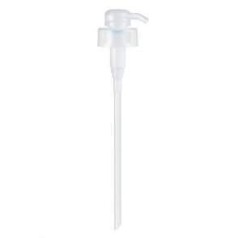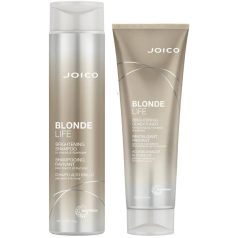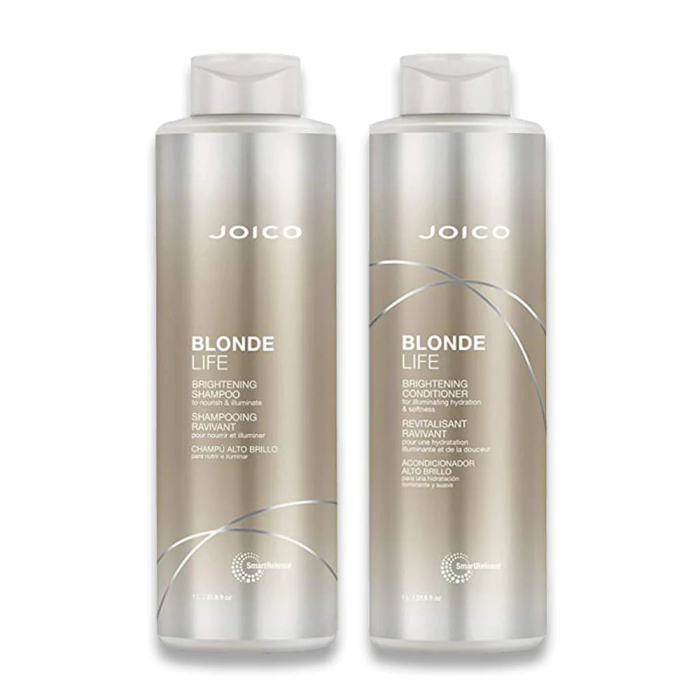
Blonde Life Brightening Shampoo & Conditioner 1 Litre Duo
-
Delivery
-
Click & Collect
Free Click and collect is available at checkout. Orders are ready within 1 hour during opening hours. Store Address: 56 Parer Rd, Airport West, VIC Australia 3042 Phone (03) 9999 5902


Joico Blonde Life Brightening Shampoo & Conditioner 1 Litre Duo is a salon-size blonde care set that gently cleanses and hydrates. The sulphate-free shampoo helps lift away dulling residue while maintaining brightness and clarity in blonde, highlighted or lightened hair.
The rich conditioner smooths and detangles to leave hair feeling soft and easy to manage. Both formulas are designed to help protect fragile blonde hair from dryness and breakage, while supporting healthy-looking shine. Ideal for natural, lightened or grey hair, this value duo is suitable for everyday use on fine to medium hair types seeking gentle care and a bright, clean blonde finish.
How To Use Joico Blonde Life Brightening Shampoo & Conditioner 1 Litre Duo
- Shampoo: Apply to wet hair and massage into scalp and lengths.
- Rinse thoroughly and repeat if needed.
- Follow with Blonde Life Brightening Conditioner.
- Conditioner: Apply to clean, damp hair, focusing on mid-lengths and ends.
- Leave for 1–2 minutes.
- Rinse thoroughly.
- Use as part of your regular blonde care routine.
Joico Blonde Life Brightening Shampoo & Conditioner 1 Litre Duo Ingredients
Shampoo: Aqua/Water/Eau, Sodium C14-16 Olefin Sulfonate, Cocamidopropyl Betaine, Cocamide MIPA, Glycol Distearate, Glycerin, Dimethicone, Lauryl Glucoside, Acrylates Copolymer, Cocamidopropylamine Oxide, Disodium Laureth Sulfosuccinate, Sodium Chloride, Polyquaternium-7, PEG-120 Methyl Glucose Dioleate, Hydrolyzed Keratin, Arginine HCl, Cocos Nucifera (Coconut) Oil, Monoi Oil (Gardenia Tahitensis Flower Extract & Cocos Nucifera Oil), Tocopheryl Acetate, Panthenol, Lactic Acid, Citric Acid, Sodium Hydroxide, Disodium EDTA, Tetrasodium EDTA, Sodium Metabisulfite, Phenoxyethanol, Ethylhexylglycerin, Parfum/Fragrance, Hexyl Cinnamal, Limonene, Linalool.
Conditioner: Aqua/Water/Eau, Cetearyl Alcohol, Behentrimonium Chloride, Cetyl Esters, Glycerin, Dimethicone, Stearamidopropyl Dimethylamine, Amodimethicone, Isopropyl Alcohol, Hydrolyzed Keratin, Arginine HCl, Cocos Nucifera (Coconut) Oil, Monoi Oil (Gardenia Tahitensis Flower Extract & Cocos Nucifera Oil), Tocopheryl Acetate, Panthenol, Lactic Acid, Citric Acid, Trideceth-12, Cetrimonium Chloride, Disodium EDTA, Tetrasodium EDTA, Sodium Metabisulfite, Phenoxyethanol, Ethylhexylglycerin, Parfum/Fragrance, Hexyl Cinnamal, Limonene, Linalool.
Note: Please refer to bottle for full ingredients.
-
Sodium C14-16 Olefin Sulfonate Cleansers / surfactantsCleansing surfactant
A strong, high‑foaming surfactant that helps lift away oil, dirt and product build-up.
May suitThose who prefer a deep‑cleaning or clarifying effect, especially in shampoos.
Worth knowingIt is often used in clarifying formulas because it creates a rich lather and provides an effective cleanse. Its intensity can feel more cleansing than milder surfactants, depending on hair type and formulation.
-
Cocamidopropyl Betaine Cleansers / surfactantsCleanser / foam booster
A milder co-surfactant that helps cleanse, boost foam and soften the feel of stronger cleansers.
May suitMost hair types, including those wanting a gentler wash.
Worth knowingOften paired with other surfactants to make a formula feel milder.
-
Cocamide MIPA Cleansers / surfactantsFoaming surfactant
A coconut-derived surfactant that helps boost foam and improve the cleansing performance of shampoos.
May suitPeople who like a rich, stable lather in their cleansing products.
Worth knowingIt is often used alongside primary surfactants to enhance texture and mildness. Its viscosity‑boosting effect can also improve the feel of rinse‑off formulas.
-
Glycol Distearate Thickeners and stabilisersOpacifier and pearlising agent
Adds a pearlescent look and helps thicken and stabilise shampoos and conditioners.
May suitThose who like creamy, luxurious-feeling shampoo or conditioner textures.
Worth knowingIt also provides a mild conditioning feel, helping formulas spread smoothly through the hair. Its use is common in many everyday cleansing products.
-
Glycerin HumectantsHumectant
Attracts and holds water to help hair feel hydrated and soft.
May suitDry or dehydrated hair, and many curl and moisture routines.
Worth knowingA very common, well-tolerated humectant used across countless products.
-
Dimethicone SiliconesSlip and shine agent
Smooths the hair surface, adds slip and shine and helps reduce frizz.
May suitFrizz-prone, coarse or dry hair wanting a smooth, glossy finish.
Worth knowingSome people prefer silicone-free formulas, especially for certain curl routines. It is widely used and helpful in many smoothing products.
-
Lauryl Glucoside Cleansers / surfactantsMild surfactant
A gentle, plant-derived surfactant used to cleanse hair and help products foam.
May suitThose looking for mild cleansing, including people with sensitive scalps or dry hair.
Worth knowingIt is part of the alkyl glucoside family, known for creating a soft, low-irritation lather. It is often blended with other surfactants to balance foam and cleansing strength.
-
Acrylates Copolymer Thickeners and stabilisersFilm-forming polymer
Acrylates Copolymer helps form a lightweight film that supports hold, texture and product stability.
May suitPeople looking for enhanced styling hold or frizz control.
Worth knowingIt is widely used in styling products to help shape and set the hair without feeling heavy. It also contributes to product consistency and spreadability.
-
Cocamidopropylamine Oxide Cleansers / surfactantsFoam booster / mild surfactant
A mild surfactant that boosts foam and helps cleanse while supporting product texture.
May suitPeople looking for gentle yet effective cleansing or a rich, creamy lather in shampoos.
Worth knowingIt is often used alongside other surfactants to improve mildness and enhance foam quality. It also helps stabilise formulations and improve rinsability.
-
Disodium Laureth Sulfosuccinate Cleansers / surfactantsMild cleansing surfactant
A gentle surfactant that helps cleanse the hair and scalp by lifting away oils and impurities.
May suitPeople looking for a milder alternative to traditional sulphate surfactants.
Worth knowingIt is often used in gentle or colour-care formulas because it provides effective cleansing with a softer feel. Despite the name, it is typically considered milder than many common sulphate surfactants.
-
Sodium Chloride Thickeners and stabilisersViscosity adjuster
Sodium Chloride is used to adjust the thickness of shampoos and other cleansing formulas.
May suitThose interested in how a product’s texture and lather are achieved.
Worth knowingIt is a simple mineral salt that helps create a familiar shampoo feel and can influence how a cleanser spreads through the hair.
-
Polyquaternium-7 Conditioning agentsConditioning polymer
A conditioning polymer that helps smooth, soften and reduce static in the hair.
May suitPeople looking for improved slip, reduced frizz or easier detangling.
Worth knowingIt is commonly used in shampoos, conditioners and styling products to enhance manageability and provide a light, non‑heavy feel. It is well known for offering conditioning benefits without weighing the hair down.
-
PEG-120 Methyl Glucose Dioleate Thickeners and stabilisersThickener and mild surfactant
Helps thicken and stabilise formulations while adding mild cleansing action.
May suitThose using shampoos or washes that benefit from a richer, more stable texture.
Worth knowingIt is a nonionic surfactant derived from glucose and is commonly used to improve viscosity in gentle cleansing products. It is well tolerated in most haircare formulas.
-
Hydrolyzed Keratin Proteins and amino acidsProtein
Helps temporarily support and smooth the hair surface for a stronger feel.
May suitDamaged, chemically treated or fragile hair wanting reinforcement.
Worth knowingProtein routines suit some hair well, while very protein-sensitive hair may prefer balance with moisture.
-
Arginine Hydrochloride Proteins and amino acidsAmino acid conditioning
An amino acid used to help support hair strength and overall conditioning.
May suitPeople looking for repair-focused or strengthening haircare formulas.
Worth knowingArginine Hydrochloride is commonly included in haircare to support the hair fibre and enhance conditioning benefits.
-
Cocos Nucifera Oil Oils and buttersConditioning oil
A rich oil that softens and conditions the hair and can reduce moisture loss.
May suitDry, coarse or thick hair that likes richer oils.
Worth knowingSuits some hair types more than others, and a little usually goes a long way.
-
Tocopheryl Acetate Conditioning agentsAntioxidant and conditioning support
A stable form of vitamin E used to help condition hair and support product stability.
May suitThose looking for added conditioning support or antioxidant benefits in their haircare.
Worth knowingIt is commonly used because it is more stable than pure vitamin E while still offering similar benefits. It appears in many leave-in and rinse-off formulations.
-
Panthenol Conditioning agentsConditioning agent
Helps condition, soften and add a smooth, healthy feel to the hair.
May suitMost hair types, especially dry or dull hair.
Worth knowingA versatile, well-tolerated conditioning ingredient.
-
Lactic Acid pH adjusterspH adjuster
Helps adjust and maintain the product’s pH for optimal performance.
May suitThose looking for formulas that help smooth the cuticle or gently refine the scalp surface.
Worth knowingLactic Acid can also provide mild hydrating and smoothing benefits in haircare. Its pH-balancing role helps support product stability and performance.
-
Citric Acid pH adjusterspH adjuster
Fine-tunes the product pH, which can help the hair surface feel smooth.
May suitMost hair types as part of a balanced formula.
Worth knowingUsually present in small amounts to balance the formula.
-
Sodium Hydroxide pH adjusterspH adjuster
Helps control and stabilise the pH of haircare formulations.
May suitThose interested in how product pH affects scalp comfort or hair cuticle behaviour.
Worth knowingIt is used in very small amounts to bring a formula to the desired pH range. Once adjusted, it does not act as a strong alkaline agent in the finished product.
-
Disodium EDTA Chelating agentsChelating agent
Binds to minerals from hard water so the product works consistently and stays stable.
May suitAll products, especially in hard-water areas.
Worth knowingUsed in tiny amounts to keep formulas performing reliably.
-
Tetrasodium EDTA Chelating agentsChelating agent
Helps bind metal ions in water to improve product stability and performance.
May suitThose in hard-water areas who want shampoos and conditioners to rinse more cleanly.
Worth knowingChelating agents can support formula consistency and help prevent minerals from depositing on the hair or interfering with product texture. They are widely used in many rinse-off and leave-in formulations.
-
Sodium Metabisulfite PreservativesAntioxidant preservative
Helps protect formulations from oxidation and supports product freshness.
May suitThose interested in products designed to remain stable over time.
Worth knowingIt is also used as a reducing agent in some professional hair processes, such as perming. In regular haircare, it appears at low levels to support formula stability.
-
Phenoxyethanol PreservativesPreservative
Helps keep the product stable and pleasant to use after opening.
May suitAll products that need protecting from spoilage.
Worth knowingA very common, well-studied preservative used at low levels.
-
Ethylhexylglycerin PreservativesPreservative booster
Helps support the preservation system and can provide mild skin-conditioning benefits.
May suitThose interested in gentle preservation systems or sensitive scalps may find it relevant.
Worth knowingIt is often paired with other preservatives to improve their effectiveness while allowing for lower usage levels. It also has light moisturising and conditioning properties.
-
Hexyl Cinnamal Fragrance ingredientsFragrance component
A fragrance ingredient used to give products a light, floral scent.
May suitThose who enjoy subtly scented haircare products.
Worth knowingIt is one of the fragrance components that must be listed separately when present above certain levels. People with known fragrance sensitivities may choose to monitor for it.
-
Limonene Fragrance ingredientsFragrance component
A fragrance component that also occurs naturally in many citrus and plant oils.
Worth knowingA fragrance component that must be listed separately on labels because a minority of people can be sensitive to it. Its presence is normal, required disclosure and is not a quality signal.
-
Linalool Fragrance ingredientsFragrance component
A fragrance component found naturally in many flowers and spices.
Worth knowingA fragrance component that must be listed separately on labels because a minority of people can be sensitive to it. Its presence is normal, required disclosure and is not a quality signal.
-
Cetearyl Alcohol Conditioning agentsFatty alcohol conditioner
A fatty alcohol that helps soften hair and improve the texture of formulations.
May suitPeople looking for smoother, more manageable hair or richer, creamier product textures.
Worth knowingDespite the name, fatty alcohols are moisturising and conditioning rather than drying. They also help stabilise and thicken many haircare formulas.
-
Behentrimonium Chloride Conditioning agentsConditioning agent
A conditioning agent that helps detangle and soften, reducing static and roughness.
May suitMost hair types, especially tangle-prone or coarse hair.
Worth knowingA common conditioner ingredient despite the chloride name, which simply describes its chemistry.
-
Cetyl Esters Conditioning agentsEmollient / slip enhancer
Provides slip and softness while helping to smooth the hair’s surface.
May suitPeople looking for smoother, more manageable hair textures.
Worth knowingCetyl esters are wax‑like emollients that improve product spreadability and give a soft, conditioned feel. They are commonly used to enhance texture without heaviness.
-
Glycerin HumectantsHumectant
Attracts and holds water to help hair feel hydrated and soft.
May suitDry or dehydrated hair, and many curl and moisture routines.
Worth knowingA very common, well-tolerated humectant used across countless products.
-
Dimethicone SiliconesSlip and shine agent
Smooths the hair surface, adds slip and shine and helps reduce frizz.
May suitFrizz-prone, coarse or dry hair wanting a smooth, glossy finish.
Worth knowingSome people prefer silicone-free formulas, especially for certain curl routines. It is widely used and helpful in many smoothing products.
-
Stearamidopropyl Dimethylamine Conditioning agentsHair conditioning agent
A conditioning agent that helps smooth and soften the hair.
May suitThose looking for improved slip, manageability and reduced static, especially in dry or textured hair.
Worth knowingIt is often paired with fatty acids to enhance conditioning performance and provide a softer feel. It also helps detangle without weighing hair down.
-
Amodimethicone SiliconesConditioning silicone
A conditioning silicone that targets rougher areas of the hair to smooth and protect.
May suitDamaged, frizz-prone or colour-treated hair wanting targeted smoothing.
Worth knowingDesigned to deposit where hair needs it most. Some prefer silicone-free formulas by choice.
-
Isopropyl Alcohol SolventsSolvent
Helps dissolve ingredients and supports quick-drying formulas.
May suitThose using styling products that benefit from fast evaporation, such as sprays.
Worth knowingIt is commonly used at low levels to improve texture and spreadability. It evaporates quickly, leaving minimal residue on the hair.
-
Hydrolyzed Keratin Proteins and amino acidsProtein
Helps temporarily support and smooth the hair surface for a stronger feel.
May suitDamaged, chemically treated or fragile hair wanting reinforcement.
Worth knowingProtein routines suit some hair well, while very protein-sensitive hair may prefer balance with moisture.
-
Arginine Hydrochloride Proteins and amino acidsAmino acid conditioning
An amino acid used to help support hair strength and overall conditioning.
May suitPeople looking for repair-focused or strengthening haircare formulas.
Worth knowingArginine Hydrochloride is commonly included in haircare to support the hair fibre and enhance conditioning benefits.
-
Cocos Nucifera Oil Oils and buttersConditioning oil
A rich oil that softens and conditions the hair and can reduce moisture loss.
May suitDry, coarse or thick hair that likes richer oils.
Worth knowingSuits some hair types more than others, and a little usually goes a long way.
-
Tocopheryl Acetate Conditioning agentsAntioxidant and conditioning support
A stable form of vitamin E used to help condition hair and support product stability.
May suitThose looking for added conditioning support or antioxidant benefits in their haircare.
Worth knowingIt is commonly used because it is more stable than pure vitamin E while still offering similar benefits. It appears in many leave-in and rinse-off formulations.
-
Panthenol Conditioning agentsConditioning agent
Helps condition, soften and add a smooth, healthy feel to the hair.
May suitMost hair types, especially dry or dull hair.
Worth knowingA versatile, well-tolerated conditioning ingredient.
-
Lactic Acid pH adjusterspH adjuster
Helps adjust and maintain the product’s pH for optimal performance.
May suitThose looking for formulas that help smooth the cuticle or gently refine the scalp surface.
Worth knowingLactic Acid can also provide mild hydrating and smoothing benefits in haircare. Its pH-balancing role helps support product stability and performance.
-
Citric Acid pH adjusterspH adjuster
Fine-tunes the product pH, which can help the hair surface feel smooth.
May suitMost hair types as part of a balanced formula.
Worth knowingUsually present in small amounts to balance the formula.
-
Trideceth-12 Cleansers / surfactantsNonionic surfactant and solubiliser
Helps blend oil‑based and water‑based ingredients and provides gentle cleansing action.
May suitThose using products that need light cleansing or stable blends of oils, silicones, or fragrances.
Worth knowingIt is commonly used to solubilise fragrance or silicone ingredients in shampoos and treatments. Its mild, nonionic nature means it typically works well alongside other surfactants.
-
Cetrimonium Chloride Conditioning agentsConditioning agent
A conditioning agent that helps smooth and soften the hair while reducing static and tangles.
May suitPeople looking for improved manageability, detangling and smoother-feeling hair.
Worth knowingIt is a commonly used quaternary ammonium compound that helps conditioners spread easily through the hair. It is effective even at low levels, which is why it appears frequently in rinse-off products.
-
Disodium EDTA Chelating agentsChelating agent
Binds to minerals from hard water so the product works consistently and stays stable.
May suitAll products, especially in hard-water areas.
Worth knowingUsed in tiny amounts to keep formulas performing reliably.
-
Tetrasodium EDTA Chelating agentsChelating agent
Helps bind metal ions in water to improve product stability and performance.
May suitThose in hard-water areas who want shampoos and conditioners to rinse more cleanly.
Worth knowingChelating agents can support formula consistency and help prevent minerals from depositing on the hair or interfering with product texture. They are widely used in many rinse-off and leave-in formulations.
-
Sodium Metabisulfite PreservativesAntioxidant preservative
Helps protect formulations from oxidation and supports product freshness.
May suitThose interested in products designed to remain stable over time.
Worth knowingIt is also used as a reducing agent in some professional hair processes, such as perming. In regular haircare, it appears at low levels to support formula stability.
-
Phenoxyethanol PreservativesPreservative
Helps keep the product stable and pleasant to use after opening.
May suitAll products that need protecting from spoilage.
Worth knowingA very common, well-studied preservative used at low levels.
-
Ethylhexylglycerin PreservativesPreservative booster
Helps support the preservation system and can provide mild skin-conditioning benefits.
May suitThose interested in gentle preservation systems or sensitive scalps may find it relevant.
Worth knowingIt is often paired with other preservatives to improve their effectiveness while allowing for lower usage levels. It also has light moisturising and conditioning properties.
-
Hexyl Cinnamal Fragrance ingredientsFragrance component
A fragrance ingredient used to give products a light, floral scent.
May suitThose who enjoy subtly scented haircare products.
Worth knowingIt is one of the fragrance components that must be listed separately when present above certain levels. People with known fragrance sensitivities may choose to monitor for it.
-
Limonene Fragrance ingredientsFragrance component
A fragrance component that also occurs naturally in many citrus and plant oils.
Worth knowingA fragrance component that must be listed separately on labels because a minority of people can be sensitive to it. Its presence is normal, required disclosure and is not a quality signal.
-
Linalool Fragrance ingredientsFragrance component
A fragrance component found naturally in many flowers and spices.
Worth knowingA fragrance component that must be listed separately on labels because a minority of people can be sensitive to it. Its presence is normal, required disclosure and is not a quality signal.