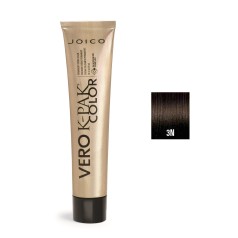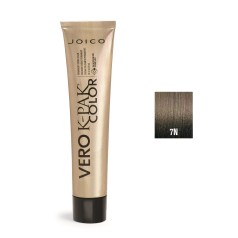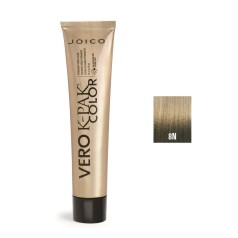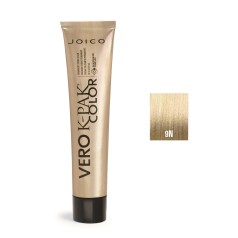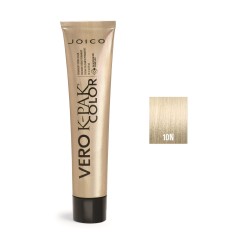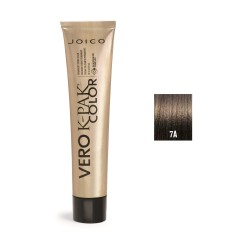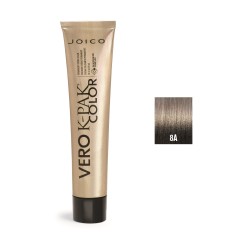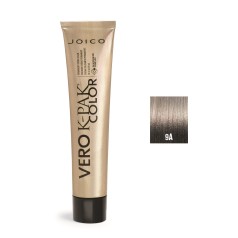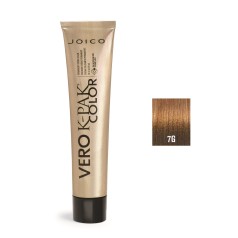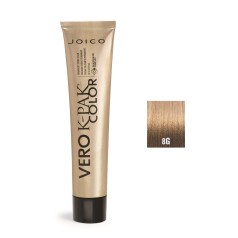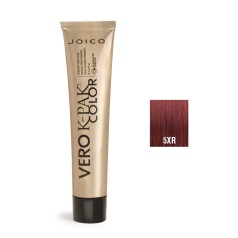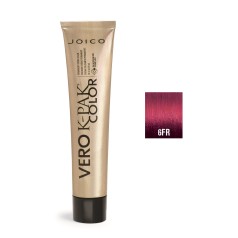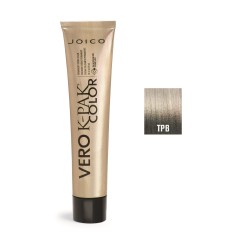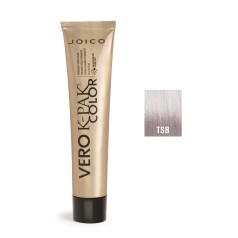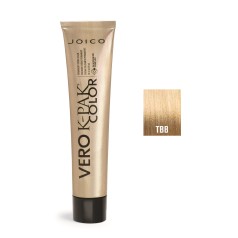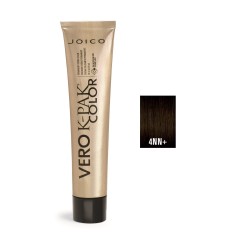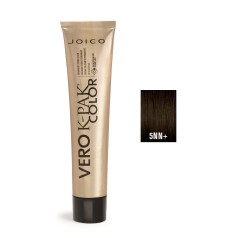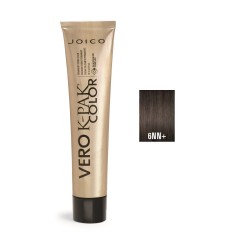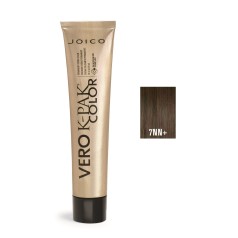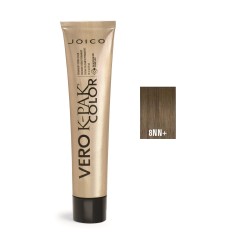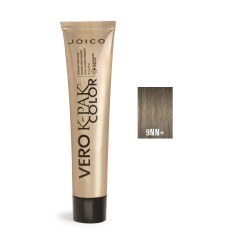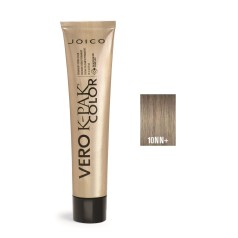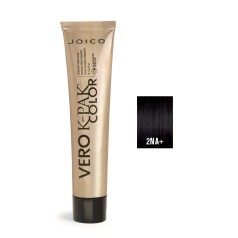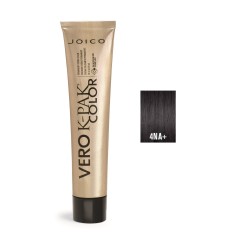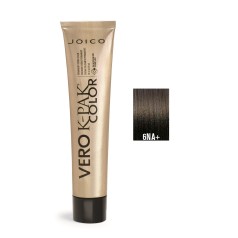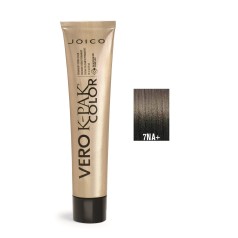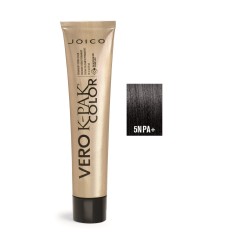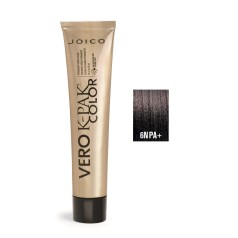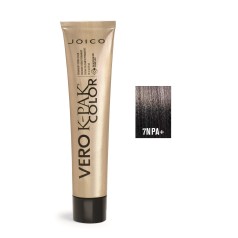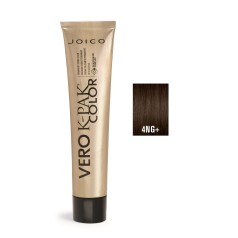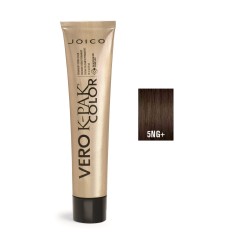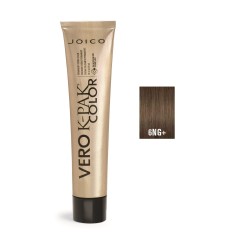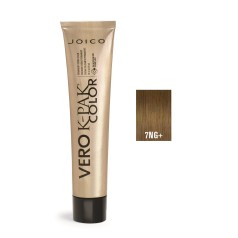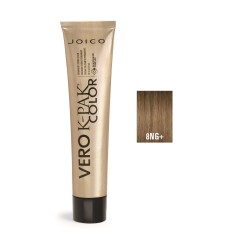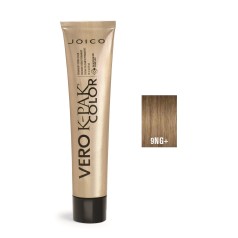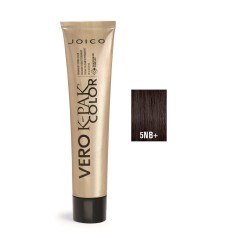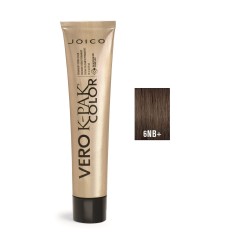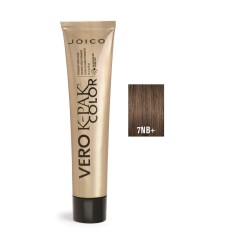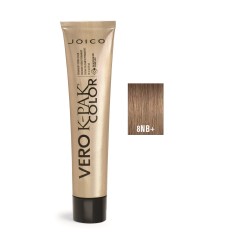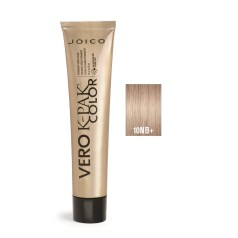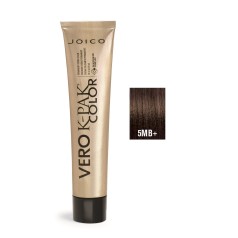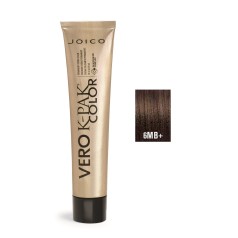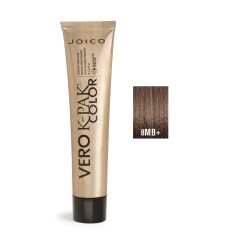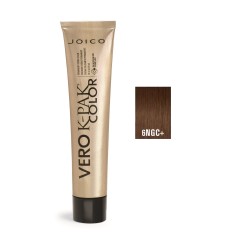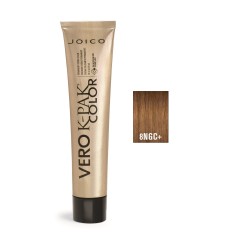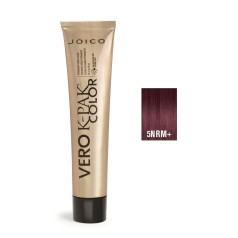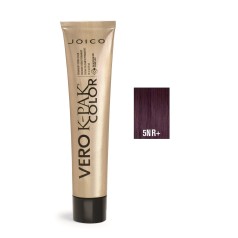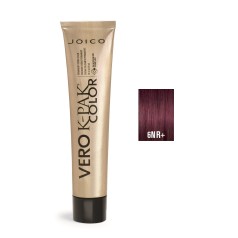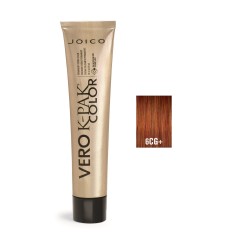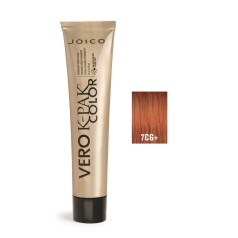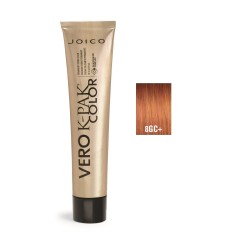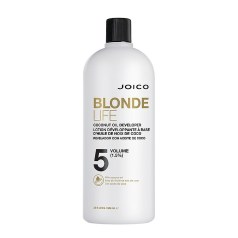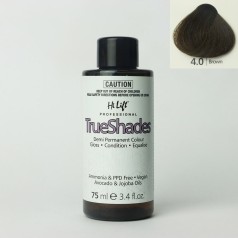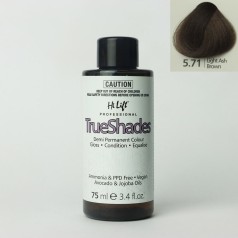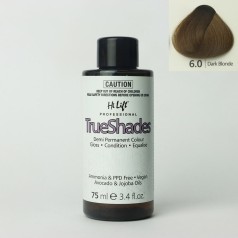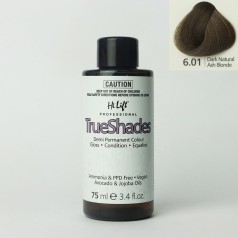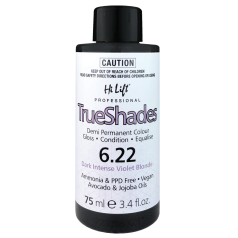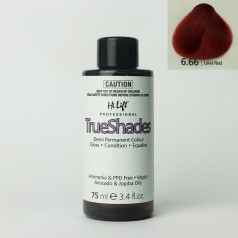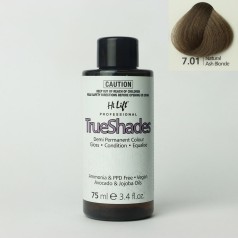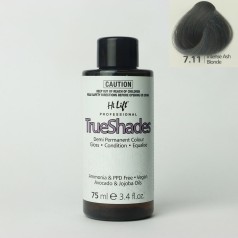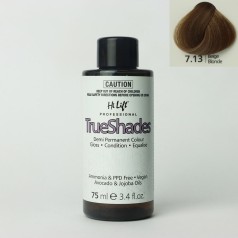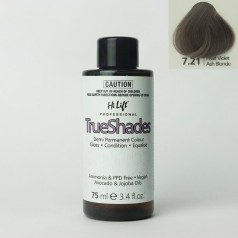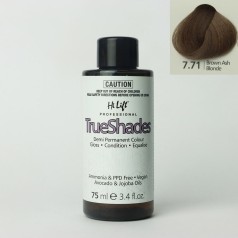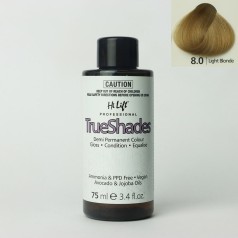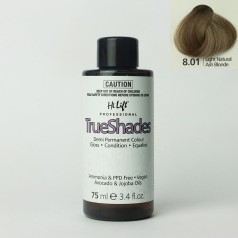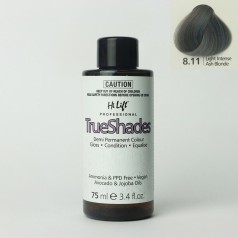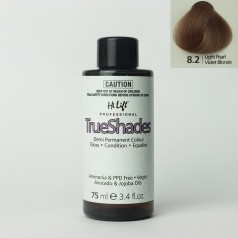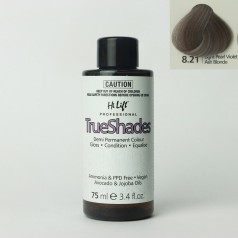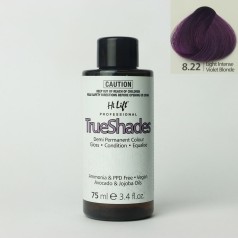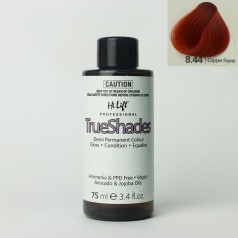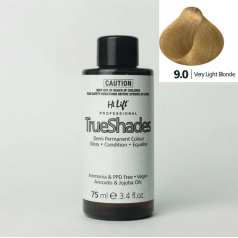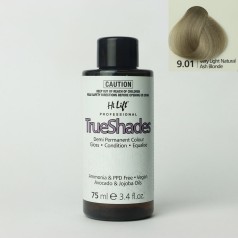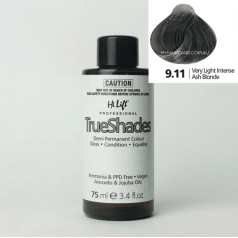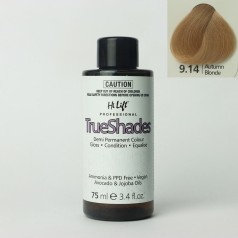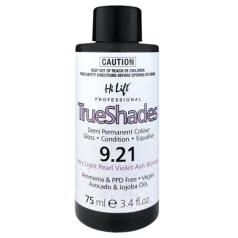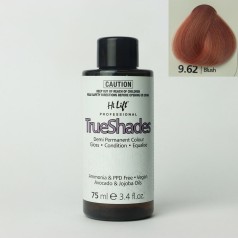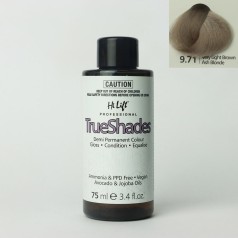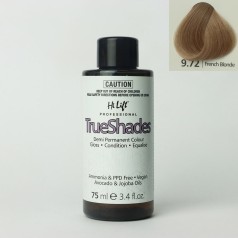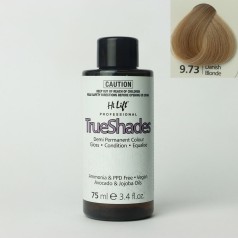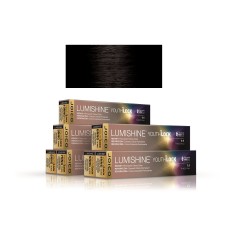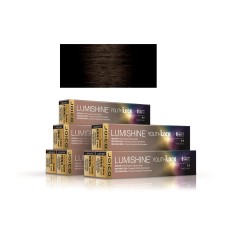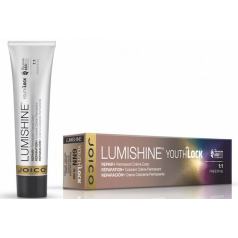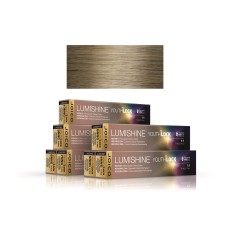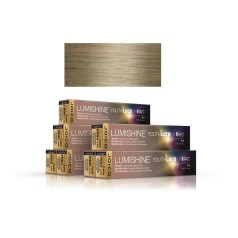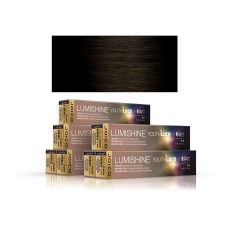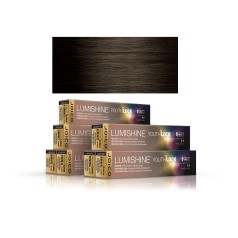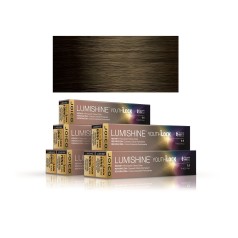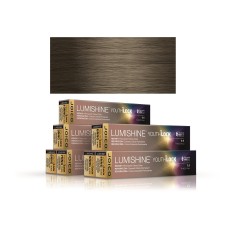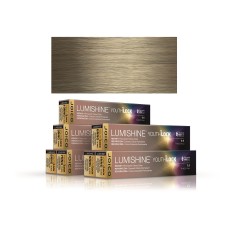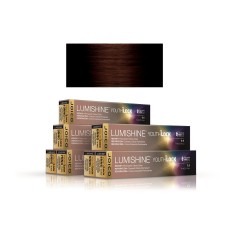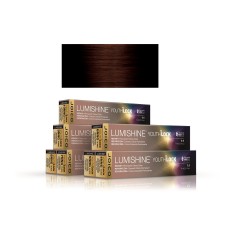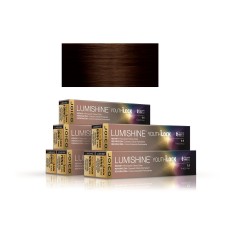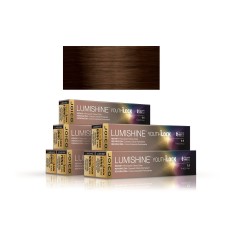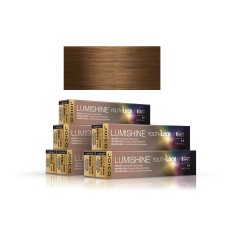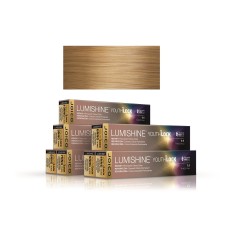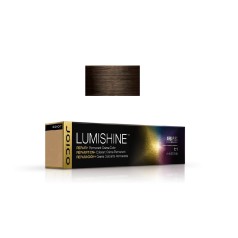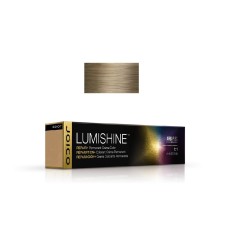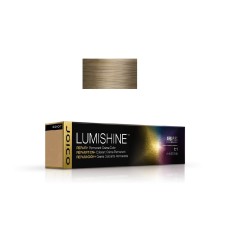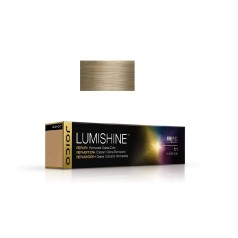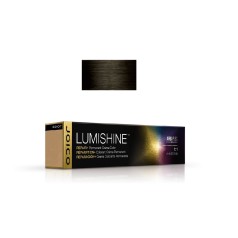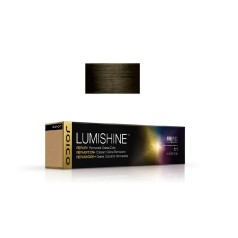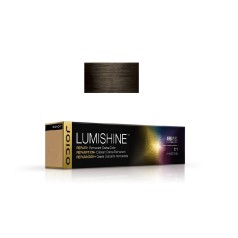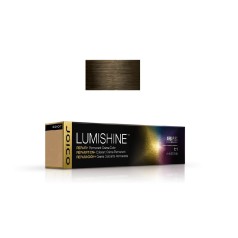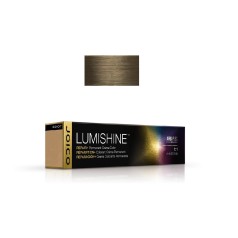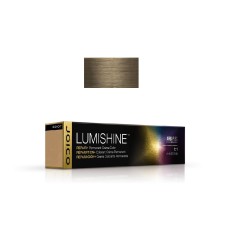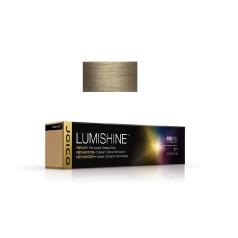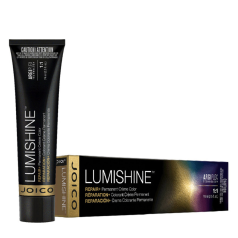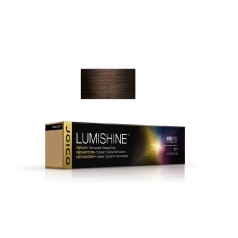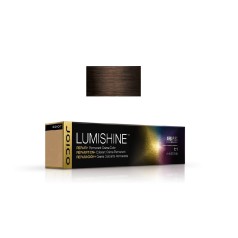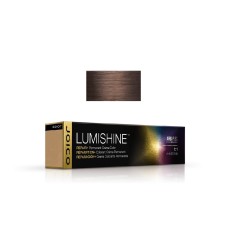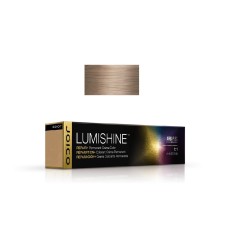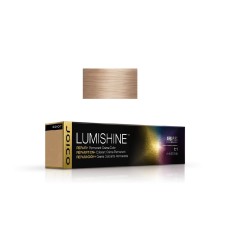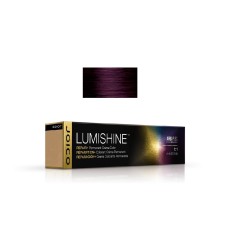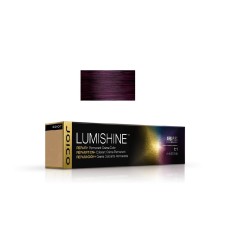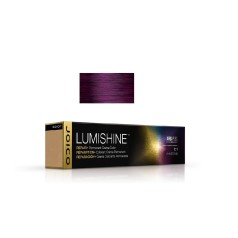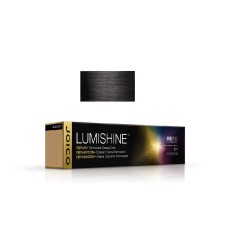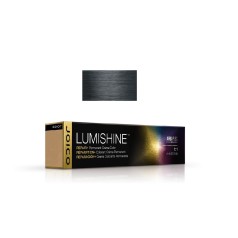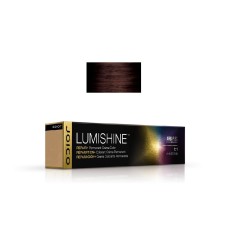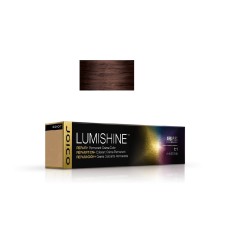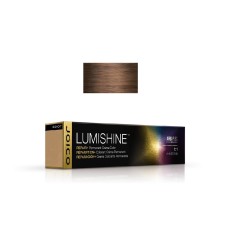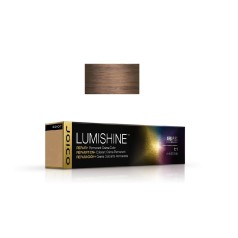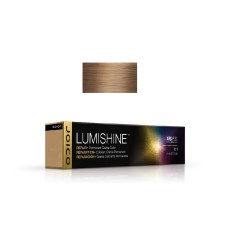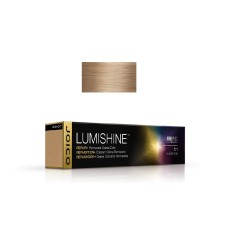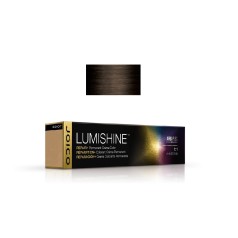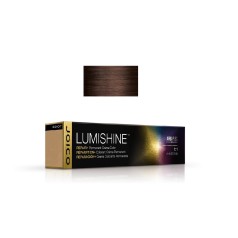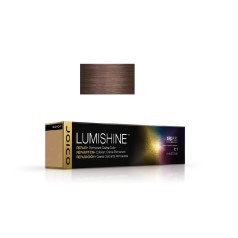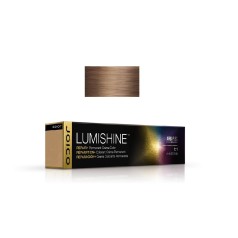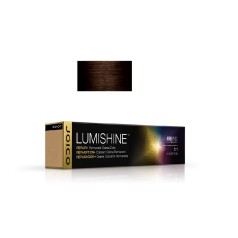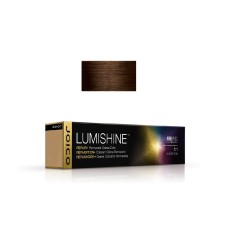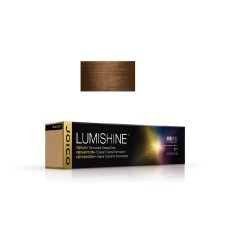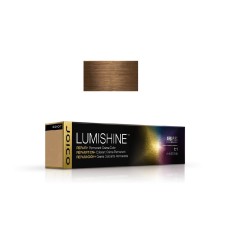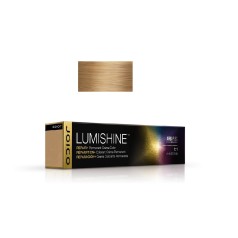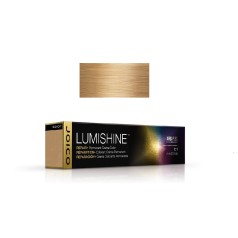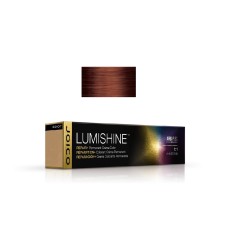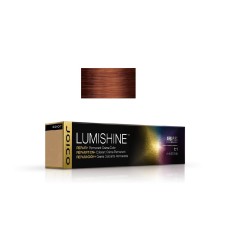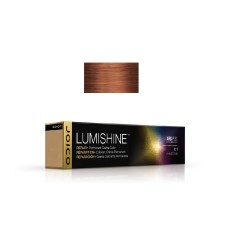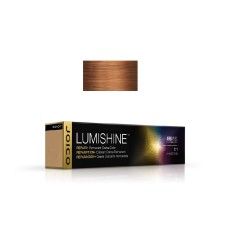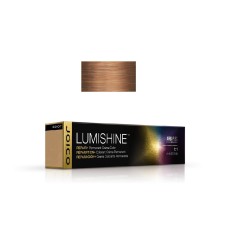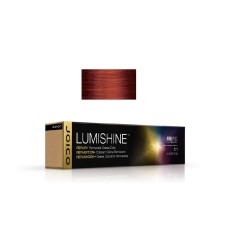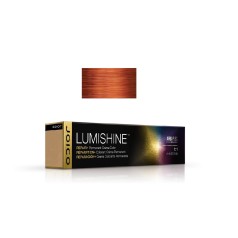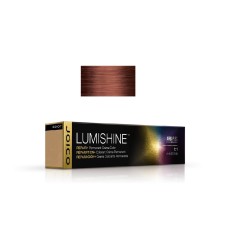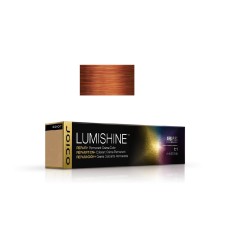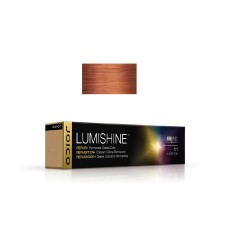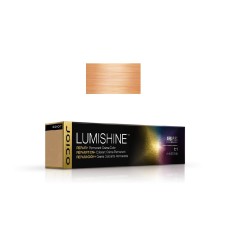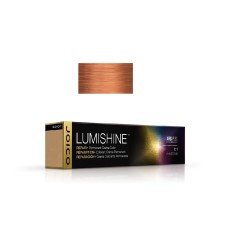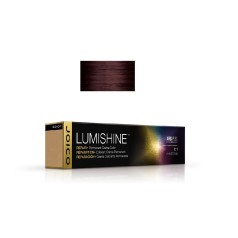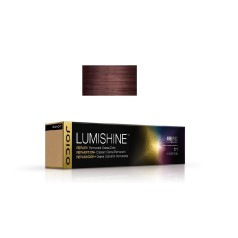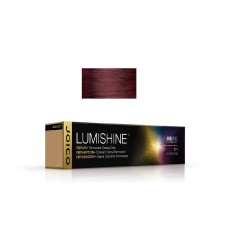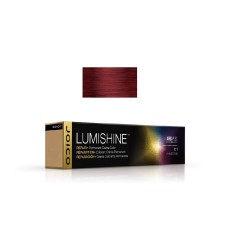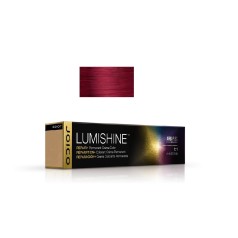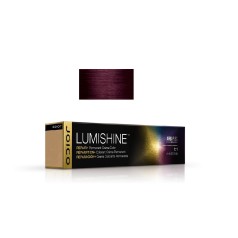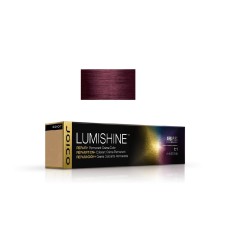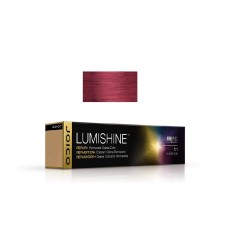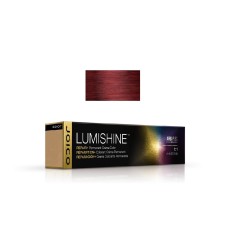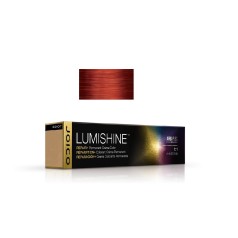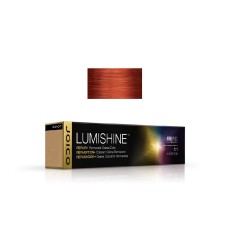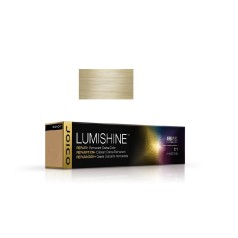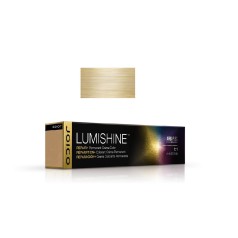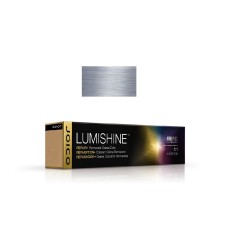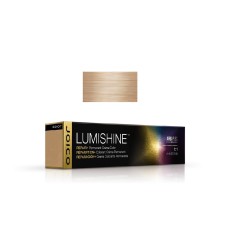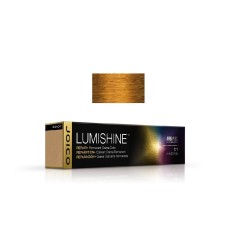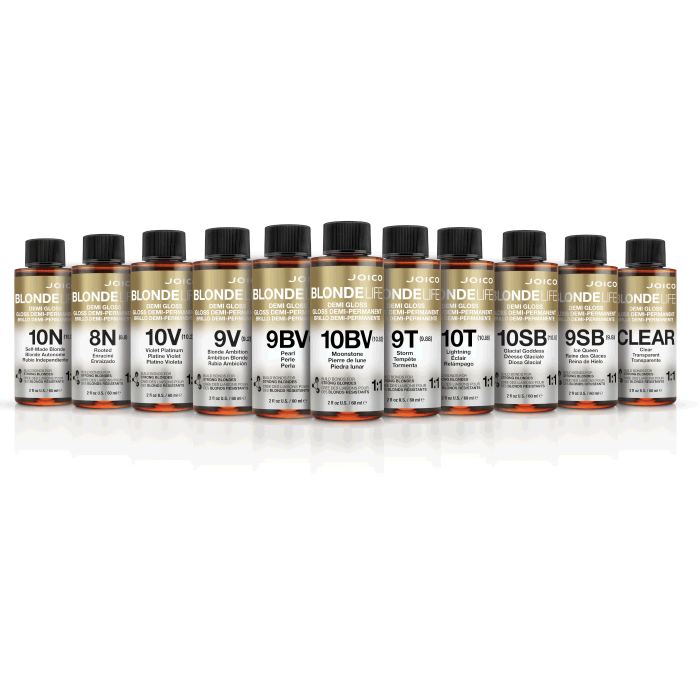
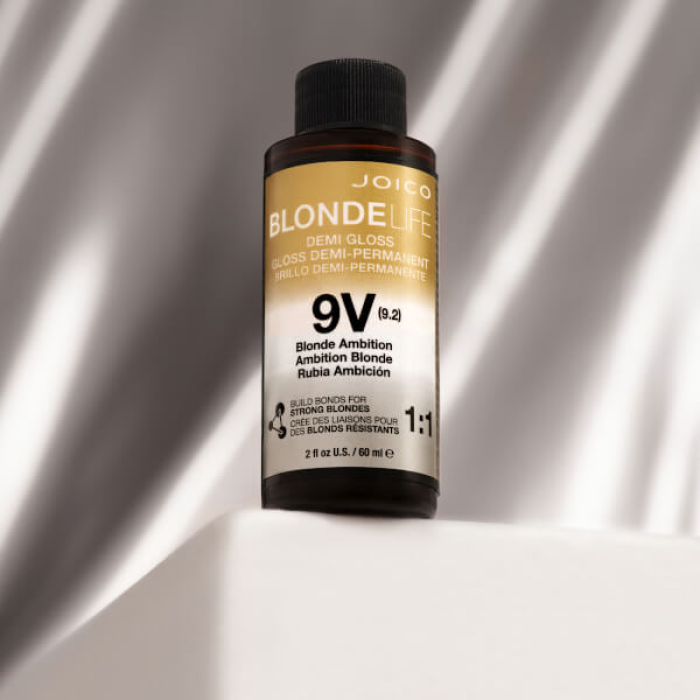
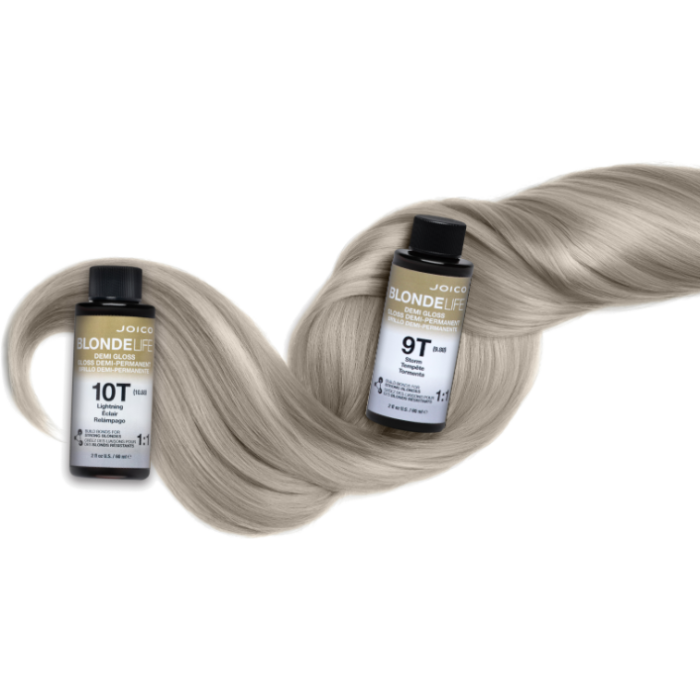
Joico Blonde Life Demi Gloss
Joico

Blonde Life Demi Gloss

$19.96
Only 10 remaining in stock!
4 payments of with
  • Delivery
  • Click & Collect
In Stock - Free Shipping on orders $49.99 +
Estimated delivery: Mon, Aug 17th - Sat, Aug 22nd

Free Click and collect is available at checkout. Orders are ready within 1 hour during opening hours. Store Address: 56 Parer Rd, Airport West, VIC Australia 3042 Phone (03) 9999 5902

Why You’ll love it
Blonde
Colour Care
Turn flat, brassy blonde into a cool, light-catching glow in one glossing step.
Softens rough, over-lightened strands so they feel silkier to the touch.
Helps neutralise unwanted yellow tones for cleaner, more balanced blonde.
Leaves hair looking shinier, smoother and easier to brush and style.
Description
Read more
Directions
Ingredients
  • Aqua Solvents
    Solvent

    The water base that carries and dissolves the other ingredients in most products.

    May suit

    All hair and skin types.

    Worth knowing

    Almost always the first ingredient listed in water-based products.

  • Cetearyl Alcohol Conditioning agents
    Fatty alcohol conditioner

    A fatty alcohol that helps soften hair and improve the texture of formulations.

    May suit

    People looking for smoother, more manageable hair or richer, creamier product textures.

    Worth knowing

    Despite the name, fatty alcohols are moisturising and conditioning rather than drying. They also help stabilise and thicken many haircare formulas.

  • Cetyl Alcohol Conditioning agents
    Emollient and texture enhancer

    Cetyl Alcohol helps soften the hair and gives products a smooth, creamy texture.

    May suit

    Those looking for conditioning, slip, or richer textures in their haircare products.

    Worth knowing

    Despite the name, fatty alcohols like cetyl alcohol are non‑drying and are commonly used to add emollience and stability to formulations.

  • Propylene Glycol Humectants
    Humectant

    Helps hold moisture and carry other ingredients through the formula.

    May suit

    Most hair types as part of a moisturising formula.

    Worth knowing

    A widely used humectant and carrier ingredient.

  • Behentrimonium Chloride Conditioning agents
    Conditioning agent

    A conditioning agent that helps detangle and soften, reducing static and roughness.

    May suit

    Most hair types, especially tangle-prone or coarse hair.

    Worth knowing

    A common conditioner ingredient despite the chloride name, which simply describes its chemistry.

  • Isopropyl Alcohol Solvents
    Solvent

    Helps dissolve ingredients and supports quick-drying formulas.

    May suit

    Those using styling products that benefit from fast evaporation, such as sprays.

    Worth knowing

    It is commonly used at low levels to improve texture and spreadability. It evaporates quickly, leaving minimal residue on the hair.

  • Hydrolyzed Keratin Proteins and amino acids
    Protein

    Helps temporarily support and smooth the hair surface for a stronger feel.

    May suit

    Damaged, chemically treated or fragile hair wanting reinforcement.

    Worth knowing

    Protein routines suit some hair well, while very protein-sensitive hair may prefer balance with moisture.

  • Keratin Proteins and amino acids
    Strengthening protein

    Keratin helps reinforce the hair structure and improve the feel of damaged or weakened strands.

    May suit

    Those with chemically treated, heat‑styled, or fragile hair may find it beneficial.

    Worth knowing

    Keratin used in haircare is typically hydrolysed so it can adhere more easily to the hair surface. It offers cosmetic conditioning benefits rather than permanently altering the internal hair structure.

  • Arginine Hydrochloride Proteins and amino acids
    Amino acid conditioning

    An amino acid used to help support hair strength and overall conditioning.

    May suit

    People looking for repair-focused or strengthening haircare formulas.

    Worth knowing

    Arginine Hydrochloride is commonly included in haircare to support the hair fibre and enhance conditioning benefits.

  • Cocos Nucifera Oil Oils and butters
    Conditioning oil

    A rich oil that softens and conditions the hair and can reduce moisture loss.

    May suit

    Dry, coarse or thick hair that likes richer oils.

    Worth knowing

    Suits some hair types more than others, and a little usually goes a long way.

  • Mineral Oil Oils and butters
    Emollient / occlusive

    Helps smooth and coat the hair by forming a lightweight protective layer.

    May suit

    People looking to reduce moisture loss, add slip, or tame frizz.

    Worth knowing

    Mineral oil is a highly refined cosmetic-grade ingredient valued for its stability and ability to lock in moisture. It is commonly used in hair treatments and styling products for added softness and shine.

  • Dimethicone Silicones
    Slip and shine agent

    Smooths the hair surface, adds slip and shine and helps reduce frizz.

    May suit

    Frizz-prone, coarse or dry hair wanting a smooth, glossy finish.

    Worth knowing

    Some people prefer silicone-free formulas, especially for certain curl routines. It is widely used and helpful in many smoothing products.

  • Stearamidopropyl Dimethylamine Conditioning agents
    Hair conditioning agent

    A conditioning agent that helps smooth and soften the hair.

    May suit

    Those looking for improved slip, manageability and reduced static, especially in dry or textured hair.

    Worth knowing

    It is often paired with fatty acids to enhance conditioning performance and provide a softer feel. It also helps detangle without weighing hair down.

  • Trideceth-6 Cleansers / surfactants
    Solubiliser / surfactant

    A non-ionic surfactant that helps blend oil-soluble ingredients into water-based formulas.

    May suit

    Those using products with oils or silicones who want them to rinse evenly without residue.

    Worth knowing

    It is commonly used in shampoos and styling products to support stable, uniform textures. Its mild nature makes it suitable for a wide range of formulations.

  • Amodimethicone Silicones
    Conditioning silicone

    A conditioning silicone that targets rougher areas of the hair to smooth and protect.

    May suit

    Damaged, frizz-prone or colour-treated hair wanting targeted smoothing.

    Worth knowing

    Designed to deposit where hair needs it most. Some prefer silicone-free formulas by choice.

  • Lactic Acid pH adjusters
    pH adjuster

    Helps adjust and maintain the product’s pH for optimal performance.

    May suit

    Those looking for formulas that help smooth the cuticle or gently refine the scalp surface.

    Worth knowing

    Lactic Acid can also provide mild hydrating and smoothing benefits in haircare. Its pH-balancing role helps support product stability and performance.

  • Citric Acid pH adjusters
    pH adjuster

    Fine-tunes the product pH, which can help the hair surface feel smooth.

    May suit

    Most hair types as part of a balanced formula.

    Worth knowing

    Usually present in small amounts to balance the formula.

  • Tetrasodium EDTA Chelating agents
    Chelating agent

    Helps bind metal ions in water to improve product stability and performance.

    May suit

    Those in hard-water areas who want shampoos and conditioners to rinse more cleanly.

    Worth knowing

    Chelating agents can support formula consistency and help prevent minerals from depositing on the hair or interfering with product texture. They are widely used in many rinse-off and leave-in formulations.

  • Disodium EDTA Chelating agents
    Chelating agent

    Binds to minerals from hard water so the product works consistently and stays stable.

    May suit

    All products, especially in hard-water areas.

    Worth knowing

    Used in tiny amounts to keep formulas performing reliably.

  • Glycerin Humectants
    Humectant

    Attracts and holds water to help hair feel hydrated and soft.

    May suit

    Dry or dehydrated hair, and many curl and moisture routines.

    Worth knowing

    A very common, well-tolerated humectant used across countless products.

  • Polysorbate 20 Thickeners and stabilisers
    Solubiliser / emulsifier

    Helps blend oil‑based ingredients into water‑based formulas for a smooth, even texture.

    May suit

    Those using products with essential oils or fragranced blends, as it helps disperse these evenly.

    Worth knowing

    It is widely used as a gentle solubiliser in both leave‑in and rinse‑off products. Its presence can improve product consistency and prevent ingredient separation.

  • Oleth-10 Cleansers / surfactants
    Emulsifier / solubiliser

    Helps blend oil‑ and water‑based ingredients and improves product texture.

    May suit

    Those using shampoos, conditioners or treatments that need smooth, uniform mixing of ingredients.

    Worth knowing

    It is a nonionic surfactant commonly used to stabilise formulas and aid the dispersal of fragrance or oils in water-based products. It is widely used in both haircare and skincare for its mildness and versatility.

  • Laureth-9 Cleansers / surfactants
    Surfactant and emulsifier

    Laureth-9 helps blend oil and water components and provides light cleansing or solubilising action.

    May suit

    Those looking for products that spread evenly or contain stable blends of oils and water-based ingredients.

    Worth knowing

    It is a versatile non-ionic surfactant often used at low levels to support product texture and stability. It can also assist with foaming and rinse-off performance.

  • C11-15 Pareth-7 Cleansers / surfactants
    Non-ionic surfactant

    A non-ionic surfactant that helps cleanse and allows oil and water to mix evenly.

    May suit

    Those looking for effective yet mild cleansing or improved product spreadability.

    Worth knowing

    It is commonly used in shampoos and styling products to support gentle cleansing and stable formulations. Non-ionic surfactants like this are valued for being versatile in different formula types.

  • Laureth-4 Cleansers / surfactants
    Solubiliser / mild surfactant

    Laureth-4 helps dissolve oils and blend fragrance or active ingredients evenly through a formula.

    May suit

    Those looking for products with effective cleansing or evenly dispersed ingredients.

    Worth knowing

    It is commonly used at low levels to support texture and clarity in shampoos and styling products. Despite being a surfactant, it is often included for solubilising rather than strong cleansing.

  • C12-16 Pareth-9 Cleansers / surfactants
    Non-ionic surfactant

    A non-ionic surfactant used to help cleanse and improve the spreadability of a formula.

    May suit

    Those looking for gentle cleansing or enhanced distribution of a product through the hair.

    Worth knowing

    It is commonly used in shampoos and styling products to support even application and boost rinse-off performance without adding heaviness.

  • Phenoxyethanol Preservatives
    Preservative

    Helps keep the product stable and pleasant to use after opening.

    May suit

    All products that need protecting from spoilage.

    Worth knowing

    A very common, well-studied preservative used at low levels.

  • Methylparaben Preservatives
    Preservative

    Helps protect haircare products by preventing microbial spoilage.

    May suit

    Anyone who wants products to stay fresh and stable over time.

    Worth knowing

    Parabens like methylparaben are widely used because they are effective in very small amounts and have a long history of use in cosmetics. They help maintain product quality, especially in water-based formulas.

  • Ethylparaben Preservatives
    Preservative

    Helps prevent microbial growth and keeps haircare formulas stable over time.

    May suit

    Those who want products with reliable preservation, including professionals who need consistent shelf stability.

    Worth knowing

    Ethylparaben is part of the paraben family, which has been widely used for many years due to its effectiveness in small amounts. It is often combined with other preservatives to create a broad‑spectrum system.

  • Propylparaben Preservatives
    Preservative

    Helps keep haircare formulas stable by preventing the growth of microbes.

    May suit

    Anyone using products that benefit from a long, reliable shelf life.

    Worth knowing

    Propylparaben is a widely used preservative that helps maintain product quality and freshness. It is used at very low levels and is well studied for its role in keeping formulations stable.

  • Butylparaben Preservatives
    Preservative

    Butylparaben helps preserve haircare formulas by preventing product spoilage.

    May suit

    Those who want products with a longer shelf life and consistent performance.

    Worth knowing

    Parabens like butylparaben are widely used and well-studied preservatives that help keep products stable. They are typically present in very small amounts to maintain freshness and quality.

  • Sodium Sulfite Preservatives
    Antioxidant / stabiliser

    Helps protect formulas by reducing oxidation and maintaining product stability.

    May suit

    Those interested in ingredient lists for sensitivity reasons or who like understanding how products stay stable.

    Worth knowing

    It functions as a reducing agent, supporting the long-term quality of a formula. It is not usually included for direct hair benefits but for product integrity.

  • Sodium Metabisulfite Preservatives
    Antioxidant preservative

    Helps protect formulations from oxidation and supports product freshness.

    May suit

    Those interested in products designed to remain stable over time.

    Worth knowing

    It is also used as a reducing agent in some professional hair processes, such as perming. In regular haircare, it appears at low levels to support formula stability.

  • Parfum Fragrance ingredients
    Fragrance

    Gives the product its scent.

    May suit

    People who enjoy a scented product.

    Worth knowing

    Fragrance preference is personal. Some people prefer fragrance-free formulas by choice.

  • Basic Red 51 Colourants
    Hair colourant

    A synthetic red dye used to add or enhance colour in hair products.

    May suit

    People using semi-permanent or temporary hair colour products.

    Worth knowing

    It is commonly used in toners and semi-permanent dyes to achieve vibrant red or warm tones. Its intensity can vary depending on the formula and hair condition.

  • Basic Yellow 87 Colourants
    Hair colourant

    A synthetic yellow dye used to add or adjust colour in hair products.

    May suit

    People using semi-permanent or temporary hair colour products.

    Worth knowing

    It is typically used in small amounts to fine‑tune shade results or create vivid tones. Direct dyes like this deposit colour without the need for oxidative processing.

  • Basic Blue 99 Colourants
    Hair dye colourant

    A synthetic blue colourant used to create or adjust shade in hair dyes.

    May suit

    People using oxidative or direct hair dyes who want specific blue or cool-toned results.

    Worth knowing

    It is commonly used in professional and consumer hair-colouring formulas to provide stable, predictable colour results. Its performance depends on the overall dye system and hair condition.

  • Basic Brown 17 Colourants
    Hair colourant

    A cationic dye used to add or adjust brown tones in hair colour formulations.

    May suit

    Those using permanent or semi-permanent hair dyes seeking specific brown shades or tonal depth.

    Worth knowing

    It is commonly used in professional and at-home colouring systems to achieve consistent results. Its performance can vary depending on the formula and hair condition.

  • Basic Violet 2 Colourants
    Colourant

    A synthetic colourant used to impart bright purple or pink tones to haircare products.

    May suit

    Those using vividly tinted shampoos, conditioners or direct dyes.

    Worth knowing

    It is primarily used for visual appeal or to support colour-depositing formulas. Only very small, regulated amounts are used in finished products.

  • Basic Orange 31 Colourants
    Colourant

    A synthetic direct dye used to add orange tones to hair colour formulas.

    May suit

    Those using semi-permanent or temporary colour products seeking warm or vivid orange shades.

    Worth knowing

    Direct dyes like this sit on or near the surface of the hair, offering bright tones without the need for oxidative processing. They are commonly used in fashion colours and toning products.

Questions and Answers

Questions and Answers

Write A Question
Name
E-mail
Your Question
Reviews
Write a review
Your evaluation
Name
E-mail
Your Review
Find your product in seconds!
Haircare
Skincare
Makeup