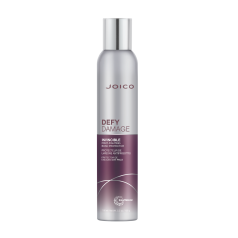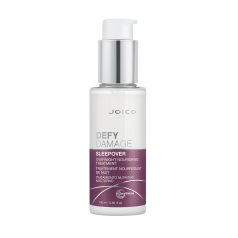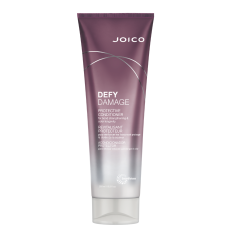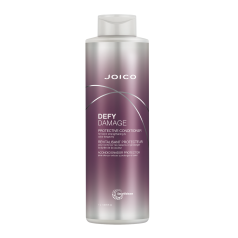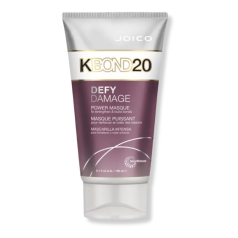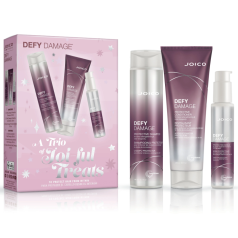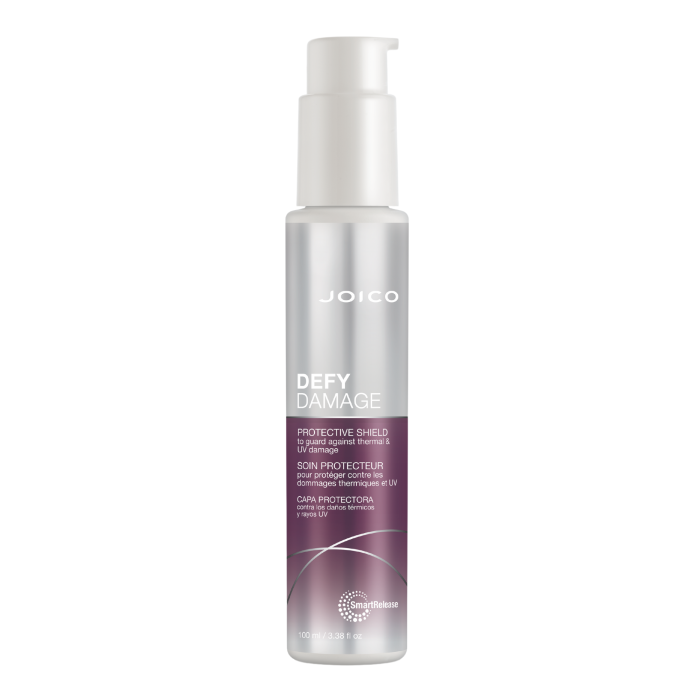
Joico Defy Damage Protective Shield
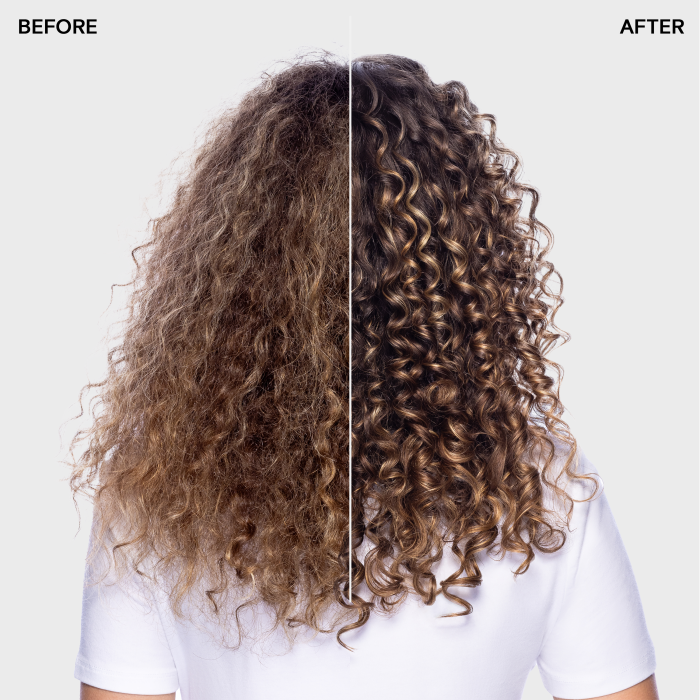
"Light weight texture and doesn't weigh my thick hair down. Feels soft and healthy even after blow drying and straightening. " - Erin
Joico

Defy Damage Protective Shield 100ml

5 (3)
Save 20%
$33.56
$41.95
Only 0 remaining in stock!
Notify When Back In Stock Enter your email to be notified as soon as this item is available to order.
  • Delivery
  • Click & Collect
In Stock - Free Shipping on orders $49.99 +
Estimated delivery: %s - %s

Free Click and collect is available at checkout. Orders are ready within 1 hour during opening hours. Store Address: 56 Parer Rd, Airport West, VIC Australia 3042 Phone (03) 9999 5902

Most Helpful Review
"Light weight texture and doesn't weigh my thick hair down. Feels soft and healthy even after blow drying and straightening. " - Erin
Why You’ll love it
Blow Drying
Cruelty Free
PETA Approved
Low/ Medium Shine
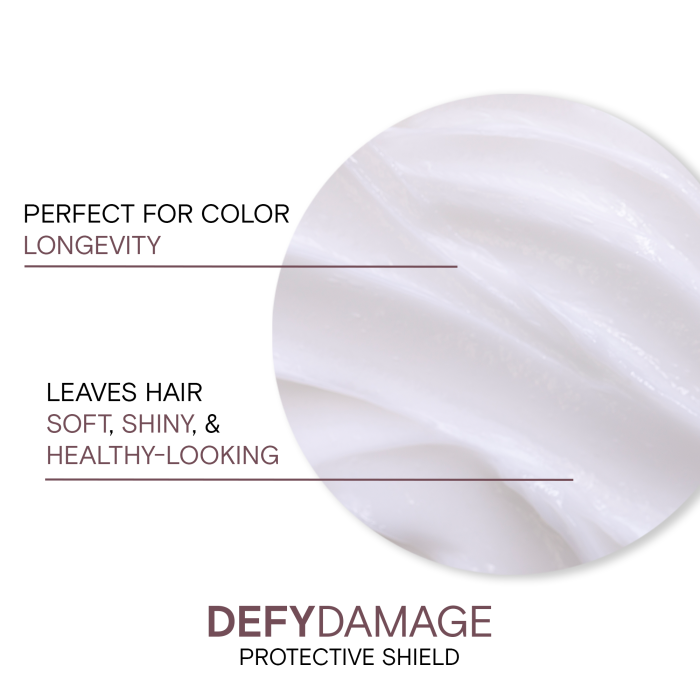
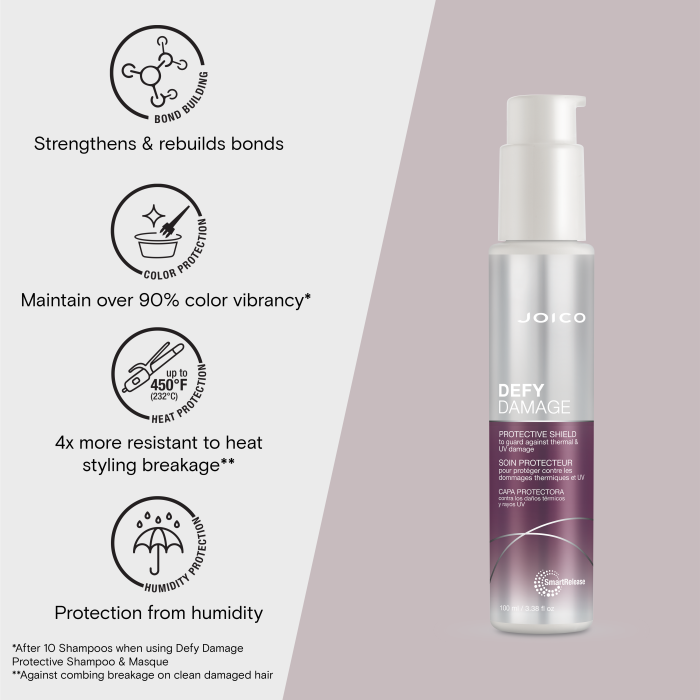
Shield your hair from daily damage before it even begins.
Helps protect against heat so styles look smoother, longer.
Leaves hair feeling silky, not sticky or weighed down.
Adds a soft, touchable finish with a fresh, subtle scent.
Description
Read more
Directions
Ingredients
  • Cyclopentasiloxane Silicones
    Slip and shine agent

    A lightweight silicone that spreads product evenly and gives a silky, fast-absorbing feel.

    May suit

    People wanting a light, non-greasy smoothing or shine finish.

    Worth knowing

    Often used in serums and oils for a weightless feel. Some prefer silicone-free options depending on routine.

  • Dimethiconol Silicones
    Smoothing silicone

    A conditioning silicone that helps smooth hair, reduce frizz and add slip.

    May suit

    People looking for smoother, shinier hair or help with detangling.

    Worth knowing

    It is often blended with other silicones to create a lightweight, non-greasy finish. It forms a flexible film on the hair that can improve manageability.

  • Dipropylene Glycol Humectants
    Humectant

    A versatile humectant that helps attract and hold moisture while improving product texture and spreadability.

    May suit

    Those looking for products that support moisture balance without heaviness.

    Worth knowing

    It is also commonly used as a solvent to help dissolve other ingredients evenly in a formula. It is well tolerated in most haircare products and contributes to a smooth application feel.

  • Isododecane Solvents
    Lightweight solvent

    Isododecane helps dissolve other ingredients and gives hair products a lightweight, non-greasy feel.

    May suit

    People who prefer lightweight styling or smoothing products that don’t weigh the hair down.

    Worth knowing

    It evaporates quickly, which can help products spread easily without residue. It is commonly used to enhance slip and smoothness in styling formulas.

  • Alcohol Denat. Solvents
    Solvent

    A fast-evaporating solvent that helps dissolve ingredients and improve product dry time.

    May suit

    People who use styling products that benefit from quick drying or a lightweight feel.

    Worth knowing

    Its quick evaporation can help reduce residue and support a clean finish in styling formulas. Some may notice it can feel slightly drying in leave-in products depending on hair type.

  • Cetyl Alcohol Conditioning agents
    Emollient and texture enhancer

    Cetyl Alcohol helps soften the hair and gives products a smooth, creamy texture.

    May suit

    Those looking for conditioning, slip, or richer textures in their haircare products.

    Worth knowing

    Despite the name, fatty alcohols like cetyl alcohol are non‑drying and are commonly used to add emollience and stability to formulations.

  • Behentrimonium Chloride Conditioning agents
    Conditioning agent

    A conditioning agent that helps detangle and soften, reducing static and roughness.

    May suit

    Most hair types, especially tangle-prone or coarse hair.

    Worth knowing

    A common conditioner ingredient despite the chloride name, which simply describes its chemistry.

  • Butyrospermum Parkii Butter Oils and butters
    Conditioning butter

    A rich butter that softens and conditions, adding slip to dry or coarse hair.

    May suit

    Dry, coarse, curly or thick hair wanting extra softness.

    Worth knowing

    Rich and nourishing, so amounts can be adjusted to hair type.

  • Cocos Nucifera Oil Oils and butters
    Conditioning oil

    A rich oil that softens and conditions the hair and can reduce moisture loss.

    May suit

    Dry, coarse or thick hair that likes richer oils.

    Worth knowing

    Suits some hair types more than others, and a little usually goes a long way.

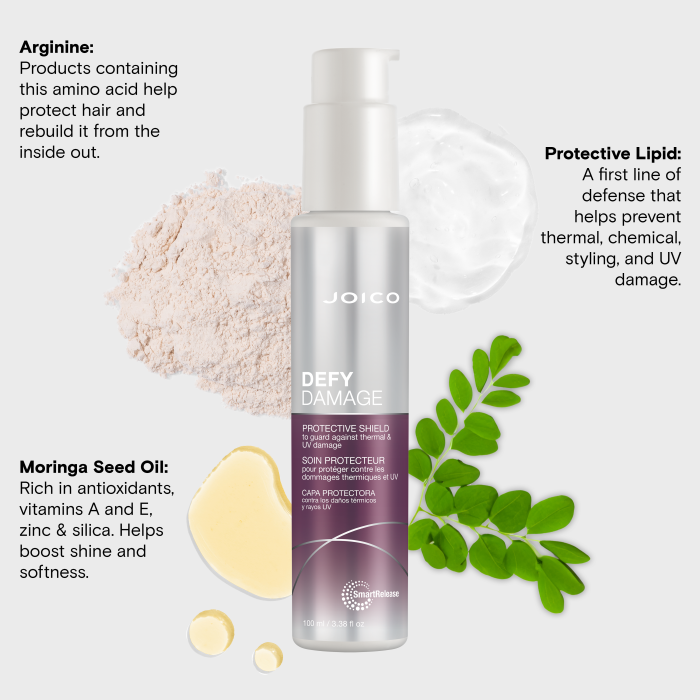
  • Moringa Oleifera Seed Oil Oils and butters
    Nourishing plant oil

    A lightweight plant oil that helps condition and soften hair.

    May suit

    Those looking to add smoothness, shine, or softness to dry or textured hair.

    Worth knowing

    It is rich in fatty acids that help support hair feel and manageability. It is commonly used in both rinse-off and leave-in products for added nourishment.

  • Hydrolyzed Keratin Proteins and amino acids
    Protein

    Helps temporarily support and smooth the hair surface for a stronger feel.

    May suit

    Damaged, chemically treated or fragile hair wanting reinforcement.

    Worth knowing

    Protein routines suit some hair well, while very protein-sensitive hair may prefer balance with moisture.

  • Keratin Proteins and amino acids
    Strengthening protein

    Keratin helps reinforce the hair structure and improve the feel of damaged or weakened strands.

    May suit

    Those with chemically treated, heat‑styled, or fragile hair may find it beneficial.

    Worth knowing

    Keratin used in haircare is typically hydrolysed so it can adhere more easily to the hair surface. It offers cosmetic conditioning benefits rather than permanently altering the internal hair structure.

  • Arginine Hydrochloride Proteins and amino acids
    Amino acid conditioning

    An amino acid used to help support hair strength and overall conditioning.

    May suit

    People looking for repair-focused or strengthening haircare formulas.

    Worth knowing

    Arginine Hydrochloride is commonly included in haircare to support the hair fibre and enhance conditioning benefits.

  • Hydrolyzed Soy Protein Proteins and amino acids
    Strengthening protein

    A plant-derived protein that helps support hair strength and improve the feel of damaged or processed hair.

    May suit

    People with weakened, chemically treated, or breakage-prone hair may appreciate its reinforcing effect.

    Worth knowing

    Hydrolysed proteins are broken into smaller fragments so they can more easily interact with the hair’s surface. They are commonly used alongside conditioners and humectants for a balanced feel.

  • Phytosterols Conditioning agents
    Conditioning emollient

    Plant-derived lipids that help condition and soften the hair.

    May suit

    Those seeking smoother, more manageable hair or plant-based conditioning ingredients.

    Worth knowing

    Phytosterols can support moisture retention and enhance the feel of hair in conditioning formulas. They are often used alongside oils and other emollients for improved texture.

  • Tocopherol Preservatives
    Antioxidant

    An antioxidant that helps support product stability and can provide conditioning benefits to hair.

    May suit

    Those wanting added nourishment or antioxidant support in their haircare routine.

    Worth knowing

    Tocopherol is commonly included to help protect oils in a formula from oxidising and to offer light conditioning benefits. It is widely used in both skincare and haircare products.

  • Panthenol Conditioning agents
    Conditioning agent

    Helps condition, soften and add a smooth, healthy feel to the hair.

    May suit

    Most hair types, especially dry or dull hair.

    Worth knowing

    A versatile, well-tolerated conditioning ingredient.

  • Glycerin Humectants
    Humectant

    Attracts and holds water to help hair feel hydrated and soft.

    May suit

    Dry or dehydrated hair, and many curl and moisture routines.

    Worth knowing

    A very common, well-tolerated humectant used across countless products.

  • Propanediol Humectants
    Hydrating humectant

    Helps attract and hold moisture in hair and supports a smooth, conditioned feel.

    May suit

    Those wanting lightweight hydration without heaviness.

    Worth knowing

    It is often used as a gentle alternative to glycol-based humectants and can also help improve product texture and absorption.

  • PPG-3 Caprylyl Ether Solvents
    Solvent and emollient

    Helps dissolve other ingredients and adds a smooth, light feel to hair products.

    May suit

    Those who prefer lightweight formulas that spread easily without heaviness.

    Worth knowing

    It is commonly used to improve texture and help blend oil‑compatible ingredients evenly throughout a formula. It also contributes a soft, conditioned feel without leaving residue.

  • Cetearyl Alcohol Conditioning agents
    Fatty alcohol conditioner

    A fatty alcohol that helps soften hair and improve the texture of formulations.

    May suit

    People looking for smoother, more manageable hair or richer, creamier product textures.

    Worth knowing

    Despite the name, fatty alcohols are moisturising and conditioning rather than drying. They also help stabilise and thicken many haircare formulas.

  • Ceteareth-20 Cleansers / surfactants
    Emulsifier and surfactant

    Helps blend oil- and water-based ingredients to create a smooth, stable formula.

    May suit

    Those who prefer products with a creamy, uniform texture.

    Worth knowing

    It is commonly used in conditioners and styling products to keep formulas consistent and easy to apply. It also supports even distribution of other ingredients through the hair.

  • Amodimethicone Silicones
    Conditioning silicone

    A conditioning silicone that targets rougher areas of the hair to smooth and protect.

    May suit

    Damaged, frizz-prone or colour-treated hair wanting targeted smoothing.

    Worth knowing

    Designed to deposit where hair needs it most. Some prefer silicone-free formulas by choice.

  • Trideceth-6 Cleansers / surfactants
    Solubiliser / surfactant

    A non-ionic surfactant that helps blend oil-soluble ingredients into water-based formulas.

    May suit

    Those using products with oils or silicones who want them to rinse evenly without residue.

    Worth knowing

    It is commonly used in shampoos and styling products to support stable, uniform textures. Its mild nature makes it suitable for a wide range of formulations.

  • Cetrimonium Chloride Conditioning agents
    Conditioning agent

    A conditioning agent that helps smooth and soften the hair while reducing static and tangles.

    May suit

    People looking for improved manageability, detangling and smoother-feeling hair.

    Worth knowing

    It is a commonly used quaternary ammonium compound that helps conditioners spread easily through the hair. It is effective even at low levels, which is why it appears frequently in rinse-off products.

  • Hydroxyethylcellulose Thickeners and stabilisers
    Thickener and stabiliser

    A polymer that helps thicken and stabilise haircare formulas.

    May suit

    Those who prefer products with a smooth, uniform texture or need easier application and distribution.

    Worth knowing

    It is derived from cellulose and is widely used because it provides viscosity without weighing hair down. It also helps improve the feel and spreadability of many water-based products.

  • Acrylates/C10-30 Alkyl Acrylate Crosspolymer Thickeners and stabilisers
    Thickener and stabiliser

    Helps thicken and stabilise formulas to create a smooth, consistent texture.

    May suit

    Those who prefer products with a rich, gel-like texture or improved spreadability.

    Worth knowing

    It is widely used in gels, creams and styling products to help keep ingredients evenly dispersed. It can also support formula pH adjustment and enhance product feel.

  • Citric Acid pH adjusters
    pH adjuster

    Fine-tunes the product pH, which can help the hair surface feel smooth.

    May suit

    Most hair types as part of a balanced formula.

    Worth knowing

    Usually present in small amounts to balance the formula.

  • Sodium Hydroxide pH adjusters
    pH adjuster

    Helps control and stabilise the pH of haircare formulations.

    May suit

    Those interested in how product pH affects scalp comfort or hair cuticle behaviour.

    Worth knowing

    It is used in very small amounts to bring a formula to the desired pH range. Once adjusted, it does not act as a strong alkaline agent in the finished product.

  • Disodium EDTA Chelating agents
    Chelating agent

    Binds to minerals from hard water so the product works consistently and stays stable.

    May suit

    All products, especially in hard-water areas.

    Worth knowing

    Used in tiny amounts to keep formulas performing reliably.

  • Phenoxyethanol Preservatives
    Preservative

    Helps keep the product stable and pleasant to use after opening.

    May suit

    All products that need protecting from spoilage.

    Worth knowing

    A very common, well-studied preservative used at low levels.

  • Ethylhexylglycerin Preservatives
    Preservative booster

    Helps support the preservation system and can provide mild skin-conditioning benefits.

    May suit

    Those interested in gentle preservation systems or sensitive scalps may find it relevant.

    Worth knowing

    It is often paired with other preservatives to improve their effectiveness while allowing for lower usage levels. It also has light moisturising and conditioning properties.

  • Sodium Benzoate Preservatives
    Preservative

    Helps protect water-based products from spoilage so they stay usable.

    May suit

    All products that need a preservative system.

    Worth knowing

    Often paired with other preservatives for broad protection.

  • Potassium Sorbate Preservatives
    Preservative

    Helps keep haircare formulas stable by preventing the growth of microbes.

    May suit

    Anyone who uses water-based products that benefit from reliable preservation.

    Worth knowing

    It is commonly used alongside other preservation systems to maintain product freshness and extend shelf life. It is generally well tolerated in rinse-off and leave-in products.

  • Parfum Fragrance ingredients
    Fragrance

    Gives the product its scent.

    May suit

    People who enjoy a scented product.

    Worth knowing

    Fragrance preference is personal. Some people prefer fragrance-free formulas by choice.

  • Limonene Fragrance ingredients
    Fragrance component

    A fragrance component that also occurs naturally in many citrus and plant oils.

    Worth knowing

    A fragrance component that must be listed separately on labels because a minority of people can be sensitive to it. Its presence is normal, required disclosure and is not a quality signal.

  • Linalool Fragrance ingredients
    Fragrance component

    A fragrance component found naturally in many flowers and spices.

    Worth knowing

    A fragrance component that must be listed separately on labels because a minority of people can be sensitive to it. Its presence is normal, required disclosure and is not a quality signal.

  • Hexyl Cinnamal Fragrance ingredients
    Fragrance component

    A fragrance ingredient used to give products a light, floral scent.

    May suit

    Those who enjoy subtly scented haircare products.

    Worth knowing

    It is one of the fragrance components that must be listed separately when present above certain levels. People with known fragrance sensitivities may choose to monitor for it.

  • Citronellol Fragrance ingredients
    Fragrance component

    A fragrance component with a soft floral, rose-like character.

    Worth knowing

    A fragrance component that must be listed separately on labels because a minority of people can be sensitive to it. Its presence is normal, required disclosure and is not a quality signal.

Questions and Answers

Questions and Answers

Write A Question
Name
E-mail
Your Question
Reviews

Reviews: Joico Defy Damage Protective Shield

5 (3)
3
0
0
0
0
Write a review
Your evaluation
Name
E-mail
Your Review
Find your product in seconds!
Haircare
Skincare
Makeup