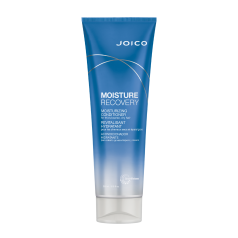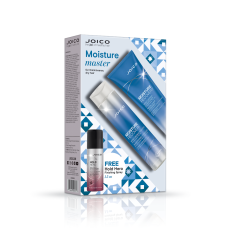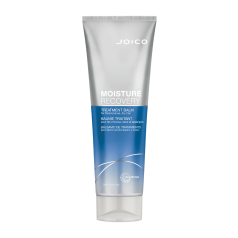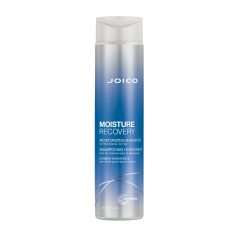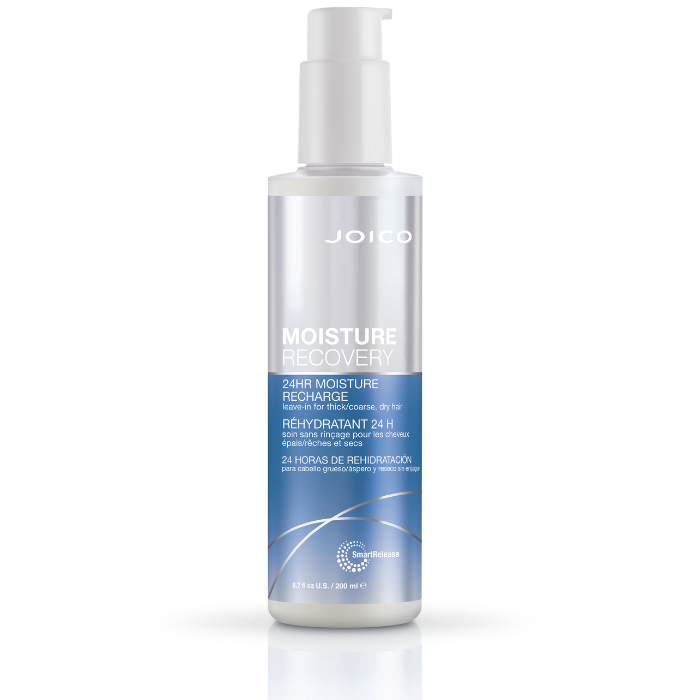
Joico Moisture Recovery 24hr Moisture Recharge Leave-In
Joico

Moisture Recovery 24hr Moisture Recharge Leave-In 200ml

Save 20%
$36.76
$45.95
Only 2 remaining in stock!
  • Delivery
  • Click & Collect
In Stock - Free Shipping on orders $49.99 +
Estimated delivery: Mon, Aug 3rd - Sat, Aug 8th

Free Click and collect is available at checkout. Orders are ready within 1 hour during opening hours. Store Address: 56 Parer Rd, Airport West, VIC Australia 3042 Phone (03) 9999 5902

Why You’ll love it
Frizzy
Cruelty Free
Vegan
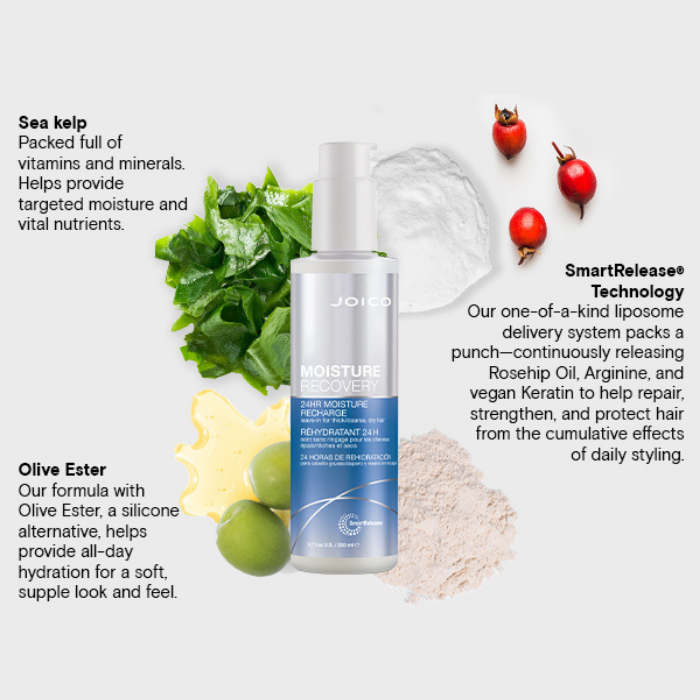
Silicone Free
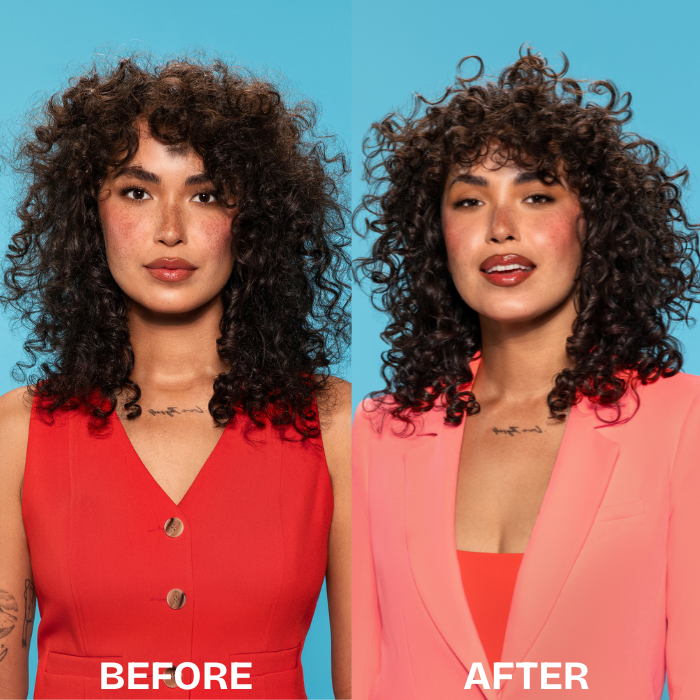
Ideal for dry, coarse, thick hair
Provides all-day hydration
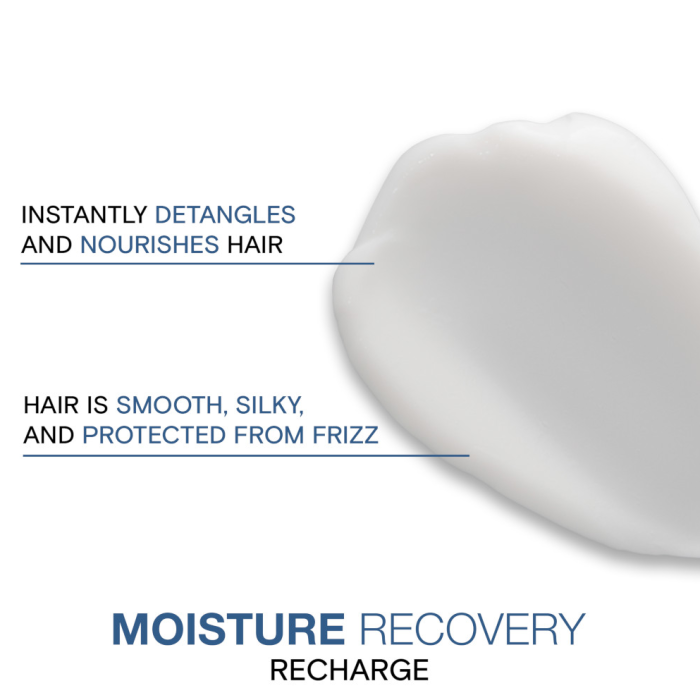
Softens and smooths coarse hair
Strengthens and repairs damage
Leaves hair 88% smoother and 46% softer
Heat protection up to 230°C
Formulated without gluten, phthalates, formaldehydes, formaldehyde-releasing agents, mineral oil, parabens, and SLS/SLES sulfates
Description
Read more
Directions
Ingredients
  • Aqua Solvents
    Solvent

    The water base that carries and dissolves the other ingredients in most products.

    May suit

    All hair and skin types.

    Worth knowing

    Almost always the first ingredient listed in water-based products.

  • Cetearyl Alcohol Conditioning agents
    Fatty alcohol conditioner

    A fatty alcohol that helps soften hair and improve the texture of formulations.

    May suit

    People looking for smoother, more manageable hair or richer, creamier product textures.

    Worth knowing

    Despite the name, fatty alcohols are moisturising and conditioning rather than drying. They also help stabilise and thicken many haircare formulas.

  • Glycerin Humectants
    Humectant

    Attracts and holds water to help hair feel hydrated and soft.

    May suit

    Dry or dehydrated hair, and many curl and moisture routines.

    Worth knowing

    A very common, well-tolerated humectant used across countless products.

  • Behentrimonium Chloride Conditioning agents
    Conditioning agent

    A conditioning agent that helps detangle and soften, reducing static and roughness.

    May suit

    Most hair types, especially tangle-prone or coarse hair.

    Worth knowing

    A common conditioner ingredient despite the chloride name, which simply describes its chemistry.

  • Isoamyl Laurate Conditioning agents
    Lightweight emollient

    Provides a smooth, conditioned feel by adding lightweight slip to hair without heaviness.

    May suit

    People who prefer light, non-greasy conditioning or who want softer feel without silicone.

    Worth knowing

    This biodegradable ester is often used as a plant-derived alternative to heavier emollients. It can help improve spreadability and reduce greasiness in hair products.

  • Phenoxyethanol Preservatives
    Preservative

    Helps keep the product stable and pleasant to use after opening.

    May suit

    All products that need protecting from spoilage.

    Worth knowing

    A very common, well-studied preservative used at low levels.

  • Isopropyl Alcohol Solvents
    Solvent

    Helps dissolve ingredients and supports quick-drying formulas.

    May suit

    Those using styling products that benefit from fast evaporation, such as sprays.

    Worth knowing

    It is commonly used at low levels to improve texture and spreadability. It evaporates quickly, leaving minimal residue on the hair.

  • Dicetyldimonium Chloride Conditioning agents
    Hair conditioning agent

    A conditioning agent that helps soften and smooth the hair.

    May suit

    Those looking for improved manageability, softness and reduced static in dry or textured hair.

    Worth knowing

    It is a cationic ingredient that works by adhering to the hair surface to provide slip and reduce tangling. Often used in conditioners and masks for a richer, more conditioning feel.

  • Parfum Fragrance ingredients
    Fragrance

    Gives the product its scent.

    May suit

    People who enjoy a scented product.

    Worth knowing

    Fragrance preference is personal. Some people prefer fragrance-free formulas by choice.

  • Ethylhexyl Olivate Conditioning agents
    Emollient conditioner

    A lightweight emollient that helps smooth and soften the hair.

    May suit

    Those looking for added slip, softness, or a lighter alternative to heavier oils.

    Worth knowing

    It is derived from olive oil and is often used to give hair a silky, conditioned feel without weighing it down. It also helps improve blendability in formulations.

  • Lauryl Glucoside Cleansers / surfactants
    Mild surfactant

    A gentle, plant-derived surfactant used to cleanse hair and help products foam.

    May suit

    Those looking for mild cleansing, including people with sensitive scalps or dry hair.

    Worth knowing

    It is part of the alkyl glucoside family, known for creating a soft, low-irritation lather. It is often blended with other surfactants to balance foam and cleansing strength.

  • Sodium Gluconate Chelating agents
    Chelating agent

    Helps bind metal ions in water and formulas to support stability and performance.

    May suit

    Those living in hard-water areas or using products designed to maintain formula clarity and effectiveness.

    Worth knowing

    By binding minerals, it can help reduce the impact of hard water on hair feel and product behaviour. It is commonly used in modern, mild formulations.

  • Jojoba Seed Oil Oils and butters
    Emollient oil

    A lightweight plant oil that helps condition and soften the hair.

    May suit

    Those seeking smoother, more manageable hair or added moisture without heaviness.

    Worth knowing

    Jojoba oil is structurally similar to natural scalp oils, which makes it versatile in many haircare formulas. It is commonly used to enhance softness and shine.

  • Caprylyl Glycol Humectants
    Humectant

    Helps attract and hold moisture in hair and scalp while supporting product stability.

    May suit

    Those looking for added hydration or smoother-feeling hair.

    Worth knowing

    It is also commonly used as a preservative booster to help maintain formula freshness. It is well tolerated in most haircare products.

  • Guar Hydroxypropyltrimonium Chloride Conditioning agents
    Conditioning polymer

    A conditioning polymer that helps smooth hair and improve slip.

    May suit

    Those looking for softer, easier-to-detangle hair.

    Worth knowing

    It is derived from guar gum and is commonly used to enhance conditioning in shampoos and conditioners. It can also reduce static and improve manageability.

  • Phosphatidylcholine Conditioning agents
    Emollient and conditioning lipid

    A phospholipid that helps condition hair and support smooth, soft feel.

    May suit

    Those seeking lightweight conditioning or products designed to support the hair’s moisture balance.

    Worth knowing

    It is a naturally occurring lipid often used to help improve texture and spreadability in formulations. In some products it also supports the delivery of other ingredients.

  • Citric Acid pH adjusters
    pH adjuster

    Fine-tunes the product pH, which can help the hair surface feel smooth.

    May suit

    Most hair types as part of a balanced formula.

    Worth knowing

    Usually present in small amounts to balance the formula.

  • Squalane Oils and butters
    Lightweight emollient

    Squalane is a lightweight emollient that helps smooth and soften the hair.

    May suit

    Those seeking added softness, shine and frizz control without a heavy or greasy feel.

    Worth knowing

    It is often derived from plant sources such as sugarcane and is valued for its stability and non-greasy texture. It is suitable for most hair types, including fine hair, due to its lightness.

  • Arginine Hydrochloride Proteins and amino acids
    Amino acid conditioning

    An amino acid used to help support hair strength and overall conditioning.

    May suit

    People looking for repair-focused or strengthening haircare formulas.

    Worth knowing

    Arginine Hydrochloride is commonly included in haircare to support the hair fibre and enhance conditioning benefits.

  • Hydrolysed Algin Thickeners and stabilisers
    Film-forming thickener

    A marine-derived polymer that helps thicken formulations and form a light, smoothing film on the hair.

    May suit

    Those looking for lightweight smoothing or added slip without heavy conditioning agents.

    Worth knowing

    It is derived from algae and is commonly used to stabilise textures in haircare. Its film-forming properties can support softness and manageability.

  • Hydrolysed Pea Protein Proteins and amino acids
    Plant-derived protein

    A plant-derived protein that helps support hair strength and feel.

    May suit

    Those looking to improve the feel of weakened, dry, or chemically treated hair.

    Worth knowing

    Hydrolysed proteins are broken down into smaller fragments so they can more easily interact with the hair surface. They are commonly used in both rinse-off and leave-in formulas.

  • Hydrolyzed Vegetable Protein Proteins and amino acids
    Strengthening protein

    Helps reinforce the hair by depositing small protein fragments that can support softness and resilience.

    May suit

    People looking to improve the feel of weakened, damaged or chemically treated hair.

    Worth knowing

    Vegetable-derived proteins are commonly used because they are lightweight and can help reduce the appearance of breakage. They can be included in both rinse-off and leave-in formulas.

  • Maris Aqua Solvents
    Base solvent

    Used as a water-based solvent and mineral-rich base in haircare formulas.

    May suit

    Those interested in products featuring mineral-rich or marine-inspired formulations.

    Worth knowing

    Maris Aqua functions similarly to purified water but may contain trace minerals depending on the source. It mainly serves as a vehicle for other ingredients in a formula.

  • Rosa Canina Fruit Oil Oils and butters
    Nourishing plant oil

    A lightweight plant oil that helps condition and soften the hair and scalp.

    May suit

    Those looking to add softness, shine or a natural conditioning boost to dry or textured hair.

    Worth knowing

    It is valued for its balance of fatty acids, which help support smooth, manageable hair. Often included in blends to enhance overall nourishment.

  • Chlorella Vulgaris Extract Botanical extracts
    Botanical extract

    A microalgae extract used to support scalp and hair vitality.

    May suit

    Those looking for gentle botanical ingredients that may help condition the scalp or support hair strength.

    Worth knowing

    It is often included for its antioxidant and conditioning properties. As a natural extract, its exact benefits can vary depending on formulation.

  • Sodium Benzoate Preservatives
    Preservative

    Helps protect water-based products from spoilage so they stay usable.

    May suit

    All products that need a preservative system.

    Worth knowing

    Often paired with other preservatives for broad protection.

  • Potassium Sorbate Preservatives
    Preservative

    Helps keep haircare formulas stable by preventing the growth of microbes.

    May suit

    Anyone who uses water-based products that benefit from reliable preservation.

    Worth knowing

    It is commonly used alongside other preservation systems to maintain product freshness and extend shelf life. It is generally well tolerated in rinse-off and leave-in products.

  • Benzoic Acid Preservatives
    Preservative

    Helps protect haircare products by supporting the preservation system and maintaining formula stability.

    May suit

    Those who want products that remain fresh and effective throughout their shelf life.

    Worth knowing

    Benzoic Acid is often used alongside other preservatives to create a broad-spectrum system. It also plays a minor role in helping maintain a product’s pH balance.

  • Aminomethyl Propanol pH adjusters
    pH adjuster

    Helps adjust and stabilise the pH of haircare formulations.

    May suit

    Those interested in how product pH affects hair and scalp feel may find its presence relevant.

    Worth knowing

    It is commonly used at low levels to help formulas stay effective and consistent. It does not act on the hair directly but supports the overall product performance.

  • Dehydroacetic Acid Preservatives
    Preservative

    Helps keep haircare formulas stable by preventing product spoilage.

    May suit

    Those who want products to stay fresh for longer, including people who use products slowly or store them in humid bathrooms.

    Worth knowing

    It is often used at low levels and works well alongside other preservative systems to support formula longevity. It is commonly included in both rinse-off and leave-in products.

  • Citrus Aurantium Amara (Bitter Orange) Peel Oil Fragrance ingredients
    Fragrance oil

    A citrus essential oil used to add a fresh, aromatic note to haircare products.

    May suit

    Those who enjoy naturally derived citrus fragrances.

    Worth knowing

    As an essential oil, it contributes scent and may also offer a light refreshing feel in formulations. It can naturally contain trace levels of common fragrance allergens, which are listed separately on ingredient labels when present above threshold levels.

  • Limonene Fragrance ingredients
    Fragrance component

    A fragrance component that also occurs naturally in many citrus and plant oils.

    Worth knowing

    A fragrance component that must be listed separately on labels because a minority of people can be sensitive to it. Its presence is normal, required disclosure and is not a quality signal.

  • Benzyl Benzoate Fragrance ingredients
    Fragrance component

    A fragrance component that is listed separately on labels by labelling convention.

    Worth knowing

    A fragrance component that must be listed separately on labels because a minority of people can be sensitive to it. Its presence is normal, required disclosure and is not a quality signal.

  • Trimethylbenzenepropanol Fragrance ingredients
    Fragrance ingredient

    A synthetic aromatic alcohol used to add a pleasant scent to haircare products.

    May suit

    Those who enjoy lightly scented or well-balanced fragranced formulas.

    Worth knowing

    Fragrance components like this are commonly used in small amounts to enhance the sensory experience of a product. It is not classed among the typical declarable fragrance allergens.

  • Geranyl Acetate Fragrance ingredients
    Fragrance component

    Used to give haircare products a sweet, floral, slightly fruity scent.

    May suit

    Those who enjoy fragranced hair products or prefer botanical-style scent profiles.

    Worth knowing

    It is naturally found in several essential oils and is commonly used in perfumery. Only very small amounts are typically used in haircare products.

  • Anethole Fragrance ingredients
    Fragrance component

    Anethole is used to impart a sweet, anise-like scent to haircare products.

    May suit

    Those who enjoy aromatic or anise-style fragrance profiles.

    Worth knowing

    It is a common naturally occurring aromatic compound found in essential oils such as anise and fennel. In haircare, it is used for scent rather than performance.

  • Geraniol Fragrance ingredients
    Fragrance component

    Geraniol is a fragrant compound that adds a light floral note to haircare products.

    May suit

    Those who enjoy floral-scented hair products or are checking for specific fragrance components.

    Worth knowing

    It is naturally found in essential oils such as rose and geranium and is commonly used to enhance scent profiles. It must be listed on labels when present above certain trace levels.

  • Benzyl Alcohol Preservatives
    Preservative

    Helps preserve formulations and can also act as a solvent or light fragrance component.

    May suit

    Those interested in understanding preservative systems or identifying potential fragrance allergens.

    Worth knowing

    Benzyl Alcohol is commonly used in professional haircare to support product stability and texture. It can also naturally occur in some essential oils.

Questions and Answers

Questions and Answers

Write A Question
Name
E-mail
Your Question
Reviews
Write a review
Your evaluation
Name
E-mail
Your Review
Find your product in seconds!
Haircare
Skincare
Makeup