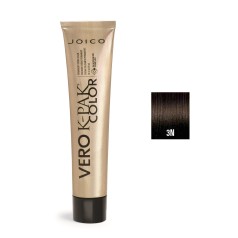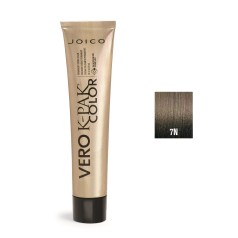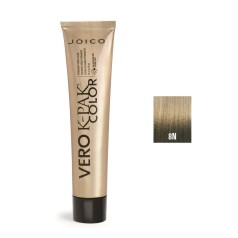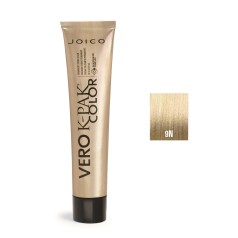


-
Delivery
-
Click & Collect
Free Click and collect is available at checkout. Orders are ready within 1 hour during opening hours. Store Address: 56 Parer Rd, Airport West, VIC Australia 3042 Phone (03) 9999 5902

Valued at $34.95.
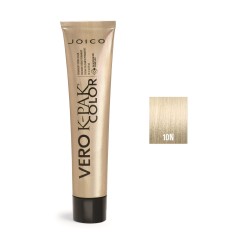
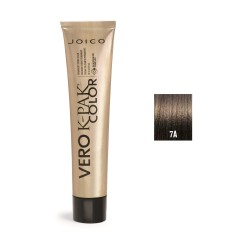
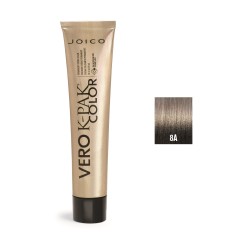
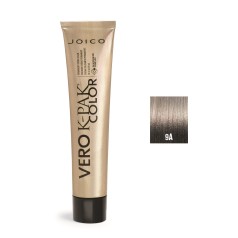
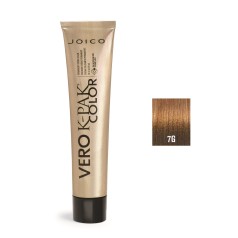
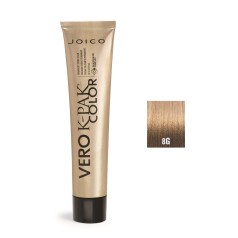
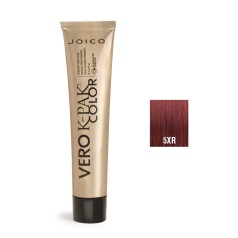
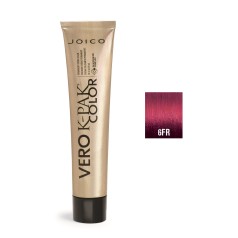
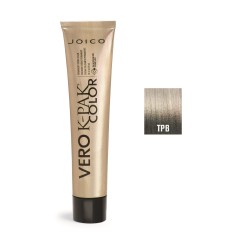
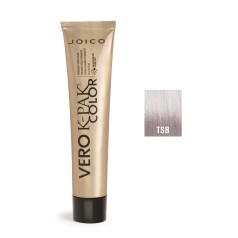
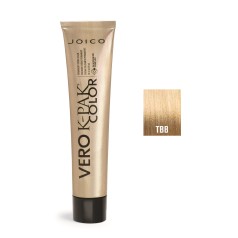
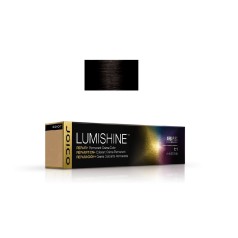
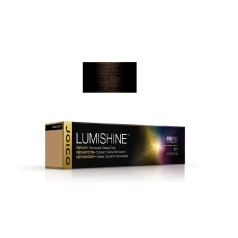
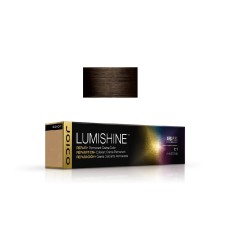
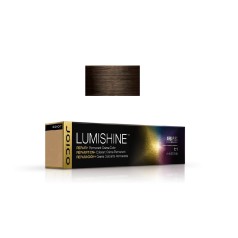
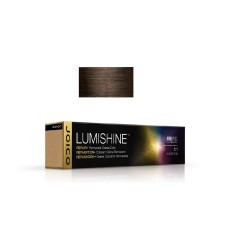
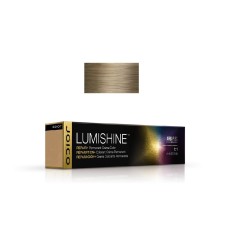
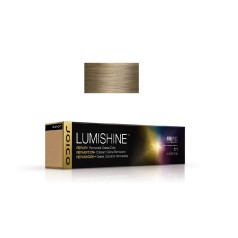
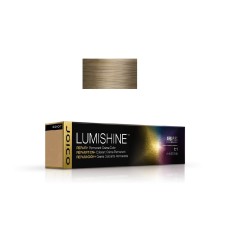
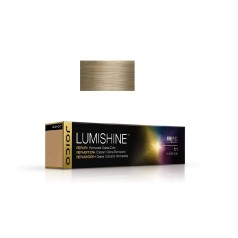
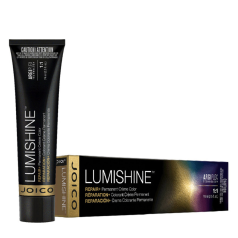
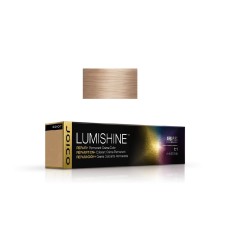
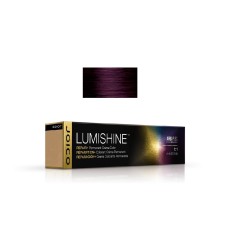
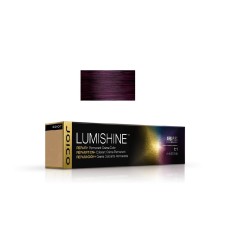
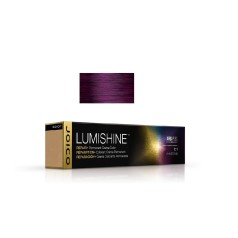
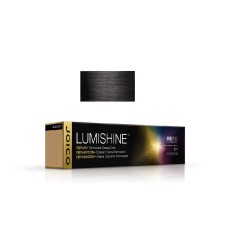
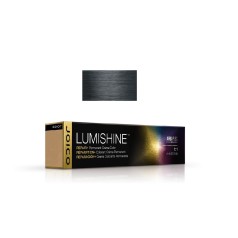
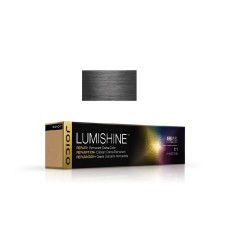
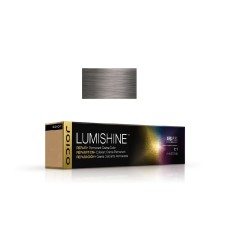
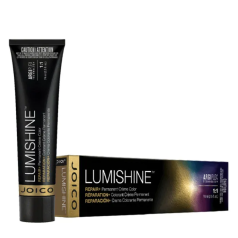
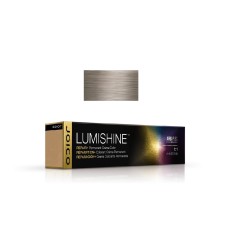
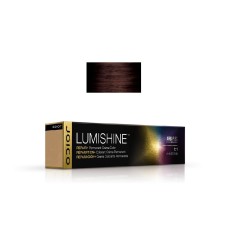
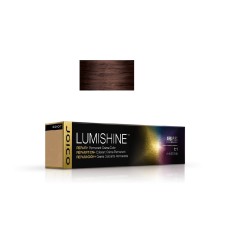
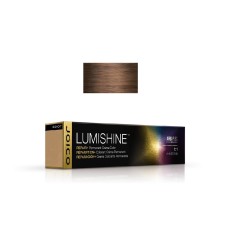
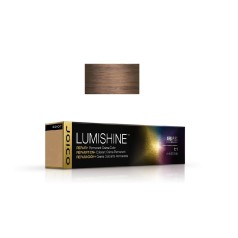
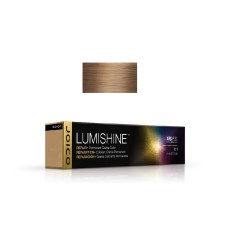
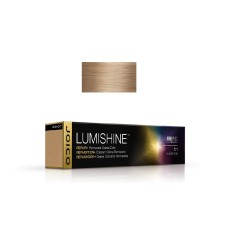
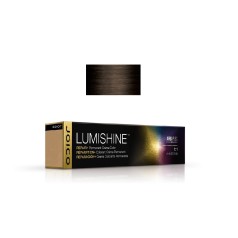
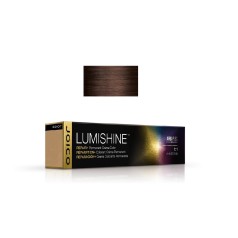
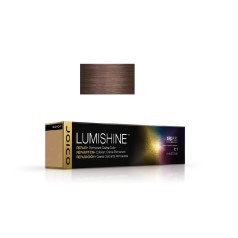
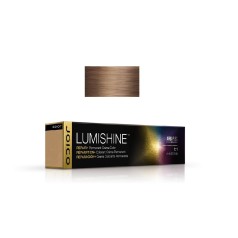
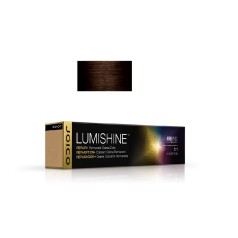
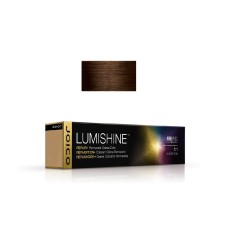
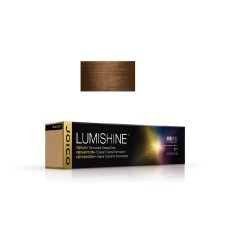
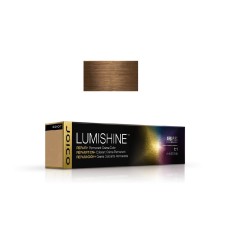
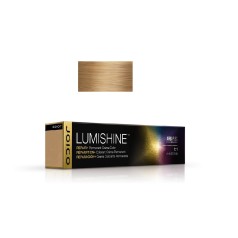
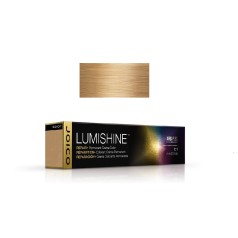
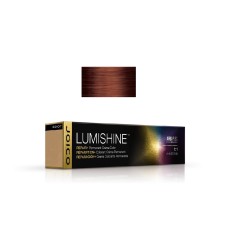
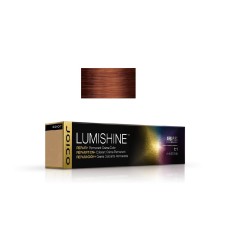
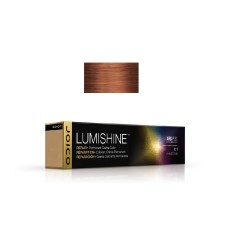
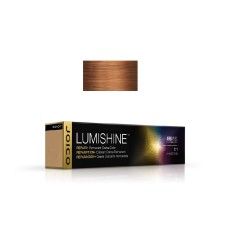
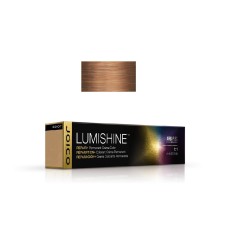
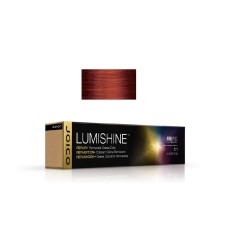
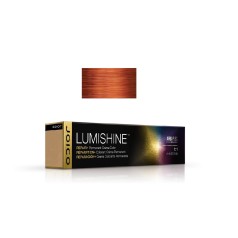
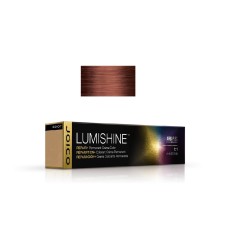
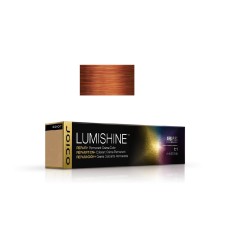
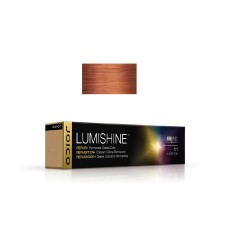
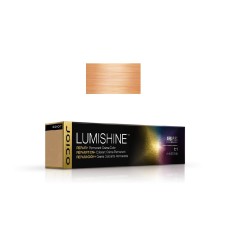
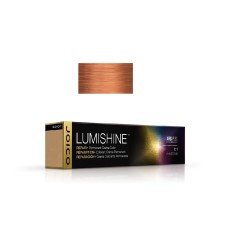
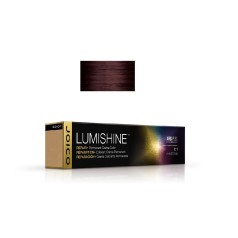
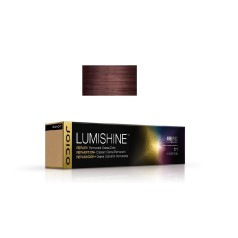
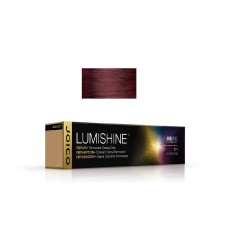
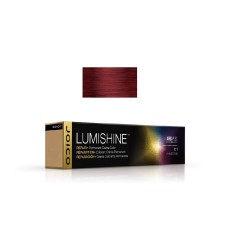
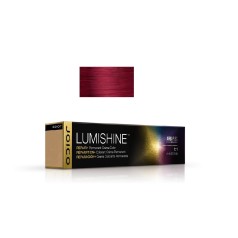
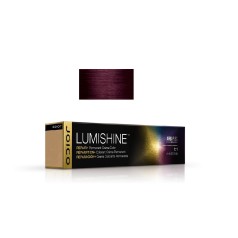
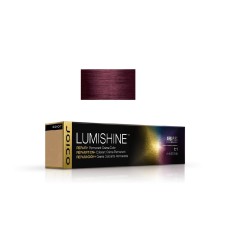
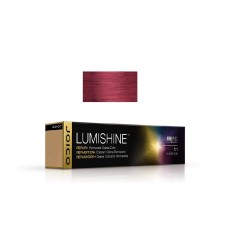
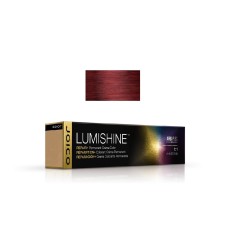
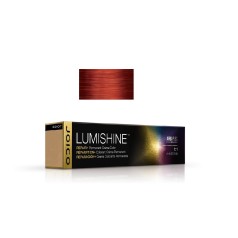
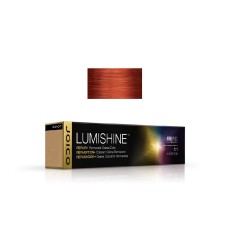
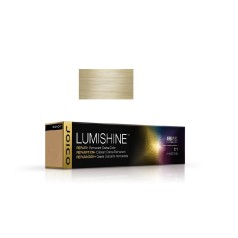
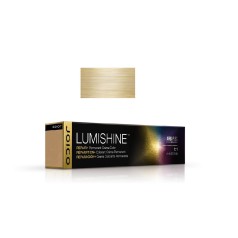
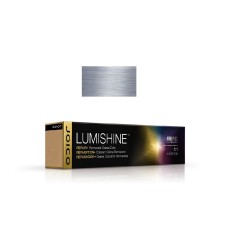
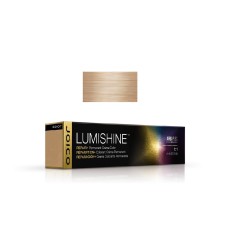
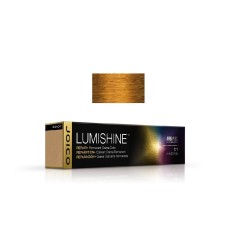
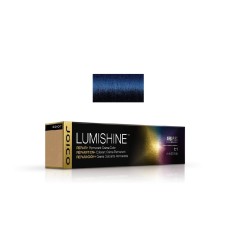
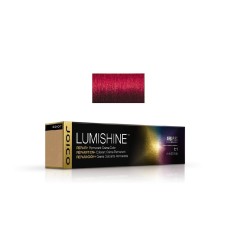
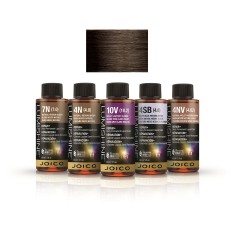
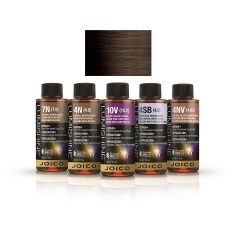
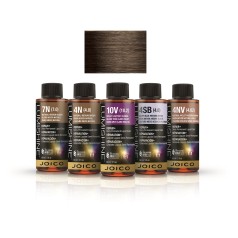
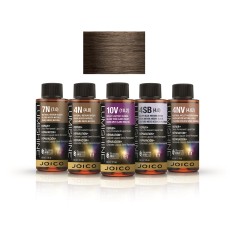
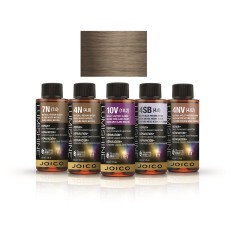
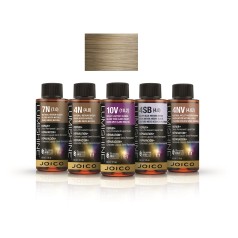
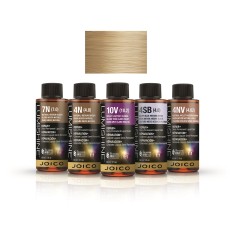
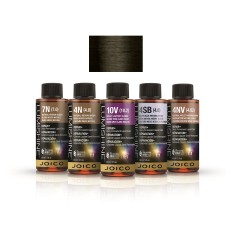
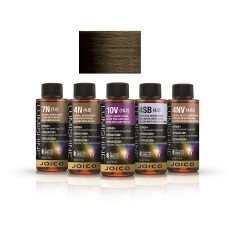
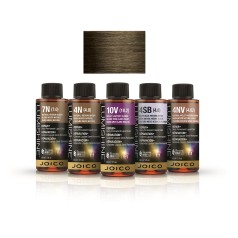
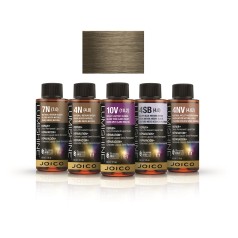
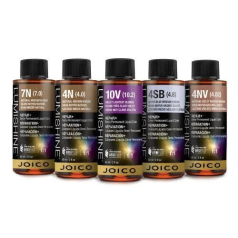
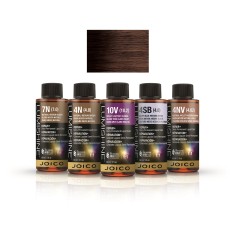
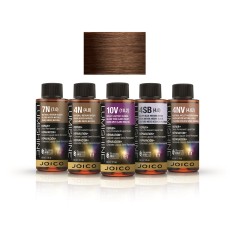
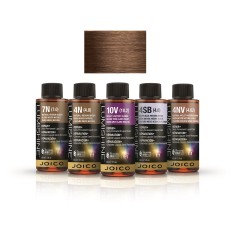
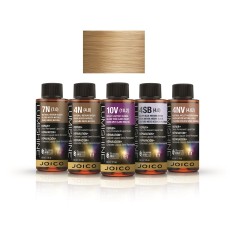
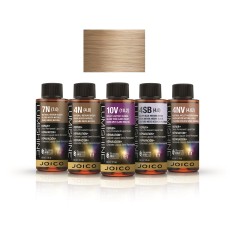
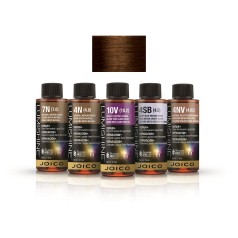
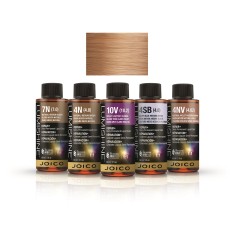
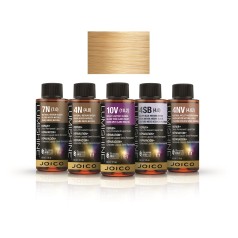
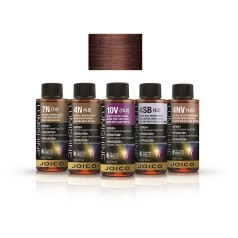
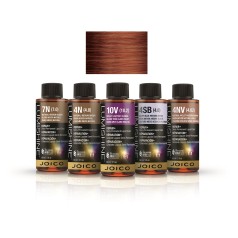
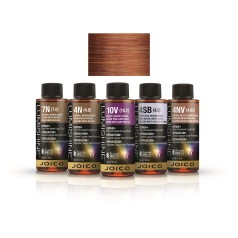
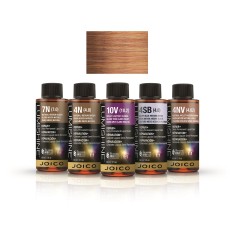
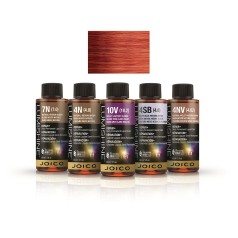
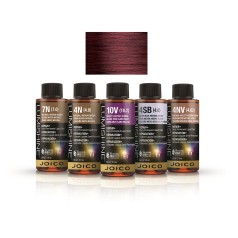
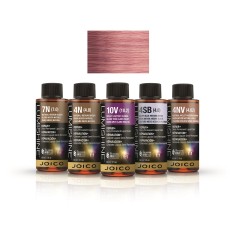
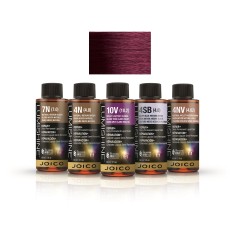
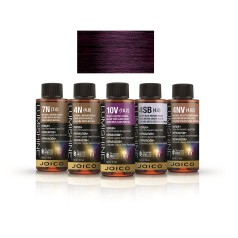
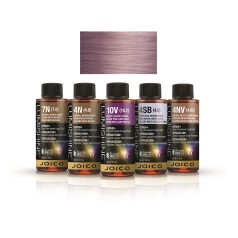
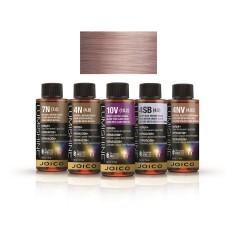
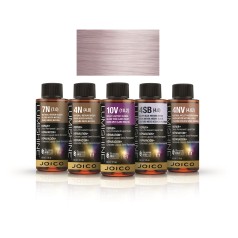
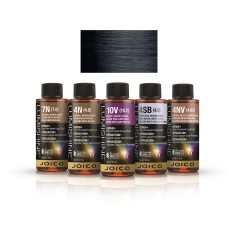
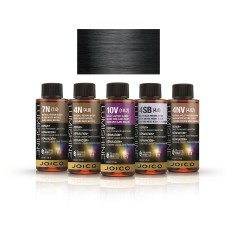
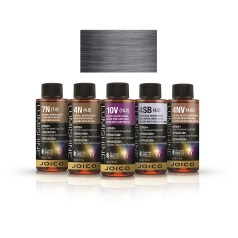
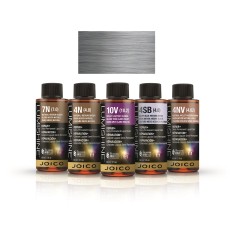
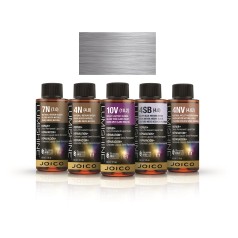
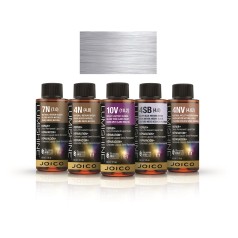
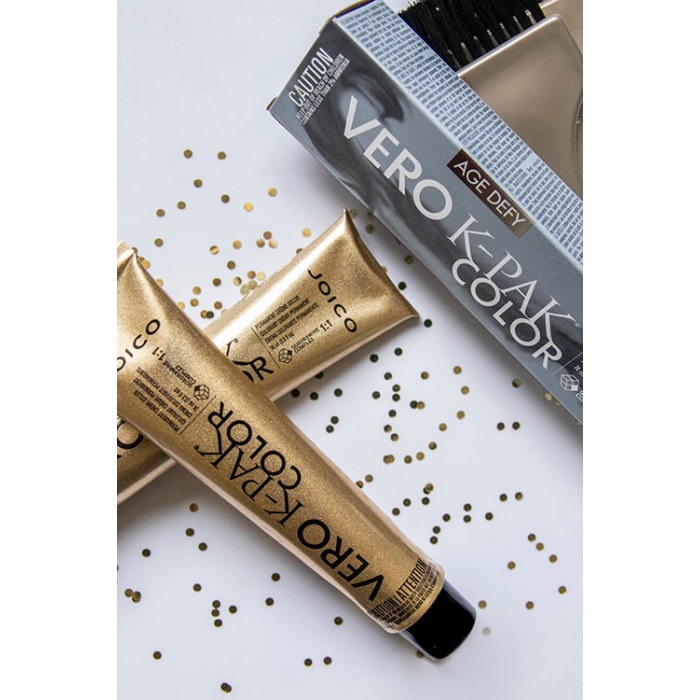
Joico Vero K-PAK Age Defy Permanent Crème Colour is a hair colour product designed to address the specific needs of maturing hair, offering vibrant shades while restoring softness and shine. This permanent creme colour features Joico's exclusive 3-Defence Technology, which helps reverse the key signs of ageing hair by improving texture, lustre, and colour.
Ideal for individuals seeking long-lasting, natural-looking grey coverage, this product offers a range of shades that blend seamlessly with existing hair colour. The 3-Defence Technology ensures that hair maintains its integrity during the colouring process, resulting in vibrant, durable colour. This makes it suitable for those aiming to rejuvenate their hair's appearance and health.
How To Use Joico Vero K-PAK Age Defy Permanent Colour
Note: We recommend performing a strand test before using this colour for the first time, or when trying a different shade, as results can vary depending on your hair.
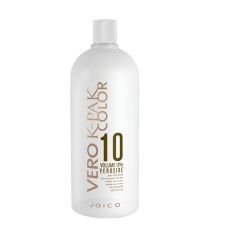
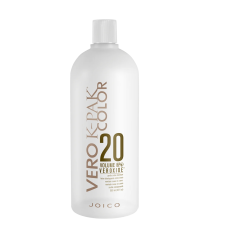
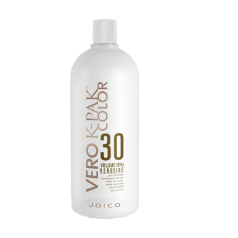
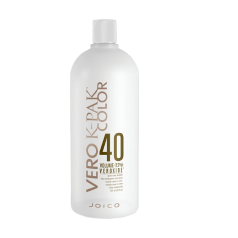
- Mix one part Vero K-PAK Age Defy Permanent Crème Color with one part Vero K-PAK 20 Volume (6%) Veroxide.
- Apply the mixture evenly to dry hair.
- Allow the colour to process for 45 minutes at room temperature.
- Rinse thoroughly until the water runs clear, then shampoo and condition as needed.
Joico Vero K-PAK Age Defy Permanent Colour Ingredients
Water/Aqua/Eau, Cetyl Alcohol, Propylene Glycol, C12-15 Alkyl Benzoate, Oleyl Alcohol, Stearic Acid, Steareth-21, Ammonium Hydroxide, Glyceryl Stearate, Stearamidopropyl Dimethylamine, Decyl Glucoside, Mineral Oil/Paraffinum Liquidum/Huile Minérale, Glycol Distearate, Isostearic Acid, Cetearyl Alcohol, Keratin, Hydrolyzed Keratin, Cocodimonium Hydroxypropyl Hydrolyzed Keratin, Butyrospermum Parkii (Shea) Butter Extract, Tocopheryl Acetate, Dimethicone, Amodimethicone, Phosphoric Acid, Sodium Methyl Cocoyl Taurate, Polyquaternium-22, Lecithin, Cyclopentasiloxane, Dicetyl Phosphate, Ceteth-10 Phosphate, Polysorbate 80, Carbomer, Caprylic/Capric Triglyceride, Behentrimonium Methosulfate, Glycerin, C10-40 Isoalkylamidopropylethyldimonium Ethosulfate, Synthetic Wax, Lysine HCl, Hydroxyethyl Behenamidopropyl Dimonium Chloride, Trideceth-12, Cetrimonium Chloride, Ceramide 2, Sodium Acetylated Hyaluronate, PEI-10, Sodium Metasilicate, Tetrasodium EDTA, Sodium Sulfite, Erythorbic Acid, Alpha-Isomethyl Ionone, Fragrance/Parfum, 2-Methylresorcinol, Resorcinol, 2,4-Diaminophenoxyethanol HCl, p-Phenylenediamine, p-Aminophenol, N,N-Bis(2-Hydroxyethyl)-p-Phenylenediamine Sulfate, m-Aminophenol, 1-Naphthol.
-
Cetyl Alcohol Conditioning agentsEmollient and texture enhancer
Cetyl Alcohol helps soften the hair and gives products a smooth, creamy texture.
May suitThose looking for conditioning, slip, or richer textures in their haircare products.
Worth knowingDespite the name, fatty alcohols like cetyl alcohol are non‑drying and are commonly used to add emollience and stability to formulations.
-
Propylene Glycol HumectantsHumectant
Helps hold moisture and carry other ingredients through the formula.
May suitMost hair types as part of a moisturising formula.
Worth knowingA widely used humectant and carrier ingredient.
-
C12-15 Alkyl Benzoate Conditioning agentsLightweight emollient and conditioner
Provides light conditioning and a smooth, non-greasy feel to hair products.
May suitThose wanting softness and slip without heavy buildup, including fine or easily weighed-down hair types.
Worth knowingIt is a versatile ester used to enhance spreadability and reduce greasiness in formulations. It can also help improve the feel of other conditioning agents and oils.
-
Oleyl Alcohol Conditioning agentsFatty alcohol conditioning agent
A fatty alcohol that helps soften, smooth and condition the hair.
May suitThose seeking added slip, manageability or a richer, more emollient feel in conditioners and treatments.
Worth knowingFatty alcohols like oleyl alcohol are different from simple drying alcohols and are commonly used to enhance texture and conditioning performance in haircare formulas.
-
Stearic Acid Thickeners and stabilisersThickener and stabiliser
A fatty acid that helps thicken and stabilise formulations while adding a soft, conditioned feel.
May suitThose who prefer richer, creamier textures in conditioners and styling products.
Worth knowingIt is commonly used to give products structure and improve spreadability. It can be derived from plant or animal sources, with most haircare brands typically using plant-based forms.
-
Steareth-21 Thickeners and stabilisersEmulsifier and solubiliser
Helps blend oil- and water-based ingredients for a smooth, stable formula.
May suitThose looking for products with a creamy, consistent texture.
Worth knowingIt is a commonly used emulsifying agent that supports product stability in conditioners and styling creams. It also helps improve the spreadability of formulas.
-
Ammonium Hydroxide pH adjusterspH adjuster
Helps adjust and maintain the desired pH level of a formula.
May suitPeople using hair colour or chemical processing products where precise pH control is important.
Worth knowingIt is often used in small amounts to support product stability or to activate certain hair colour technologies. In finished products, its concentration is formulated to be appropriate for its intended function.
-
Glyceryl Stearate Thickeners and stabilisersEmulsifier and texture enhancer
Helps blend oil and water and gives haircare formulas a smooth, creamy texture.
May suitThose who like richer conditioners or masks that feel smooth and spread easily.
Worth knowingIt also offers light conditioning and can help soften the feel of hair. It is widely used in both skincare and haircare for its reliable stabilising properties.
-
Stearamidopropyl Dimethylamine Conditioning agentsHair conditioning agent
A conditioning agent that helps smooth and soften the hair.
May suitThose looking for improved slip, manageability and reduced static, especially in dry or textured hair.
Worth knowingIt is often paired with fatty acids to enhance conditioning performance and provide a softer feel. It also helps detangle without weighing hair down.
-
Decyl Glucoside Cleansers / surfactantsGentle surfactant
A mild, plant-derived surfactant that helps cleanse the hair and scalp.
May suitPeople looking for gentle or low-foaming cleansing options.
Worth knowingIt is commonly used in sulphate-free formulas due to its mildness and compatibility with sensitive scalps. It can also help improve the spreadability of a formula.
-
Glycol Distearate Thickeners and stabilisersOpacifier and pearlising agent
Adds a pearlescent look and helps thicken and stabilise shampoos and conditioners.
May suitThose who like creamy, luxurious-feeling shampoo or conditioner textures.
Worth knowingIt also provides a mild conditioning feel, helping formulas spread smoothly through the hair. Its use is common in many everyday cleansing products.
-
Isostearic Acid Oils and buttersEmollient
Isostearic Acid helps soften and smooth the hair by providing lightweight emolliency.
May suitThose looking for conditioning, smoothing or frizz‑reducing benefits in styling or treatment products.
Worth knowingIt is a branched fatty acid often used to improve spreadability and help other ingredients blend evenly in a formula. It is also valued for its stability, which supports long‑lasting product texture.
-
Cetearyl Alcohol Conditioning agentsFatty alcohol conditioner
A fatty alcohol that helps soften hair and improve the texture of formulations.
May suitPeople looking for smoother, more manageable hair or richer, creamier product textures.
Worth knowingDespite the name, fatty alcohols are moisturising and conditioning rather than drying. They also help stabilise and thicken many haircare formulas.
-
Keratin Proteins and amino acidsStrengthening protein
Keratin helps reinforce the hair structure and improve the feel of damaged or weakened strands.
May suitThose with chemically treated, heat‑styled, or fragile hair may find it beneficial.
Worth knowingKeratin used in haircare is typically hydrolysed so it can adhere more easily to the hair surface. It offers cosmetic conditioning benefits rather than permanently altering the internal hair structure.
-
Hydrolyzed Keratin Proteins and amino acidsProtein
Helps temporarily support and smooth the hair surface for a stronger feel.
May suitDamaged, chemically treated or fragile hair wanting reinforcement.
Worth knowingProtein routines suit some hair well, while very protein-sensitive hair may prefer balance with moisture.
-
Cocodimonium Hydroxypropyl Hydrolyzed Keratin Conditioning agentsConditioning protein
A cationic keratin-derived protein that helps condition and reinforce the hair.
May suitThose looking to improve softness, manageability or the feel of damaged or chemically treated hair.
Worth knowingThis modified keratin is designed to bind more effectively to the hair surface than standard proteins, offering targeted conditioning benefits. It is commonly used in strengthening and smoothing formulas.
-
Tocopheryl Acetate Conditioning agentsAntioxidant and conditioning support
A stable form of vitamin E used to help condition hair and support product stability.
May suitThose looking for added conditioning support or antioxidant benefits in their haircare.
Worth knowingIt is commonly used because it is more stable than pure vitamin E while still offering similar benefits. It appears in many leave-in and rinse-off formulations.
-
Dimethicone SiliconesSlip and shine agent
Smooths the hair surface, adds slip and shine and helps reduce frizz.
May suitFrizz-prone, coarse or dry hair wanting a smooth, glossy finish.
Worth knowingSome people prefer silicone-free formulas, especially for certain curl routines. It is widely used and helpful in many smoothing products.
-
Amodimethicone SiliconesConditioning silicone
A conditioning silicone that targets rougher areas of the hair to smooth and protect.
May suitDamaged, frizz-prone or colour-treated hair wanting targeted smoothing.
Worth knowingDesigned to deposit where hair needs it most. Some prefer silicone-free formulas by choice.
-
Phosphoric Acid pH adjusterspH adjuster
Helps control and stabilise the pH level of haircare formulations.
May suitThose interested in how products are balanced for optimal performance and scalp comfort.
Worth knowingIt is commonly used to fine-tune acidity so that formulas remain effective and comfortable to use. Only small amounts are typically required to achieve the desired pH.
-
Sodium Methyl Cocoyl Taurate Cleansers / surfactantsMild surfactant
A gentle, coconut‑derived surfactant that helps cleanse hair and create a soft lather.
May suitThose looking for a mild cleansing option that supports a gentle shampoo feel.
Worth knowingIt is often used to provide a balanced cleanse without leaving hair feeling stripped. Its texture and lather profile make it popular in modern, gentle shampoo formulas.
-
Polyquaternium-22 Conditioning agentsConditioning polymer
A conditioning polymer that helps smooth, soften and reduce static in the hair.
May suitPeople looking for improved manageability, reduced frizz or enhanced slip during styling.
Worth knowingIt forms a light film on the hair, which can support detangling and a smoother feel without heavy build‑up for most hair types.
-
Lecithin Conditioning agentsEmollient & conditioning agent
Lecithin helps soften and condition the hair while supporting product texture.
May suitThose seeking added softness, moisture support or smoother-feeling hair.
Worth knowingIt is a phospholipid commonly derived from soy or sunflower and is valued for its ability to enhance spreadability and moisture retention. It can also help stabilise certain formulations.
-
Cyclopentasiloxane SiliconesSlip and shine agent
A lightweight silicone that spreads product evenly and gives a silky, fast-absorbing feel.
May suitPeople wanting a light, non-greasy smoothing or shine finish.
Worth knowingOften used in serums and oils for a weightless feel. Some prefer silicone-free options depending on routine.
-
Dicetyl Phosphate Conditioning agentsEmulsifier and conditioning agent
An anionic emulsifier and conditioning ingredient used to help blend oils and water while giving hair and formulations a soft, slippy feel.
May suitPeople with dry, frizzy or tangled hair; formulators seeking stable, creamy emulsions and conditioning performance.
Worth knowingDicetyl Phosphate helps stabilise oil‑in‑water systems and contributes lubricity and detangling benefits in conditioners and creams. As an anionic phosphate ester it is often neutralised (made into a salt) in formulations and can interact with strongly cationic ingredients, so formulators balance its use accordingly.
Good to knowChemically, dicetyl phosphate is a phosphate ester of cetyl (C16) alcohols and behaves as an anionic surfactant/emulsifier. It is typically used at low to moderate levels in rinse-off and leave-on products to improve texture, emulsification and conditioning. It is compatible with many emollients and thickeners but formulators watch for interactions with cationic polymers or quaternary conditioners which can reduce efficacy or cause precipitation. Sources may be synthetic or derived from fatty alcohols of plant or animal origin depending on supplier.
-
Polysorbate 80 Thickeners and stabilisersSolubiliser and emulsifier
Helps blend oil-based and water-based ingredients for a smooth, stable formula.
May suitThose using products with essential oils or oil-based actives that need even distribution.
Worth knowingIt is widely used to keep formulations consistent and prevent separation. In haircare, it can also support the even spread of conditioning or fragrance oils.
-
Carbomer Thickeners and stabilisersThickener and stabiliser
Carbomer helps thicken and stabilise gels, creams and styling formulas.
May suitAnyone who prefers smooth, consistent textures in styling or leave-in products.
Worth knowingIt helps formulas stay evenly mixed and glide easily through the hair or onto the scalp. It is widely used because it works in very small amounts and provides reliable texture.
-
Caprylic/Capric Triglyceride Oils and buttersLightweight emollient
A lightweight emollient that helps soften and smooth the hair without heaviness.
May suitThose wanting conditioning benefits that do not weigh hair down, including fine or easily-greasy hair types.
Worth knowingIt is commonly derived from coconut oil and glycerin and is valued for its silky, non-greasy feel. It is widely used in both skincare and haircare for its gentle, versatile performance.
-
Behentrimonium Methosulfate Conditioning agentsConditioning agent
A cationic conditioning ingredient that helps soften and detangle hair.
May suitPeople looking for smoother, easier-to-comb hair, especially in conditioners and leave-in products.
Worth knowingDespite the name, it is not a strong sulphate cleanser but a gentle, oil-loving conditioning compound derived from fatty alcohols.
-
Glycerin HumectantsHumectant
Attracts and holds water to help hair feel hydrated and soft.
May suitDry or dehydrated hair, and many curl and moisture routines.
Worth knowingA very common, well-tolerated humectant used across countless products.
-
C10-40 Isoalkylamidopropylethyldimonium Ethosulfate Conditioning agentsHair conditioning agent
A quaternary conditioning ingredient that helps smooth and soften the hair.
May suitThose looking for improved slip, reduced static and easier detangling.
Worth knowingIt is commonly used in conditioners to enhance manageability and provide a silky feel. As a large conditioning molecule, it remains mostly on the hair’s surface to support smoothness.
-
Lysine Hydrochloride Proteins and amino acidsAmino acid
An amino acid used to support hair strength and moisture balance.
May suitThose looking for formulas that help maintain hair resilience or support overall conditioning.
Worth knowingAmino acids like lysine are often included in haircare to complement protein-based or strengthening formulations. They can contribute to a smoother, more conditioned feel.
-
Trideceth-12 Cleansers / surfactantsNonionic surfactant and solubiliser
Helps blend oil‑based and water‑based ingredients and provides gentle cleansing action.
May suitThose using products that need light cleansing or stable blends of oils, silicones, or fragrances.
Worth knowingIt is commonly used to solubilise fragrance or silicone ingredients in shampoos and treatments. Its mild, nonionic nature means it typically works well alongside other surfactants.
-
Cetrimonium Chloride Conditioning agentsConditioning agent
A conditioning agent that helps smooth and soften the hair while reducing static and tangles.
May suitPeople looking for improved manageability, detangling and smoother-feeling hair.
Worth knowingIt is a commonly used quaternary ammonium compound that helps conditioners spread easily through the hair. It is effective even at low levels, which is why it appears frequently in rinse-off products.
-
Ceramide NP Conditioning agentsHair-conditioning lipid
A ceramide that helps reinforce the hair’s protective barrier and support moisture retention.
May suitThose with dry, damaged or chemically treated hair seeking smoother, more resilient strands.
Worth knowingCeramides are lipids naturally present in hair and are often added to formulations to help improve feel and manageability. They can complement conditioning agents by supporting the hair’s surface structure.
-
Sodium Acetylated Hyaluronate HumectantsHydrating humectant
A modified form of hyaluronic acid that helps hair attract and retain moisture.
May suitThose seeking improved hydration, smoothness or softness in dry or coarse hair.
Worth knowingIt offers longer-lasting moisture retention than standard hyaluronic acid and can help reduce frizz by supporting the hair’s moisture balance.
-
Tetrasodium EDTA Chelating agentsChelating agent
Helps bind metal ions in water to improve product stability and performance.
May suitThose in hard-water areas who want shampoos and conditioners to rinse more cleanly.
Worth knowingChelating agents can support formula consistency and help prevent minerals from depositing on the hair or interfering with product texture. They are widely used in many rinse-off and leave-in formulations.
-
Sodium Sulfite PreservativesAntioxidant / stabiliser
Helps protect formulas by reducing oxidation and maintaining product stability.
May suitThose interested in ingredient lists for sensitivity reasons or who like understanding how products stay stable.
Worth knowingIt functions as a reducing agent, supporting the long-term quality of a formula. It is not usually included for direct hair benefits but for product integrity.
-
Alpha-Isomethyl Ionone Fragrance ingredientsFragrance component
A fragrance component with a soft, violet-like character.
Worth knowingA fragrance component that must be listed separately on labels because a minority of people can be sensitive to it. Its presence is normal, required disclosure and is not a quality signal.
-
Resorcinol ColourantsHair dye intermediate
A colour-developing ingredient used in oxidative hair dyes to help create long‑lasting shades.
May suitPeople using permanent or demi‑permanent hair colour products.
Worth knowingIt works with other dye intermediates and a developer to form the final colour within the hair fibre. Its presence is typical in many professional oxidative colour formulas.
-
p-Aminophenol ColourantsOxidative hair dye intermediate
p-Aminophenol is an oxidative dye ingredient used to create permanent hair colour shades.
May suitPeople using permanent hair colour products who want lasting colour results.
Worth knowingIt works by reacting with an oxidising agent to form stable colour molecules within the hair shaft. Its use and concentration are regulated in cosmetic formulations.
-
m-Aminophenol ColourantsOxidative hair dye intermediate
m-Aminophenol is used as an oxidative dye precursor to create permanent hair colour shades.
May suitPeople using permanent hair colour products who want specific tonal results.
Worth knowingIt works in combination with other dye intermediates and a developer to form long-lasting colour within the hair cortex.
Questions and Answers
Reviews: Joico Vero K-PAK Age Defy Permanent Colour
Written by Wendy On 17/04/2026
1 people found this helpful