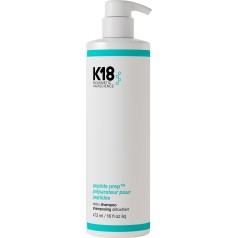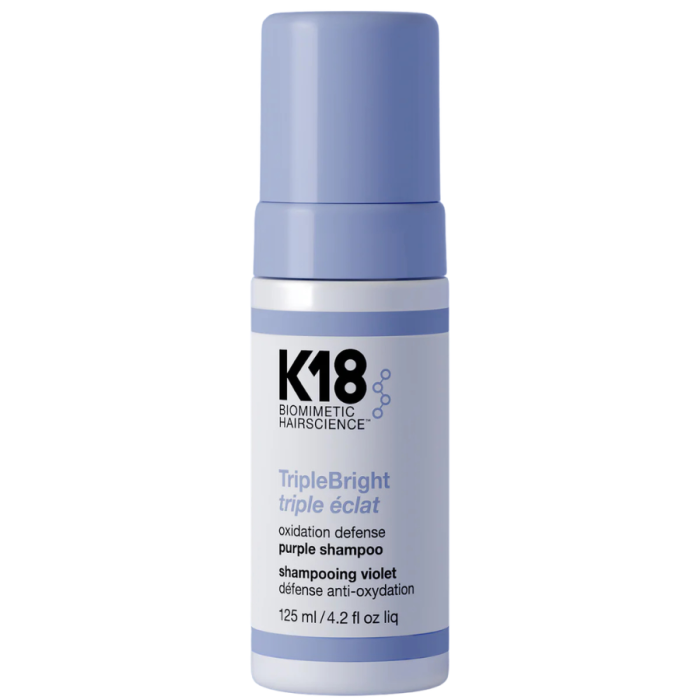

K18 Triplebright Oxidation Defense Purple Shampoo
K18

Triplebright Oxidation Defense Purple Shampoo 125ml

$59.95
Only 10 remaining in stock!
4 payments of with
  • Delivery
  • Click & Collect
In Stock - Free Shipping
Estimated delivery: Mon, Aug 10th - Fri, Aug 14th

Free Click and collect is available at checkout. Orders are ready within 1 hour during opening hours. Store Address: 56 Parer Rd, Airport West, VIC Australia 3042 Phone (03) 9999 5902

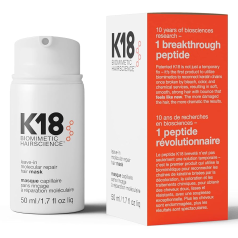
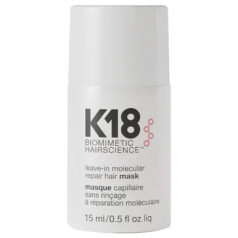
Leave-In Molecular Repair Mask Mini
FREE K18 Leave-In Molecular Repair Hair Mask Mini
With your next K18 purchase over $60. Limit 1 per customer.
Dualsenses Color Mini Duo
FREE Goldwell Shampoo & Conditoner Duo
With all sitewide orders over $139.
Valued at $19.95!
Why You’ll love it
Cruelty Free
Sulphate Free
Vegan
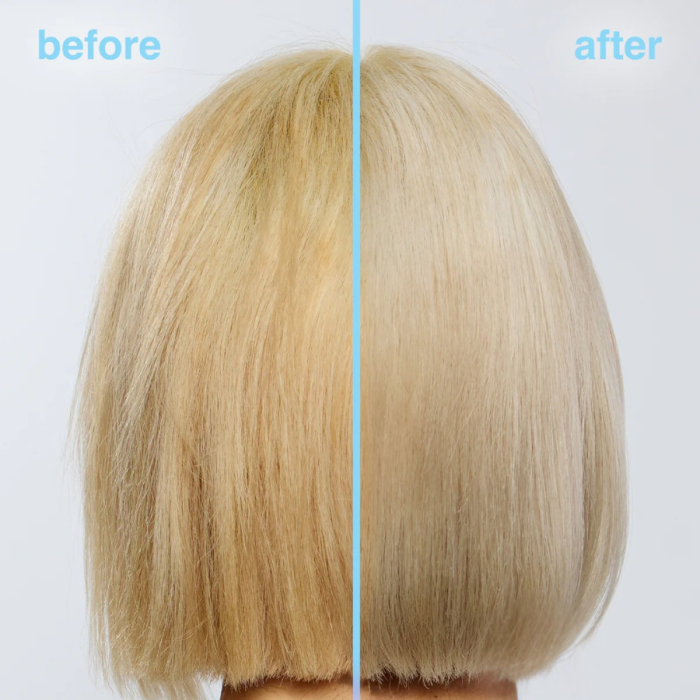
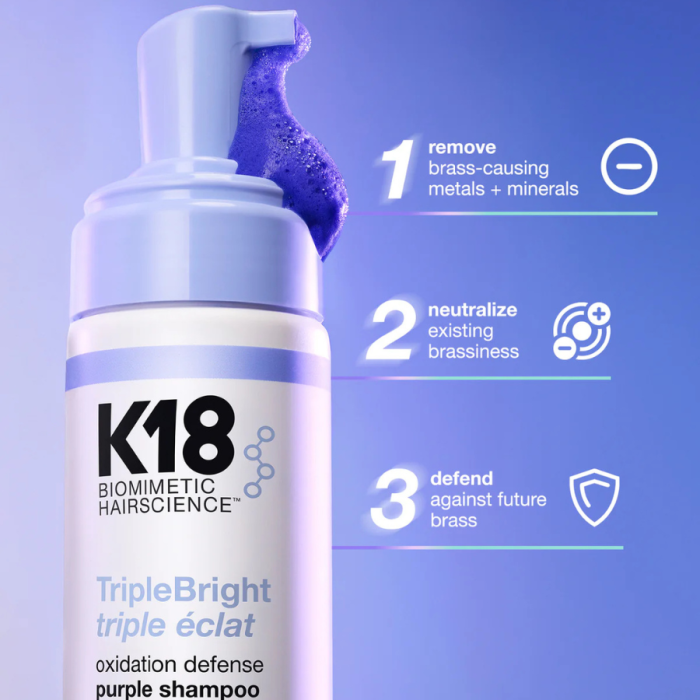
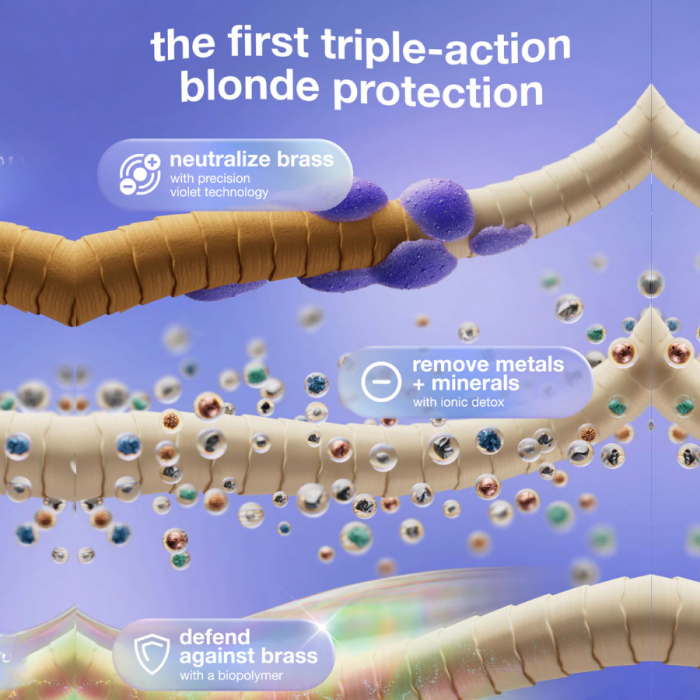
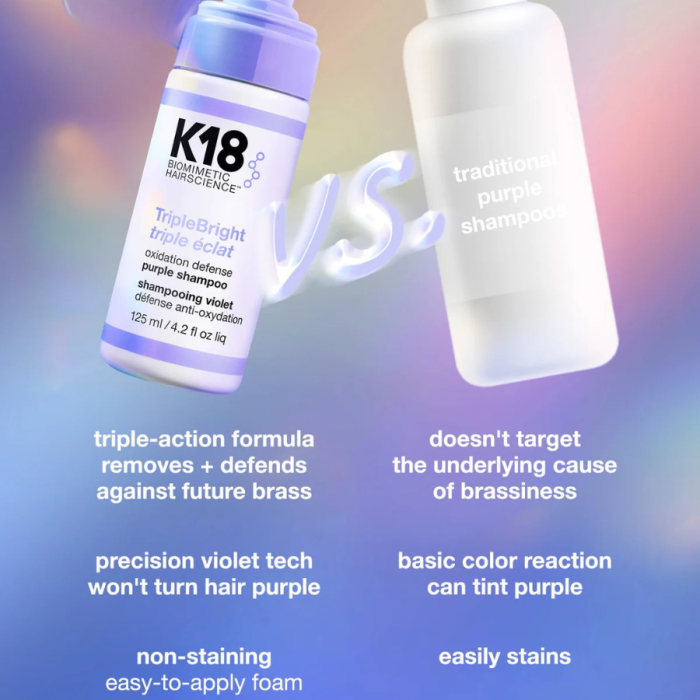
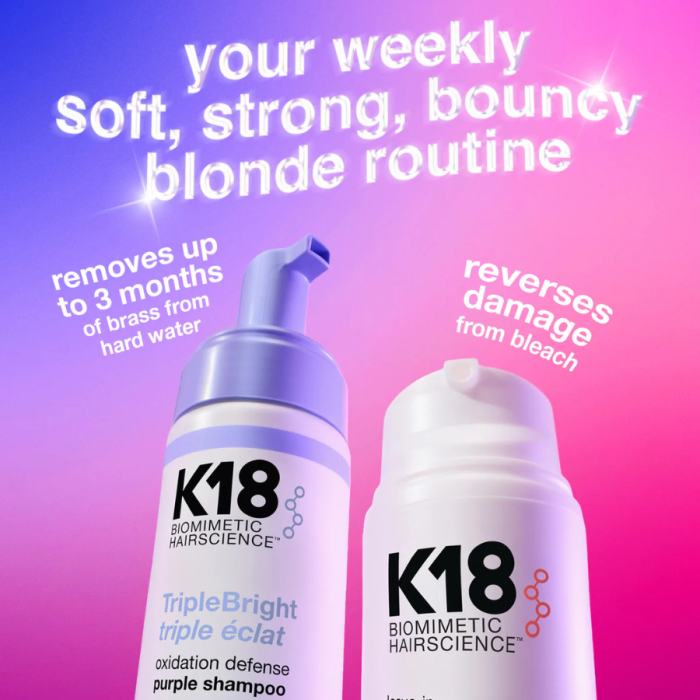
1 wash removes up to 3 months of brass from hard water
Neutralizes brassiness without staining or overtoning
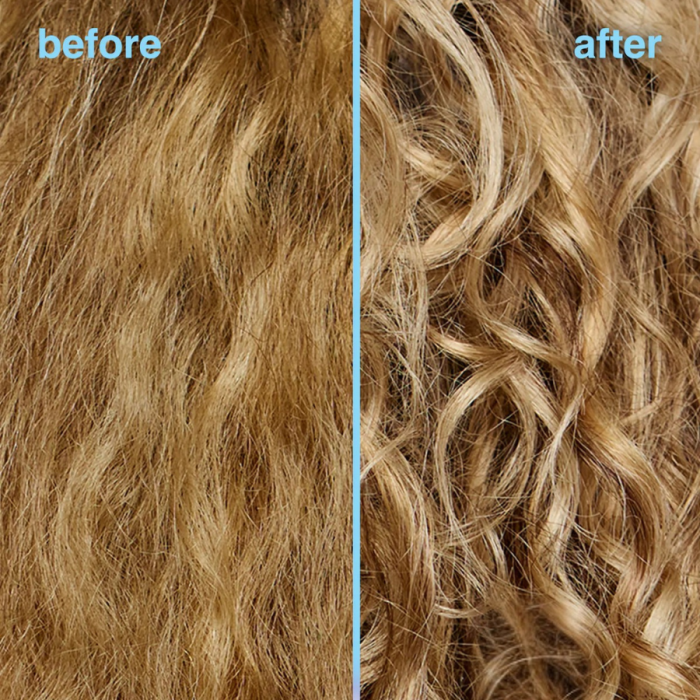
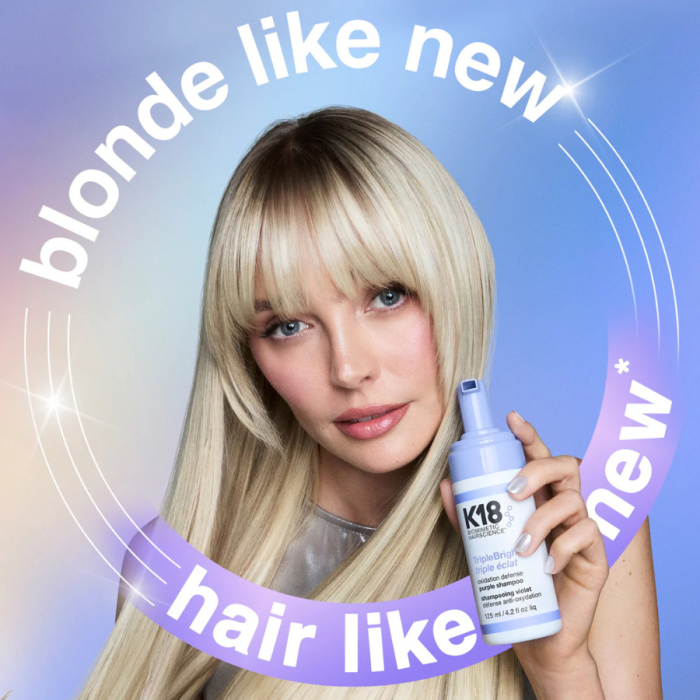
Ideal hair tone is restored and evened* for all highlighted and lifted tones
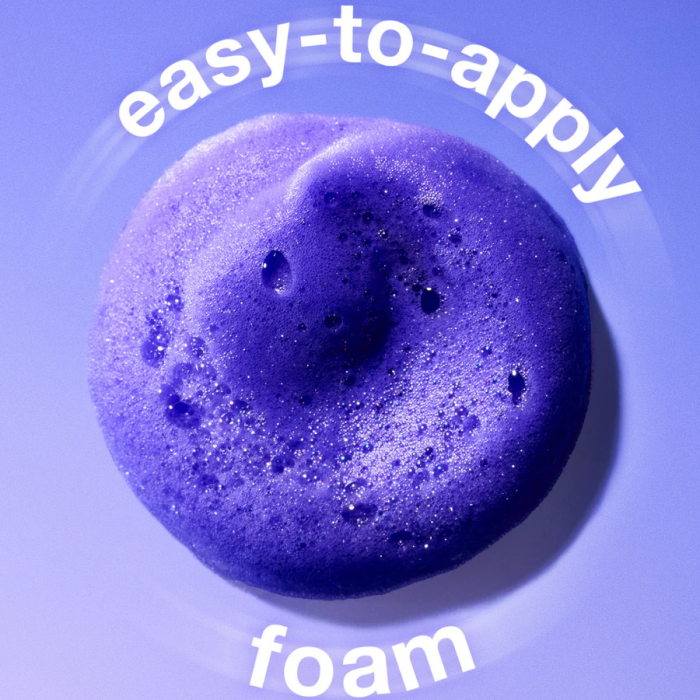
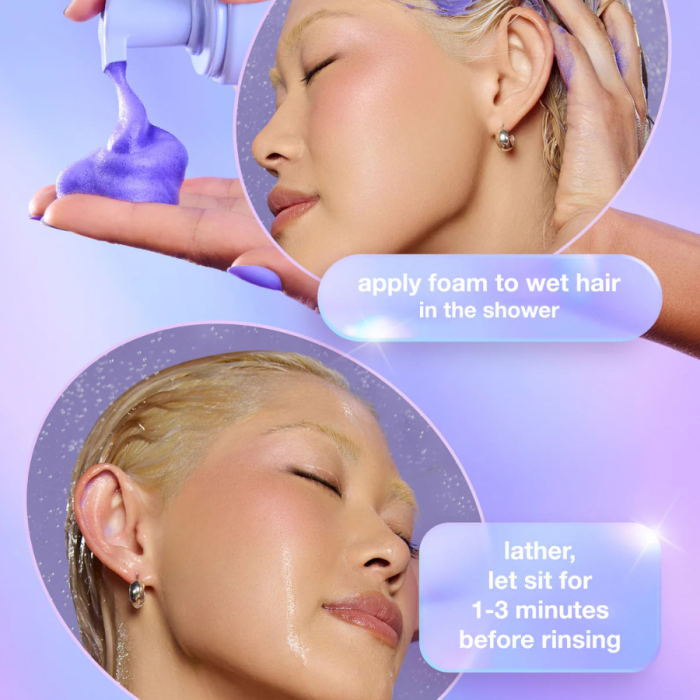
Easy-to-apply foam
Description
Read more
Directions
Ingredients
  • Aqua Solvents
    Solvent

    The water base that carries and dissolves the other ingredients in most products.

    May suit

    All hair and skin types.

    Worth knowing

    Almost always the first ingredient listed in water-based products.

  • Cocamidopropyl Hydroxysultaine Cleansers / surfactants
    Mild surfactant

    A gentle, foam-boosting surfactant that helps cleanse hair without excessive stripping.

    May suit

    Those looking for mild cleansing, including people with dry, curly or colour-treated hair.

    Worth knowing

    It is commonly used alongside other surfactants to create a balanced, gentle cleansing system. It can also help improve the texture and thickness of formulations.

  • Sodium Methyl Cocoyl Taurate Cleansers / surfactants
    Mild surfactant

    A gentle, coconut‑derived surfactant that helps cleanse hair and create a soft lather.

    May suit

    Those looking for a mild cleansing option that supports a gentle shampoo feel.

    Worth knowing

    It is often used to provide a balanced cleanse without leaving hair feeling stripped. Its texture and lather profile make it popular in modern, gentle shampoo formulas.

  • Propanediol Humectants
    Hydrating humectant

    Helps attract and hold moisture in hair and supports a smooth, conditioned feel.

    May suit

    Those wanting lightweight hydration without heaviness.

    Worth knowing

    It is often used as a gentle alternative to glycol-based humectants and can also help improve product texture and absorption.

  • Polysorbate 20 Thickeners and stabilisers
    Solubiliser / emulsifier

    Helps blend oil‑based ingredients into water‑based formulas for a smooth, even texture.

    May suit

    Those using products with essential oils or fragranced blends, as it helps disperse these evenly.

    Worth knowing

    It is widely used as a gentle solubiliser in both leave‑in and rinse‑off products. Its presence can improve product consistency and prevent ingredient separation.

  • Cocamidopropyl Betaine Cleansers / surfactants
    Cleanser / foam booster

    A milder co-surfactant that helps cleanse, boost foam and soften the feel of stronger cleansers.

    May suit

    Most hair types, including those wanting a gentler wash.

    Worth knowing

    Often paired with other surfactants to make a formula feel milder.

  • Sodium Phytate Chelating agents
    Chelating agent

    Helps bind metal ions to support product stability and performance.

    May suit

    People who want formulas that perform consistently in hard-water environments.

    Worth knowing

    It is a plant-derived option often used as a gentler alternative to traditional chelators. It can also support the effectiveness of preservatives and surfactants.

  • Glycerin Humectants
    Humectant

    Attracts and holds water to help hair feel hydrated and soft.

    May suit

    Dry or dehydrated hair, and many curl and moisture routines.

    Worth knowing

    A very common, well-tolerated humectant used across countless products.

  • Sodium Polyaspartate Conditioning agents
    Conditioning polymer

    Helps condition and hydrate the hair by forming a light, smoothing film.

    May suit

    Anyone looking for improved softness, moisture retention, and manageability.

    Worth knowing

    It can also help reduce static and improve combability without adding weight. Its film-forming nature supports a smoother feel on both hair and skin.

  • Sodium Citrate pH adjusters
    pH adjuster

    Sodium Citrate helps maintain or adjust the pH of haircare formulas.

    May suit

    Anyone using products designed to stay within a specific pH range, such as colour‑treated or chemically treated hair.

    Worth knowing

    It also has mild chelating abilities, helping formulas remain stable in the presence of minerals found in water. Its use supports the consistency and performance of many shampoos and conditioners.

  • Sodium Gluconate Chelating agents
    Chelating agent

    Helps bind metal ions in water and formulas to support stability and performance.

    May suit

    Those living in hard-water areas or using products designed to maintain formula clarity and effectiveness.

    Worth knowing

    By binding minerals, it can help reduce the impact of hard water on hair feel and product behaviour. It is commonly used in modern, mild formulations.

  • Citric Acid pH adjusters
    pH adjuster

    Fine-tunes the product pH, which can help the hair surface feel smooth.

    May suit

    Most hair types as part of a balanced formula.

    Worth knowing

    Usually present in small amounts to balance the formula.

  • Tetrasodium Glutamate Diacetate Chelating agents
    Chelating agent

    Helps bind and neutralise metal ions in a formula to support product stability and performance.

    May suit

    Those using hard water or products prone to mineral build‑up may appreciate its inclusion.

    Worth knowing

    It is often used as a readily biodegradable alternative to traditional chelating agents. By managing metal ions, it can help formulas stay consistent over time.

  • Aspartic Acid Proteins and amino acids
    Amino acid conditioning support

    Aspartic Acid is an amino acid used to help support hair conditioning and moisture retention.

    May suit

    Those looking for formulas that help improve softness or replenish amino acids in chemically treated or dry hair.

    Worth knowing

    It is often included as part of amino acid blends that help maintain the hair’s moisture balance. Its effects are subtle but can contribute to an overall conditioning system.

  • Caprylyl Glycol Humectants
    Humectant

    Helps attract and hold moisture in hair and scalp while supporting product stability.

    May suit

    Those looking for added hydration or smoother-feeling hair.

    Worth knowing

    It is also commonly used as a preservative booster to help maintain formula freshness. It is well tolerated in most haircare products.

  • Cocamidopropyl Dimethylamine Conditioning agents
    Conditioning / antistatic agent

    An amine-derived conditioning ingredient that helps reduce static, improve combability and leave hair feeling smoother.

    May suit

    People seeking detangling, reduced frizz and improved manageability; commonly found in conditioners, leave-in treatments and detangling sprays.

    Worth knowing

    Derived from coconut fatty acids, it deposits on hair to provide conditioning and antistatic benefits and is often used alongside surfactants and emollients. A small number of people with sensitive skin or specific amide/amine allergies may experience irritation, so patch-testing fragranced products or those with multiple active ingredients can be useful.

    Good to know

    Cocamidopropyl Dimethylamine is a tertiary amine amphiphilic molecule used primarily for its cationic or anti-static properties, helping formulations improve wet and dry combing. It is used at low concentrations in rinse-off and leave-on hair products and is distinct from cocamidopropyl betaine (a mild surfactant) though both are coconut-derived. Formulators may choose it for lightweight conditioning without heavy silicones.

  • Sodium Glycolate pH adjusters
    pH adjuster

    Helps maintain or adjust a product’s pH for stability and performance.

    May suit

    Those interested in products formulated for an optimal pH balance.

    Worth knowing

    It is the sodium salt of glycolic acid and is commonly used to help keep formulations stable. In haircare, appropriate pH contributes to how smooth and manageable the hair feels.

  • Sodium Hydroxide pH adjusters
    pH adjuster

    Helps control and stabilise the pH of haircare formulations.

    May suit

    Those interested in how product pH affects scalp comfort or hair cuticle behaviour.

    Worth knowing

    It is used in very small amounts to bring a formula to the desired pH range. Once adjusted, it does not act as a strong alkaline agent in the finished product.

  • Sodium Benzoate Preservatives
    Preservative

    Helps protect water-based products from spoilage so they stay usable.

    May suit

    All products that need a preservative system.

    Worth knowing

    Often paired with other preservatives for broad protection.

  • Sodium Chloride Thickeners and stabilisers
    Viscosity adjuster

    Sodium Chloride is used to adjust the thickness of shampoos and other cleansing formulas.

    May suit

    Those interested in how a product’s texture and lather are achieved.

    Worth knowing

    It is a simple mineral salt that helps create a familiar shampoo feel and can influence how a cleanser spreads through the hair.

  • Acid Violet 43 Colourants
    Colourant

    A synthetic violet dye used to add colour or adjust tones in haircare products.

    May suit

    People using colour-depositing shampoos, conditioners or masks may find it relevant.

    Worth knowing

    It is commonly used in purple and violet toning formulas to help reduce the appearance of brassy or yellow tones in lightened hair. It is present in very small amounts to achieve precise colour effects.

  • Phenoxyethanol Preservatives
    Preservative

    Helps keep the product stable and pleasant to use after opening.

    May suit

    All products that need protecting from spoilage.

    Worth knowing

    A very common, well-studied preservative used at low levels.

  • Parfum Fragrance ingredients
    Fragrance

    Gives the product its scent.

    May suit

    People who enjoy a scented product.

    Worth knowing

    Fragrance preference is personal. Some people prefer fragrance-free formulas by choice.

  • Hexyl Cinnamal Fragrance ingredients
    Fragrance component

    A fragrance ingredient used to give products a light, floral scent.

    May suit

    Those who enjoy subtly scented haircare products.

    Worth knowing

    It is one of the fragrance components that must be listed separately when present above certain levels. People with known fragrance sensitivities may choose to monitor for it.

  • Hydroxycitronellal Fragrance ingredients
    Fragrance component

    Hydroxycitronellal is a fragrance ingredient used to give haircare products a fresh, floral scent.

    May suit

    Those who enjoy scented hair products or want a light floral note in their routine.

    Worth knowing

    It is one of the fragrance allergens that must be listed on labels when present above certain thresholds. People who are monitoring fragrance components for sensitivity may find this information useful.

  • Citrus Limon (Lemon) Peel Oil Fragrance ingredients
    Fragrant plant oil

    A lemon-derived essential oil used to add a fresh, citrus scent to haircare products.

    May suit

    Those who enjoy naturally derived citrus fragrances in their hair products.

    Worth knowing

    Like many essential oils, it can also contribute light aromatic or sensory benefits beyond scent. Its natural composition includes common fragrance components, which may be relevant for people monitoring fragrance use.

  • Iso E Super Fragrance ingredients
    Fragrance ingredient

    A synthetic aroma molecule used to add a soft, woody, amber-like scent to formulations.

    May suit

    Those who enjoy refined, long-lasting fragrance notes in their hair products.

    Worth knowing

    Iso E Super is widely used in fine fragrance and haircare for its smooth, modern scent profile. It blends well with many other aroma materials and is known for its subtle diffusion.

  • Limonene Fragrance ingredients
    Fragrance component

    A fragrance component that also occurs naturally in many citrus and plant oils.

    Worth knowing

    A fragrance component that must be listed separately on labels because a minority of people can be sensitive to it. Its presence is normal, required disclosure and is not a quality signal.

  • Benzyl Salicylate Fragrance ingredients
    Fragrance component

    Benzyl Salicylate is a fragrance ingredient used to add a sweet, floral aroma to haircare products.

    May suit

    Those who enjoy subtly floral-scented haircare or are monitoring specific fragrance allergens.

    Worth knowing

    It is one of the fragrance allergens that must be listed individually on product labels when present above certain levels. Its presence does not indicate product strength or quality, only that it contributes to the overall scent profile.

  • Citrus Aurantium Amara (Bitter Orange) Peel Oil Fragrance ingredients
    Fragrance oil

    A citrus essential oil used to add a fresh, aromatic note to haircare products.

    May suit

    Those who enjoy naturally derived citrus fragrances.

    Worth knowing

    As an essential oil, it contributes scent and may also offer a light refreshing feel in formulations. It can naturally contain trace levels of common fragrance allergens, which are listed separately on ingredient labels when present above threshold levels.

Questions and Answers

Questions and Answers

Write A Question
Name
E-mail
Your Question
Reviews
Write a review
Your evaluation
Name
E-mail
Your Review
Find your product in seconds!
Haircare
Skincare
Makeup