Moroccanoil

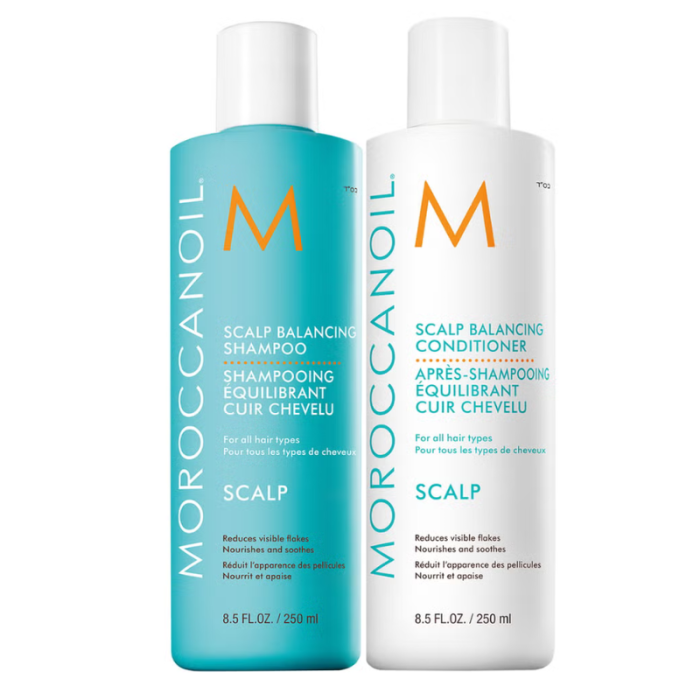
Scalp Balancing Shampoo and Conditioner Duo 250ml

$96.00
Only 2 remaining in stock!
  • Delivery
  • Click & Collect
In Stock - Free Shipping
Estimated delivery: Mon, Aug 3rd - Fri, Aug 7th

Free Click and collect is available at checkout. Orders are ready within 1 hour during opening hours. Store Address: 56 Parer Rd, Airport West, VIC Australia 3042 Phone (03) 9999 5902

Artists & Models Oval Styling Brush Gift
FREE Brushworx Oval Styling Brush
Valued at $29.95, free with all orders over $129.
Treatment Mist Gift
Free Moroccanoil Treatment Mist 5ml
When you buy 2+ Moroccanoil Items.
Min spend $70. 1 per customer. Sets are 1 item.
Promotion
Save 15% with code NEW15 off your first order!
Limit 1 use. Exclusions apply, including sale items.

Why You’ll love it
Sensitive
Cruelty Free
Paraben Free
Sulphate Free
Feel your scalp exhale as hair turns light, clean, and touchably soft.
Cleanses away build-up without leaving roots squeaky, tight, or dry.
Soft, silky lengths that comb through easily and feel weightless.
Warm, signature Moroccanoil scent that lingers softly after washing.
Description
Read more
Directions
Ingredients
  • Aqua Solvents
    Solvent

    The water base that carries and dissolves the other ingredients in most products.

    May suit

    All hair and skin types.

    Worth knowing

    Almost always the first ingredient listed in water-based products.

  • Sodium Lauroyl Sarcosinate Cleansers / surfactants
    Mild surfactant

    A gentle cleansing agent that helps lift away oils and impurities.

    May suit

    People looking for mild, low-foaming cleansers that are generally considered suitable for sensitive or dry hair types.

    Worth knowing

    It is often used as an alternative to stronger surfactants to create a softer, more conditioning lather. It can also support formula stability and mildness in blended surfactant systems.

  • Cocamidopropyl Betaine Cleansers / surfactants
    Cleanser / foam booster

    A milder co-surfactant that helps cleanse, boost foam and soften the feel of stronger cleansers.

    May suit

    Most hair types, including those wanting a gentler wash.

    Worth knowing

    Often paired with other surfactants to make a formula feel milder.

  • Sodium Lauroyl Methyl Isethionate Cleansers / surfactants
    Gentle cleansing surfactant

    A mild, sulphate-free surfactant that helps cleanse hair and scalp while creating a soft, creamy lather.

    May suit

    People looking for a gentle, low-irritation cleansing option or those using sulphate-free shampoos.

    Worth knowing

    It is known for being milder than many traditional surfactants and is often used in formulas designed to maintain softness after washing.

  • Cocamide MIPA Cleansers / surfactants
    Foaming surfactant

    A coconut-derived surfactant that helps boost foam and improve the cleansing performance of shampoos.

    May suit

    People who like a rich, stable lather in their cleansing products.

    Worth knowing

    It is often used alongside primary surfactants to enhance texture and mildness. Its viscosity‑boosting effect can also improve the feel of rinse‑off formulas.

  • Acrylates Copolymer Thickeners and stabilisers
    Film-forming polymer

    Acrylates Copolymer helps form a lightweight film that supports hold, texture and product stability.

    May suit

    People looking for enhanced styling hold or frizz control.

    Worth knowing

    It is widely used in styling products to help shape and set the hair without feeling heavy. It also contributes to product consistency and spreadability.

  • Argania Spinosa Kernel Oil Oils and butters
    Conditioning oil

    Softens and nourishes the hair, adding slip and a conditioned, glossy feel.

    May suit

    Dry, dull or frizz-prone hair.

    Worth knowing

    A popular conditioning oil used across many treatment and shine products.

  • Panthenol Conditioning agents
    Conditioning agent

    Helps condition, soften and add a smooth, healthy feel to the hair.

    May suit

    Most hair types, especially dry or dull hair.

    Worth knowing

    A versatile, well-tolerated conditioning ingredient.

  • Polyquaternium-7 Conditioning agents
    Conditioning polymer

    A conditioning polymer that helps smooth, soften and reduce static in the hair.

    May suit

    People looking for improved slip, reduced frizz or easier detangling.

    Worth knowing

    It is commonly used in shampoos, conditioners and styling products to enhance manageability and provide a light, non‑heavy feel. It is well known for offering conditioning benefits without weighing the hair down.

  • Polyquaternium-10 Conditioning agents
    Conditioning agent

    A conditioning polymer that smooths the hair surface and helps with detangling and feel.

    May suit

    Most hair types wanting smoother, easier-to-manage hair.

    Worth knowing

    Widely used in shampoos and conditioners for slip and softness.

  • Glycerin Humectants
    Humectant

    Attracts and holds water to help hair feel hydrated and soft.

    May suit

    Dry or dehydrated hair, and many curl and moisture routines.

    Worth knowing

    A very common, well-tolerated humectant used across countless products.

  • PEG-150 Pentaerythrityl Tetrastearate Thickeners and stabilisers
    Thickener and stabiliser

    A thickening and stabilising ingredient that helps create a smooth, consistent texture in haircare formulas.

    May suit

    Anyone who prefers products with a richer, creamier feel or improved spreadability.

    Worth knowing

    It is often used in conditioners and styling products to enhance texture and keep formulas stable over time. It also helps emulsify oil and water components for an even finish.

  • PEG-6 Caprylic/Capric Glycerides Cleansers / surfactants
    Solubiliser and mild surfactant

    Helps dissolve oils and fragrance components into water-based formulas while providing gentle cleansing.

    May suit

    Those looking for mild cleansing or well-blended formulations that incorporate oils.

    Worth knowing

    It is commonly used to improve formula clarity and texture in both cleansing and treatment products. Its mild nature makes it suitable for a wide range of hair types.

  • Disodium Laureth Sulfosuccinate Cleansers / surfactants
    Mild cleansing surfactant

    A gentle surfactant that helps cleanse the hair and scalp by lifting away oils and impurities.

    May suit

    People looking for a milder alternative to traditional sulphate surfactants.

    Worth knowing

    It is often used in gentle or colour-care formulas because it provides effective cleansing with a softer feel. Despite the name, it is typically considered milder than many common sulphate surfactants.

  • Glycol Distearate Thickeners and stabilisers
    Opacifier and pearlising agent

    Adds a pearlescent look and helps thicken and stabilise shampoos and conditioners.

    May suit

    Those who like creamy, luxurious-feeling shampoo or conditioner textures.

    Worth knowing

    It also provides a mild conditioning feel, helping formulas spread smoothly through the hair. Its use is common in many everyday cleansing products.

  • Cocamidopropyl Hydroxysultaine Cleansers / surfactants
    Mild surfactant

    A gentle, foam-boosting surfactant that helps cleanse hair without excessive stripping.

    May suit

    Those looking for mild cleansing, including people with dry, curly or colour-treated hair.

    Worth knowing

    It is commonly used alongside other surfactants to create a balanced, gentle cleansing system. It can also help improve the texture and thickness of formulations.

  • Laureth-4 Cleansers / surfactants
    Solubiliser / mild surfactant

    Laureth-4 helps dissolve oils and blend fragrance or active ingredients evenly through a formula.

    May suit

    Those looking for products with effective cleansing or evenly dispersed ingredients.

    Worth knowing

    It is commonly used at low levels to support texture and clarity in shampoos and styling products. Despite being a surfactant, it is often included for solubilising rather than strong cleansing.

  • Sodium Chloride Thickeners and stabilisers
    Viscosity adjuster

    Sodium Chloride is used to adjust the thickness of shampoos and other cleansing formulas.

    May suit

    Those interested in how a product’s texture and lather are achieved.

    Worth knowing

    It is a simple mineral salt that helps create a familiar shampoo feel and can influence how a cleanser spreads through the hair.

  • Citric Acid pH adjusters
    pH adjuster

    Fine-tunes the product pH, which can help the hair surface feel smooth.

    May suit

    Most hair types as part of a balanced formula.

    Worth knowing

    Usually present in small amounts to balance the formula.

  • Disodium EDTA Chelating agents
    Chelating agent

    Binds to minerals from hard water so the product works consistently and stays stable.

    May suit

    All products, especially in hard-water areas.

    Worth knowing

    Used in tiny amounts to keep formulas performing reliably.

  • Magnesium Nitrate Preservatives
    Preservative stabiliser

    Helps support the stability and performance of certain preservative systems.

    May suit

    Those interested in how a product’s preservation system is maintained.

    Worth knowing

    It is commonly paired with other preserving ingredients to help keep formulas consistent over time. Its role is supportive rather than active in terms of preservation.

  • Methylchloroisothiazolinone Preservatives
    Preservative

    A preservative that helps keep water-based haircare products fresh and stable.

    May suit

    Those looking for products with robust preservation, particularly in rinse-off formulas.

    Worth knowing

    It is widely used in small amounts to protect formulas from microbial growth. Some people with sensitive skin or scalps may prefer to patch test products containing isothiazolinone preservatives.

  • Methylisothiazolinone Preservatives
    Preservative

    A preservative that helps keep water-based haircare products fresh and stable.

    May suit

    Those needing products with reliable protection against product spoilage.

    Worth knowing

    It is effective in very small amounts to support product longevity. Some people with sensitive skin or scalps may prefer to patch test products containing this preservative.

  • Magnesium Chloride Thickeners and stabilisers
    Stabiliser

    Helps stabilise and support the texture of haircare formulas.

    May suit

    People using styling or leave-in products that benefit from consistent texture and performance.

    Worth knowing

    Magnesium chloride can also contribute mild humectant properties, helping formulas retain moisture. It is commonly used alongside other salts to adjust product feel and stability.

  • Limonene Fragrance ingredients
    Fragrance component

    A fragrance component that also occurs naturally in many citrus and plant oils.

    Worth knowing

    A fragrance component that must be listed separately on labels because a minority of people can be sensitive to it. Its presence is normal, required disclosure and is not a quality signal.

  • Linalool Fragrance ingredients
    Fragrance component

    A fragrance component found naturally in many flowers and spices.

    Worth knowing

    A fragrance component that must be listed separately on labels because a minority of people can be sensitive to it. Its presence is normal, required disclosure and is not a quality signal.

  • Hexyl Cinnamal Fragrance ingredients
    Fragrance component

    A fragrance ingredient used to give products a light, floral scent.

    May suit

    Those who enjoy subtly scented haircare products.

    Worth knowing

    It is one of the fragrance components that must be listed separately when present above certain levels. People with known fragrance sensitivities may choose to monitor for it.

  • Cetearyl Alcohol Conditioning agents
    Fatty alcohol conditioner

    A fatty alcohol that helps soften hair and improve the texture of formulations.

    May suit

    People looking for smoother, more manageable hair or richer, creamier product textures.

    Worth knowing

    Despite the name, fatty alcohols are moisturising and conditioning rather than drying. They also help stabilise and thicken many haircare formulas.

  • Behentrimonium Chloride Conditioning agents
    Conditioning agent

    A conditioning agent that helps detangle and soften, reducing static and roughness.

    May suit

    Most hair types, especially tangle-prone or coarse hair.

    Worth knowing

    A common conditioner ingredient despite the chloride name, which simply describes its chemistry.

  • Argania Spinosa Kernel Oil Oils and butters
    Conditioning oil

    Softens and nourishes the hair, adding slip and a conditioned, glossy feel.

    May suit

    Dry, dull or frizz-prone hair.

    Worth knowing

    A popular conditioning oil used across many treatment and shine products.

  • Panthenol Conditioning agents
    Conditioning agent

    Helps condition, soften and add a smooth, healthy feel to the hair.

    May suit

    Most hair types, especially dry or dull hair.

    Worth knowing

    A versatile, well-tolerated conditioning ingredient.

  • Glycerin Humectants
    Humectant

    Attracts and holds water to help hair feel hydrated and soft.

    May suit

    Dry or dehydrated hair, and many curl and moisture routines.

    Worth knowing

    A very common, well-tolerated humectant used across countless products.

  • Polyquaternium-7 Conditioning agents
    Conditioning polymer

    A conditioning polymer that helps smooth, soften and reduce static in the hair.

    May suit

    People looking for improved slip, reduced frizz or easier detangling.

    Worth knowing

    It is commonly used in shampoos, conditioners and styling products to enhance manageability and provide a light, non‑heavy feel. It is well known for offering conditioning benefits without weighing the hair down.

  • Polyquaternium-37 Conditioning agents
    Film-forming conditioner

    A conditioning polymer that helps smooth the hair and improve manageability.

    May suit

    Those looking for softer, more manageable hair or extra slip in styling products.

    Worth knowing

    It forms a lightweight film on the hair to reduce static and enhance glide without leaving heavy residue. It is commonly used in both rinse-off and leave-in formulas.

  • Propylene Glycol Dicaprylate/Dicaprate Oils and butters
    Lightweight emollient

    A light, fast‑absorbing emollient ester that helps soften hair and improve slip.

    May suit

    Those wanting a non-greasy conditioning feel or improved spreadability in styling products.

    Worth knowing

    It is commonly used to give formulas a smooth, silky texture without heaviness. Often found in conditioners, serums and creams where a lightweight finish is desired.

  • PPG-1 Trideceth-6 Cleansers / surfactants
    Solubiliser / surfactant

    A solubilising surfactant that helps blend oily and watery ingredients into a uniform formula.

    May suit

    Those looking for products with stable, evenly blended textures or clear formulations.

    Worth knowing

    It is commonly used in both haircare and skincare to help disperse fragrance oils or conditioning agents evenly. It also supports the overall texture and consistency of a formula.

  • Isopropyl Alcohol Solvents
    Solvent

    Helps dissolve ingredients and supports quick-drying formulas.

    May suit

    Those using styling products that benefit from fast evaporation, such as sprays.

    Worth knowing

    It is commonly used at low levels to improve texture and spreadability. It evaporates quickly, leaving minimal residue on the hair.

  • Citric Acid pH adjusters
    pH adjuster

    Fine-tunes the product pH, which can help the hair surface feel smooth.

    May suit

    Most hair types as part of a balanced formula.

    Worth knowing

    Usually present in small amounts to balance the formula.

  • Disodium EDTA Chelating agents
    Chelating agent

    Binds to minerals from hard water so the product works consistently and stays stable.

    May suit

    All products, especially in hard-water areas.

    Worth knowing

    Used in tiny amounts to keep formulas performing reliably.

  • Phenoxyethanol Preservatives
    Preservative

    Helps keep the product stable and pleasant to use after opening.

    May suit

    All products that need protecting from spoilage.

    Worth knowing

    A very common, well-studied preservative used at low levels.

  • Ethylhexylglycerin Preservatives
    Preservative booster

    Helps support the preservation system and can provide mild skin-conditioning benefits.

    May suit

    Those interested in gentle preservation systems or sensitive scalps may find it relevant.

    Worth knowing

    It is often paired with other preservatives to improve their effectiveness while allowing for lower usage levels. It also has light moisturising and conditioning properties.

  • Limonene Fragrance ingredients
    Fragrance component

    A fragrance component that also occurs naturally in many citrus and plant oils.

    Worth knowing

    A fragrance component that must be listed separately on labels because a minority of people can be sensitive to it. Its presence is normal, required disclosure and is not a quality signal.

  • Linalool Fragrance ingredients
    Fragrance component

    A fragrance component found naturally in many flowers and spices.

    Worth knowing

    A fragrance component that must be listed separately on labels because a minority of people can be sensitive to it. Its presence is normal, required disclosure and is not a quality signal.

  • Hexyl Cinnamal Fragrance ingredients
    Fragrance component

    A fragrance ingredient used to give products a light, floral scent.

    May suit

    Those who enjoy subtly scented haircare products.

    Worth knowing

    It is one of the fragrance components that must be listed separately when present above certain levels. People with known fragrance sensitivities may choose to monitor for it.

  • Benzyl Benzoate Fragrance ingredients
    Fragrance component

    A fragrance component that is listed separately on labels by labelling convention.

    Worth knowing

    A fragrance component that must be listed separately on labels because a minority of people can be sensitive to it. Its presence is normal, required disclosure and is not a quality signal.

Questions and Answers

Questions and Answers

Write A Question
Name
E-mail
Your Question
Reviews
Write a review
Your evaluation
Name
E-mail
Your Review
Find your product in seconds!
Haircare
Skincare
Makeup