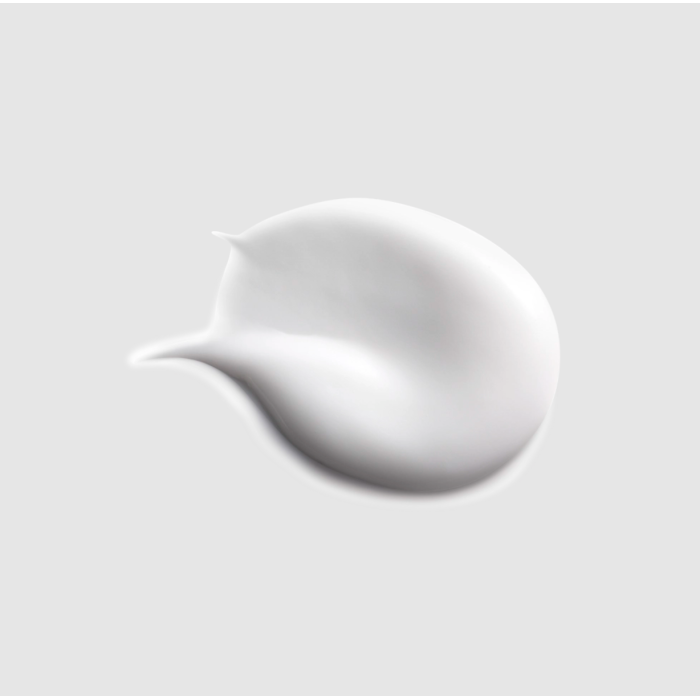
Philip Kingsley Density Thickening Conditioner
Philip Kingsley

Density Thickening Conditioner 170ml

Save 20%
$55.96
$69.95
Only 2 remaining in stock!
  • Delivery
  • Click & Collect
In Stock - Free Shipping
Estimated delivery: Tue, Aug 4th - Mon, Aug 10th

Free Click and collect is available at checkout. Orders are ready within 1 hour during opening hours. Store Address: 56 Parer Rd, Airport West, VIC Australia 3042 Phone (03) 9999 5902

Artists & Models Oval Styling Brush Gift
FREE Brushworx Oval Styling Brush
Valued at $29.95, free with all orders over $129.
Promotion
Save 15% with code NEW15 off your first order!
Limit 1 use. Exclusions apply, including sale items.
Why You’ll love it
Thickening
Cruelty Free
Paraben Free
Sulphate Free
Vegan
Hydrolyzed Pea Peptides increase strand thickness
Adds shine and gloss
Reduces hair breakage
Hydrates and smoothes strands
Increases hair volume by 25% after one use
Description
Read more
Directions
Ingredients
  • Aqua Solvents
    Solvent

    The water base that carries and dissolves the other ingredients in most products.

    May suit

    All hair and skin types.

    Worth knowing

    Almost always the first ingredient listed in water-based products.

  • Cetearyl Alcohol Conditioning agents
    Fatty alcohol conditioner

    A fatty alcohol that helps soften hair and improve the texture of formulations.

    May suit

    People looking for smoother, more manageable hair or richer, creamier product textures.

    Worth knowing

    Despite the name, fatty alcohols are moisturising and conditioning rather than drying. They also help stabilise and thicken many haircare formulas.

  • Hydrogenated Castor Oil/Sebacic Acid Copolymer Conditioning agents
    Film-forming conditioning polymer

    A film-forming polymer that helps provide light conditioning and hold in hair products.

    May suit

    Those looking for gentle styling support or smoother-feeling hair without heavy build-up.

    Worth knowing

    It is commonly used in styling creams, gels and conditioners to improve texture and spreadability. It can also enhance shine and help control frizz.

  • Pisum Sativum Peptide Proteins and amino acids
    Plant-derived peptide

    A plant-derived peptide used to help support hair strength and improve the feel of damaged strands.

    May suit

    Those looking to enhance hair resilience, smoothness or support the look of chemically treated or weakened hair.

    Worth knowing

    Pea peptides are commonly included in modern haircare to offer lightweight conditioning and a soft, fortified feel. They are valued for providing some of the benefits of proteins without heavy buildup.

  • Behentrimonium Chloride Conditioning agents
    Conditioning agent

    A conditioning agent that helps detangle and soften, reducing static and roughness.

    May suit

    Most hair types, especially tangle-prone or coarse hair.

    Worth knowing

    A common conditioner ingredient despite the chloride name, which simply describes its chemistry.

  • Cocos Nucifera Oil Oils and butters
    Conditioning oil

    A rich oil that softens and conditions the hair and can reduce moisture loss.

    May suit

    Dry, coarse or thick hair that likes richer oils.

    Worth knowing

    Suits some hair types more than others, and a little usually goes a long way.

  • Phenoxyethanol Preservatives
    Preservative

    Helps keep the product stable and pleasant to use after opening.

    May suit

    All products that need protecting from spoilage.

    Worth knowing

    A very common, well-studied preservative used at low levels.

  • Hydroxypropyl Starch Phosphate Thickeners and stabilisers
    Texture stabiliser

    A modified starch used to thicken and stabilise haircare formulas.

    May suit

    Anyone who prefers products with a smooth, consistent texture that spread easily through the hair.

    Worth knowing

    It helps improve the feel and stability of creams, conditioners and styling products. It is commonly used because it works well in both rinse-off and leave-in formulas.

  • Parfum Fragrance ingredients
    Fragrance

    Gives the product its scent.

    May suit

    People who enjoy a scented product.

    Worth knowing

    Fragrance preference is personal. Some people prefer fragrance-free formulas by choice.

  • Isopropyl Alcohol Solvents
    Solvent

    Helps dissolve ingredients and supports quick-drying formulas.

    May suit

    Those using styling products that benefit from fast evaporation, such as sprays.

    Worth knowing

    It is commonly used at low levels to improve texture and spreadability. It evaporates quickly, leaving minimal residue on the hair.

  • Behenyl/Stearyl Aminopropanediol Esters Conditioning agents
    Hair-conditioning ester

    Provides conditioning and softness by helping smooth and coat the hair fibre.

    May suit

    Those looking for smoother, more manageable hair or added slip in conditioners and treatments.

    Worth knowing

    These fatty esters are often used to enhance the feel and performance of conditioning formulas. They can support detangling without adding heaviness for most hair types.

  • Ethylhexylglycerin Preservatives
    Preservative booster

    Helps support the preservation system and can provide mild skin-conditioning benefits.

    May suit

    Those interested in gentle preservation systems or sensitive scalps may find it relevant.

    Worth knowing

    It is often paired with other preservatives to improve their effectiveness while allowing for lower usage levels. It also has light moisturising and conditioning properties.

  • Ricinus Communis (Castor) Seed Oil Oils and butters
    Nourishing plant oil

    A rich plant oil used to condition and soften the hair and scalp.

    May suit

    Those seeking extra nourishment, softness or scalp comfort.

    Worth knowing

    It is naturally high in ricinoleic acid, which gives it a thick texture and strong conditioning feel. It is often blended with lighter oils for easier spreading and a less heavy finish.

  • Sodium Hydroxide pH adjusters
    pH adjuster

    Helps control and stabilise the pH of haircare formulations.

    May suit

    Those interested in how product pH affects scalp comfort or hair cuticle behaviour.

    Worth knowing

    It is used in very small amounts to bring a formula to the desired pH range. Once adjusted, it does not act as a strong alkaline agent in the finished product.

  • Citric Acid pH adjusters
    pH adjuster

    Fine-tunes the product pH, which can help the hair surface feel smooth.

    May suit

    Most hair types as part of a balanced formula.

    Worth knowing

    Usually present in small amounts to balance the formula.

  • Disodium EDTA Chelating agents
    Chelating agent

    Binds to minerals from hard water so the product works consistently and stays stable.

    May suit

    All products, especially in hard-water areas.

    Worth knowing

    Used in tiny amounts to keep formulas performing reliably.

  • Leuconostoc/Radish Root Ferment Filtrate Preservatives
    Natural preservative

    A fermented radish root filtrate used to help keep formulations fresh and stable.

    May suit

    Those interested in products that use fermentation-derived preservation systems.

    Worth knowing

    It provides mild antimicrobial activity and is commonly used in modern, gentle preservation blends. Its use does not change how the product performs on the hair.

  • Limonene Fragrance ingredients
    Fragrance component

    A fragrance component that also occurs naturally in many citrus and plant oils.

    Worth knowing

    A fragrance component that must be listed separately on labels because a minority of people can be sensitive to it. Its presence is normal, required disclosure and is not a quality signal.

  • Linalool Fragrance ingredients
    Fragrance component

    A fragrance component found naturally in many flowers and spices.

    Worth knowing

    A fragrance component that must be listed separately on labels because a minority of people can be sensitive to it. Its presence is normal, required disclosure and is not a quality signal.

Questions and Answers

Questions and Answers

Write A Question
Name
E-mail
Your Question
Reviews
Write a review
Your evaluation
Name
E-mail
Your Review
Find your product in seconds!
Haircare
Skincare
Makeup