
-
Delivery
-
Click & Collect
Free Click and collect is available at checkout. Orders are ready within 1 hour during opening hours. Store Address: 56 Parer Rd, Airport West, VIC Australia 3042 Phone (03) 9999 5902
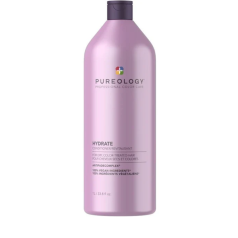
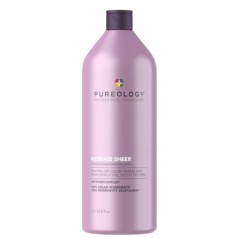
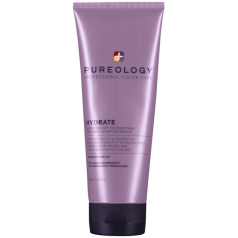
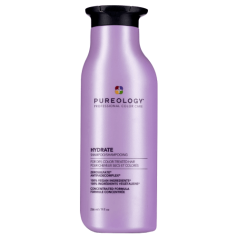
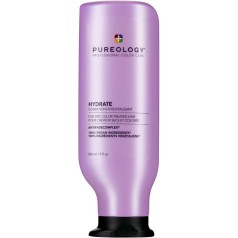
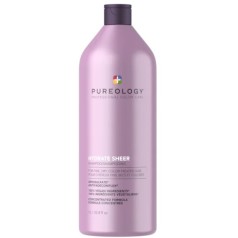
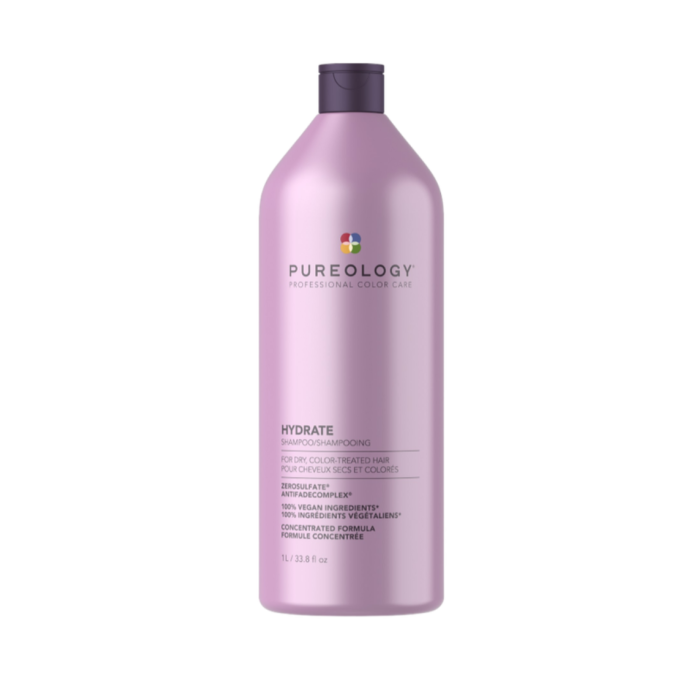
Pureology Hydrate Shampoo 1 Litre is a rich, moisturising cleanse that protects colour vibrancy.
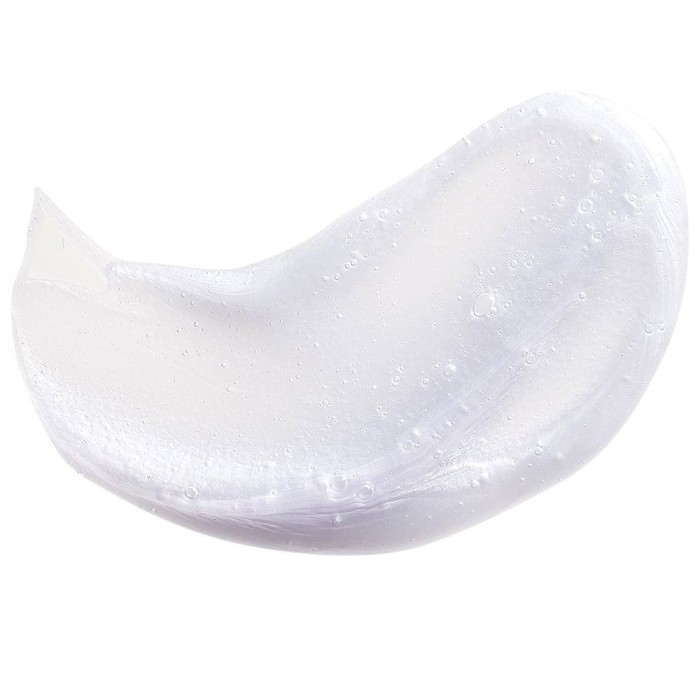
This creamy shampoo gently lifts away daily build-up while bathing thirsty hair in lasting hydration. Its luxurious lather feels silky, not heavy, so hair is left clean, smooth and easy to detangle.
The signature aromatherapy blend of lavender, bergamot and patchouli creates a calm, spa-like scent in the shower. Hair dries with a soft, shiny finish that feels nourished rather than coated.
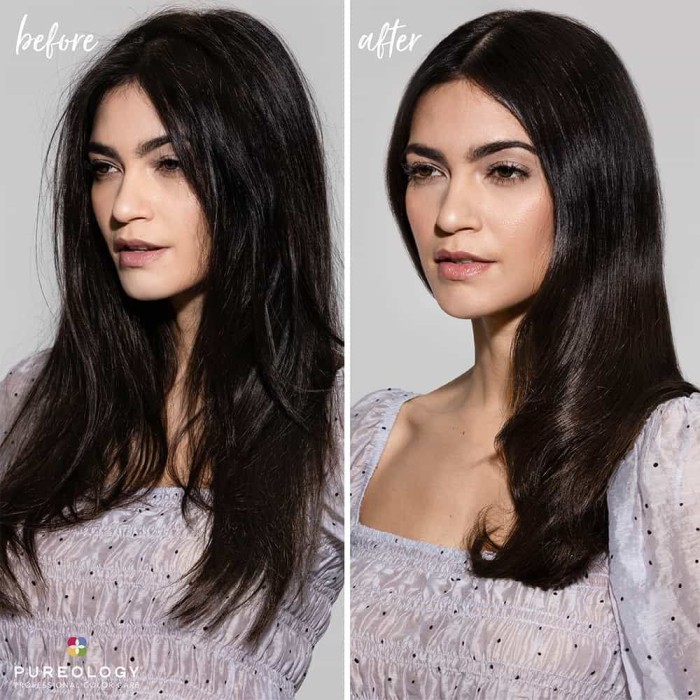
Perfect for dry, medium to thick or colour-treated hair, and ideal for daily or every-other-day washing. With each use, hair feels more supple, looks less dull, and is easier to style without frizz or roughness.
How To Use Pureology Hydrate Shampoo 1 Litre
- Wet hair thoroughly with warm water.
- Apply a small amount of shampoo to palms.
- Massage into scalp and roots until a creamy lather forms.
- Work lather through mid-lengths and ends.
- Rinse well and repeat if hair has heavy build-up.
- Follow with your favourite hydrating conditioner or mask.
Pureology Hydrate Shampoo 1 Litre Ingredients
Aqua/Water/Eau, Sodium Lauroyl Methyl Isethionate, Cocamidopropyl Betaine, Sodium Cocoyl Isethionate, Sodium Methyl Cocoyl Taurate, Sodium Chloride, Glycol Distearate, Cocamide MIPA, Decyl Glucoside, Dimethicone, Polyquaternium-10, Panthenol, Hydroxypropyl Guar Hydroxypropyltrimonium Chloride, Hydrolyzed Vegetable Protein PG-Propyl Silanetriol, Tocopheryl Acetate, Salvia Officinalis (Sage) Leaf Extract, Rosa Centifolia Flower Extract, Chamomilla Recutita (Matricaria) Flower Extract, Citrus Aurantium Dulcis (Orange) Peel Oil, Lavandula Angustifolia (Lavender) Oil, Pogostemon Cablin Oil, Limonene, Linalool, Citral, Citronellol, Geraniol, Benzyl Alcohol, Sodium Hydroxide, Disodium EDTA, Sodium Benzoate, Potassium Sorbate, Phenoxyethanol, Parfum/Fragrance.
Note: Please refer to bottle for full ingredients.
-
Aqua SolventsSolvent
The water base that carries and dissolves the other ingredients in most products.
May suitAll hair and skin types.
Worth knowingAlmost always the first ingredient listed in water-based products.
-
Sodium Lauroyl Methyl Isethionate Cleansers / surfactantsGentle cleansing surfactant
A mild, sulphate-free surfactant that helps cleanse hair and scalp while creating a soft, creamy lather.
May suitPeople looking for a gentle, low-irritation cleansing option or those using sulphate-free shampoos.
Worth knowingIt is known for being milder than many traditional surfactants and is often used in formulas designed to maintain softness after washing.
-
Cocamidopropyl Betaine Cleansers / surfactantsCleanser / foam booster
A milder co-surfactant that helps cleanse, boost foam and soften the feel of stronger cleansers.
May suitMost hair types, including those wanting a gentler wash.
Worth knowingOften paired with other surfactants to make a formula feel milder.
-
Sodium Cocoyl Isethionate Cleansers / surfactantsGentle surfactant
A mild, coconut‑derived surfactant that helps cleanse hair while producing a soft, creamy lather.
May suitPeople looking for gentle, sulphate‑free cleansing that still provides a rich foam.
Worth knowingIt is often used in low‑irritation or moisturising shampoo formulas because it cleanses without feeling overly stripping. Common in solid shampoo bars and creamy cleansers.
-
Sodium Methyl Cocoyl Taurate Cleansers / surfactantsMild surfactant
A gentle, coconut‑derived surfactant that helps cleanse hair and create a soft lather.
May suitThose looking for a mild cleansing option that supports a gentle shampoo feel.
Worth knowingIt is often used to provide a balanced cleanse without leaving hair feeling stripped. Its texture and lather profile make it popular in modern, gentle shampoo formulas.
-
Sodium Chloride Thickeners and stabilisersViscosity adjuster
Sodium Chloride is used to adjust the thickness of shampoos and other cleansing formulas.
May suitThose interested in how a product’s texture and lather are achieved.
Worth knowingIt is a simple mineral salt that helps create a familiar shampoo feel and can influence how a cleanser spreads through the hair.
-
Glycol Distearate Thickeners and stabilisersOpacifier and pearlising agent
Adds a pearlescent look and helps thicken and stabilise shampoos and conditioners.
May suitThose who like creamy, luxurious-feeling shampoo or conditioner textures.
Worth knowingIt also provides a mild conditioning feel, helping formulas spread smoothly through the hair. Its use is common in many everyday cleansing products.
-
Cocamide MIPA Cleansers / surfactantsFoaming surfactant
A coconut-derived surfactant that helps boost foam and improve the cleansing performance of shampoos.
May suitPeople who like a rich, stable lather in their cleansing products.
Worth knowingIt is often used alongside primary surfactants to enhance texture and mildness. Its viscosity‑boosting effect can also improve the feel of rinse‑off formulas.
-
Decyl Glucoside Cleansers / surfactantsGentle surfactant
A mild, plant-derived surfactant that helps cleanse the hair and scalp.
May suitPeople looking for gentle or low-foaming cleansing options.
Worth knowingIt is commonly used in sulphate-free formulas due to its mildness and compatibility with sensitive scalps. It can also help improve the spreadability of a formula.
-
Dimethicone SiliconesSlip and shine agent
Smooths the hair surface, adds slip and shine and helps reduce frizz.
May suitFrizz-prone, coarse or dry hair wanting a smooth, glossy finish.
Worth knowingSome people prefer silicone-free formulas, especially for certain curl routines. It is widely used and helpful in many smoothing products.
-
Polyquaternium-10 Conditioning agentsConditioning agent
A conditioning polymer that smooths the hair surface and helps with detangling and feel.
May suitMost hair types wanting smoother, easier-to-manage hair.
Worth knowingWidely used in shampoos and conditioners for slip and softness.
-
Panthenol Conditioning agentsConditioning agent
Helps condition, soften and add a smooth, healthy feel to the hair.
May suitMost hair types, especially dry or dull hair.
Worth knowingA versatile, well-tolerated conditioning ingredient.
-
Hydroxypropyl Guar Hydroxypropyltrimonium Chloride Conditioning agentsConditioning polymer
A cationic guar-derived polymer that conditions, softens and helps reduce static in the hair.
May suitPeople looking for smoother, easier-to-detangle hair, including those with dry, damaged or textured hair.
Worth knowingIt is commonly used in shampoos and conditioners to improve slip and manageability without adding heaviness. Its cationic nature helps it adhere lightly to the hair surface for a conditioning effect.
-
Hydrolyzed Vegetable Protein PG-Propyl Silanetriol Conditioning agentsStrengthening conditioner
A protein-derived ingredient that helps condition and reinforce the hair fibre.
May suitPeople looking to improve hair strength, smoothness or resistance to breakage.
Worth knowingIt forms a lightweight film on the hair to boost softness and resilience without heavy build-up. Often used in strengthening and smoothing formulas.
-
Tocopheryl Acetate Conditioning agentsAntioxidant and conditioning support
A stable form of vitamin E used to help condition hair and support product stability.
May suitThose looking for added conditioning support or antioxidant benefits in their haircare.
Worth knowingIt is commonly used because it is more stable than pure vitamin E while still offering similar benefits. It appears in many leave-in and rinse-off formulations.
-
Salvia Officinalis (Sage) Leaf Extract Botanical extractsBotanical extract
A plant-derived extract used for its soothing and antioxidant properties in hair and scalp products.
May suitThose looking for gentle botanical additions or scalp-comforting formulas.
Worth knowingSage extract is commonly included to support a balanced scalp environment and complement other conditioning ingredients. Its benefits can vary depending on the concentration and formulation.
-
Rosa Centifolia Flower Extract Botanical extractsBotanical extract
A plant-derived extract used to soothe and condition the hair and scalp.
May suitThose looking for gentle, plant-based ingredients with calming or softening benefits.
Worth knowingBotanical extracts like rose are often included for their pleasant sensorial qualities and supportive antioxidant properties. Their exact effect can vary based on concentration and formulation.
-
Chamomilla Recutita (Matricaria) Flower Extract Botanical extractsSoothing botanical extract
A plant extract used to help soothe and condition the scalp and hair.
May suitThose seeking gentle, plant-derived ingredients for scalp comfort or lightweight conditioning benefits.
Worth knowingChamomile extracts are common in both skincare and haircare for their calming properties and light conditioning effect. They can also contribute to a soft, natural feel in formulations.
-
Citrus Aurantium Dulcis (Orange) Peel Oil Fragrance ingredientsFragrant plant oil
An essential oil used to add a fresh citrus scent and light aromatic benefits to haircare products.
May suitThose who enjoy naturally derived citrus fragrances in their routine.
Worth knowingLike many citrus oils, it is often included in small amounts primarily for its aromatic contribution. It can naturally contain trace fragrance allergens such as limonene or linalool, which may be listed separately on product labels.
-
Lavandula Angustifolia Oil Fragrance ingredientsFragrance oil
A lavender essential oil used to add a soothing floral scent and light aromatic benefits to hair products.
May suitThose who enjoy naturally derived fragrance notes or prefer botanical essential oils.
Worth knowingLavender oil is commonly used for its pleasant aroma and is often included in products aimed at creating a calming sensory experience. Like other essential oils, it is typically used in low concentrations.
-
Pogostemon Cablin Oil Fragrance ingredientsAromatic plant oil
Adds a warm, earthy scent to haircare products.
May suitThose who enjoy naturally derived essential oil fragrances.
Worth knowingAs an essential oil, it is used in small amounts to provide aroma and may also offer a soothing sensory experience. It can contain trace levels of naturally occurring fragrance allergens, which must be listed separately if present above regulatory thresholds.
-
Limonene Fragrance ingredientsFragrance component
A fragrance component that also occurs naturally in many citrus and plant oils.
Worth knowingA fragrance component that must be listed separately on labels because a minority of people can be sensitive to it. Its presence is normal, required disclosure and is not a quality signal.
-
Linalool Fragrance ingredientsFragrance component
A fragrance component found naturally in many flowers and spices.
Worth knowingA fragrance component that must be listed separately on labels because a minority of people can be sensitive to it. Its presence is normal, required disclosure and is not a quality signal.
-
Citral Fragrance ingredientsFragrance component
Citral is a fragrance ingredient used to provide a fresh, citrus-like scent.
May suitThose who enjoy citrus-style fragrances or want products with a fresh aromatic profile.
Worth knowingCitral is naturally present in several essential oils and is listed on labels because it is a recognised fragrance allergen. Only small amounts are typically used to adjust or enhance a product’s scent.
-
Citronellol Fragrance ingredientsFragrance component
A fragrance component with a soft floral, rose-like character.
Worth knowingA fragrance component that must be listed separately on labels because a minority of people can be sensitive to it. Its presence is normal, required disclosure and is not a quality signal.
-
Geraniol Fragrance ingredientsFragrance component
Geraniol is a fragrant compound that adds a light floral note to haircare products.
May suitThose who enjoy floral-scented hair products or are checking for specific fragrance components.
Worth knowingIt is naturally found in essential oils such as rose and geranium and is commonly used to enhance scent profiles. It must be listed on labels when present above certain trace levels.
-
Benzyl Alcohol PreservativesPreservative
Helps preserve formulations and can also act as a solvent or light fragrance component.
May suitThose interested in understanding preservative systems or identifying potential fragrance allergens.
Worth knowingBenzyl Alcohol is commonly used in professional haircare to support product stability and texture. It can also naturally occur in some essential oils.
-
Sodium Hydroxide pH adjusterspH adjuster
Helps control and stabilise the pH of haircare formulations.
May suitThose interested in how product pH affects scalp comfort or hair cuticle behaviour.
Worth knowingIt is used in very small amounts to bring a formula to the desired pH range. Once adjusted, it does not act as a strong alkaline agent in the finished product.
-
Disodium EDTA Chelating agentsChelating agent
Binds to minerals from hard water so the product works consistently and stays stable.
May suitAll products, especially in hard-water areas.
Worth knowingUsed in tiny amounts to keep formulas performing reliably.
-
Sodium Benzoate PreservativesPreservative
Helps protect water-based products from spoilage so they stay usable.
May suitAll products that need a preservative system.
Worth knowingOften paired with other preservatives for broad protection.
-
Potassium Sorbate PreservativesPreservative
Helps keep haircare formulas stable by preventing the growth of microbes.
May suitAnyone who uses water-based products that benefit from reliable preservation.
Worth knowingIt is commonly used alongside other preservation systems to maintain product freshness and extend shelf life. It is generally well tolerated in rinse-off and leave-in products.
-
Phenoxyethanol PreservativesPreservative
Helps keep the product stable and pleasant to use after opening.
May suitAll products that need protecting from spoilage.
Worth knowingA very common, well-studied preservative used at low levels.