-
Delivery
-
Click & Collect
Free Click and collect is available at checkout. Orders are ready within 1 hour during opening hours. Store Address: 56 Parer Rd, Airport West, VIC Australia 3042 Phone (03) 9999 5902
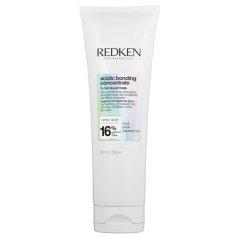
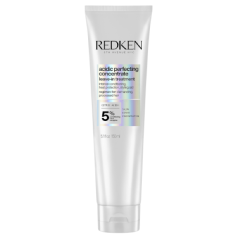
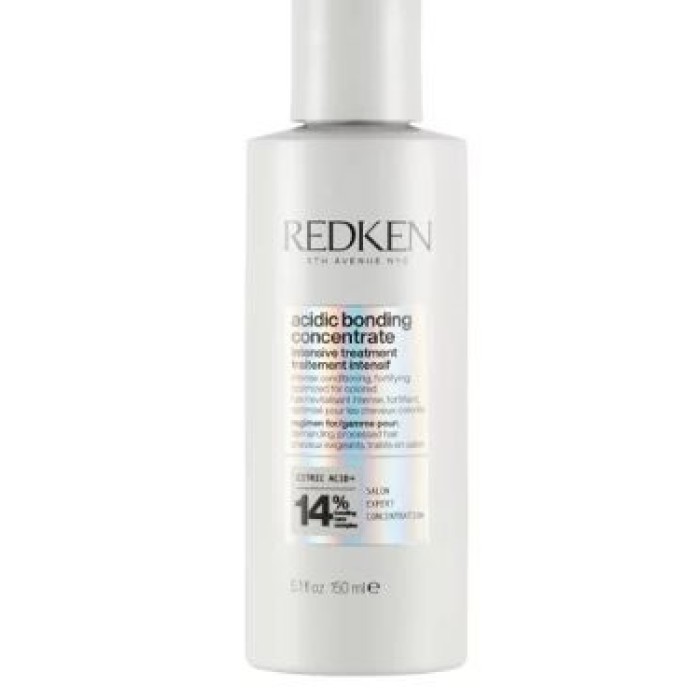
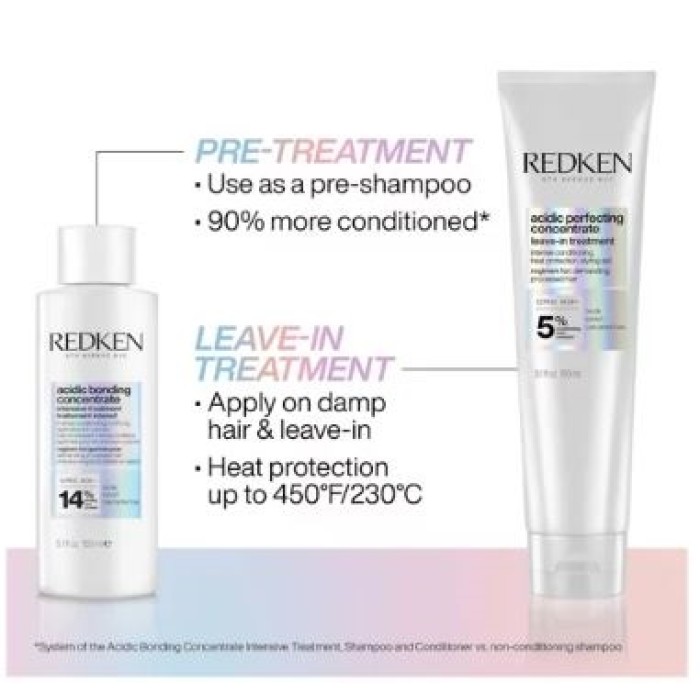
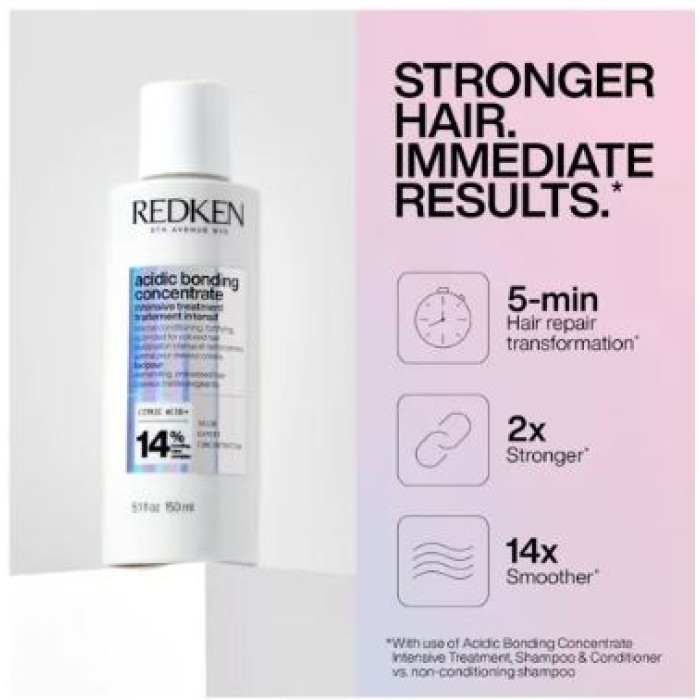
Redken Acidic Bonding Concentrate Intensive Treatment is a pre-shampoo repair treatment that strengthens damaged hair fast.
This rich, milky formula works inside the hair fibre, using an acidic pH and bonding care complex to target weak, over-processed areas before you even shampoo. As you smooth it through, hair feels coated in a light, creamy veil that rinses clean without heaviness.
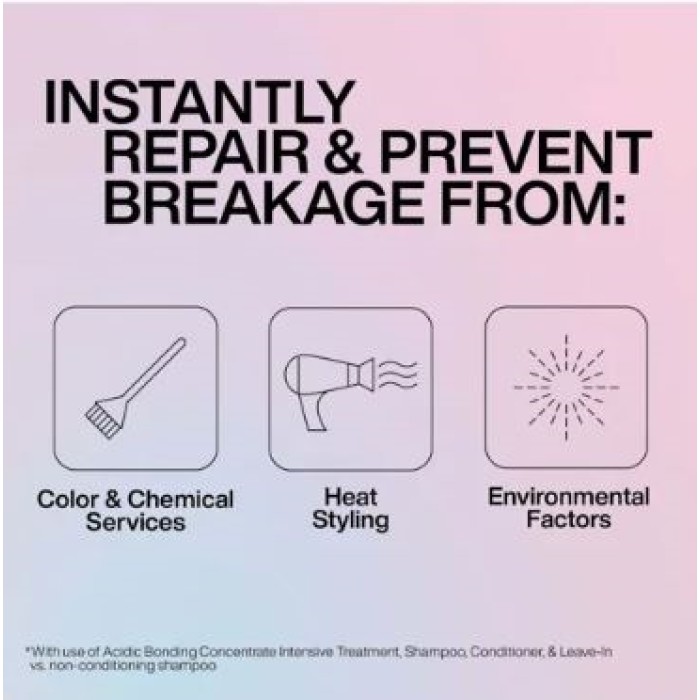
It’s ideal for hair that’s been bleached, coloured, heat-styled or feels rough and brittle from daily stress. Use it when your hair feels especially fragile, dull or prone to breakage.
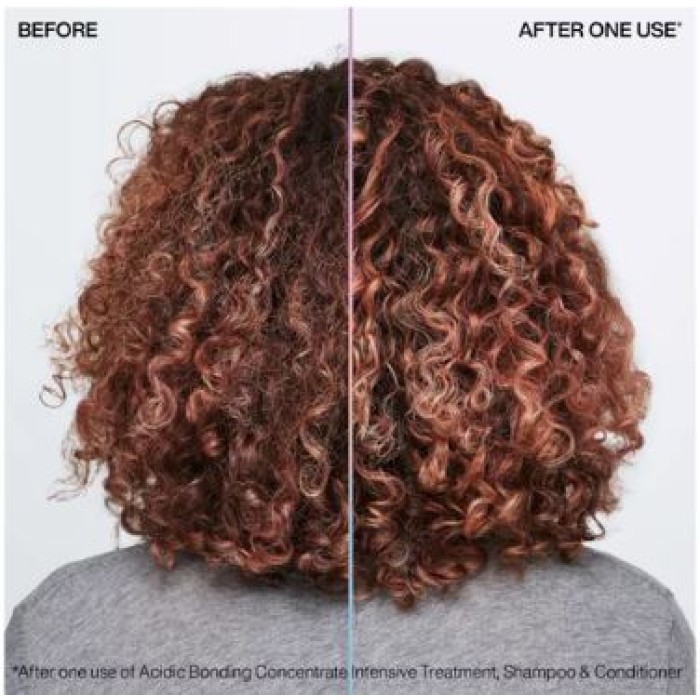
After each use, hair feels softer, easier to detangle and more resilient, with a smoother surface that looks less frazzled and more polished.
How To Use Redken Acidic Bonding Concentrate Intensive Treatment
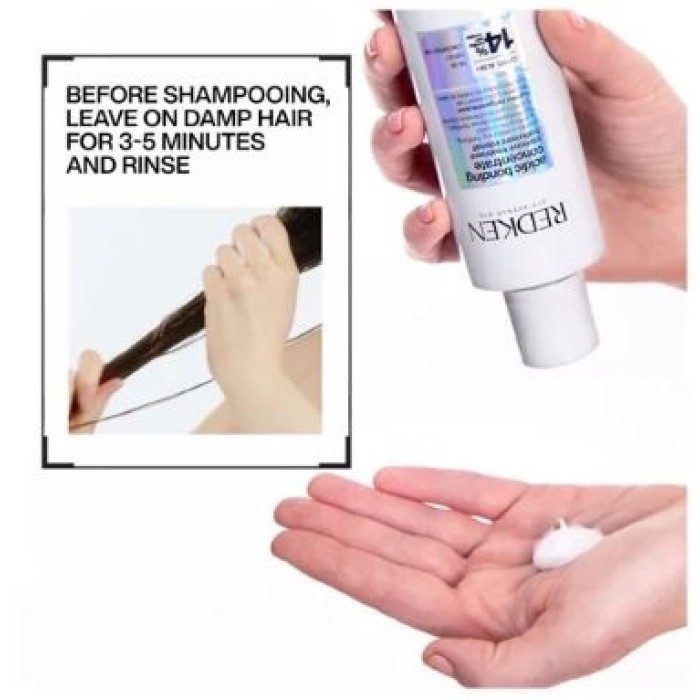
- Apply to wet hair before shampooing
- Squeeze out excess water so hair is damp, not dripping
- Distribute evenly from mid-lengths to ends, add to roots if needed
- Leave on for 5–10 minutes, depending on hair damage
- Rinse thoroughly, then follow with shampoo and conditioner
- Use 1–2 times per week, or before every wash for very damaged hair
Redken Acidic Bonding Concentrate Intensive Treatment Ingredients
Water/Aqua/Eau, Stearyl Alcohol, Behentrimonium Chloride, Cetrimonium Chloride, Cetyl Esters, Parfum/Fragrance, Isopropyl Alcohol, Glycerin, Citric Acid, Lactic Acid, Maleic Acid, Hexadimethrine Chloride, Hydroxyethylcellulose, Phenoxyethanol, Aminomethyl Propanol, Trideceth-6, Benzyl Salicylate, Linalool, Benzyl Alcohol, Hexyl Cinnamal, Citronellol, Limonene.
Note: Please refer to bottle for full ingredients.
-
Stearyl Alcohol Conditioning agentsEmollient and thickener
A fatty alcohol that helps soften the hair and give products a smooth, creamy texture.
May suitPeople looking for conditioners or treatments that provide slip, softness and richer textures.
Worth knowingAlthough called an alcohol, it is a waxy, non‑drying fatty alcohol commonly used to enhance conditioning performance and product stability.
-
Behentrimonium Chloride Conditioning agentsConditioning agent
A conditioning agent that helps detangle and soften, reducing static and roughness.
May suitMost hair types, especially tangle-prone or coarse hair.
Worth knowingA common conditioner ingredient despite the chloride name, which simply describes its chemistry.
-
Cetrimonium Chloride Conditioning agentsConditioning agent
A conditioning agent that helps smooth and soften the hair while reducing static and tangles.
May suitPeople looking for improved manageability, detangling and smoother-feeling hair.
Worth knowingIt is a commonly used quaternary ammonium compound that helps conditioners spread easily through the hair. It is effective even at low levels, which is why it appears frequently in rinse-off products.
-
Cetyl Esters Conditioning agentsEmollient / slip enhancer
Provides slip and softness while helping to smooth the hair’s surface.
May suitPeople looking for smoother, more manageable hair textures.
Worth knowingCetyl esters are wax‑like emollients that improve product spreadability and give a soft, conditioned feel. They are commonly used to enhance texture without heaviness.
-
Isopropyl Alcohol SolventsSolvent
Helps dissolve ingredients and supports quick-drying formulas.
May suitThose using styling products that benefit from fast evaporation, such as sprays.
Worth knowingIt is commonly used at low levels to improve texture and spreadability. It evaporates quickly, leaving minimal residue on the hair.
-
Glycerin HumectantsHumectant
Attracts and holds water to help hair feel hydrated and soft.
May suitDry or dehydrated hair, and many curl and moisture routines.
Worth knowingA very common, well-tolerated humectant used across countless products.
-
Citric Acid pH adjusterspH adjuster
Fine-tunes the product pH, which can help the hair surface feel smooth.
May suitMost hair types as part of a balanced formula.
Worth knowingUsually present in small amounts to balance the formula.
-
Lactic Acid pH adjusterspH adjuster
Helps adjust and maintain the product’s pH for optimal performance.
May suitThose looking for formulas that help smooth the cuticle or gently refine the scalp surface.
Worth knowingLactic Acid can also provide mild hydrating and smoothing benefits in haircare. Its pH-balancing role helps support product stability and performance.
-
Hydroxyethylcellulose Thickeners and stabilisersThickener and stabiliser
A polymer that helps thicken and stabilise haircare formulas.
May suitThose who prefer products with a smooth, uniform texture or need easier application and distribution.
Worth knowingIt is derived from cellulose and is widely used because it provides viscosity without weighing hair down. It also helps improve the feel and spreadability of many water-based products.
-
Phenoxyethanol PreservativesPreservative
Helps keep the product stable and pleasant to use after opening.
May suitAll products that need protecting from spoilage.
Worth knowingA very common, well-studied preservative used at low levels.
-
Aminomethyl Propanol pH adjusterspH adjuster
Helps adjust and stabilise the pH of haircare formulations.
May suitThose interested in how product pH affects hair and scalp feel may find its presence relevant.
Worth knowingIt is commonly used at low levels to help formulas stay effective and consistent. It does not act on the hair directly but supports the overall product performance.
-
Trideceth-6 Cleansers / surfactantsSolubiliser / surfactant
A non-ionic surfactant that helps blend oil-soluble ingredients into water-based formulas.
May suitThose using products with oils or silicones who want them to rinse evenly without residue.
Worth knowingIt is commonly used in shampoos and styling products to support stable, uniform textures. Its mild nature makes it suitable for a wide range of formulations.
-
Benzyl Salicylate Fragrance ingredientsFragrance component
Benzyl Salicylate is a fragrance ingredient used to add a sweet, floral aroma to haircare products.
May suitThose who enjoy subtly floral-scented haircare or are monitoring specific fragrance allergens.
Worth knowingIt is one of the fragrance allergens that must be listed individually on product labels when present above certain levels. Its presence does not indicate product strength or quality, only that it contributes to the overall scent profile.
-
Linalool Fragrance ingredientsFragrance component
A fragrance component found naturally in many flowers and spices.
Worth knowingA fragrance component that must be listed separately on labels because a minority of people can be sensitive to it. Its presence is normal, required disclosure and is not a quality signal.
-
Benzyl Alcohol PreservativesPreservative
Helps preserve formulations and can also act as a solvent or light fragrance component.
May suitThose interested in understanding preservative systems or identifying potential fragrance allergens.
Worth knowingBenzyl Alcohol is commonly used in professional haircare to support product stability and texture. It can also naturally occur in some essential oils.
-
Hexyl Cinnamal Fragrance ingredientsFragrance component
A fragrance ingredient used to give products a light, floral scent.
May suitThose who enjoy subtly scented haircare products.
Worth knowingIt is one of the fragrance components that must be listed separately when present above certain levels. People with known fragrance sensitivities may choose to monitor for it.
-
Citronellol Fragrance ingredientsFragrance component
A fragrance component with a soft floral, rose-like character.
Worth knowingA fragrance component that must be listed separately on labels because a minority of people can be sensitive to it. Its presence is normal, required disclosure and is not a quality signal.
-
Limonene Fragrance ingredientsFragrance component
A fragrance component that also occurs naturally in many citrus and plant oils.
Worth knowingA fragrance component that must be listed separately on labels because a minority of people can be sensitive to it. Its presence is normal, required disclosure and is not a quality signal.