-
Delivery
-
Click & Collect
Free Click and collect is available at checkout. Orders are ready within 1 hour during opening hours. Store Address: 56 Parer Rd, Airport West, VIC Australia 3042 Phone (03) 9999 5902

Valued at $34.95.


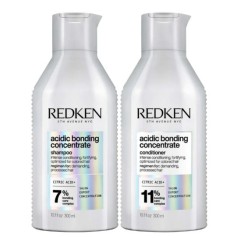
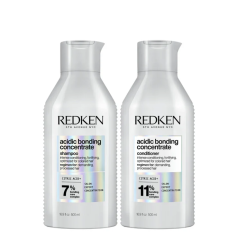
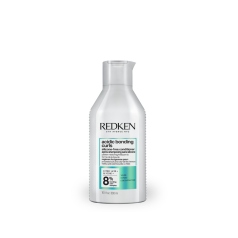
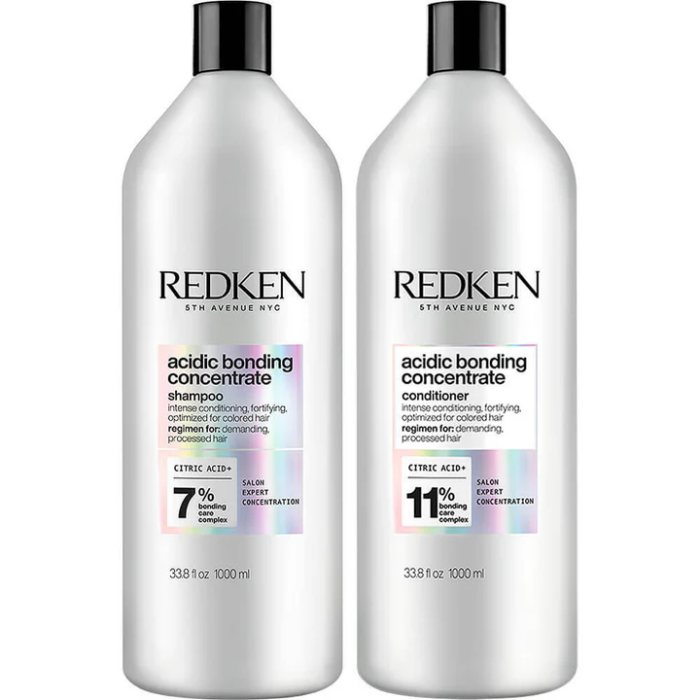
Redken Acidic Bonding Concentrate Shampoo and Conditioner Duo 1 Litre is a professional-strength system designed to repair and strengthen damaged hair.
Powered by Citric Acid and Redken’s Bonding Care Complex, this duo helps reinforce weakened bonds and improve hair resilience.
The Sulphate-Free Shampoo gently cleanses while restoring strength, moisture, and shine. The Conditioner deeply nourishes and smooths, helping reduce breakage and protect against colour fade, heat, and chemical damage. Ideal for all hair types, especially those that are dry, brittle, colour-treated, or bleached, this 1L duo provides intensive care for stronger, healthier-looking hair with every use.
How To Use Redken Acidic Bonding Concentrate Shampoo and Conditioner Duo 1 Litre
• Apply shampoo to wet hair, lather, and rinse
• Follow with conditioner from mid-lengths to ends
• Leave for 1–3 minutes
• Rinse thoroughly
Redken Acidic Bonding Concentrate Shampoo and Conditioner Duo 1 Litre Ingredients
Shampoo:
Aqua / Water, Sodium Cocoyl Isethionate, Sodium Lauroyl Methyl Isethionate, Cocamidopropyl Betaine, Cocamide MIPA, Glycol Distearate, Sodium Methyl 2-Sulfolaurate, Parfum / Fragrance, Sodium Benzoate, Citric Acid, PEG-55 Propylene Glycol Oleate, Sodium Cocoyl Glycinate, Coco-Betaine, Caprylyl Glycol, Polyquaternium-10, Glycerin, Disodium 2-Sulfolaurate, Propylene Glycol, Lactic Acid, Sodium Hydroxide, Hydroxypropyl Guar Hydroxypropyltrimonium Chloride, Salicylic Acid, Hexyl Cinnamal, Limonene, Benzyl Alcohol, Linalool, Citral
Conditioner:
Aqua / Water, Cetearyl Alcohol, Behentrimonium Methosulfate, Cetyl Esters, Parfum / Fragrance, Glycerin, Cetyl Alcohol, Lactic Acid, Trideceth-6, Phenoxyethanol, Caprylyl Glycol, Cocos Nucifera Oil / Coconut Oil, Isopropyl Alcohol, Hydroxyethylcellulose, Citric Acid, Limonene, Hexyl Cinnamal, Linalool, Benzyl Alcohol, Citral
-
Shampoo Base Cleansers / surfactantsCleansing blend
A general term referring to the blend of cleansing agents used to wash the hair and scalp.
May suitAnyone looking for information on how cleansing components contribute to overall shampoo performance.
Worth knowingA shampoo base typically combines surfactants with conditioning and stabilising ingredients to balance cleansing with hair feel. Exact performance depends on the specific surfactants and supporting ingredients used.
-
Aqua SolventsSolvent
The water base that carries and dissolves the other ingredients in most products.
May suitAll hair and skin types.
Worth knowingAlmost always the first ingredient listed in water-based products.
-
Sodium Cocoyl Isethionate Cleansers / surfactantsGentle surfactant
A mild, coconut‑derived surfactant that helps cleanse hair while producing a soft, creamy lather.
May suitPeople looking for gentle, sulphate‑free cleansing that still provides a rich foam.
Worth knowingIt is often used in low‑irritation or moisturising shampoo formulas because it cleanses without feeling overly stripping. Common in solid shampoo bars and creamy cleansers.
-
Sodium Lauroyl Methyl Isethionate Cleansers / surfactantsGentle cleansing surfactant
A mild, sulphate-free surfactant that helps cleanse hair and scalp while creating a soft, creamy lather.
May suitPeople looking for a gentle, low-irritation cleansing option or those using sulphate-free shampoos.
Worth knowingIt is known for being milder than many traditional surfactants and is often used in formulas designed to maintain softness after washing.
-
Cocamidopropyl Betaine Cleansers / surfactantsCleanser / foam booster
A milder co-surfactant that helps cleanse, boost foam and soften the feel of stronger cleansers.
May suitMost hair types, including those wanting a gentler wash.
Worth knowingOften paired with other surfactants to make a formula feel milder.
-
Cocamide MIPA Cleansers / surfactantsFoaming surfactant
A coconut-derived surfactant that helps boost foam and improve the cleansing performance of shampoos.
May suitPeople who like a rich, stable lather in their cleansing products.
Worth knowingIt is often used alongside primary surfactants to enhance texture and mildness. Its viscosity‑boosting effect can also improve the feel of rinse‑off formulas.
-
Glycol Distearate Thickeners and stabilisersOpacifier and pearlising agent
Adds a pearlescent look and helps thicken and stabilise shampoos and conditioners.
May suitThose who like creamy, luxurious-feeling shampoo or conditioner textures.
Worth knowingIt also provides a mild conditioning feel, helping formulas spread smoothly through the hair. Its use is common in many everyday cleansing products.
-
Sodium Methyl 2-Sulfolaurate Cleansers / surfactantsMild cleansing surfactant
A gentle anionic surfactant that helps cleanse the hair and scalp.
May suitThose looking for effective yet mild cleansing, including users of everyday shampoos or sensitive-scalp formulas.
Worth knowingIt is often used alongside other surfactants to create a balanced, creamy lather. Its mildness makes it popular in modern sulphate-alternative cleansing systems.
-
Sodium Benzoate PreservativesPreservative
Helps protect water-based products from spoilage so they stay usable.
May suitAll products that need a preservative system.
Worth knowingOften paired with other preservatives for broad protection.
-
Citric Acid pH adjusterspH adjuster
Fine-tunes the product pH, which can help the hair surface feel smooth.
May suitMost hair types as part of a balanced formula.
Worth knowingUsually present in small amounts to balance the formula.
-
PEG-55 Propylene Glycol Oleate Cleansers / surfactantsSolubiliser / mild surfactant
Helps solubilise oils and distribute ingredients evenly in haircare formulas.
May suitThose using products that blend oils with water-based formulas, such as lightweight cleansers or treatment sprays.
Worth knowingIt is often used to help create stable, uniform textures and to support gentle cleansing or dispersion of conditioning oils. Its PEG content also helps products rinse easily.
-
Coco-Betaine Cleansers / surfactantsMild surfactant
A mild, coconut-derived surfactant that helps cleanse and create a soft lather.
May suitPeople looking for gentle cleansing that doesn't feel stripping.
Worth knowingIt is often used alongside other surfactants to improve foam quality and overall mildness. Common in shampoos designed for frequent use.
-
Caprylyl Glycol HumectantsHumectant
Helps attract and hold moisture in hair and scalp while supporting product stability.
May suitThose looking for added hydration or smoother-feeling hair.
Worth knowingIt is also commonly used as a preservative booster to help maintain formula freshness. It is well tolerated in most haircare products.
-
Polyquaternium-10 Conditioning agentsConditioning agent
A conditioning polymer that smooths the hair surface and helps with detangling and feel.
May suitMost hair types wanting smoother, easier-to-manage hair.
Worth knowingWidely used in shampoos and conditioners for slip and softness.
-
Glycerin HumectantsHumectant
Attracts and holds water to help hair feel hydrated and soft.
May suitDry or dehydrated hair, and many curl and moisture routines.
Worth knowingA very common, well-tolerated humectant used across countless products.
-
Disodium Sulfolaurate Cleansers / surfactantsMild cleansing agent
A gentle surfactant that helps cleanse hair and remove buildup.
May suitThose looking for a milder alternative to stronger cleansing agents.
Worth knowingSulfolaurates are known for producing a soft, creamy lather and are often used in gentle or frequent-wash formulas. They can help balance effective cleansing with a comfortable feel on the hair and scalp.
-
Propylene Glycol HumectantsHumectant
Helps hold moisture and carry other ingredients through the formula.
May suitMost hair types as part of a moisturising formula.
Worth knowingA widely used humectant and carrier ingredient.
-
Lactic Acid pH adjusterspH adjuster
Helps adjust and maintain the product’s pH for optimal performance.
May suitThose looking for formulas that help smooth the cuticle or gently refine the scalp surface.
Worth knowingLactic Acid can also provide mild hydrating and smoothing benefits in haircare. Its pH-balancing role helps support product stability and performance.
-
Sodium Hydroxide pH adjusterspH adjuster
Helps control and stabilise the pH of haircare formulations.
May suitThose interested in how product pH affects scalp comfort or hair cuticle behaviour.
Worth knowingIt is used in very small amounts to bring a formula to the desired pH range. Once adjusted, it does not act as a strong alkaline agent in the finished product.
-
Hydroxypropyl Guar Hydroxypropyltrimonium Chloride Conditioning agentsConditioning polymer
A cationic guar-derived polymer that conditions, softens and helps reduce static in the hair.
May suitPeople looking for smoother, easier-to-detangle hair, including those with dry, damaged or textured hair.
Worth knowingIt is commonly used in shampoos and conditioners to improve slip and manageability without adding heaviness. Its cationic nature helps it adhere lightly to the hair surface for a conditioning effect.
-
Salicylic Acid Exfoliating acidsScalp exfoliant
Helps dissolve dead skin buildup on the scalp and supports a clearer, fresher surface.
May suitPeople dealing with flaky scalps, congestion or product buildup.
Worth knowingIt is widely used in scalp-care formulas because it breaks down excess oils and debris without needing physical scrubbing. Often found in dandruff-control products.
-
Hexyl Cinnamal Fragrance ingredientsFragrance component
A fragrance ingredient used to give products a light, floral scent.
May suitThose who enjoy subtly scented haircare products.
Worth knowingIt is one of the fragrance components that must be listed separately when present above certain levels. People with known fragrance sensitivities may choose to monitor for it.
-
Limonene Fragrance ingredientsFragrance component
A fragrance component that also occurs naturally in many citrus and plant oils.
Worth knowingA fragrance component that must be listed separately on labels because a minority of people can be sensitive to it. Its presence is normal, required disclosure and is not a quality signal.
-
Benzyl Alcohol PreservativesPreservative
Helps preserve formulations and can also act as a solvent or light fragrance component.
May suitThose interested in understanding preservative systems or identifying potential fragrance allergens.
Worth knowingBenzyl Alcohol is commonly used in professional haircare to support product stability and texture. It can also naturally occur in some essential oils.
-
Linalool Fragrance ingredientsFragrance component
A fragrance component found naturally in many flowers and spices.
Worth knowingA fragrance component that must be listed separately on labels because a minority of people can be sensitive to it. Its presence is normal, required disclosure and is not a quality signal.
-
Citral Fragrance ingredientsFragrance component
Citral is a fragrance ingredient used to provide a fresh, citrus-like scent.
May suitThose who enjoy citrus-style fragrances or want products with a fresh aromatic profile.
Worth knowingCitral is naturally present in several essential oils and is listed on labels because it is a recognised fragrance allergen. Only small amounts are typically used to adjust or enhance a product’s scent.
-
Hair Conditioning Agent Conditioning agentsConditioning agent
Helps soften and smooth hair, improving manageability.
May suitPeople looking for reduced tangling, added smoothness or easier styling.
Worth knowingThis is a general label term and can refer to various ingredients that enhance the feel and appearance of hair. Specific performance depends on the individual conditioning agents used in a formula.
-
Aqua SolventsSolvent
The water base that carries and dissolves the other ingredients in most products.
May suitAll hair and skin types.
Worth knowingAlmost always the first ingredient listed in water-based products.
-
Cetearyl Alcohol Conditioning agentsFatty alcohol conditioner
A fatty alcohol that helps soften hair and improve the texture of formulations.
May suitPeople looking for smoother, more manageable hair or richer, creamier product textures.
Worth knowingDespite the name, fatty alcohols are moisturising and conditioning rather than drying. They also help stabilise and thicken many haircare formulas.
-
Behentrimonium Methosulfate Conditioning agentsConditioning agent
A cationic conditioning ingredient that helps soften and detangle hair.
May suitPeople looking for smoother, easier-to-comb hair, especially in conditioners and leave-in products.
Worth knowingDespite the name, it is not a strong sulphate cleanser but a gentle, oil-loving conditioning compound derived from fatty alcohols.
-
Cetyl Esters Conditioning agentsEmollient / slip enhancer
Provides slip and softness while helping to smooth the hair’s surface.
May suitPeople looking for smoother, more manageable hair textures.
Worth knowingCetyl esters are wax‑like emollients that improve product spreadability and give a soft, conditioned feel. They are commonly used to enhance texture without heaviness.
-
Glycerin HumectantsHumectant
Attracts and holds water to help hair feel hydrated and soft.
May suitDry or dehydrated hair, and many curl and moisture routines.
Worth knowingA very common, well-tolerated humectant used across countless products.
-
Cetyl Alcohol Conditioning agentsEmollient and texture enhancer
Cetyl Alcohol helps soften the hair and gives products a smooth, creamy texture.
May suitThose looking for conditioning, slip, or richer textures in their haircare products.
Worth knowingDespite the name, fatty alcohols like cetyl alcohol are non‑drying and are commonly used to add emollience and stability to formulations.
-
Lactic Acid pH adjusterspH adjuster
Helps adjust and maintain the product’s pH for optimal performance.
May suitThose looking for formulas that help smooth the cuticle or gently refine the scalp surface.
Worth knowingLactic Acid can also provide mild hydrating and smoothing benefits in haircare. Its pH-balancing role helps support product stability and performance.
-
Trideceth-6 Cleansers / surfactantsSolubiliser / surfactant
A non-ionic surfactant that helps blend oil-soluble ingredients into water-based formulas.
May suitThose using products with oils or silicones who want them to rinse evenly without residue.
Worth knowingIt is commonly used in shampoos and styling products to support stable, uniform textures. Its mild nature makes it suitable for a wide range of formulations.
-
Phenoxyethanol PreservativesPreservative
Helps keep the product stable and pleasant to use after opening.
May suitAll products that need protecting from spoilage.
Worth knowingA very common, well-studied preservative used at low levels.
-
Caprylyl Glycol HumectantsHumectant
Helps attract and hold moisture in hair and scalp while supporting product stability.
May suitThose looking for added hydration or smoother-feeling hair.
Worth knowingIt is also commonly used as a preservative booster to help maintain formula freshness. It is well tolerated in most haircare products.
-
Isopropyl Alcohol SolventsSolvent
Helps dissolve ingredients and supports quick-drying formulas.
May suitThose using styling products that benefit from fast evaporation, such as sprays.
Worth knowingIt is commonly used at low levels to improve texture and spreadability. It evaporates quickly, leaving minimal residue on the hair.
-
Hydroxyethylcellulose Thickeners and stabilisersThickener and stabiliser
A polymer that helps thicken and stabilise haircare formulas.
May suitThose who prefer products with a smooth, uniform texture or need easier application and distribution.
Worth knowingIt is derived from cellulose and is widely used because it provides viscosity without weighing hair down. It also helps improve the feel and spreadability of many water-based products.
-
Citric Acid pH adjusterspH adjuster
Fine-tunes the product pH, which can help the hair surface feel smooth.
May suitMost hair types as part of a balanced formula.
Worth knowingUsually present in small amounts to balance the formula.
-
Limonene Fragrance ingredientsFragrance component
A fragrance component that also occurs naturally in many citrus and plant oils.
Worth knowingA fragrance component that must be listed separately on labels because a minority of people can be sensitive to it. Its presence is normal, required disclosure and is not a quality signal.
-
Hexyl Cinnamal Fragrance ingredientsFragrance component
A fragrance ingredient used to give products a light, floral scent.
May suitThose who enjoy subtly scented haircare products.
Worth knowingIt is one of the fragrance components that must be listed separately when present above certain levels. People with known fragrance sensitivities may choose to monitor for it.
-
Linalool Fragrance ingredientsFragrance component
A fragrance component found naturally in many flowers and spices.
Worth knowingA fragrance component that must be listed separately on labels because a minority of people can be sensitive to it. Its presence is normal, required disclosure and is not a quality signal.
-
Benzyl Alcohol PreservativesPreservative
Helps preserve formulations and can also act as a solvent or light fragrance component.
May suitThose interested in understanding preservative systems or identifying potential fragrance allergens.
Worth knowingBenzyl Alcohol is commonly used in professional haircare to support product stability and texture. It can also naturally occur in some essential oils.
-
Citral Fragrance ingredientsFragrance component
Citral is a fragrance ingredient used to provide a fresh, citrus-like scent.
May suitThose who enjoy citrus-style fragrances or want products with a fresh aromatic profile.
Worth knowingCitral is naturally present in several essential oils and is listed on labels because it is a recognised fragrance allergen. Only small amounts are typically used to adjust or enhance a product’s scent.