Free Click and collect is available at checkout. Orders are ready within 1 hour during opening hours. Store Address: 56 Parer Rd, Airport West, VIC Australia 3042 Phone (03) 9999 5902
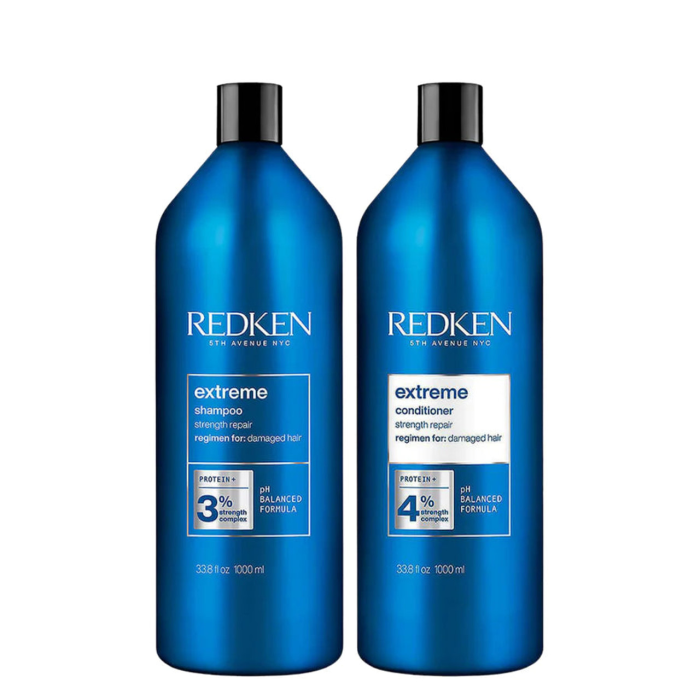
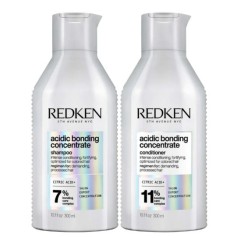
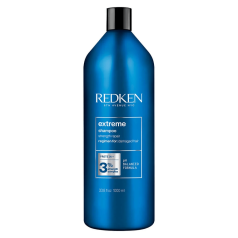
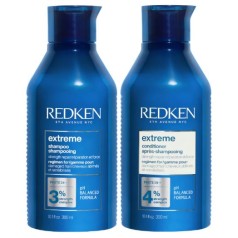
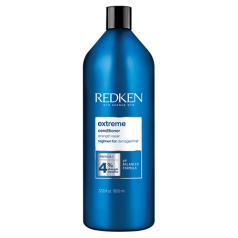
Redken Extreme Shampoo and Conditioner Duo 1 Litre is a strengthening system designed to fortify and protect damaged, weakened hair.
Formulated with Redken's Strength Complex and protein-rich ingredients, it helps reduce breakage and build internal strength.
The Extreme Shampoo gently cleanses while reinforcing the hair cuticle with proteins and amino acids. The Conditioner restores moisture, detangles, and improves hair resilience without weighing it down. Ideal for damaged, brittle, or chemically treated hair, this salon-size duo leaves strands feeling stronger, smoother, and healthier over time. Safe for colour-treated hair.
Read more
Ingredients
Redken Extreme Shampoo and Conditioner Duo 1 Litre Ingredients
A general term referring to the blend of cleansing agents used to wash the hair and scalp.
May suit
Anyone looking for information on how cleansing components contribute to overall shampoo performance.
Worth knowing
A shampoo base typically combines surfactants with conditioning and stabilising ingredients to balance cleansing with hair feel. Exact performance depends on the specific surfactants and supporting ingredients used.
Sodium Laureth SulfateCleansers / surfactants
Cleanser
Helps cleanse the hair and scalp by removing oil, sweat and product build-up.
May suit
Oily scalps, heavy product users and people who like a strong cleanse.
Worth knowing
May feel too cleansing for some dry, curly, colour-treated or sensitive hair types. This depends on the full formula and your hair needs.
A gentle amphoteric surfactant used to cleanse while helping to reduce the harshness of stronger cleansers.
May suit
Those looking for mild, low-irritation cleansing in shampoos or co-washes.
Worth knowing
It is often combined with other surfactants to create a balanced, gentle lather. Its amphoteric nature helps support mildness in sulphate-free formulas.
Coco-BetaineCleansers / surfactants
Mild surfactant
A mild, coconut-derived surfactant that helps cleanse and create a soft lather.
May suit
People looking for gentle cleansing that doesn't feel stripping.
Worth knowing
It is often used alongside other surfactants to improve foam quality and overall mildness. Common in shampoos designed for frequent use.
Glycol DistearateThickeners and stabilisers
Opacifier and pearlising agent
Adds a pearlescent look and helps thicken and stabilise shampoos and conditioners.
May suit
Those who like creamy, luxurious-feeling shampoo or conditioner textures.
Worth knowing
It also provides a mild conditioning feel, helping formulas spread smoothly through the hair. Its use is common in many everyday cleansing products.
GlycerinHumectants
Humectant
Attracts and holds water to help hair feel hydrated and soft.
May suit
Dry or dehydrated hair, and many curl and moisture routines.
Worth knowing
A very common, well-tolerated humectant used across countless products.
Cocamide MIPACleansers / surfactants
Foaming surfactant
A coconut-derived surfactant that helps boost foam and improve the cleansing performance of shampoos.
May suit
People who like a rich, stable lather in their cleansing products.
Worth knowing
It is often used alongside primary surfactants to enhance texture and mildness. Its viscosity‑boosting effect can also improve the feel of rinse‑off formulas.
Sodium ChlorideThickeners and stabilisers
Viscosity adjuster
Sodium Chloride is used to adjust the thickness of shampoos and other cleansing formulas.
May suit
Those interested in how a product’s texture and lather are achieved.
Worth knowing
It is a simple mineral salt that helps create a familiar shampoo feel and can influence how a cleanser spreads through the hair.
Hydrolyzed Vegetable Protein PG-Propyl SilanetriolConditioning agents
Strengthening conditioner
A protein-derived ingredient that helps condition and reinforce the hair fibre.
May suit
People looking to improve hair strength, smoothness or resistance to breakage.
Worth knowing
It forms a lightweight film on the hair to boost softness and resilience without heavy build-up. Often used in strengthening and smoothing formulas.
ArginineProteins and amino acids
Amino acid
An amino acid used to support hair strength and maintain moisture balance.
May suit
Those looking for formulas that help with hair resilience or hydration.
Worth knowing
Arginine is naturally present in the hair’s keratin structure and is commonly added to strengthening or repairing products. It is also used in some formulations to help support scalp comfort.
Glutamic AcidProteins and amino acids
Amino acid conditioning agent
An amino acid used to help condition hair and support moisture balance.
May suit
People looking for formulas that help smooth and soften hair without heaviness.
Worth knowing
Amino acids like glutamic acid can support the hair’s natural structure and improve the feel of conditioners and treatments. They are commonly used in both rinse-off and leave-in products.
Citric AcidpH adjusters
pH adjuster
Fine-tunes the product pH, which can help the hair surface feel smooth.
May suit
Most hair types as part of a balanced formula.
Worth knowing
Usually present in small amounts to balance the formula.
Sodium HydroxidepH adjusters
pH adjuster
Helps control and stabilise the pH of haircare formulations.
May suit
Those interested in how product pH affects scalp comfort or hair cuticle behaviour.
Worth knowing
It is used in very small amounts to bring a formula to the desired pH range. Once adjusted, it does not act as a strong alkaline agent in the finished product.
Polyquaternium-10Conditioning agents
Conditioning agent
A conditioning polymer that smooths the hair surface and helps with detangling and feel.
May suit
Most hair types wanting smoother, easier-to-manage hair.
Worth knowing
Widely used in shampoos and conditioners for slip and softness.
A conditioning polymer that helps smooth hair and improve slip.
May suit
Those looking for softer, easier-to-detangle hair.
Worth knowing
It is derived from guar gum and is commonly used to enhance conditioning in shampoos and conditioners. It can also reduce static and improve manageability.
Salicylic AcidExfoliating acids
Scalp exfoliant
Helps dissolve dead skin buildup on the scalp and supports a clearer, fresher surface.
May suit
People dealing with flaky scalps, congestion or product buildup.
Worth knowing
It is widely used in scalp-care formulas because it breaks down excess oils and debris without needing physical scrubbing. Often found in dandruff-control products.
Hexyl CinnamalFragrance ingredients
Fragrance component
A fragrance ingredient used to give products a light, floral scent.
May suit
Those who enjoy subtly scented haircare products.
Worth knowing
It is one of the fragrance components that must be listed separately when present above certain levels. People with known fragrance sensitivities may choose to monitor for it.
LimoneneFragrance ingredients
Fragrance component
A fragrance component that also occurs naturally in many citrus and plant oils.
Worth knowing
A fragrance component that must be listed separately on labels because a minority of people can be sensitive to it. Its presence is normal, required disclosure and is not a quality signal.
LinaloolFragrance ingredients
Fragrance component
A fragrance component found naturally in many flowers and spices.
Worth knowing
A fragrance component that must be listed separately on labels because a minority of people can be sensitive to it. Its presence is normal, required disclosure and is not a quality signal.
Benzyl AlcoholPreservatives
Preservative
Helps preserve formulations and can also act as a solvent or light fragrance component.
May suit
Those interested in understanding preservative systems or identifying potential fragrance allergens.
Worth knowing
Benzyl Alcohol is commonly used in professional haircare to support product stability and texture. It can also naturally occur in some essential oils.
Sodium BenzoatePreservatives
Preservative
Helps protect water-based products from spoilage so they stay usable.
May suit
All products that need a preservative system.
Worth knowing
Often paired with other preservatives for broad protection.
Hair Conditioning AgentConditioning agents
Conditioning agent
Helps soften and smooth hair, improving manageability.
May suit
People looking for reduced tangling, added smoothness or easier styling.
Worth knowing
This is a general label term and can refer to various ingredients that enhance the feel and appearance of hair. Specific performance depends on the individual conditioning agents used in a formula.
Cetearyl AlcoholConditioning agents
Fatty alcohol conditioner
A fatty alcohol that helps soften hair and improve the texture of formulations.
May suit
People looking for smoother, more manageable hair or richer, creamier product textures.
Worth knowing
Despite the name, fatty alcohols are moisturising and conditioning rather than drying. They also help stabilise and thicken many haircare formulas.
Behentrimonium ChlorideConditioning agents
Conditioning agent
A conditioning agent that helps detangle and soften, reducing static and roughness.
May suit
Most hair types, especially tangle-prone or coarse hair.
Worth knowing
A common conditioner ingredient despite the chloride name, which simply describes its chemistry.
Cetyl EstersConditioning agents
Emollient / slip enhancer
Provides slip and softness while helping to smooth the hair’s surface.
May suit
People looking for smoother, more manageable hair textures.
Worth knowing
Cetyl esters are wax‑like emollients that improve product spreadability and give a soft, conditioned feel. They are commonly used to enhance texture without heaviness.
Hydrolyzed Vegetable Protein PG-Propyl SilanetriolConditioning agents
Strengthening conditioner
A protein-derived ingredient that helps condition and reinforce the hair fibre.
May suit
People looking to improve hair strength, smoothness or resistance to breakage.
Worth knowing
It forms a lightweight film on the hair to boost softness and resilience without heavy build-up. Often used in strengthening and smoothing formulas.
ArginineProteins and amino acids
Amino acid
An amino acid used to support hair strength and maintain moisture balance.
May suit
Those looking for formulas that help with hair resilience or hydration.
Worth knowing
Arginine is naturally present in the hair’s keratin structure and is commonly added to strengthening or repairing products. It is also used in some formulations to help support scalp comfort.
Glutamic AcidProteins and amino acids
Amino acid conditioning agent
An amino acid used to help condition hair and support moisture balance.
May suit
People looking for formulas that help smooth and soften hair without heaviness.
Worth knowing
Amino acids like glutamic acid can support the hair’s natural structure and improve the feel of conditioners and treatments. They are commonly used in both rinse-off and leave-in products.
Citric AcidpH adjusters
pH adjuster
Fine-tunes the product pH, which can help the hair surface feel smooth.
May suit
Most hair types as part of a balanced formula.
Worth knowing
Usually present in small amounts to balance the formula.
Isopropyl AlcoholSolvents
Solvent
Helps dissolve ingredients and supports quick-drying formulas.
May suit
Those using styling products that benefit from fast evaporation, such as sprays.
Worth knowing
It is commonly used at low levels to improve texture and spreadability. It evaporates quickly, leaving minimal residue on the hair.
Sodium HydroxidepH adjusters
pH adjuster
Helps control and stabilise the pH of haircare formulations.
May suit
Those interested in how product pH affects scalp comfort or hair cuticle behaviour.
Worth knowing
It is used in very small amounts to bring a formula to the desired pH range. Once adjusted, it does not act as a strong alkaline agent in the finished product.
GlycerinHumectants
Humectant
Attracts and holds water to help hair feel hydrated and soft.
May suit
Dry or dehydrated hair, and many curl and moisture routines.
Worth knowing
A very common, well-tolerated humectant used across countless products.
LimoneneFragrance ingredients
Fragrance component
A fragrance component that also occurs naturally in many citrus and plant oils.
Worth knowing
A fragrance component that must be listed separately on labels because a minority of people can be sensitive to it. Its presence is normal, required disclosure and is not a quality signal.
LinaloolFragrance ingredients
Fragrance component
A fragrance component found naturally in many flowers and spices.
Worth knowing
A fragrance component that must be listed separately on labels because a minority of people can be sensitive to it. Its presence is normal, required disclosure and is not a quality signal.
Hexyl CinnamalFragrance ingredients
Fragrance component
A fragrance ingredient used to give products a light, floral scent.
May suit
Those who enjoy subtly scented haircare products.
Worth knowing
It is one of the fragrance components that must be listed separately when present above certain levels. People with known fragrance sensitivities may choose to monitor for it.
Benzyl AlcoholPreservatives
Preservative
Helps preserve formulations and can also act as a solvent or light fragrance component.
May suit
Those interested in understanding preservative systems or identifying potential fragrance allergens.
Worth knowing
Benzyl Alcohol is commonly used in professional haircare to support product stability and texture. It can also naturally occur in some essential oils.
Salicylic AcidExfoliating acids
Scalp exfoliant
Helps dissolve dead skin buildup on the scalp and supports a clearer, fresher surface.
May suit
People dealing with flaky scalps, congestion or product buildup.
Worth knowing
It is widely used in scalp-care formulas because it breaks down excess oils and debris without needing physical scrubbing. Often found in dandruff-control products.