-
Delivery
-
Click & Collect
Free Click and collect is available at checkout. Orders are ready within 1 hour during opening hours. Store Address: 56 Parer Rd, Airport West, VIC Australia 3042 Phone (03) 9999 5902
Valued at $13!
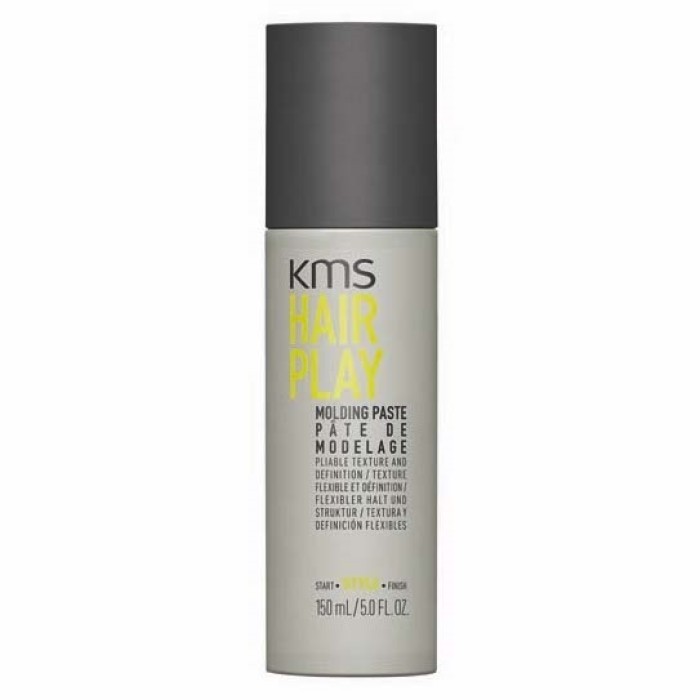
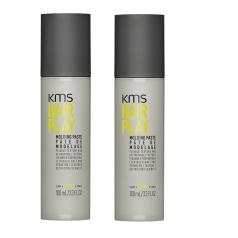
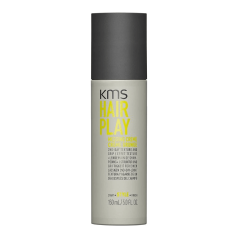
KMS Hair Play Moulding Paste is a flexible styling paste that shapes hair with natural-looking texture.
This workable formula helps you build definition, control frizz, and add gentle volume without making hair feel stiff. It spreads smoothly through the hair, with a creamy, slightly waxy texture that feels light in your hands.
Hair looks matte, piecey, and touchable, not shiny or crunchy. A soft, salon-fresh scent lingers subtly without overpowering your senses.
Ideal for short to medium lengths, layered cuts, and styles that need separation or lived-in definition. Use it in the morning on dry or slightly damp hair, then restyle with your fingers during the day.
The result is hair that feels controlled yet free to move, with effortless, pliable hold.
How To Use KMS Hair Play Molding Paste
- Work a small amount between your palms to warm the paste.
- Apply to dry or slightly damp hair from mid-lengths to ends.
- Twist, scrunch, or smooth sections to create texture and definition.
- Add more product gradually for stronger hold or extra separation.
- Restyle with your fingers anytime without needing more paste.
KMS Hair Play Molding Paste Ingredients
Water (Aqua, Eau), Bis-Diglyceryl Polyacyladipate-2, Hydrogenated Castor Oil, Lanolin Wax (Lanolin Cera), Cetearyl Alcohol, Dicaprylyl Ether, VP/VA Copolymer, Propylene Glycol, Glycerin, Ceteth-20 Phosphate, Dicetyl Phosphate, Ozokerite, PEG-75 Lanolin, PEG-7 Glyceryl Cocoate, Aminomethyl Propanol, C11-15 Pareth-40, C13-14 Isoparaffin, Laureth-7, Polyacrylamide, Trideceth-12, Tetrasodium EDTA, Benzophenone-4, Limonene, Linalool, Benzyl Alcohol, Hexyl Cinnamal, Citronellol, Parfum (Fragrance), Phenoxyethanol, Methylparaben, Ethylparaben, Propylparaben, Butylparaben.
Note: Please refer to bottle for full ingredients.
-
Aqua SolventsSolvent
The water base that carries and dissolves the other ingredients in most products.
May suitAll hair and skin types.
Worth knowingAlmost always the first ingredient listed in water-based products.
-
Bis-Diglyceryl Polyacyladipate-2 Conditioning agentsEmollient conditioning agent
A rich emollient that helps soften and condition the hair while improving product texture.
May suitThose looking for smoother-feeling hair or richer, more conditioning formulas.
Worth knowingIt is often used as a plant-derived alternative to lanolin-type emollients and contributes to a creamy, stable texture in formulas.
-
Hydrogenated Castor Oil Oils and buttersEmollient and texture enhancer
Helps condition the hair and improve the texture and stability of a formula.
May suitThose seeking smoother-feeling hair or richer, more conditioning textures.
Worth knowingIt is a solid, stabilised form of castor oil that offers slip and softness without feeling greasy. It is commonly used in both styling products and conditioners.
-
Lanolin Conditioning agentsEmollient conditioning agent
Lanolin helps soften and condition hair by forming a protective, moisturising film.
May suitThose with very dry, coarse or textured hair that benefits from richer conditioning.
Worth knowingLanolin is derived from wool wax and is valued for its ability to boost softness and shine. It can feel rich, so it is typically used in small amounts in modern formulas.
-
Cetearyl Alcohol Conditioning agentsFatty alcohol conditioner
A fatty alcohol that helps soften hair and improve the texture of formulations.
May suitPeople looking for smoother, more manageable hair or richer, creamier product textures.
Worth knowingDespite the name, fatty alcohols are moisturising and conditioning rather than drying. They also help stabilise and thicken many haircare formulas.
-
Dicaprylyl Ether SolventsLightweight emollient solvent
A lightweight, fast-spreading emollient that helps improve slip and texture in hair products.
May suitAnyone who prefers products that feel smooth and non-greasy on the hair and scalp.
Worth knowingIt is commonly used to enhance spreadability and support a light, silky finish in leave-in and rinse-off formulas.
-
VP/VA Copolymer Thickeners and stabilisersFilm-forming styling polymer
A film-forming polymer that helps provide hold, texture and style retention.
May suitPeople looking for longer-lasting hold or improved definition in styling products.
Worth knowingIt is widely used in gels, mousses and sprays because it creates flexible, brushable hold. It can also help reduce frizz by forming a lightweight coating on the hair.
-
Propylene Glycol HumectantsHumectant
Helps hold moisture and carry other ingredients through the formula.
May suitMost hair types as part of a moisturising formula.
Worth knowingA widely used humectant and carrier ingredient.
-
Glycerin HumectantsHumectant
Attracts and holds water to help hair feel hydrated and soft.
May suitDry or dehydrated hair, and many curl and moisture routines.
Worth knowingA very common, well-tolerated humectant used across countless products.
-
Dicetyl Phosphate Conditioning agentsEmulsifier and conditioning agent
An anionic emulsifier and conditioning ingredient used to help blend oils and water while giving hair and formulations a soft, slippy feel.
May suitPeople with dry, frizzy or tangled hair; formulators seeking stable, creamy emulsions and conditioning performance.
Worth knowingDicetyl Phosphate helps stabilise oil‑in‑water systems and contributes lubricity and detangling benefits in conditioners and creams. As an anionic phosphate ester it is often neutralised (made into a salt) in formulations and can interact with strongly cationic ingredients, so formulators balance its use accordingly.
Good to knowChemically, dicetyl phosphate is a phosphate ester of cetyl (C16) alcohols and behaves as an anionic surfactant/emulsifier. It is typically used at low to moderate levels in rinse-off and leave-on products to improve texture, emulsification and conditioning. It is compatible with many emollients and thickeners but formulators watch for interactions with cationic polymers or quaternary conditioners which can reduce efficacy or cause precipitation. Sources may be synthetic or derived from fatty alcohols of plant or animal origin depending on supplier.
-
Ozokerite Thickeners and stabilisersThickener and texture enhancer
Ozokerite is a mineral wax used to thicken formulations and improve texture and stability.
May suitThose who prefer styling or conditioning products with a richer, more structured feel.
Worth knowingIt helps products maintain shape and consistency, particularly in waxes, balms and pomades. It can also support hold in styling formulas without feeling overly greasy.
-
PEG-75 Lanolin Conditioning agentsMoisturising conditioner
A water‑soluble lanolin derivative that helps condition and soften the hair.
May suitUseful for dry, coarse or chemically processed hair needing extra softness and moisture retention.
Worth knowingIts PEG modification makes it easier to incorporate into water‑based formulas while still offering lanolin-like conditioning benefits. It also helps improve spreadability and texture in hair products.
-
PEG-7 Glyceryl Cocoate Cleansers / surfactantsMild surfactant and emollient
A gentle, non-ionic surfactant that also adds light softness and slip to hair.
May suitThose looking for mild cleansing with a smoother, less stripped feel.
Worth knowingIt is often included to make cleansing formulas feel more conditioning and to help solubilise oils or fragrances. It pairs well with stronger surfactants to create a more balanced wash.
-
Aminomethyl Propanol pH adjusterspH adjuster
Helps adjust and stabilise the pH of haircare formulations.
May suitThose interested in how product pH affects hair and scalp feel may find its presence relevant.
Worth knowingIt is commonly used at low levels to help formulas stay effective and consistent. It does not act on the hair directly but supports the overall product performance.
-
C13-14 Isoparaffin SolventsLightweight emollient and solvent
Helps dissolve other ingredients and gives products a smooth, light texture.
May suitThose who prefer lightweight, non-greasy formulas that spread easily.
Worth knowingIt is commonly used to improve slip and reduce greasiness in creams, serums and hair products. It can also support the even distribution of styling or conditioning ingredients.
-
Laureth-7 Cleansers / surfactantsNon-ionic surfactant
A non-ionic surfactant that helps cleanse and improve the spreadability of haircare formulas.
May suitThose wanting gentle cleansing or smoother-feeling product textures.
Worth knowingIt is often used to solubilise oils and support mild cleansing without a foaming feel. Its non-ionic nature makes it compatible with many other ingredients.
-
Polyacrylamide Thickeners and stabilisersThickener and stabiliser
Polyacrylamide helps thicken and stabilise haircare formulas while providing a smooth, conditioned feel.
May suitThose who prefer products with a silky glide or formulas that add light hold or structure.
Worth knowingIt is a commonly used synthetic polymer that supports product texture and performance. It does not typically affect hair type compatibility on its own.
-
Trideceth-12 Cleansers / surfactantsNonionic surfactant and solubiliser
Helps blend oil‑based and water‑based ingredients and provides gentle cleansing action.
May suitThose using products that need light cleansing or stable blends of oils, silicones, or fragrances.
Worth knowingIt is commonly used to solubilise fragrance or silicone ingredients in shampoos and treatments. Its mild, nonionic nature means it typically works well alongside other surfactants.
-
Tetrasodium EDTA Chelating agentsChelating agent
Helps bind metal ions in water to improve product stability and performance.
May suitThose in hard-water areas who want shampoos and conditioners to rinse more cleanly.
Worth knowingChelating agents can support formula consistency and help prevent minerals from depositing on the hair or interfering with product texture. They are widely used in many rinse-off and leave-in formulations.
-
Benzophenone-4 UV filtersUV filter
Helps absorb UV light and protect product formulas and hair colour from UV-related degradation.
May suitPeople looking to maintain colour-treated hair or reduce UV impact on hair and scalp.
Worth knowingIt is often used to help stabilise formulas that may be exposed to sunlight. Its presence can support the longevity of colour care products.
-
Limonene Fragrance ingredientsFragrance component
A fragrance component that also occurs naturally in many citrus and plant oils.
Worth knowingA fragrance component that must be listed separately on labels because a minority of people can be sensitive to it. Its presence is normal, required disclosure and is not a quality signal.
-
Linalool Fragrance ingredientsFragrance component
A fragrance component found naturally in many flowers and spices.
Worth knowingA fragrance component that must be listed separately on labels because a minority of people can be sensitive to it. Its presence is normal, required disclosure and is not a quality signal.
-
Benzyl Alcohol PreservativesPreservative
Helps preserve formulations and can also act as a solvent or light fragrance component.
May suitThose interested in understanding preservative systems or identifying potential fragrance allergens.
Worth knowingBenzyl Alcohol is commonly used in professional haircare to support product stability and texture. It can also naturally occur in some essential oils.
-
Hexyl Cinnamal Fragrance ingredientsFragrance component
A fragrance ingredient used to give products a light, floral scent.
May suitThose who enjoy subtly scented haircare products.
Worth knowingIt is one of the fragrance components that must be listed separately when present above certain levels. People with known fragrance sensitivities may choose to monitor for it.
-
Citronellol Fragrance ingredientsFragrance component
A fragrance component with a soft floral, rose-like character.
Worth knowingA fragrance component that must be listed separately on labels because a minority of people can be sensitive to it. Its presence is normal, required disclosure and is not a quality signal.
-
Parfum Fragrance ingredientsFragrance
Gives the product its scent.
May suitPeople who enjoy a scented product.
Worth knowingFragrance preference is personal. Some people prefer fragrance-free formulas by choice.
-
Phenoxyethanol PreservativesPreservative
Helps keep the product stable and pleasant to use after opening.
May suitAll products that need protecting from spoilage.
Worth knowingA very common, well-studied preservative used at low levels.
-
Methylparaben PreservativesPreservative
Helps protect haircare products by preventing microbial spoilage.
May suitAnyone who wants products to stay fresh and stable over time.
Worth knowingParabens like methylparaben are widely used because they are effective in very small amounts and have a long history of use in cosmetics. They help maintain product quality, especially in water-based formulas.
-
Ethylparaben PreservativesPreservative
Helps prevent microbial growth and keeps haircare formulas stable over time.
May suitThose who want products with reliable preservation, including professionals who need consistent shelf stability.
Worth knowingEthylparaben is part of the paraben family, which has been widely used for many years due to its effectiveness in small amounts. It is often combined with other preservatives to create a broad‑spectrum system.
-
Propylparaben PreservativesPreservative
Helps keep haircare formulas stable by preventing the growth of microbes.
May suitAnyone using products that benefit from a long, reliable shelf life.
Worth knowingPropylparaben is a widely used preservative that helps maintain product quality and freshness. It is used at very low levels and is well studied for its role in keeping formulations stable.
-
Butylparaben PreservativesPreservative
Butylparaben helps preserve haircare formulas by preventing product spoilage.
May suitThose who want products with a longer shelf life and consistent performance.
Worth knowingParabens like butylparaben are widely used and well-studied preservatives that help keep products stable. They are typically present in very small amounts to maintain freshness and quality.